







Introduction:The three most common coffee brewing devices found in homes—moka pots, siphon (vacuum) brewers, and American drip coffee makers—each have their unique brewing principles and flavor characteristics. This article delves into the workings, construction, and actual operation of all three, and provides detailed brewing parameters and flavor profiles for each, helping you find the coffee brewing method that best suits your personal taste and usage scenario.
For many coffee beginners, the first brewing device they own is often a moka pot. This is not only because of its simple design and affordable price, but also due to its ease of use. However, some people prefer the experimental vibe of the siphon brewer, or the everyday convenience of an American drip coffee maker. What exactly are the differences between these three devices when it comes to brewing coffee? And how do the resulting coffee flavors vary? The following will explore each from the perspectives of principle, construction, operation steps, and flavor features, and includes detailed brewing procedures for both the moka pot and the siphon, giving you a deeper understanding of the unique qualities of each device.
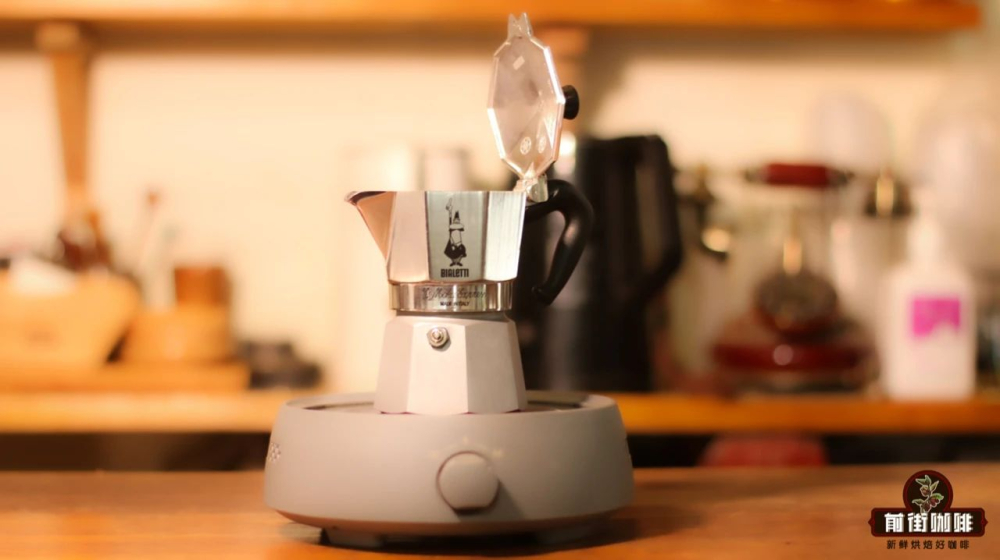
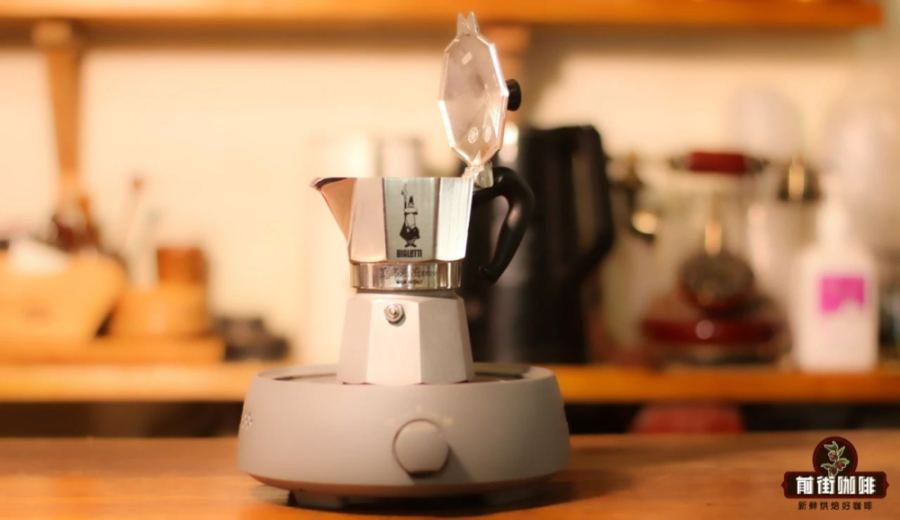
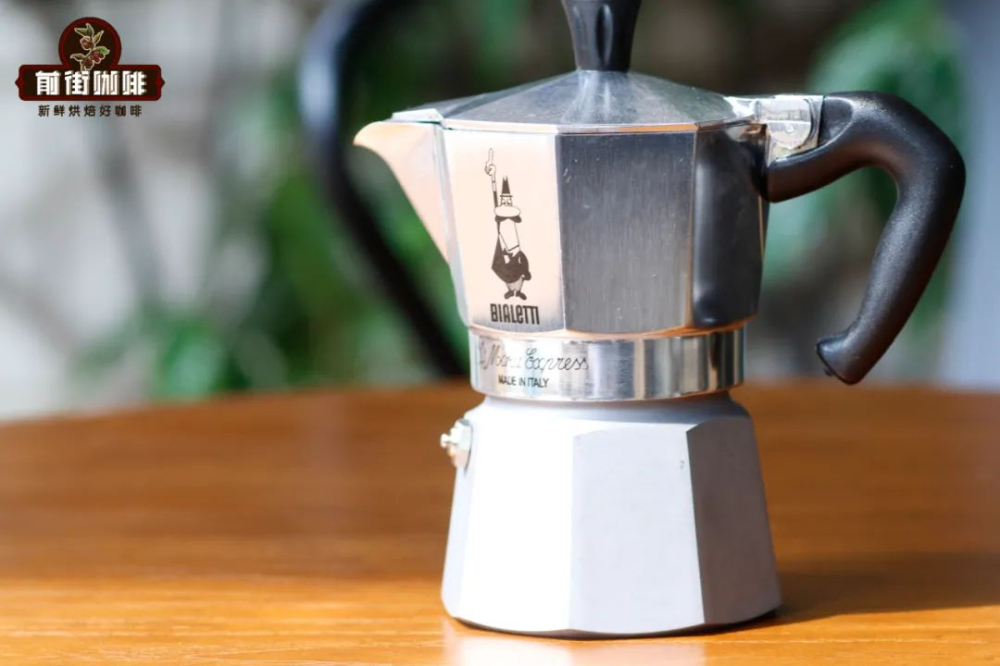
The moka pot is the go-to choice for many coffee enthusiasts just starting out. Its structure is simple, mainly consisting of three parts: the upper chamber, the filter basket, and the lower chamber. When heated, the water in the lower chamber generates steam pressure, which pushes the hot water through the layer of coffee grounds in the middle, ultimately extracting a rich coffee liquid into the upper chamber. This pressure-based extraction method shares similarities with commercial espresso machines, bringing out intense aromas and a full-bodied mouthfeel, along with a fine layer of crema on the surface.
The pressure of a moka pot typically ranges between 1.2 to 3 atmospheres. Although this is not as high as the 9 atmospheres of a professional espresso machine, it is sufficient to make the coffee flavors more concentrated. Common models come in single-valve and double-valve designs. The double-valve version, with an additional pressure valve, can further increase the pressure, making the extraction more focused and the crema performance even better. For those who want to enjoy strong, espresso-style coffee at home, the moka pot is an excellent value-for-money option.
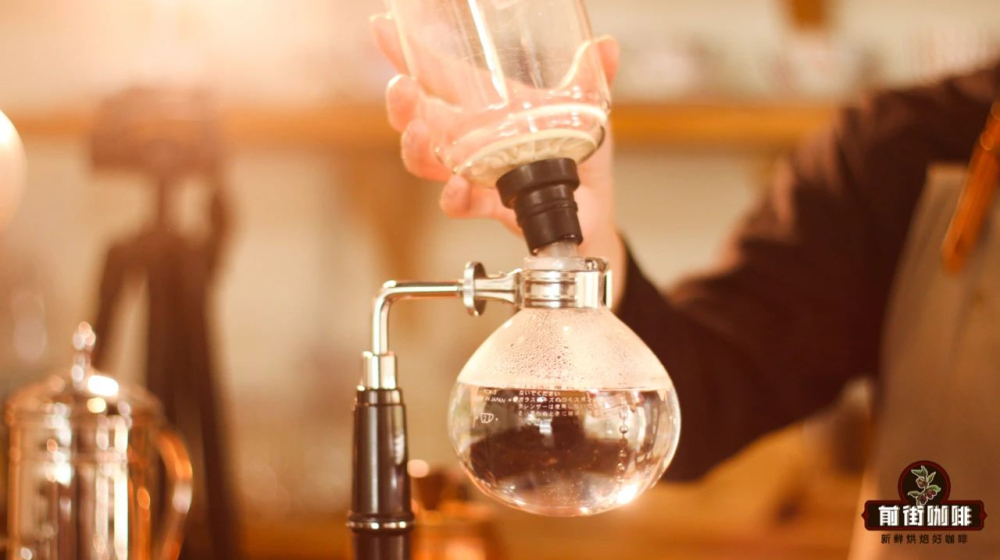
The siphon brewer, also known as the siphon pot or vacuum pot (Siphon), is famous for its laboratory-like appearance and unique brewing method. By heating the water in the lower chamber, steam pushes the water upward into the upper glass globe where it mixes with the coffee grounds. Then, as the temperature drops and creates negative pressure, the coffee liquid flows back down into the lower chamber, completing the extraction. This heat-expansion and vacuum-based brewing method not only delivers dramatic visual effects but also imparts a round and balanced flavor profile to the coffee.
The history of the siphon brewer dates back to the early 19th century, initially used by German scientists for teaching demonstrations. It was later improved by French and Scottish engineers before becoming commercially available. Though it once enjoyed great popularity, the siphon brewer gradually fell out of favor with the rise of more convenient drip coffee makers. However, for coffee lovers who value ritual and hands-on enjoyment, the siphon remains an irreplaceable classic device.
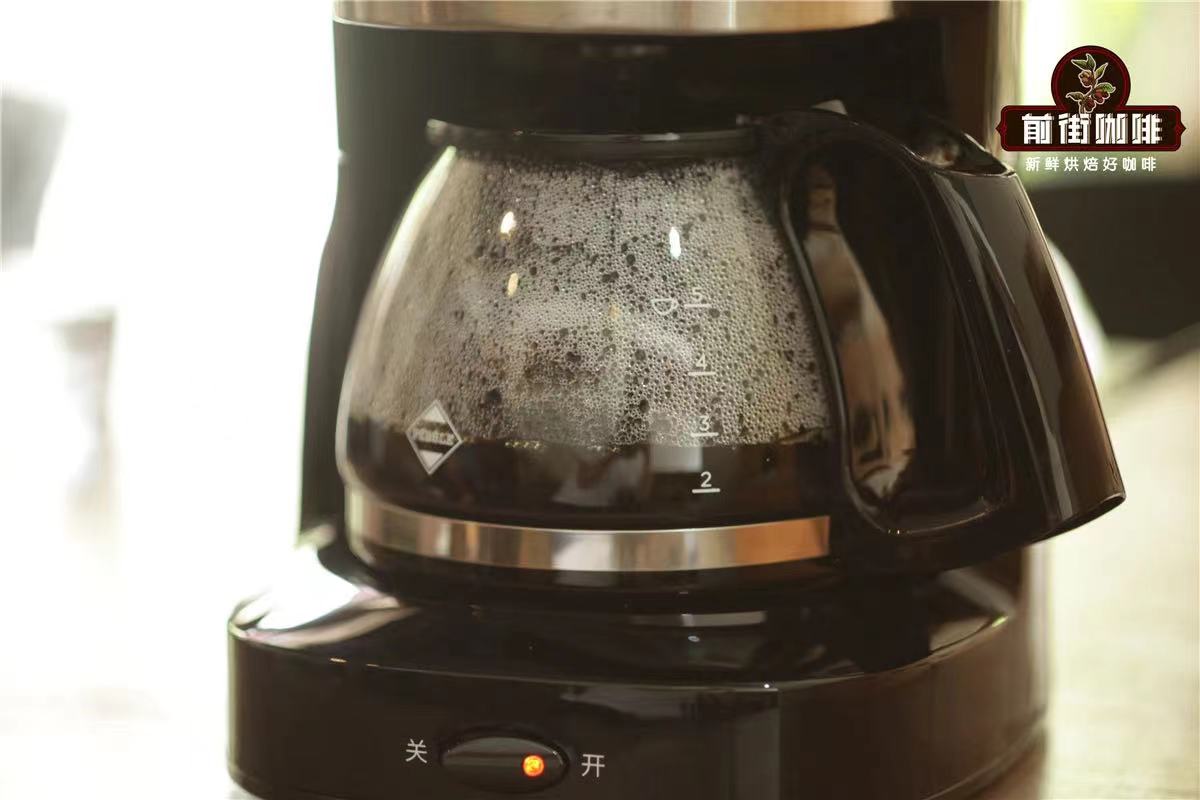
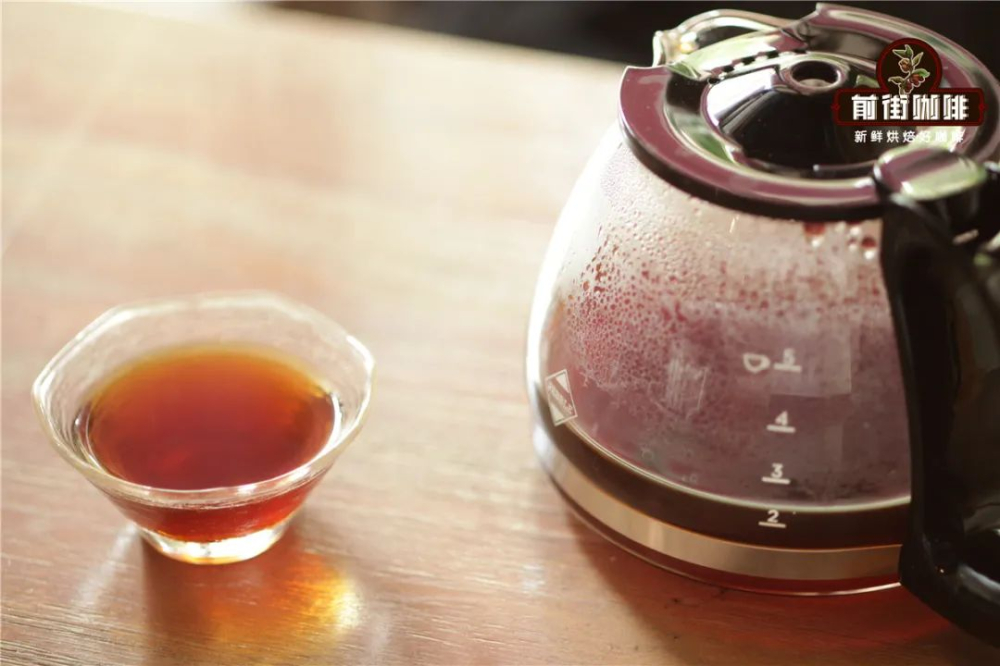
The American drip coffee maker, or simply the drip machine, is one of the most commonly seen coffee brewing tools in homes and offices. Its principle is to evenly pour hot water over coffee grounds, allowing the coffee liquid to naturally drip down by gravity. It’s simple to operate and highly efficient, usually taking only 5 to 8 minutes to brew a full pot. Standard models can brew either 5 or 12 cups, making them suitable for sharing with others or for daily high-volume consumption.
When using a drip machine, it’s recommended to follow the standard of 100–120ml per cup, adding about 5–7 grams of coffee grounds per cup, and adjusting the amount based on personal taste preferences. Different roast levels of coffee beans will bring distinct flavor directions: light roast beans are noticeably acidic with lively fruit notes; medium roast beans exhibit nutty and chocolatey tones with balanced mouthfeel; dark roast beans are rich and bold, with a lingering aftertaste of chocolate and caramel. Choosing coffee beans that suit your taste is key to enjoying drip coffee.
Next, let’s look at the practical operation process and flavor characteristics of the moka pot. It’s recommended to use freshly roasted coffee beans and grind them to a fine consistency (close to espresso grind) to improve extraction efficiency. When operating, start by adding clean, warm water to the lower chamber, with the water level staying about 0.5 cm below the safety valve to prevent overheating hazards. In the filter basket, add approximately 18 grams of finely ground coffee, leveling it without overly compacting, to avoid obstructing the water flow.
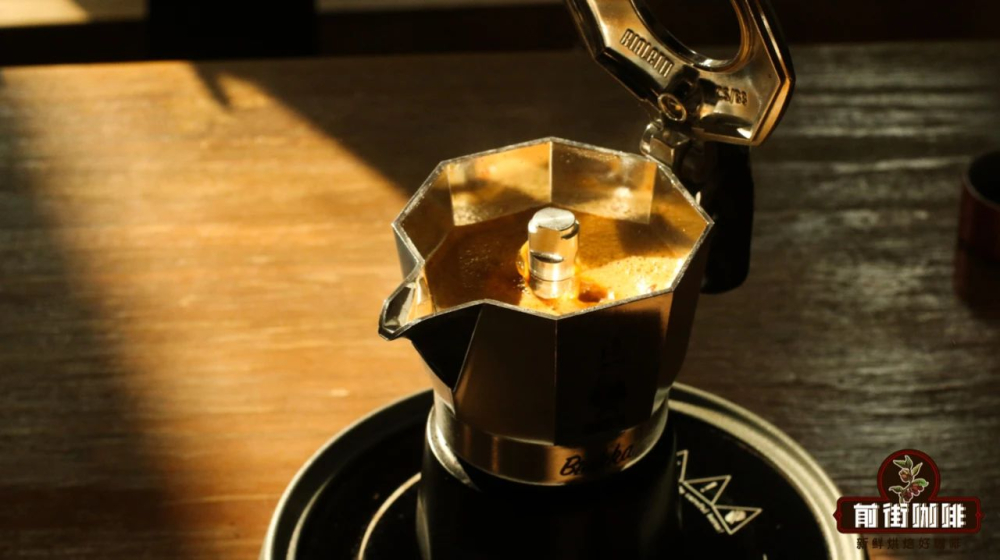
Once the upper and lower chambers are assembled tightly, you can begin heating. Use low to medium heat, and keep the heat source focused on the bottom of the pot. When you hear the coffee liquid start to flow out accompanied by a hissing sound, reduce to low heat, and turn off the heat when about half of the coffee has been extracted, letting the residual heat complete the final stage of brewing. The resulting moka pot coffee has a rich and bold flavor, often with complex aromas of whiskey, vanilla, cream, and berries, making it ideal for those who enjoy strong coffee. If you prefer a lighter taste, you can dilute it with water at a 1:5 ratio or pair it with milk to add layers of chocolate and creamy notes.
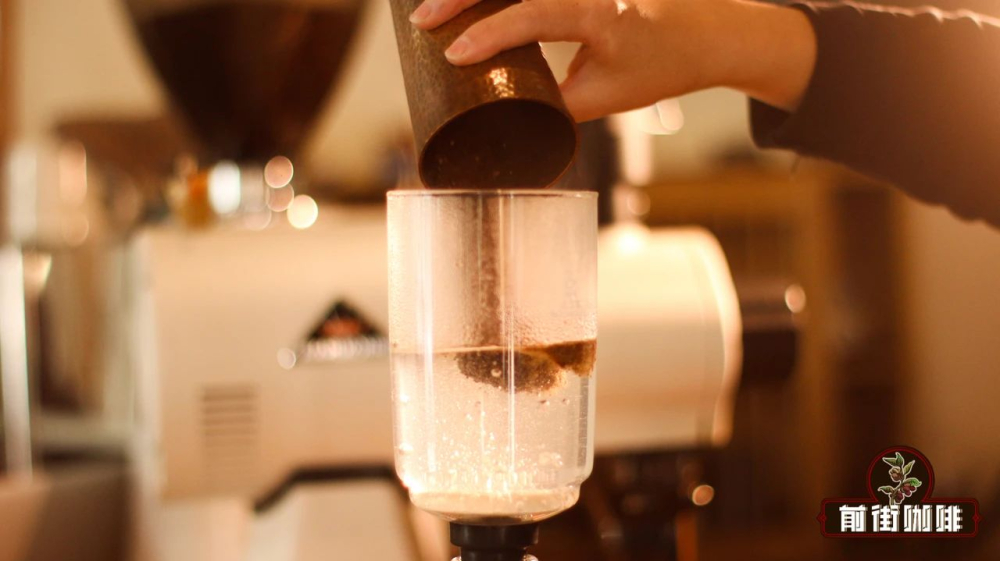
The operation process of the siphon brewer may be slightly more complicated, but it offers an exceptionally layered brewing experience. It’s recommended to use light roast coffee beans, such as Kenyan beans, to highlight their bright acidity and fruity notes. During brewing, control the water temperature to around 92°C, and use a 1:14 coffee-to-water ratio, with a grind size finer than pour over (approximately the 9th notch on the EK-43 grinder, equivalent to 90% extraction rate through a 20-mesh sieve).
During operation, start by adding water to the lower chamber and wiping the exterior dry, then attach the filter device and ensure the sprout chain is properly secured to prevent coffee grounds from leaking. Once the lower chamber is heated until the bubbles grow larger, quickly align and press down the upper chamber to allow the water to rise. At this point, add the coffee grounds and immediately begin the first stirring motion to help the coffee bloom; at 25 seconds, perform a quick Z-shaped stir to enhance flavor release; at 50 seconds, switch to a gentle circular stirring motion to reduce the risk of over-extraction. At 55 seconds, remove the heat source and wait for the coffee liquid to slowly flow back down. Siphon coffee has a thick, rounded mouthfeel, often with sweet notes of caramel, apricot, and brown sugar. It is a classic brewing method that combines visual enjoyment with layered taste experiences.

The above content is compiled by CoffeeHunters, a coffee news website.


