








Introduction:As a representative bean variety from Ethiopia’s high-altitude growing regions, Yirgacheffe G1 is beloved by many coffee newcomers for its distinctive citrus notes and tea-like flavor profile, making it an ideal entry point into specialty coffee. This article delves into its origin story, washed processing characteristics, G1 grading standards, and offers practical tasting tips along with pour over brewing recommendations to help you fully appreciate the charm of this classic bean.
Yirgacheffe, a name that resonates deeply with many coffee enthusiasts, is not just a place but also a symbol of flavor. It completely redefined the stereotype of coffee as dark, bitter, and heavy—introducing bright acidity, delicate floral notes, and a tea-like finish to spark a “freshness revolution” in the specialty coffee scene. If you’ve ever been amazed by a cup brimming with lemon zest and subtle sweet notes of peach and apricot, chances are it was a G1-grade washed Yirgacheffe bean.
Located on the highlands east of the East African Rift Valley in Ethiopia, Yirgacheffe sits at elevations generally above 1,800 meters—an ideal environment for cultivating Arabica coffee trees. As for the origin of its name, interpretations of the local ancient language suggest that “Yirga” means “to settle,” and “Cheffe” refers to “wetland,” together implying “a place to dwell in the wetlands.” The coffee grown in this land has since become a star product in the global specialty coffee market.
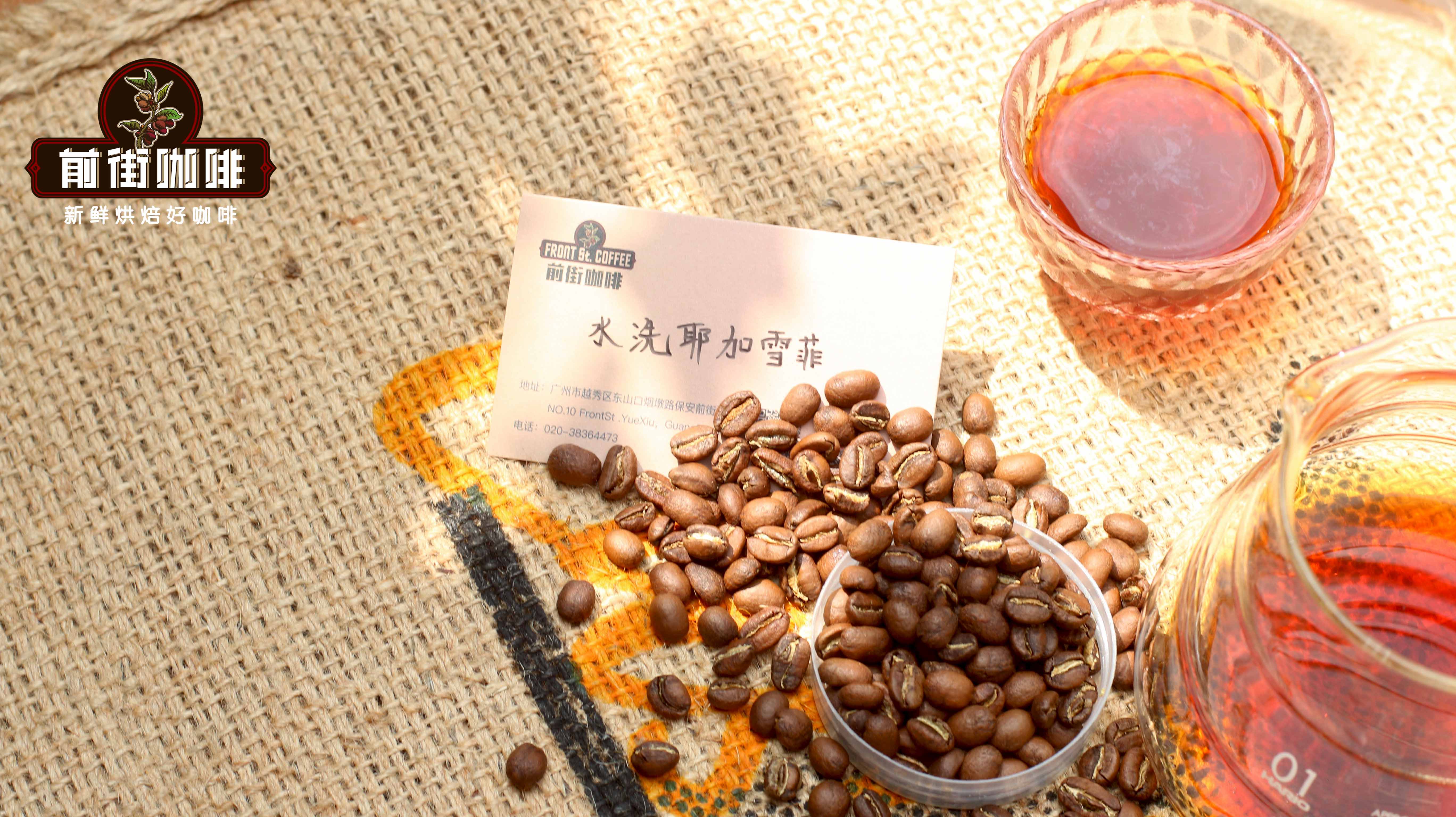
When discussing Yirgacheffe, one cannot overlook the classic offering from a well-known café. Though the brand has, in both industry and consumer vernacular, become synonymous with a particular flavor profile—namely, rich jasmine floral notes, distinct lemon acidity, paired with sweet hints of peach and almond, and a soft tea-like finish—this flavor signature has propelled Yirgacheffe to stand out among many producing regions as the “first cup” for many people exploring specialty coffee.
Yirgacheffe’s global prominence is closely tied to the rise of the specialty coffee movement after the turn of the millennium. In the past, most consumers were exposed primarily to dark-roasted coffee, emphasizing intense bitterness and bold body, with little discussion around acidity or fruitiness. However, Yirgacheffe shattered this singular taste framework with its unique citrusy acidity and vibrant profile, reacquainting people with the diversity of coffee. Today, alongside traditional origins like Mandheling and Brazil, it stands not only as a top choice for beginners but also as a classic representation of African coffee and floral-fruity profiles.
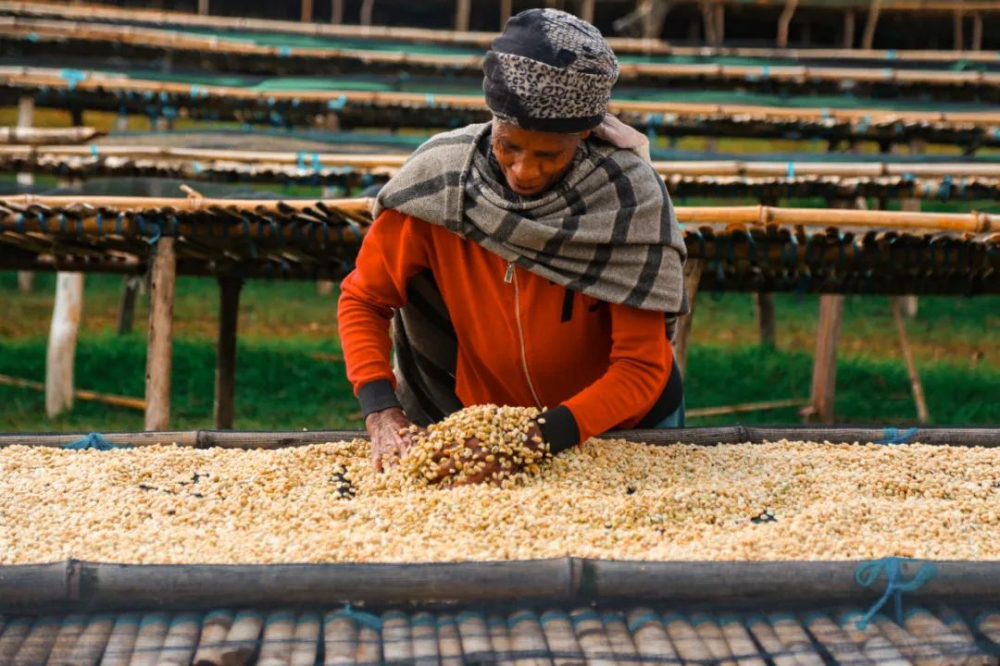
It’s worth noting that Yirgacheffe beans are highly versatile in processing methods—whether washed, natural, or honey-processed, each highlights the region’s clear terroir characteristics. Among these, washed Yirgacheffe G1 stands out due to meticulous manual sorting, resulting in an exceptionally low defect rate. This yields a cleaner, brighter cup with pronounced acidity that’s not overly sharp, alongside more noticeable sweetness and tea-like qualities. This is precisely why many baristas and enthusiasts prioritize washed G1-grade Yirgacheffe when selecting this origin.
Regarding the term “Guodingding” in the name—it actually refers to the specific processing factory or farm where that particular batch of beans was produced, while “G1” is one of Ethiopia’s official green coffee grading standards, representing the highest grade. G1 beans must undergo strict hand-sorting with minimal defective beans. However, even if beans are grown in the Yirgacheffe region, they cannot bear the “Yirgacheffe” name unless their cup profile exhibits the region’s typical floral and fruity characteristics during final evaluation. This ensures consumers receive a flavor experience true to the name.
For readers looking to explore or evaluate Yirgacheffe G1 in depth, here are three practical tasting pointers:
1. Smell the Dry Aroma First: Right after grinding, take a deep sniff of the coffee grounds. High-quality Yirgacheffe G1 should emit distinct jasmine or white floral notes—a key indicator of freshness and processing quality.
2. Taste Black, Without Milk or Sugar: It’s recommended to use a pour over method, brewing with water at 90–92°C. Avoid adding milk or sugar to fully experience its bright acidity and nuanced sweetness. Upon tasting, you should perceive a lively lemon or lime acidity, with a finish that carries fruity notes of peach or apricot, complemented by a soft tea-like mouthfeel.
3. Observe Flavor Changes as It Cools: As the coffee cools down to room temperature or slightly below, different layers of flavor often emerge. For Yirgacheffe G1, cooling may reveal sweet notes akin to sweet potato, caramel, or honey—manifestations of its deeper flavor complexity.
In summary, Yirgacheffe G1 is more than just a coffee—it’s a symbol of flavor experience. Offering a sensory enjoyment close to top-tier specialty coffee at a relatively accessible price, it serves as an excellent starting point for both newcomers and seasoned coffee lovers seeking fresh profiles to rediscover the diverse allure of coffee.
The above content is compiled by CoffeeHunters, a coffee news website.


