








Introduction:The richness of the crema (the golden-brown foam) on the surface of an espresso shot is a focal point for many coffee enthusiasts, especially for those interested in latte art or seeking a layered flavor experience. However, does more crema necessarily mean better flavor? This article will delve into the three core factors that influence the thickness of espresso crema: the carbon dioxide content in coffee beans, roast level and freshness, as well as the use of Robusta blends, helping you master the key to crema formation from both principle to practice.
During the espresso extraction process, the golden layer of foam (crema) on the surface is often considered an important indicator of extraction success. Whether for aesthetic latte art or for a richer taste experience, many coffee lovers aim to extract a thicker layer of crema. However, the essence of crema is actually a bubble structure supported by carbon dioxide—not a pure layer of oil—so its thickness doesn’t directly reflect the quality of the coffee’s flavor.
The true factors influencing crema formation and stability mainly include three aspects: the carbon dioxide content inside the coffee bean, the roast level and freshness, and whether Robusta beans are used in the blend. Understanding these key elements is essential to fundamentally improving espresso crema performance, rather than relying solely on superficial adjustments to extraction techniques.
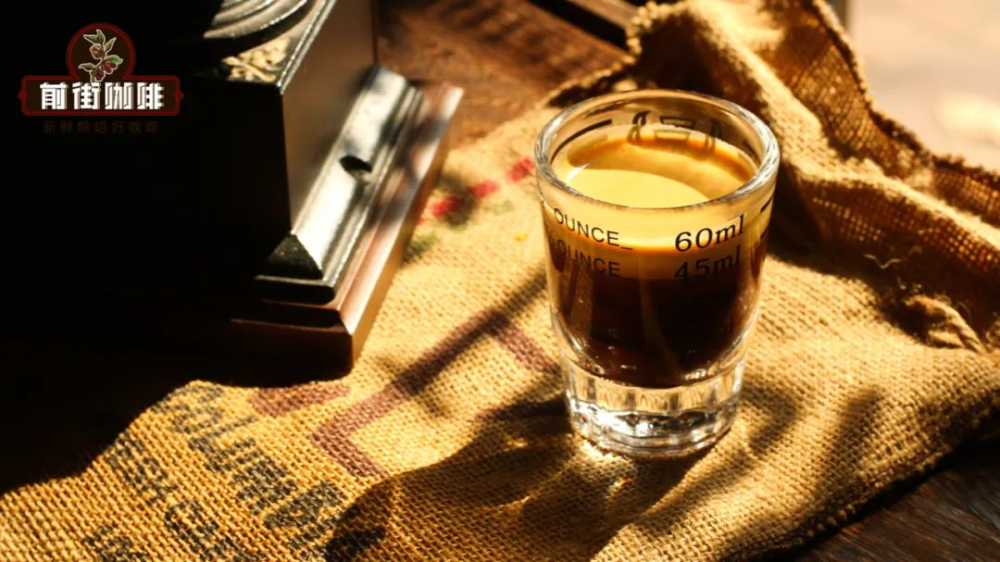
First, we need to clarify a common misconception: crema is not pure oil, but a composite structure made up of carbon dioxide bubbles, insoluble coffee oils, and very fine coffee particles. Among them, carbon dioxide is the main reason for supporting the bubbles, while the oils and fine particles wrapped around the bubbles affect the release of aroma and taste. Therefore, the thickness of crema cannot be directly equated with the overall flavor performance of the coffee.
The most important factor influencing carbon dioxide content is the roast level of the coffee beans. Generally speaking, the darker the roast, the more carbon dioxide is produced during the roasting process, and the higher the expansion rate of the bean, allowing it to store more gas. This is particularly evident during the blooming stage of pour over coffee, where dark roasted beans usually exhibit more vigorous expansion. In addition, dark roasted beans also release more insoluble oils to the surface of the bean after roasting, which helps form a more stable and long-lasting crema layer.
Therefore, if you want to extract a thicker espresso crema, choosing medium to dark roasted coffee beans would be a more ideal starting point.Dark roasted beans not only have a high carbon dioxide content, but their structural characteristics also favor a stable crema presentation.
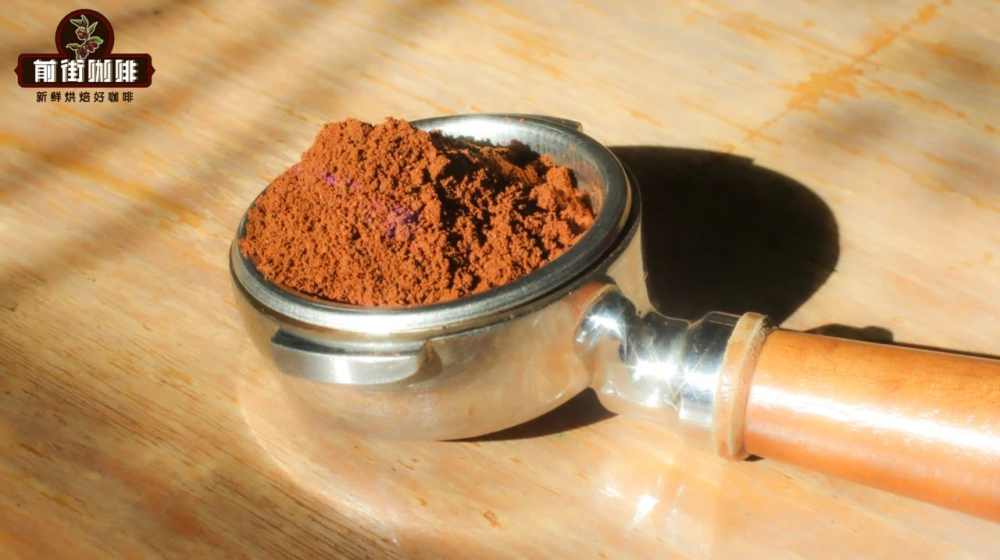
In addition to roast level, the freshness of the coffee beans is also a major factor affecting crema thickness. From the moment the beans are roasted, the internal carbon dioxide gradually begins to dissipate, and the oils slowly oxidize. As a result, fresher coffee beans usually retain more carbon dioxide, thereby forming a richer crema layer during extraction.
However, although freshly roasted beans have ample carbon dioxide, these gases are often too active, which can lead to rapid crema bubble rupture and clumping, negatively affecting stable extraction and taste performance. Therefore, most professional baristas recommend allowing freshly roasted beans to go through an appropriate "resting period" (养豆期), enabling the beans to release excess carbon dioxide while stabilizing the flavors. Typically, medium to dark roasted beans are advised to rest for 7 to 14 days, depending on specific roast conditions.
If you wish to further enhance the richness of espresso crema, you might consider adding a moderate amount of Robusta beans to your blend. Compared to Arabica, Robusta naturally contains higher caffeine and oil content, and under the same roast conditions, it typically releases more carbon dioxide and forms a more noticeable crema layer.
However, Robusta has a stronger flavor profile, often exhibiting distinct woody, nutty, or even earthy notes. Therefore, most commercial blends mix Arabica and Robusta in controlled proportions to balance the overall flavor while retaining the advantages of Robusta in crema performance. For example, many specialty shop espresso blends achieve a comprehensive improvement in aroma, taste, and crema layers through this approach, making them especially suitable for latte art in milk-based drinks like lattes.
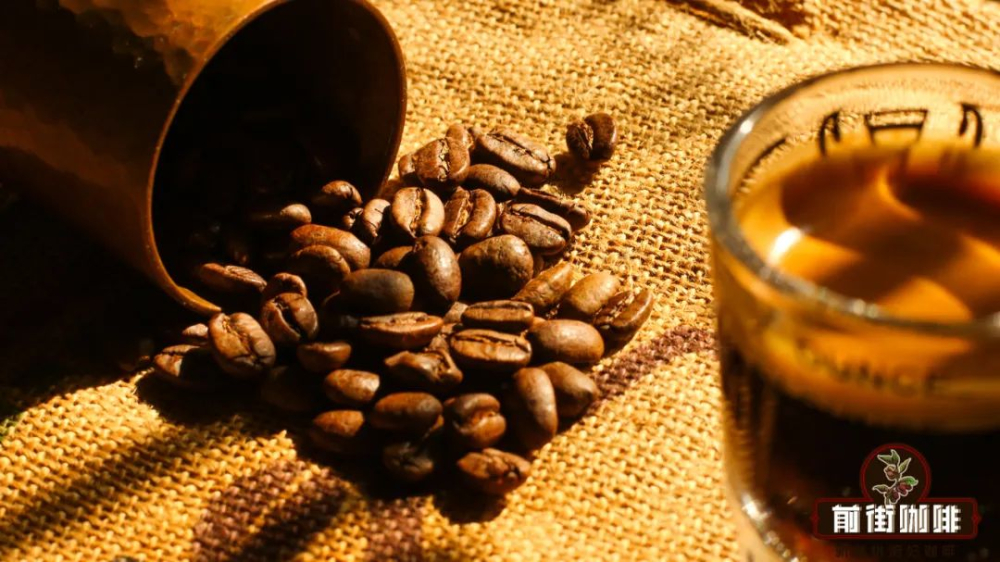
Finally, it’s worth mentioning that no matter how you adjust the type of coffee beans, roast level, or freshness, if the basic extraction parameters are not properly set, it will still be difficult to achieve an ideal crema layer. For example, if the grind size is too coarse and water flows through too quickly, it can lead to under-extraction, resulting in a thinner crema. Similarly, excessive extraction yield can dilute the concentration and stability of the crema.
In summary, to achieve a thick and stable espresso crema, the key lies in understanding the principles behind its formation and making comprehensive adjustments in coffee bean selection, roast level, freshness, and blending strategy. At the same time, don’t forget to ensure that the basic extraction parameters are correct, in order to achieve the best balance between crema and overall coffee flavor.
The above content is compiled by CoffeeHunters, a coffee news website.


