







Introduction:Typica is one of the most historically significant varieties of Arabica coffee. With its deep cultivation history and distinctive flavor profile, it has become a classic in the hearts of many coffee enthusiasts. Originating from Ethiopia and spreading across Central and South America, Asia, and the Caribbean, Typica has evolved over time, witnessing the important journey of coffee’s globalization. This article will delve into the botanical characteristics of Typica beans, their dissemination journey, as well as the entire process from seed to coffee tree. Taking Jamaican Blue Mountain Typica as an example, it will also analyze its roasting, cupping, and pour over techniques, offering you a comprehensive understanding of the unique charm of this classic variety.
Typica is one of the oldest varieties within Arabica coffee. Its presence extends from the African highlands to the Caribbean islands, and across the Pacific to the Asian archipelago, shaping the coffee culture of numerous renowned regions along the way. More than just a symbol of a coffee variety, Typica represents the traditional benchmark of coffee quality and flavor. In this article, we will explore the botanical features of Typica, its global dissemination history, and how it grows from a single seed into a coffee tree heavy with red fruit. We will also interpret Typica’s brewing performance and flavor characteristics through real-life examples from the Jamaican Blue Mountain region.
Varietal Characteristics of Typica Coffee Beans
Typica is a classic sub-variety within Arabica coffee, initially widely cultivated on the island of Martinique. Today, it is primarily found in Central America, Jamaica, Hawaii Kona, Papua New Guinea, and East Timor. Due to the pursuit of higher yields, some regions have crossbred Typica with other varieties, but purebred Typica is still highly regarded for its unique flavor.
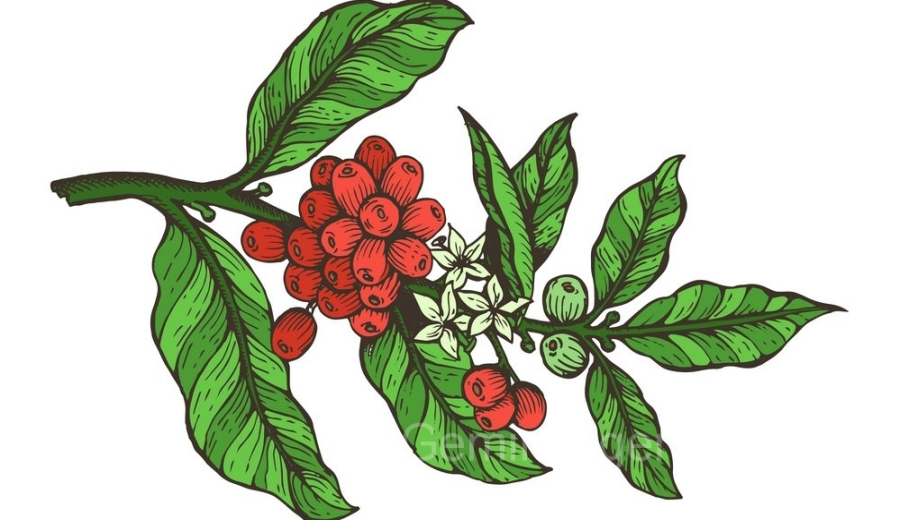
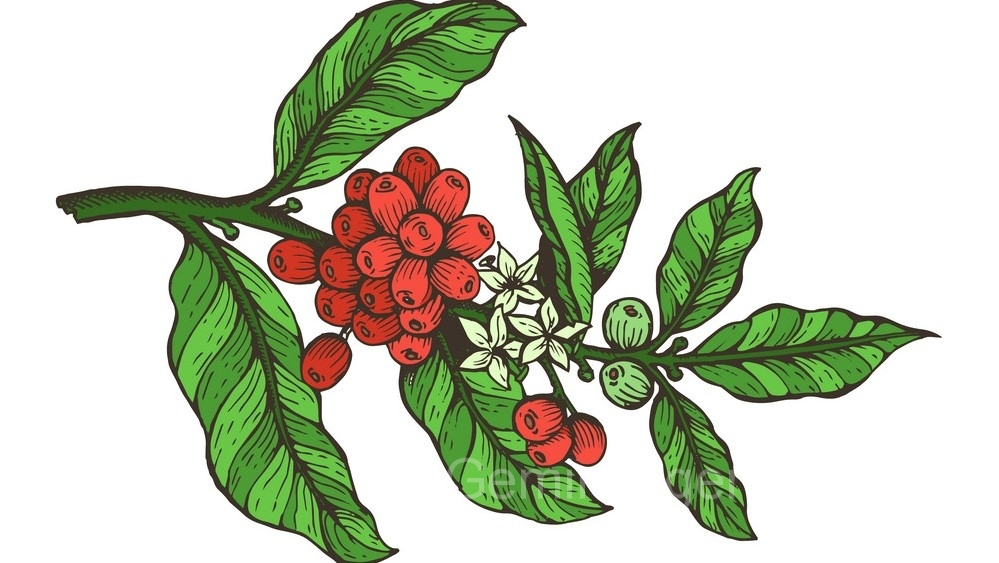
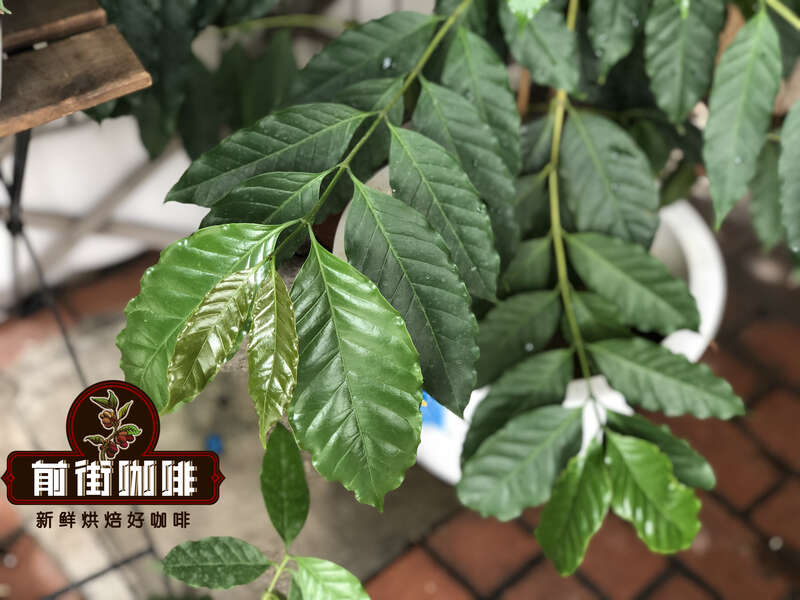
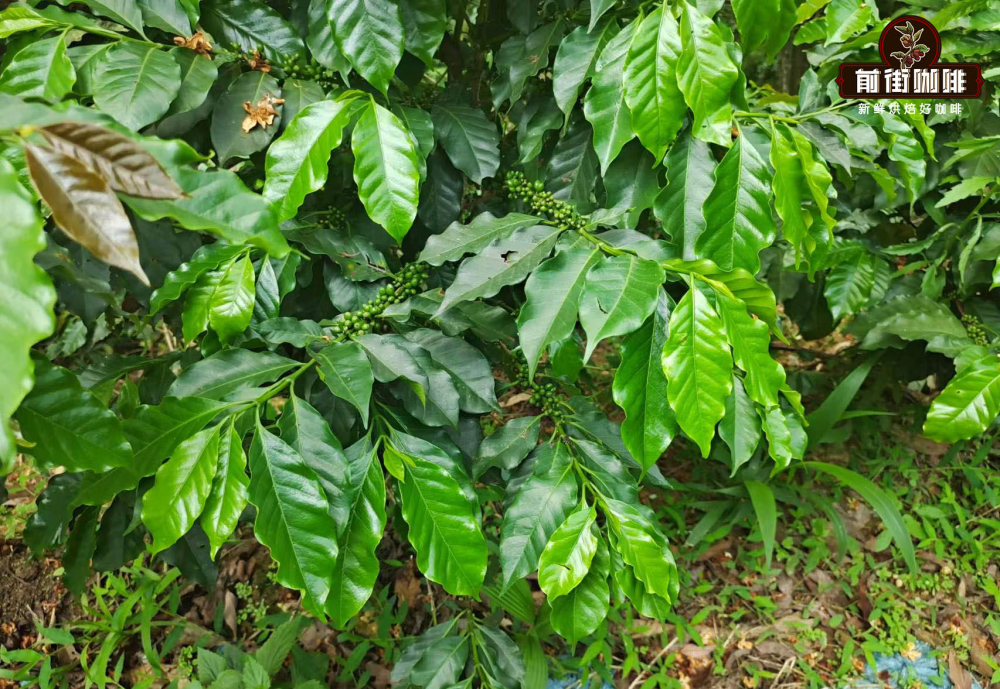
The plant structure of Typica is highly recognizable, featuring a tall, conical shape with a straight main stem that can reach5 metersin height, resulting in noticeably longer branch spacing with side branches forming an angle of approximately50 to 80 degreeswith the main stem. The leaves, fruits, and green beans are all slender in shape, with leaf tips often exhibiting a bronze hue, smooth leaf surfaces, and straight edges. One of the most prominent features is itsbronze-colored top bud,while the mature fruit is bright red. The beans are relatively large, oval or elongated in shape, which is why it is also commonly referred to as "red-topped coffee."
However, Typica also faces several challenges, includinglow yield, sensitivity to altitude, susceptibility to leaf rust,and weaker resistance to pests and diseases. Yet these drawbacks do not overshadow its flavor strengths: a bright and clear acidity, clean mouthfeel, and balanced flavor profile, often accompanied by notes of nuts, caramel, and subtle fruity tones.
How Did Typica Spread Across the World?
Ethiopia: The True Birthplace of Arabica Coffee
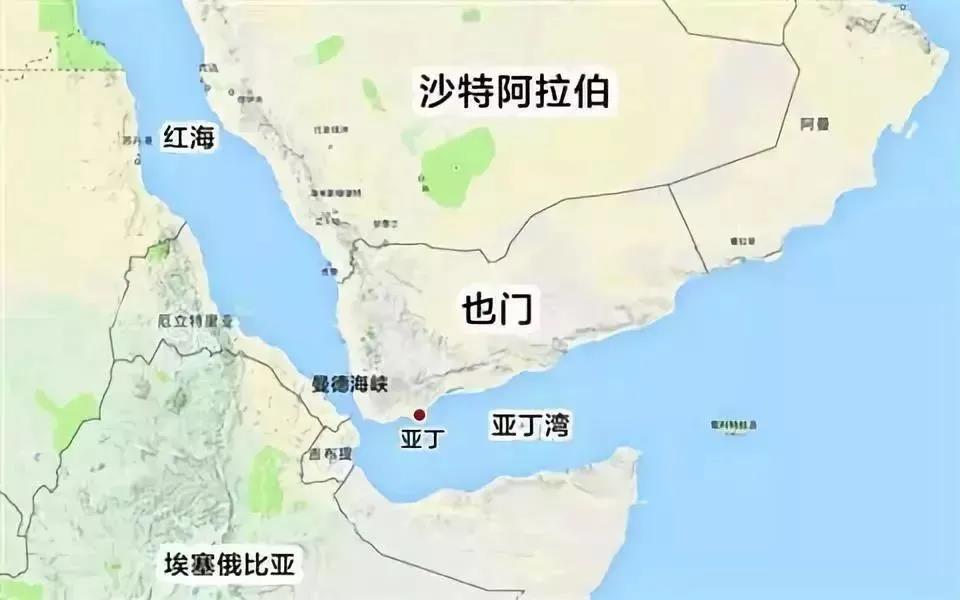
Although the term "Arabica" might easily lead one to think of the Arabian Peninsula, its true origin is Ethiopia, located at the Horn of Africa. In 1753, botanist Linnaeus mistakenly believed coffee originated from the Middle East, thus naming it Coffea arabica. It wasn’t until 2002, when a European-funded genetic study revealed that Yemen’s coffee had far less genetic diversity than Ethiopia’s, that its status as the birthplace was officially confirmed.
Yemen: The Cradle of Coffee Culture
Coffee was initially used medicinally in Yemen, only gradually evolving into a beverage around the year 1500. At that time, Yemen’s Mocha and Aden ports were famous for “qishr,” made from dried coffee fruit, and later “qahwa,” roasted with spices—marking the starting point of coffee’s global journey.
India: The Planting Chapter Initiated by Illegal Smuggling
Around the year 1600, an Indian Muslim pilgrim named Baba Budan secretly brought seven Yemeni Typica seeds from Mecca back to the Chikmagalur region in Karnataka, southern India, successfully cultivating them. This marked the first time Typica took root outside of Yemen.
Europe and the Dutch Coffee Strategy
In the 17th century, the Yemeni port of Mocha held a monopoly on coffee trade, exporting only roasted beans to prevent the outflow of cultivation techniques. In 1616, the Dutch East India Company successfully smuggled coffee seedlings to Amsterdam, where they were successfully cultivated in a greenhouse. This coffee tree is considered the “European mother plant.” In 1699 and 1706, the Dutch transplanted Typica to Java and the Netherlands mainland for cultivation, respectively.
Southeast Asia: A Mix of Success and Disease
Starting in 1699, the Dutch transplanted Java-grown Typica to Sumatra and Sulawesi, enjoying initial prosperity. However, by the late 19th century, the outbreak of leaf rust forced local growers to switch to the more disease-resistant Robusta variety.
Central and South America: Typica’s New Home
In 1714, King Louis XIV of France was gifted Java coffee seedlings, but most attempts at cultivation failed. It wasn’t until 1723 that an officer named Déclieux brought a Typica seedling to the French colony of Martinique, successfully planting and rapidly propagating it—becoming the origin of Typica cultivation in Central and South America. Subsequently, countries such as Jamaica, Colombia, and Guatemala also introduced the variety.
Hawaii and Yunnan: Typica’s Later Journey
In 1825, Hawaii introduced an improved version of Typica, planting it in the Kona region, leading to the renowned Kona coffee we know today. In 1904, a French missionary planted Typica in Zhugula Village, Yunnan, China, which is regarded as the starting point of Yunnan’s coffee cultivation.
From Seed to Coffee Tree: The Growth Process of Typica
To grow high-quality Typica, the first step is to select fully ripe, premium coffee cherries, with moisture content needing to be controlled at13%to facilitate preservation and germination. Before sowing, the seeds need to be soaked in45°C warm water for 24 hours,then placed in an environment covered with medium-coarse sand and straw to induce germination. Sprouting typically begins after about 20 days, and the seeds emerge from the soil after 40–60 days. During this stage, about80% shadingis required to protect the seedlings.
Once the coffee seedlings grow their first pair of leaves, they can be transplanted into nursery bags. After reaching stable growth, they are then moved to high-altitude areas (recommended above 1200 meters)for final planting. Typica usually begins to flower and bear fruit in its third year. Coffee trees flower during the rainy season following the dry season, with the flowering period lasting about three years. The flowers are white and emit a strong jasmine aroma.
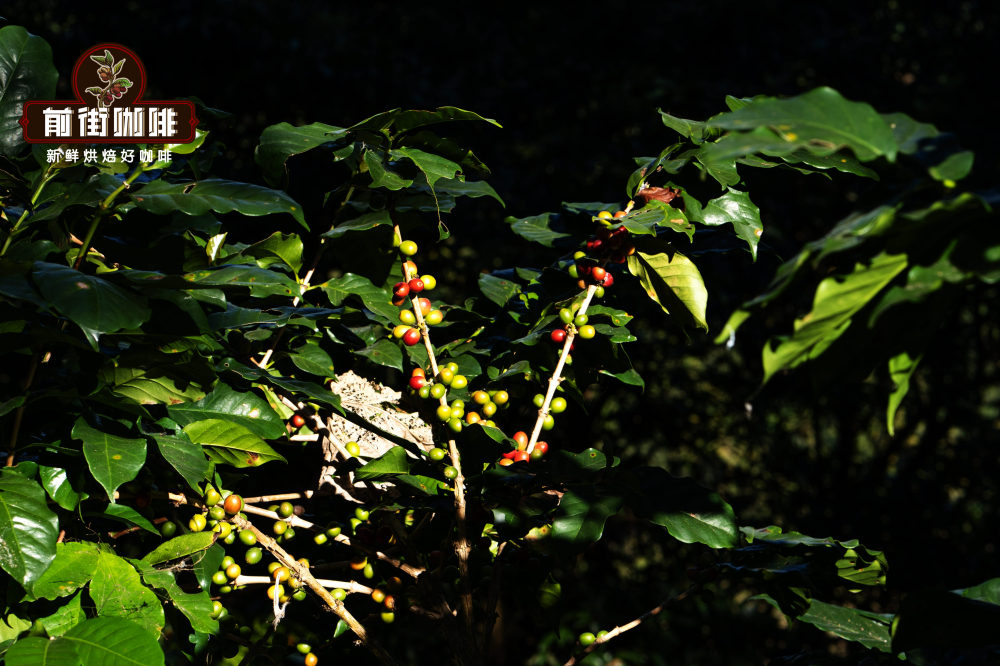
Several months after the flowers fade, the coffee cherries turn from green to yellow, then to red. Mature red cherries must be carefully handpicked to ensure only the ripest fruits are harvested. Though labor-intensive, this process is key to maintaining flavor consistency.
Jamaican Blue Mountain Typica: Representative of Classic Flavor
The Typica variety in the Jamaican Blue Mountain region has adapted to the area’s unique environment since being transplanted from Martinique in the 1720s. With elevations ranging from 1000 to 1700 meters, fertile volcanic soil, and a stable, humid climate, Typica here has developed stronger disease resistance—particularly against berry disease. However, the unique flavor of Blue Mountain Typica is difficult to replicate outside the region.
The renowned Clifton Estate in the area uses the washed processing method: first removing the pulp and flesh, followed by 12 to 18 hours of fermentation, then using water flow and friction to remove the mucilage. Finally, the parchment-covered beans are dried to a moisture content of 12–14% before storage.
Roasting and Cupping Records
Blue Mountain Typica is best presented with a medium-light to medium roast. The actual roast profile is as follows: charge temperature at 170°C, initially using a high air damper to eliminate grassy notes, adjusting heat and air damper before first crack, and carefully controlling temperature at first crack. The final drop is at around 201°C, preserving a bright, clear acidity and rich complexity.
Cupping results show that washed Blue Mountain offers a harmonious flavor of roasted nuts, chocolate, and honey, with balanced acidity and sweetness; the natural version presents more pronounced berry and fermentation notes, with a bolder flavor profile. For brewing, it is recommended to use a Kono filter, with a 1:15 coffee-to-water ratio, water temperature at 88–89°C, medium-coarse grind, and a pulse pouring method to fully showcase Typica’s characteristic cleanliness and layering.
In summary, Typica is not only a living history of coffee varieties but also a carrier of flavor and culture. Every step from seed to cup embodies the expertise and passion of growers and processors. Whether you’re a coffee novice or a seasoned enthusiast, gaining a deeper understanding of Typica allows you to better appreciate the story behind a great cup of coffee.
The above content is compiled by CoffeeHunters, a coffee news website.


