







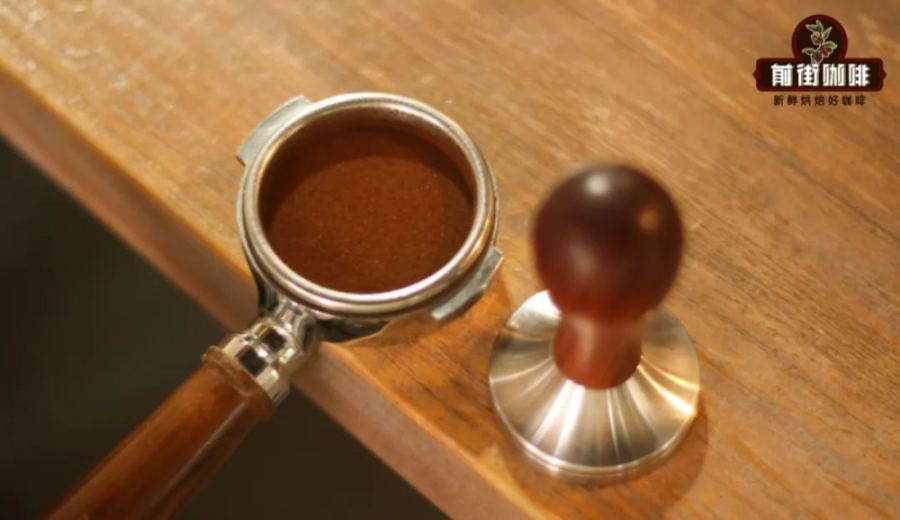
Introduction:Tamping is one of the key steps in making espresso, but the amount of pressure to apply often causes confusion. Some people get by with a light tamp, while others put all their strength into it. So what’s the right amount of pressure? Through comparative testing using both fine and coarse grinds, we observe how different tamping pressures affect extraction time—helping you master the technique of puck firmness and find the tamping method that works best for you.
In the espresso-making process, tamping may seem simple, but it involves many details and debates. Some baristas simply rotate the tamper lightly to flatten the coffee surface, while others put in maximum effort to compress the puck tightly. What specific effects does tamping pressure have on extraction? Can the firmness of the puck truly alter flow rate and extraction efficiency? A series of experiments was specially conducted, comparing different grind sizes and using actual extraction time data to help you gain an in-depth understanding of the relationship between tamping pressure and grind size, along with practical tamping recommendations.
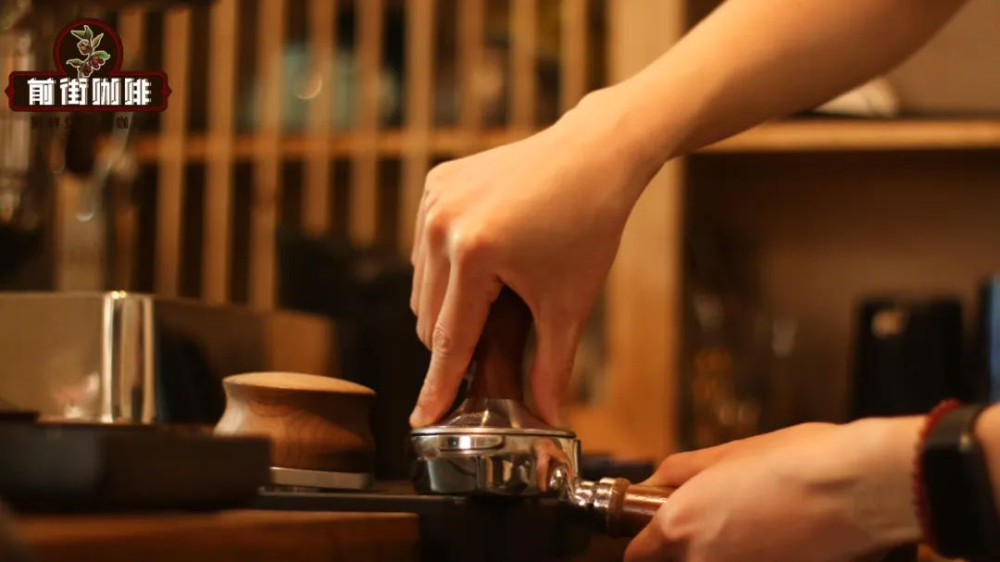
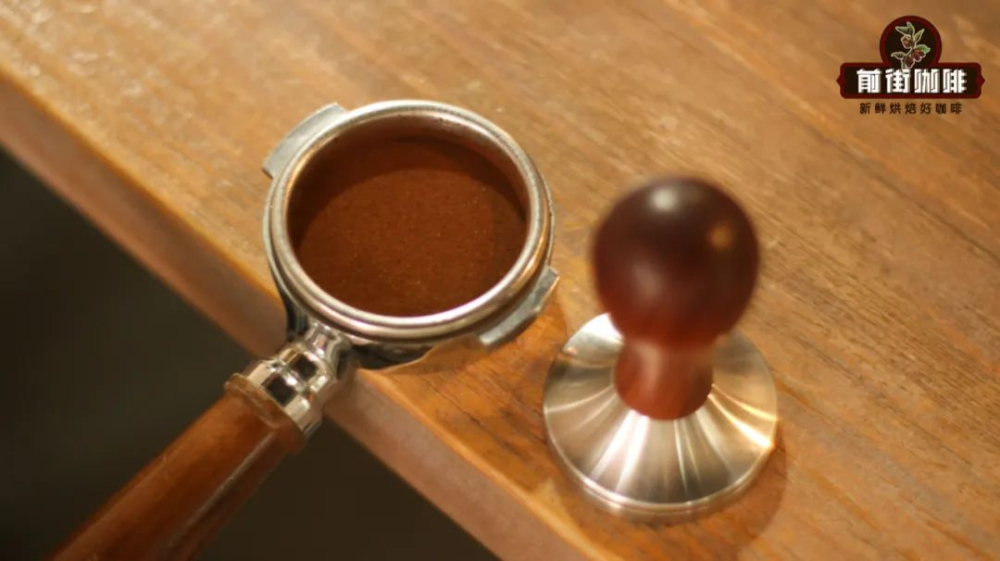 Observing professional baristas tamp is not just a skill—it’s an art. Each barista has their own unique tamping technique, with variations in motion and force. However, no matter how the technique varies, flattening the coffee bed and avoiding unevenness is a universally acknowledged key principle. An uneven coffee layer can easily lead to channeling, where hot water takes the path of least resistance, resulting in uneven extraction. But when it comes to “how much pressure should be used,” opinions start to diverge.
Currently, there are two main schools of thought: One believes that simply flattening and lightly compacting the puck is enough to achieve stable extraction, without the need for excessive force. These baristas usually apply around 1.5 kg of pressure, rotating the tamper gently to complete the tamp, and believe that under the high-pressure environment of an espresso machine, the firmness of the puck doesn’t vary significantly with the level of force applied. The other camp insists that extreme force must be used to “kill” the puck, in order to effectively control flow rate and ensure more uniform extraction. These baristas tamp with full effort, muscles tensed, as if trying to flatten the entire machine—firmly convinced that greater pressure leads to more stable extraction results.
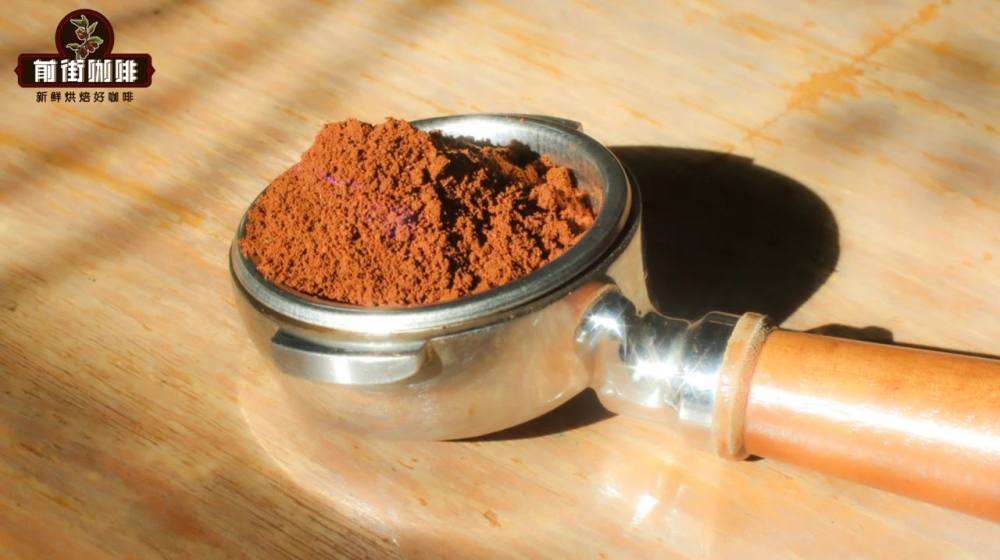
So, how much pressure is actually appropriate for tamping? We designed an experiment using two different grind sizes—fine and coarse—and applied two different tamping forces (around 1.5 kg of regular pressure, and nearly 9 kg of full force). We observed changes in extraction time to verify the real impact of tamping pressure on extraction.
The experiment used a Galileo Q18 grinder, with a fixed coffee dose of 20 grams and a target yield of 40 ml. The fine grind setting was adjusted to 1.5, and the coarse grind to 2.5. By comparing extraction times under different pressures, we analyzed the relationship between puck firmness and flow rate.
In the fine grind (1.5 setting) experiment, when using around 1.5 kg of regular tamping pressure, the extraction time for 20 grams of coffee was 30 seconds; when switching to nearly 9 kg of full force, the extraction time extended to 33 seconds. To avoid accidental errors, the experiment was repeated once, and the result remained at 33 seconds. This shows that for fine-ground coffee, different tamping pressures do indeed affect the final extraction time. Applying slightly more pressure—around 2 kg—yielded results similar to those of full-force tamping, indicating that once the puck reaches a certain level of firmness, extraction performance tends to stabilize.
 As for the coarse grind (2.5 setting) experiment, the situation was completely different. Even when using 1.5 kg versus full force, the extraction times were almost identical, both around 20 seconds. This is because the larger particle size of coarse-ground coffee leaves more space between particles, so even 1.5 kg of pressure is enough to achieve sufficient puck firmness—thus, increasing the pressure further has almost no effect on extraction time.
Combining the experimental results, we can conclude: the particle size of the coffee grounds directly affects the amount of pressure needed to achieve ideal puck firmness. Fine-ground coffee, due to its small particle size and high density, requires more pressure to compact; whereas coarse-ground coffee, with larger gaps between particles, needs less pressure to become stable. Therefore,we recommend adjusting tamping pressure based on grind size: For fine grinds, you can moderately increase the pressure to around 2 kg to ensure a firm puck; for coarse grinds, the regular 1.5 kg pressure is usually sufficient.
Mastering this technique not only improves the stability of your espresso extractions, but also helps you control flavor profiles more precisely. Remember, tamping isn’t simply about using “more” or “less” force—it’s about finding the right balance for your grind settings.

The above content is compiled by CoffeeHunters, a coffee news website.


