







Introduction:Yirgacheffe is one of Ethiopia’s most renowned coffee-growing regions, but many mistakenly believe it refers to a specific coffee variety. This article delves into the geography, varietal background, washed processing techniques, and the unique flavor characteristics of Yirgacheffe coffee beans, while also providing practical pour over parameters and flavor profiles to help you fully appreciate the charm of this classic washed coffee.
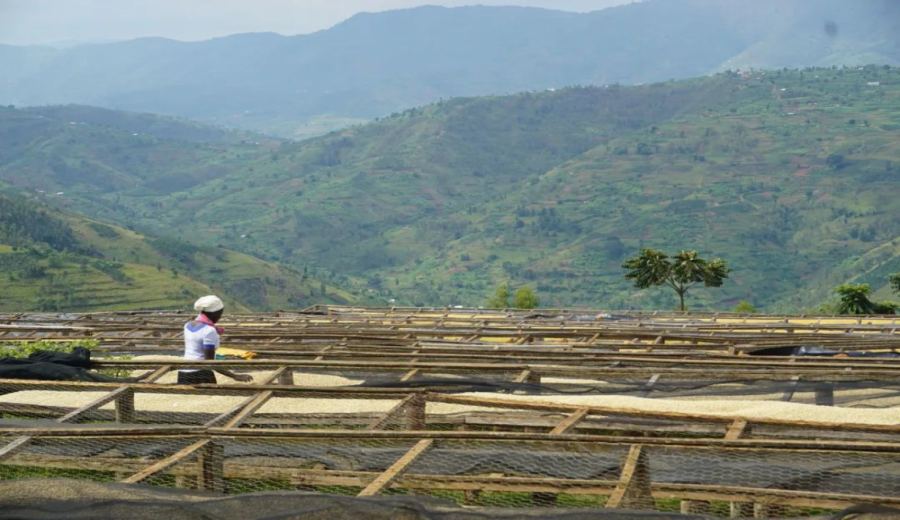
Ethiopia is hailed as the genetic treasure trove of Arabica coffee, home to numerous ancient and genetically diverse heirloom varieties, and Yirgacheffe is one of its most representative regions. However, many people mistakenly think Yirgacheffe is a coffee variety. In fact, it is a small town located on the eastern edge of the East African Rift Valley, at an altitude of about 1,800 to 2,000 meters, renowned worldwide for its bright and refreshing washed coffee.
So, is Yirgacheffe Arabica or Robusta? The answer is clear: it is Arabica, and most of it consists of the locally unique "Ethiopian Heirloom" varieties. These varieties have naturally evolved over time in the local terroir, exhibiting extremely high genetic diversity. As a result, their appearance and flavor profiles vary widely, but overall, they are characterized by distinct citrus, floral, and tea-like notes.
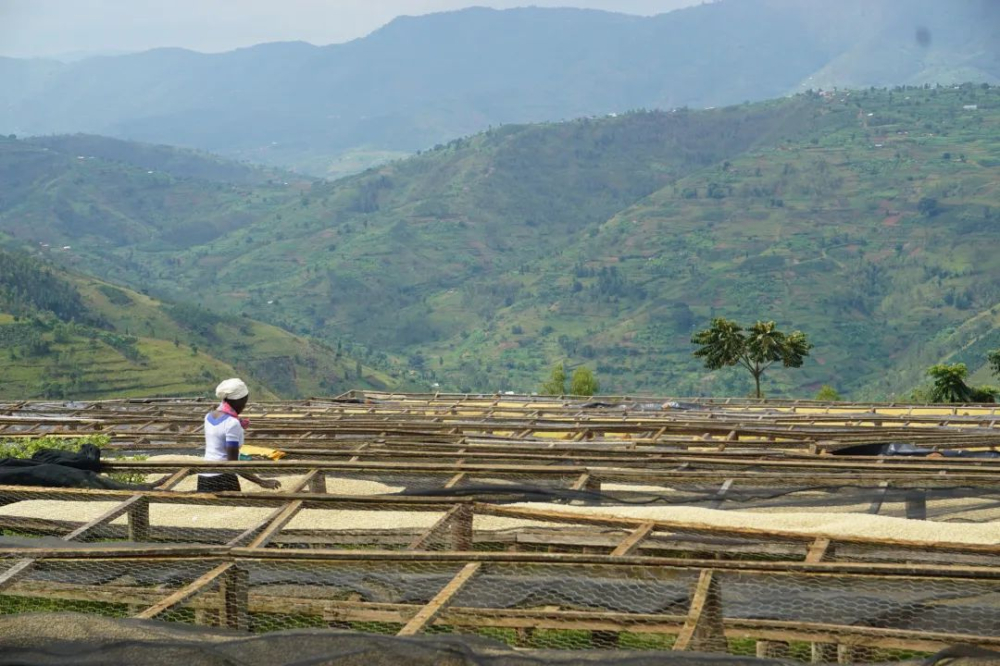
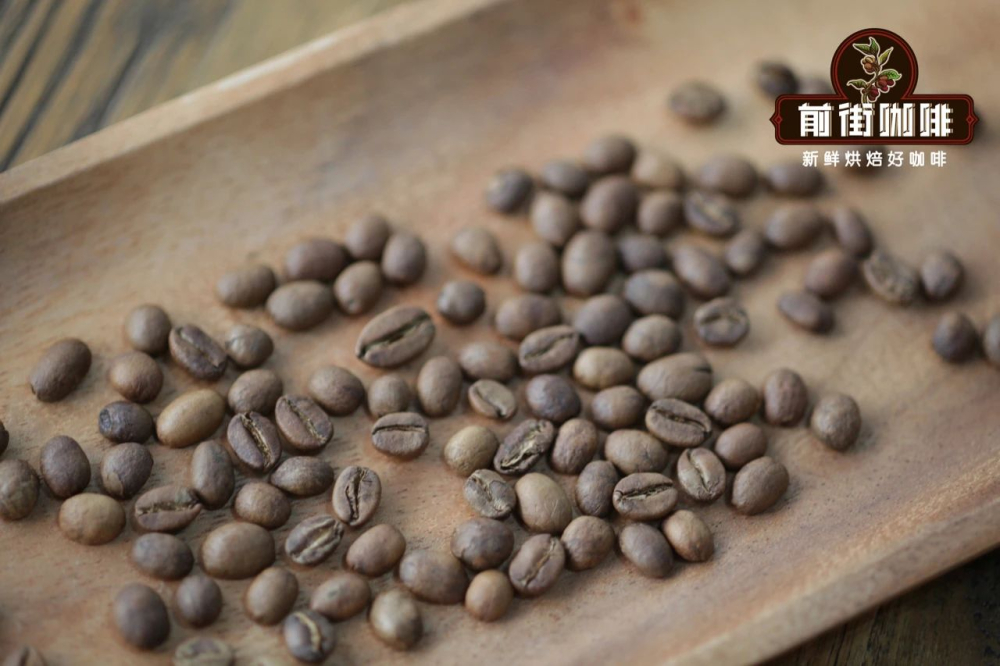
What makes Ethiopian coffee so fascinating is primarily its rich genetic pool and diverse processing methods. Local coffee is often grown in wild or semi-wild conditions, and during harvest, it frequently includes a mix of various natural mutations. As a result, each batch of beans is like a collection of varieties, giving rise to unique regional flavors. Although the bean sizes may vary, this has also become one of the distinguishing features of Ethiopian beans.
Many consumers are accustomed to using "Yirgacheffe" to refer to a certain flavor style of coffee rather than a single variety. This style typically showcases bright citrus and lemon acidity, delicate jasmine floral notes, and a tea-like light body. This refreshing profile has also made Yirgacheffe a popular choice for many beginners entering the world of specialty coffee.
Yirgacheffe was originally a place name within the Sidamo region, but due to its uniquely distinctive flavor, it was later designated as a standalone and well-known coffee-producing area. In addition to the town of Yirgacheffe itself, surrounding sub-regions such as Wolkite and Kochere are also included, collectively forming what we commonly refer to as the "Yirgacheffe flavor circle."
Traditionally, Yirgacheffe coffee was mostly processed using the natural (sun-dried) method, but in the early days, due to rudimentary processing conditions, the beans often absorbed off-flavors, resulting in unstable quality. It wasn’t until 1972, when Ethiopia introduced modern washed processing techniques from Central and South America, that the region’s full potential could be realized. Washed processing not only effectively removes impurities and undesirable flavors but also highlights the bright acidity of citrus and lemon, along with the elegant aroma of jasmine, solidifying its status as a representative of specialty coffee.
Ethiopia’s washed processing procedure is relatively complex and requires a significant amount of water, which is why it is not widely adopted in water-scarce regions of Africa. The basic steps include: first using floatation to remove unripe cherries, then removing the pulp and flesh, followed by fermenting the beans in tanks for 18 to 36 hours to break down the mucilage. The fermented parchment beans are then washed in channels, where water flow is used to separate lighter, lower-quality beans. Finally, the selected beans are spread out on drying beds to dry.
This processing method preserves the coffee beans’ most original aromatic characteristics, allowing Yirgacheffe to exhibit a clean citrus tone, delicate floral notes, and a refined tea-like mouthfeel, with an overall flavor profile that is bright and layered. Thanks to the introduction of washed processing, Yirgacheffe has risen to prominence as one of the world’s leading specialty coffee-producing regions, with a certain well-known cooperative standing out among the rest.
The Konga Cooperative was originally part of the Wolkite Cooperative, but with the support of international coffee buyers, it established its own washed processing station and gradually developed a unique processing style. The coffee beans from this cooperative often feature prominent floral notes, citrus acidity, and a green tea-like aftertaste, with a clean and refreshing mouthfeel that is highly favored by coffee enthusiasts worldwide.
If you’d like to try brewing Yirgacheffe washed beans at home using a pour over method, here are the recommended practical parameters: use a V60 #01 filter cone, control the water temperature at 90–91°C, use a coffee dose of 15 grams, aim for a brew ratio of 1:15, and grind to a pour over fine setting (approximately 80% through a 20-mesh sieve). For the actual brewing process, start with a 30-second bloom using 30 grams of water, then pour 95 grams of water (total around 125 grams), wait about 1 minute, and then pour the remaining 100 grams of water (total around 225 grams). The total extraction time should be around 2 minutes, yielding a pour over coffee with balanced flavors and bright acidity.
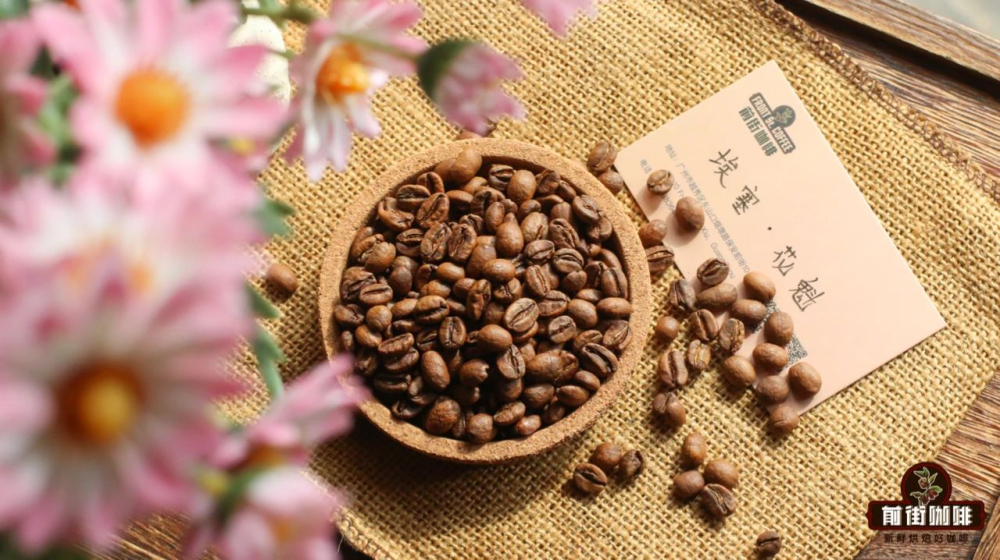
Brewing a well-known washed coffee using the above parameters typically brings out aromas of citrus and black tea. As the temperature cools, you may also notice lingering notes of cream, caramel, and almond. The overall mouthfeel is clean and refreshing, with a pronounced sweetness, making it an excellent classic washed coffee for both beginners and everyday enjoyment.
The above content is compiled by CoffeeHunters, a coffee news website.


