







Introduction:To brew a pour over coffee with balanced flavor, the key lies in mastering core parameters such as grind size, water temperature, filter type, and coffee-to-water ratio. This article takes two beans with different roast levels—Ethiopia Yirgacheffe Guddina and Brazil Queen Estate—as examples to analyze the brewing strategy differences between light and dark roasts, and delves into the relationship between concentration and extraction rate in the SCA Golden Cup extraction theory. Whether you’re a beginner or an advanced enthusiast, you’ll find practical tips to improve your pour over quality here.
The charm of pour over coffee lies in the subtle variations each cup can offer, but to consistently extract a well-balanced cup, it’s essential to precisely control key parameters such as grind size, water temperature, filter selection, and coffee-to-water ratio. Through a practical brewing comparison of Ethiopia Yirgacheffe Guddina (light roast) and Brazil Queen Estate (dark roast), this article takes you deep into the brewing logic of different roast levels, and explains how the golden range of 1.15%-1.45% concentration and 18%-22% extraction rate in the SCA Golden Cup extraction theory affects the final flavor profile.
In recent years, compared to milk-based espresso drinks, more enthusiasts have chosen to brew their own pour over coffee. After experiencing the terroir characteristics of various coffee regions, many consumers begin trying to recreate the professional flavors of coffee shops at home, yet often encounter the frustration of "why can’t I brew the same taste at home as in the café?" Common questions include: what is the ideal water temperature for pour over? How should I determine the grind fineness of coffee? Below, we’ll systematically outline the foundational parameter logic of pour over brewing.
Using Ethiopia Guddina and Brazil Queen Estate as examples, these two beans represent the typical characteristics of light and dark roasts respectively. The brewing process uses a three-pour method, with a fixed coffee-to-water ratio of 1:15, but brewing strategies are adjusted according to the characteristics of each bean variety.
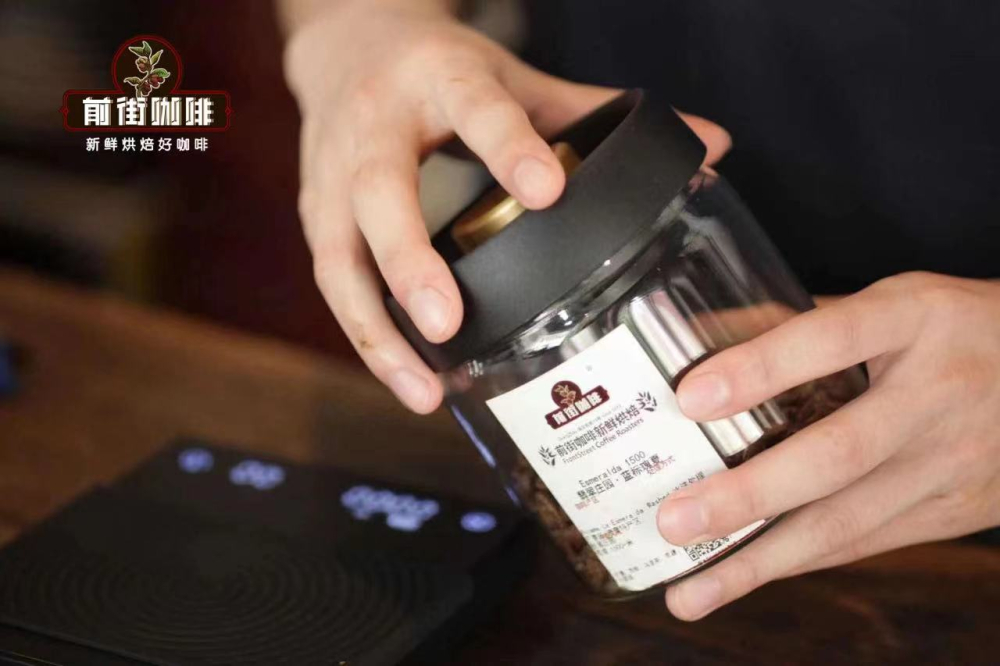
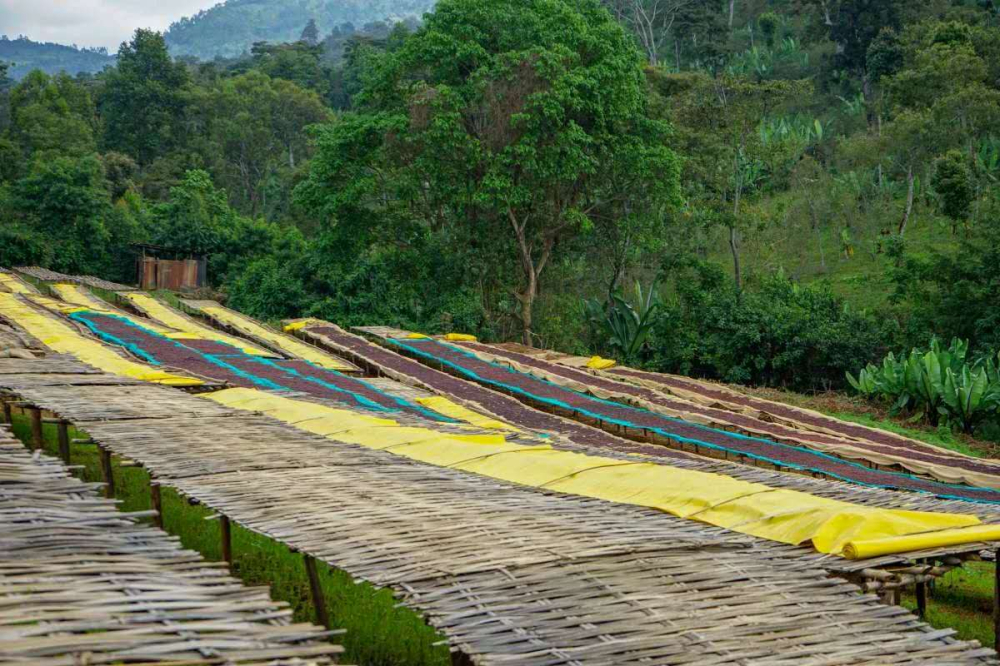
Ethiopia Guddina comes from the Yirgacheffe region, grown at an altitude of about 2000-2100 meters. This area features significant day-night temperature differences and mineral-rich soil, was once part of the Sidamo region, and was later designated as a separate region due to its unique jasmine floral aroma. This washed processed bean from the Guddina Cooperative (established in 2012 with around 300 member farmers) is roasted at a medium-light level by the roaster to highlight its floral-fruity acidity and bright mouthfeel. The brewing parameters are set as follows:Water temperature: 92°C, medium-fine grind (80% passing through a 20-mesh sieve according to Chinese standards), Hario V60 filter.
Brazil Queen Estate’s Yellow Bourbon variety exhibits distinctly different characteristics. Grown in the Mogiana region of São Paulo state at an altitude of 1400-1950 meters, this estate has won the Brazilian COE competition 12 times since its inception in 1999. Yellow Bourbon, known for its thick mucilage layer (rich in sugars) discovered in southeastern Brazil in the late 17th century, delivers a more pronounced sweetness after small-batch sun-drying. The roaster uses a medium-dark roast to enhance its full-bodied texture, adjusting the brewing parameters as follows:Water temperature: 88°C, medium-coarse grind (75% passing through a 20-mesh sieve), KONO filter.
Grind size setting must be closely linked to roast level: light roast beans have thicker cell walls and require a finer grind (e.g., Guddina at 80% passing rate) to increase the contact surface with hot water; dark roast beans release internal substances more easily, so a coarser grind (e.g., Queen Estate at 75% passing rate) is recommended to avoid over-extraction. Medium roast beans fall in between (75% passing rate). During actual testing, you can use a standard 20-mesh sieve to verify the sieving rate.
Water temperature control follows thermodynamic principles: the higher the temperature, the greater the kinetic energy of water molecules, and the higher the efficiency of substance extraction. For dark roast beans, it is recommended to use86-88°Cto suppress the release of bitter substances; for light to medium roast beans,90-93°Cwater temperature is suitable to fully bring out acidity and aroma. Note that water temperature should be measured as the actual temperature when it enters the coffee bed.
Filter selection directly affects extraction efficiency: the Hario V60’s 12 long and short ribs (arranged at a 60-degree angle) along with a large-diameter base create a relatively fast flow rate (suitable for high-acid, bright beans like Guddina), reducing the risk of over-extraction; the KONO filter has a smooth bottom and shorter ribs, with the filter paper tightly adhering to the cup wall to slow down water flow (ideal for dark roast beans like Queen Estate), extending contact time to extract a fuller body.
A 1:15 coffee-to-water ratio is a commonly used industry benchmark, with actual tested concentrations typically falling within the 1.30%-1.36% range, corresponding to an extraction rate of 17.86%-18.69%. The SCA Golden Cup standard defines the ideal range as 1.15%-1.45% concentration and 18%-22% extraction rate—going beyond this range may lead to flavor imbalance. However, personal taste preference remains the ultimate deciding factor, and it’s recommended to adjust parameters to find your own optimal flavor balance point.
The above content is compiled by CoffeeHunters, a coffee news website.


