







Introduction:Kenya AA-grade coffee beans are renowned for their bright acidity and berry-like aroma, with their unique double-washed processing and strict grading system being the key factors. This article delves into the workings of the 72-hour fermentation process, helps you understand the common flavor characteristics of the Kenya growing region, and provides professional-level pour over parameters, including water temperature, coffee-to-water ratio, and pulse pouring techniques, allowing you to easily achieve the perfect balance between vibrant acidity and rich body.
Within the landscape of fine specialty coffees in East Africa, Kenyan coffee holds a solid place in the hearts of global coffee enthusiasts thanks to its uniquely bright fruit acidity and rich mouthfeel. This article will comprehensively break down the essence of Kenya AA-grade coffee beans—from processing methods and regional characteristics to practical brewing techniques—to help you master every critical step from bean selection to brewing.
The most distinctive hallmark of Kenyan coffee lies in its full-bodied layers of acidity and delicate sweetness, not only showcasing clear berry notes but also subtly exuding a wine-like body and caramel aftertaste. The key to creating this unique flavor profile lies in the local “72-hour double-washed fermentation process” and the rigorous grading system based on green bean size.
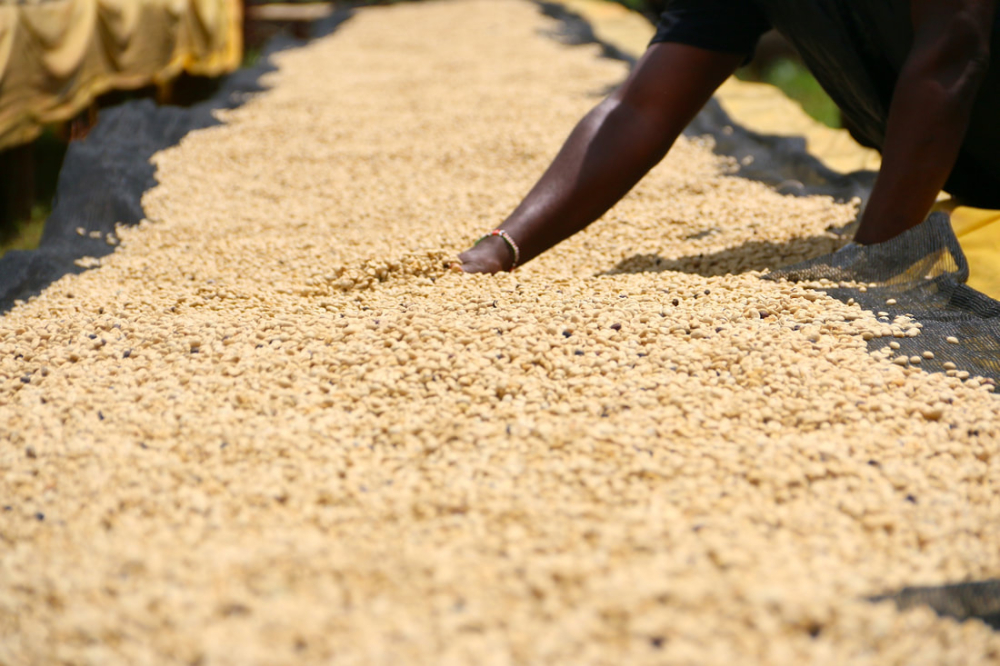
The so-called double-washed process means that coffee cherries are rigorously sorted on the day of harvest, with only the highest-quality ones selected before their outer skins are removed, immediately entering the fermentation stage. The first fermentation lasts 24 hours, after which the beans are thoroughly rinsed with clean river water, followed by a second round of fermentation, also lasting 24 hours. This process is repeated for three rounds, totaling 72 hours. This fermentation occurs in a relatively low-temperature environment and progresses slowly, effectively enhancing the purity and complexity of the flavors, ultimately delivering a more three-dimensional acidity and fruity aroma.
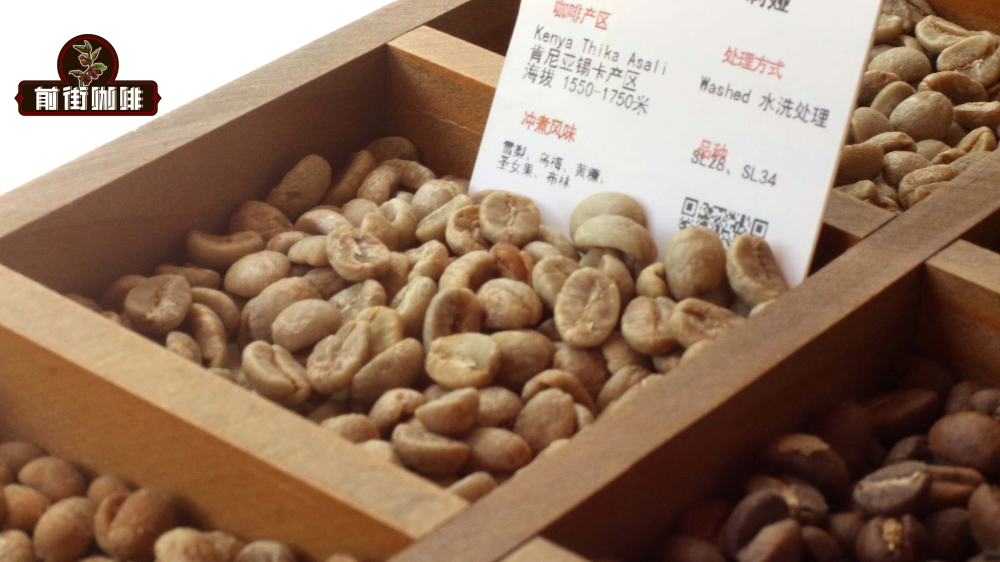
Kenya’s coffee grading system is primarily based on bean size, with the highest grade being AA, followed by AB. Generally speaking, the larger the bean, the more intact and plump its structure, which not only results in more stable performance during roasting but also helps highlight the clarity of the flavors. Although different growing regions such as Nyeri, Kirinyaga, and Kiambu exhibit subtle differences in flavor nuances, they all maintain the signature bright acidity and berry foundation of Kenyan coffee, making its distinctive terroir instantly recognizable upon tasting.
When you choose a Kenya AA bean processed using the double-washed method, you can experience a sweet-and-sour balance that combines juiciness with layered complexity. This bean not only features clean and bright acidity but also carries unique notes reminiscent of cherry tomatoes and dark plums, making it highly suitable for pour over enthusiasts who enjoy distinctly fruity and full-bodied flavors.
In terms of brewing parameters, it is recommended to use a slightly higher water temperature to fully bring out the fruity sweetness, typically suggested to be set at93°C. As for the coffee-to-water ratio,1:16is a golden ratio that balances richness and clarity—even if you expand the ratio, it won’t dilute the flavors easily but will instead showcase the harmony between dark plum acidity and cherry tomato aroma.
The amount of coffee used should be adjusted according to the size of your filter cone. If using a small-sized V60, you can use15 gramsof coffee grounds; for a large-sized V60, it is recommended to start with25 gramsto help stabilize the flow rate and ensure even extraction.
For pouring techniques, it is advisable to avoid wide circular movements or excessive stirring to reduce channeling effects and ensure even saturation of the coffee bed. In practice, this can be divided into three phases: First, pour30mlof water for a 30-second bloom; the second phase involves pouring120ml, moving in a circular motion from the center outward, and then returning to the center once a golden foam forms on the surface—by this time, the coffee bed height will reach abouthalfof the short ribs of the filter cone; the final phase involves pouring90ml, slowly circling within a coin-sized area until the coffee liquid has completely dripped into the server. The total extraction time should be controlled around2 minutes (allowing a 10-second margin).
This approach effectively highlights the cherry tomato aroma and sweet fruity notes of Kenyan beans, while maintaining the solid presence of dark plum acidity, allowing you to recreate a professionally balanced flavor profile even when brewing at home.
The above content is compiled by CoffeeHunters, a coffee news website.


