







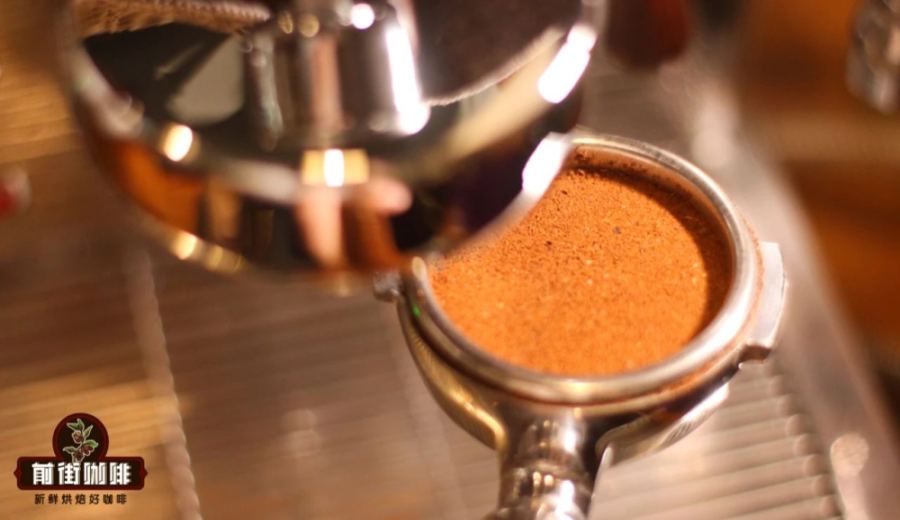
Introduction:Brewing a richly crema-ed, aromatic espresso at home hinges on selecting the right beans and mastering proper extraction techniques. This article delves into how bean variety, roast level, and freshness influence crema performance, explores the flavor profiles of classic blends and single-origin beans, and details practical extraction parameters such as coffee-to-water ratio and pressure stability to help you elevate your home espresso game.
To craft a homemade espresso with a captivating golden crema and bold aroma, the first step is choosing the right coffee beans. It’s essential not only to consider bean freshness but also understand how variety, origin, and roast level affect the final flavor. This guide starts with the basics of coffee bean storage and degassing, then gradually explains the science behind crema formation, compares common blends and single-origin beans, and finally walks you through key extraction parameters—so you can brew pro-level espresso at home.
Freshness & Rest Period: The Foundation of Crema Performance
For an ideal espresso, the beans should ideally be roasted within five days prior to brewing. This preserves richer aromatic layers and helps form a delicate, stable crema. It’s recommended to use beans within five to twelve days post-roast—a period known as the “rest period.” Skipping this phase may cause excess CO₂ inside the beans to mix with the crema during extraction, resulting in a thick but less refined crema that collapses quickly, while also dulling overall flavor expression.
Variety & Roast: Key Factors Influencing Crema
Commercial coffee beans generally fall into three categories: Arabica, Robusta, and Liberica, though Liberica is rarely used due to its scarcity and muted flavor profile. Typically, Arabica beans, grown at higher altitudes, offer more elegant aromas and diverse flavor notes—such as floral, fruity, or chocolatey—but naturally contain lower oil content. In contrast, Robusta, cultivated at lower elevations with stronger disease resistance and higher yields, is usually dark roasted and boasts visibly higher oil levels, along with bolder, more intense flavors.
From an origin perspective, Arabica beans from the Americas and Asia generally outperform African beans in crema performance, making them common in espresso blends. Additionally, roast level plays a significant role: the darker the roast, the more pronounced the surface oils. As such, most espresso beans are medium-dark to dark roasted.
Classic Blend Profiles: Mamba Style & Dark Cocoa Notes
Classic espresso blends often combine beans from different regions to achieve both flavor balance and optimal crema. A common example is a blend based on Brazilian and Mandheling beans, with a touch of Robusta, delivering rich caramel, butter, and dark chocolate notes—ideal for those who prefer a full-bodied cup, and frequently used in lattes to highlight deep cocoa aromas and creamy texture.
Another budget-friendly option is a blend of Yunnan small-bean varieties and Brazilian Red Bourbon, typically medium-dark roasted for balanced acidity, sweetness, and bitterness. Suitable for home users seeking consistency without breaking the bank, this blend produces a bright cup for Americano and enhanced sweetness when milk is added—making it a barista-recommended everyday choice.
Single-Origin Espresso (SOE): A Taste of Origin
If you prefer purer, more distinctive flavors, single-origin espresso beans (SOE) are worth exploring. For instance, Indonesia’s Golden Mandheling, rigorously sorted, offers pronounced spice, herbal, and dark chocolate notes with a full body and long finish—excellent for espresso and also versatile for pour-over or moka pot brewing.
Another premium Brazilian bean highlights creamy, nutty, and toasted bread aromas with subtle cane sugar sweetness—suited for those who enjoy mellow profiles. When milk is added, it evokes the comfort of hot cocoa, making it perfect for lattes or cappuccinos.

Extraction Parameters & Techniques: Pressure, Ratio & Crema
Even with the right beans, improper extraction can hinder crema quality. First, stable extraction pressure is crucial—an ideal espresso machine should maintain around 9Bar. Many home machines, using vibration pumps, struggle to sustain consistent pressure throughout, potentially leading to thinner crema.
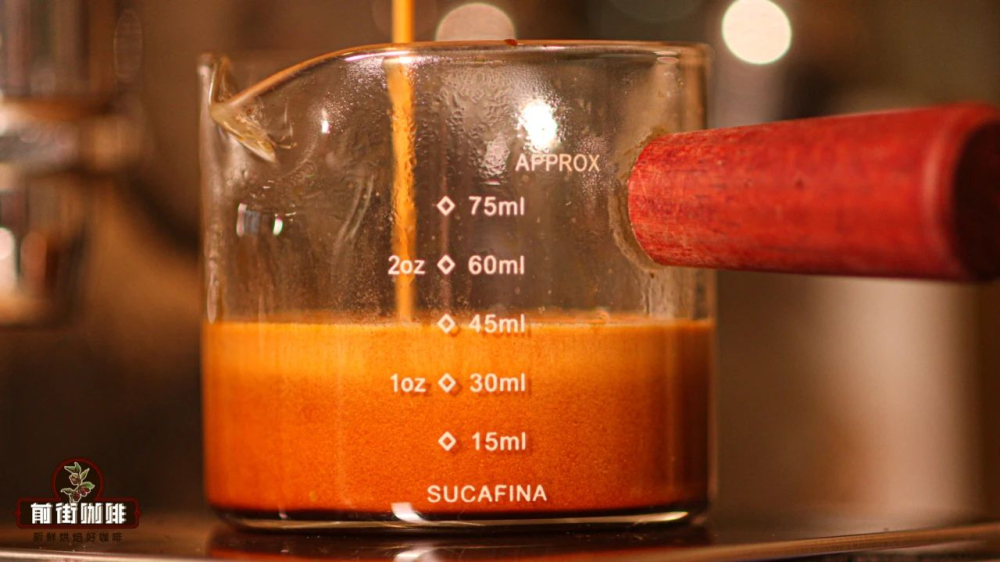
Additionally, coffee-to-water ratio is critical. Many assume more extracted liquid means more crema, but in reality, espresso flows from dark brown to brown-yellow, then gold, and finally pale yellow—a visual cue that crema density fades over time. Later-phase liquid has thinner oils, and over-extraction can degrade overall quality.
Aim for a 1:1.8 to 1:2 ratio—for example, using 20g of coffee to yield 40g in 30 seconds. This range helps achieve a rich, layered espresso with pronounced crema.
The above content is compiled by CoffeeHunters, a coffee news website.


