







Introduction:Typica, as one of the oldest Arabica coffee varieties, has given rise to many renowned coffees from classic growing regions, such as Jamaican Blue Mountain and Hawaiian Kona. This article delves into the botanical characteristics, historical development, growing conditions, and why Blue Mountain Typica can achieve its unique flavor profile. It also provides practical pour over recommendations and roasting references to help you better understand the mysteries of this classic variety.
Typica is a classic variety beloved by many coffee enthusiasts and one of the oldest lineages within the Arabica species. It is known for its bright acidity, good balance, and delicate aftertaste. Its representative growing regions include Jamaican Blue Mountain and Hawaiian Kona. However, many people still misunderstand Typica, even confusing it with Robusta. In fact, Typica is not only not Robusta, but it is also the origin of many high-quality Arabica varieties. This article will explore Typica’s uniqueness from the perspectives of botanical features, historical background, cultivation conditions, and the special terroir of the Blue Mountain region. It also includes practical pour over and roasting parameters to help you discern the differences and better appreciate its value.
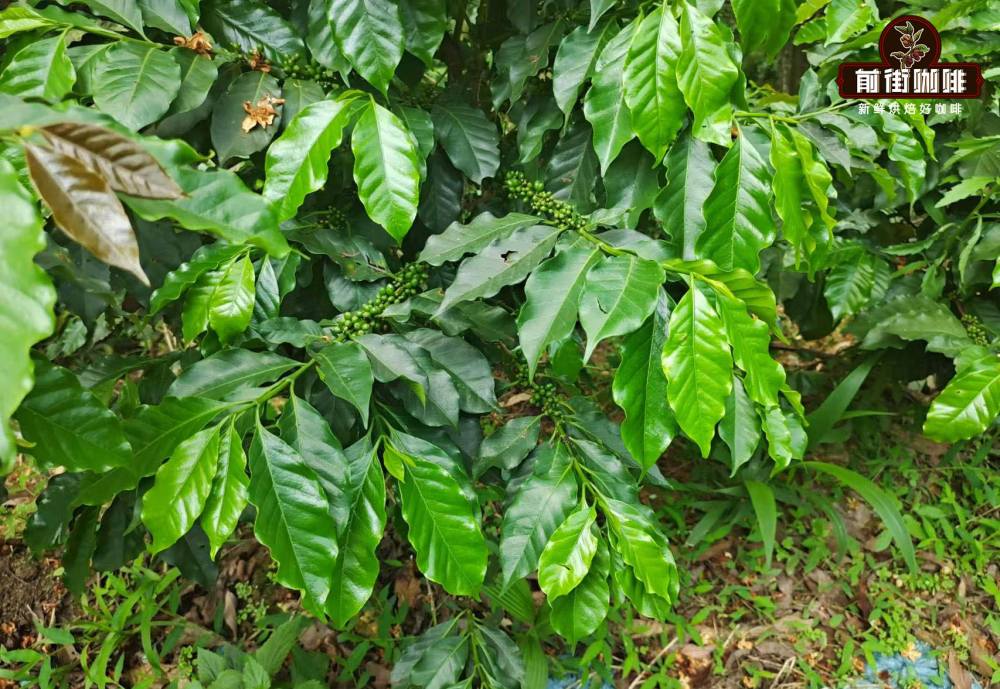
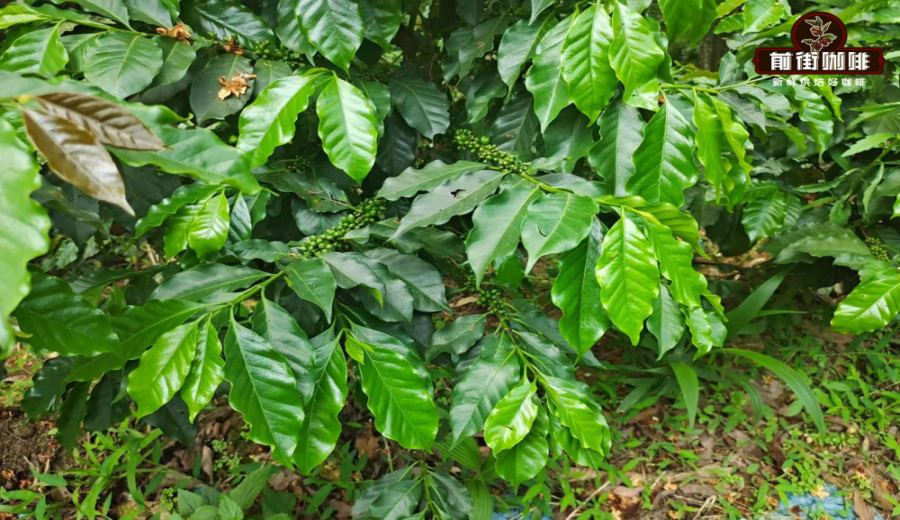
The appearance of Typica coffee trees is distinctly different from other varieties. The plants are relatively tall, typically reaching up to 5 meters (approximately 16.5 feet), making harvesting difficult. Their leaves turn a distinctive bronze color upon maturity, while the coffee beans are long and oval-shaped, tapering at both ends, resembling the shape of an egg. This shape is also one of the key identifying features of Typica. In terms of flavor, Typica generally exhibits bright citrus acidity, a clean mid-palate, and a naturally sweet aftertaste, with an overall flavor profile that is clear and elegant. However, it also has several drawbacks, such as extremely weak disease resistance, being almost defenseless against issues like leaf rust and fruit diseases. Coupled with slow growth and low yield, its economic benefits are limited for most commercial growers, leading many regions to gradually replace it with higher-yielding varieties such as Catimor.
The origin of Typica is generally believed to be southwestern Ethiopia. Around the 15th to 16th centuries, it was introduced to Yemen through human collection, and from there, it spread globally via religious and trade routes. Historical records indicate that the earliest coffee introduced to Yunnan, China, were Typica seeds brought by French missionaries. Later, in pursuit of higher yields, it was gradually replaced with other high-yielding varieties such as Catimor. Typica is extremely particular about its growing environment, preferring high altitudes and locations with significant day-night temperature variations. Generally, the higher the altitude, the slower the coffee cherries ripen, which is more conducive to the accumulation of flavor compounds, resulting in richer aromatic profiles. Ideal cultivation conditions also include ample rainfall, moderate sunlight, and fertile soil that is loose and well-drained. These conditions limit the planting range of Typica and increase its cultivation difficulty.
The global spread of Typica is closely tied to several historical events. In 1720, French naval officer Gabriel de Clieu went to great lengths to bring Typica seedlings to Martinique in the Caribbean, marking an important starting point for subsequent plantings in the Americas. In 1725, the British governor of Jamaica introduced 7,000 Typica seedlings from Martinique and planted them in the Blue Mountain region. After more than two centuries of local adaptation, Blue Mountain Typica not only adapted to the region’s unique island microclimate but also developed improved resistance to certain diseases, such as coffee berry disease, outperforming Typica from other regions.
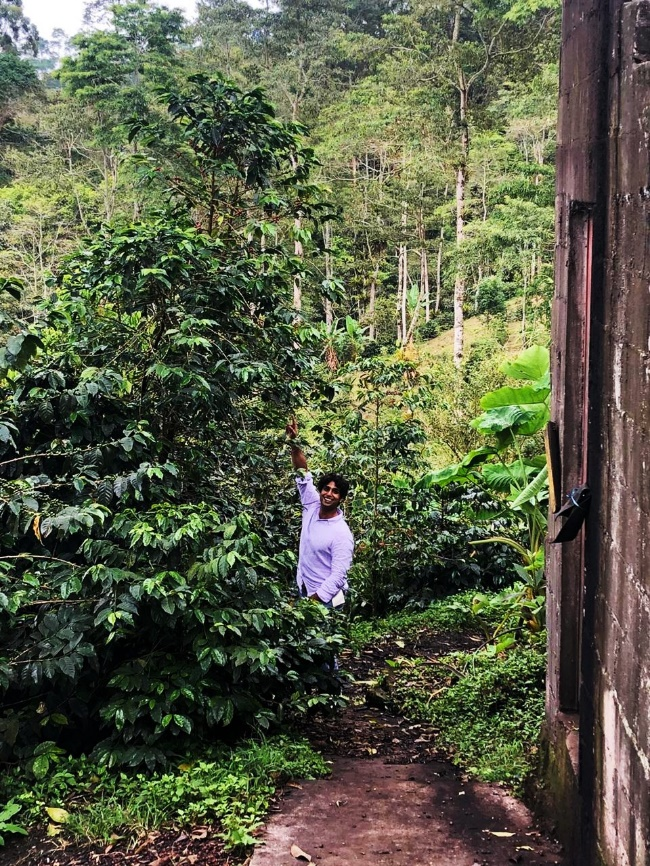
The reason Blue Mountain coffee has become a global representative of top-tier coffee is inseparable from its growing environment. The Blue Mountain range is surrounded by the sea, creating a unique island-type tropical rainforest climate with distinct wet and dry seasons and excellent drainage. Combined with volcanic soil rich in minerals, the coffee trees grow healthily under moderate natural conditions without excessive reliance on artificial irrigation and fertilization. Local growers often intercrop coffee with banana trees, which not only provide shade but also help maintain soil moisture and nutrients. The CIB (Coffee Industry Board) strictly regulates the production area of Blue Mountain coffee, limiting it to only Typica coffee grown within the Blue Mountain range at elevations between 910 and 1700 meters, covering a total area of about 6,000 hectares, to be labeled as “Blue Mountain coffee.” The high altitude and cool climate in this region slow down the ripening process of coffee cherries, aiding in the deeper development of aroma and flavor.
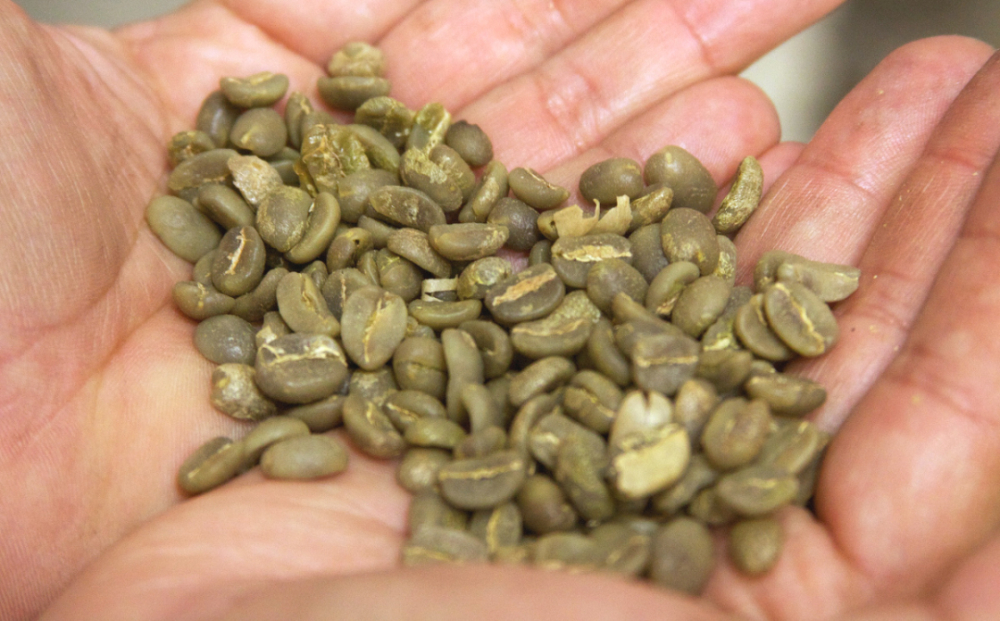
However, even with such a privileged environment, the yield of Blue Mountain Typica remains limited. Due to poor disease resistance, low individual plant yield, and challenging harvesting conditions caused by steep terrain, only about 900 tons of coffee beans meet the Blue Mountain certification standards each year, accounting for less than 15% of Jamaica’s total production. The harvested coffee cherries are usually immediately processed using the washed method to remove the pulp and flesh, followed by a meticulous drying process to ensure the quality of the green beans. The imported Jamaican Blue Mountain No. 1 coffee green beans are known for their uniformly plump beans and bright bluish-green color. After medium-dark roasting, they can fully showcase aromas of chocolate and nuts, while retaining soft acidity and sweetness, delivering an overall balanced and refined profile.
To fully express the flavor potential of Blue Mountain Typica, it is recommended to use medium-dark roasting and highlight its layers through appropriate pour over techniques. Commonly used pour over tools include the KONO filter cone, whose smooth upper curve design allows the filter paper to adhere more tightly, paired with immersion-style extraction, which helps enhance overall richness and body. Other tools such as the Kalita wave dripper or a French press can also bring out delicate flavors. The grind size is recommended to be around 75% passing through a #20 sieve, roughly the coarseness of coarse sugar, with a water temperature of approximately 88°C, using a 1:15 coffee-to-water ratio. A three-stage pouring method is suggested: the first stage involves pouring 30 grams of water and steeping for 30 seconds; the second stage pours up to 125 grams, waiting for the water level to drop before pouring the final stage up to 225 grams, with a total extraction time of about 2 minutes.
The finished Blue Mountain No. 1 coffee exhibits rich dark chocolate and roasted hazelnut aromas at higher temperatures, with a full-bodied mouthfeel and a distinct almond aftertaste. As the temperature lowers, delicate creaminess, caramel aromas, and gentle acidity gradually unfold, with a long-lasting finish. It is recommended to enjoy the coffee within 5 days after roasting, when the flavors are at their peak, allowing you to fully experience the unique charm of Blue Mountain Typica.
The above content is compiled by CoffeeHunters, a coffee news website.


