







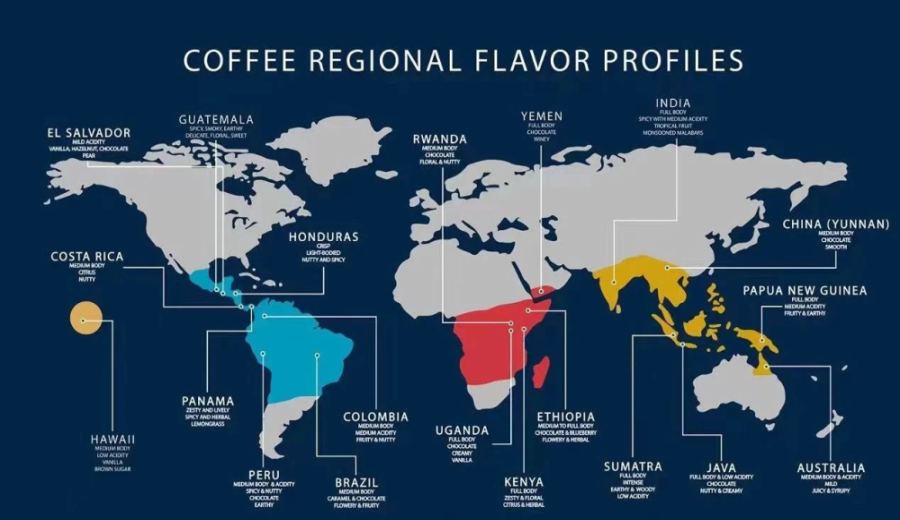
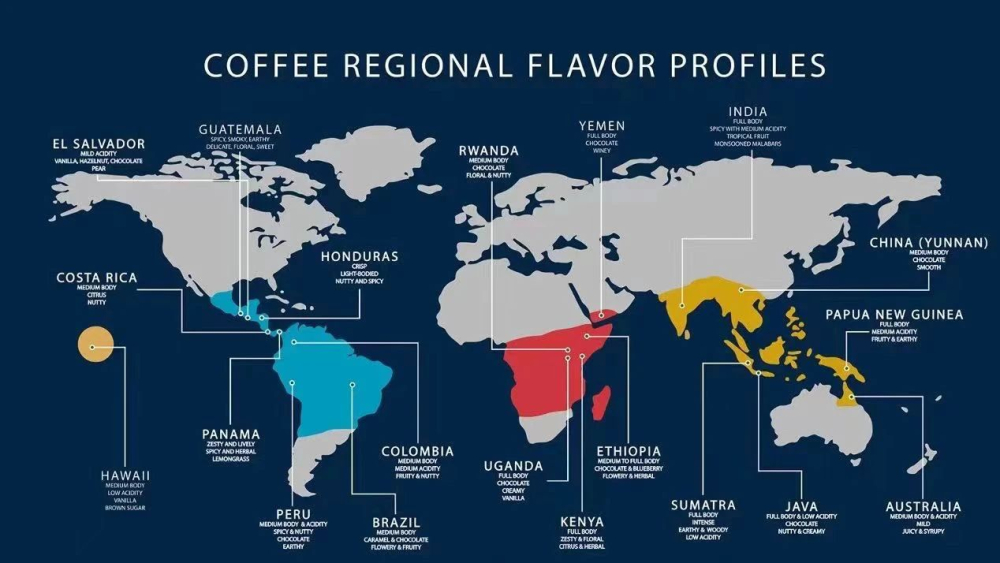
Introduction:Take an in-depth exploration of three representative coffee-growing regions in Asia: Yunnan in China, Sumatra in Indonesia, and Papua New Guinea. From mainstream varieties and classic processing methods to unique flavor profiles, this article provides a detailed analysis of the characteristics of coffees from these regions, helping you understand how different processing techniques influence final flavors. It also offers purchasing and tasting advice, allowing you to better appreciate the diverse charm of Asian coffee.
When selecting coffee beans, starting with the basic flavor profiles of the region and then choosing based on the characteristics of specific farms makes it easier to find coffee that suits your taste. Asian coffee-growing regions are known in the global market for their rich, full-bodied flavors and pronounced sweetness, among which Yunnan in China and Mandheling in Indonesia are the most representative. This article will focus on these two major regions, analyzing in depth their cultivated varieties, common processing techniques, and resulting flavor characteristics. It will also introduce the unique qualities of Papua New Guinean coffee, helping you fully grasp the essence of premium Asian coffee.
Major coffee-producing countries in Asia include China, Indonesia, Vietnam, India, and Papua New Guinea. The coffee from these regions generally exhibits a rich and bold taste, but due to differences in geography, climate conditions, and altitude, each has its own distinct flavor direction. Take Yunnan as an example—this once-obscure Chinese coffee region has now become an important supply source in both domestic and international markets. Its coffee is renowned for its brown sugar and nutty base notes, with a smooth and layered flavor profile.
Yunnan, China: Bold Flavors Nurtured by Plateau Red Soil
Located south of the Tropic of Cancer, Yunnan features a subtropical mountain climate with moderate temperatures and significant day-night temperature variations. Coupled with mineral-rich plateau red soil, it is highly suitable for growing small-bean (i.e., Arabica) coffee. The earliest varieties introduced to Yunnan included Typica and Bourbon, but due to their weak disease resistance and low yields, they were gradually replaced by the Catimor variety. Catimor is a hybrid of Brazil’s Caturra and Timor, which carries Robusta genes. It offers good resistance to leaf rust and high productivity, making it the dominant planting variety in Yunnan today.
Yunnan’s coffee-growing areas are mainly concentrated in Lincang, Baoshan, Pu’er (formerly Simao), Xishuangbanna, and Dehong. Among them, Baoshan is considered the most suitable region for growing small-bean coffee due to its stable climate, an average annual temperature of about 21.5°C, and almost no frost. The coffee produced locally often features prominent fruity and chocolatey notes, with a brown sugar sweetness and nutty flavor base, delivering a full-bodied and layered mouthfeel.
In terms of processing methods, Yunnan coffee has gradually diversified in recent years to include washed, natural, and anaerobic processes, but washed processing still dominates. The traditional washed process includes: sorting, pulp removal, fermentation, washing to remove residual mucilage, followed by drying and hulling. This method effectively reduces astringency and highlights fruity acidity and a clean taste. Many consumers, when trying Yunnan washed beans for the first time, often perceive a harmonious flavor profile of nuts, cream, and distinct brown sugar sweetness—making it ideal for everyday drinking or as an entry-level pour over choice.
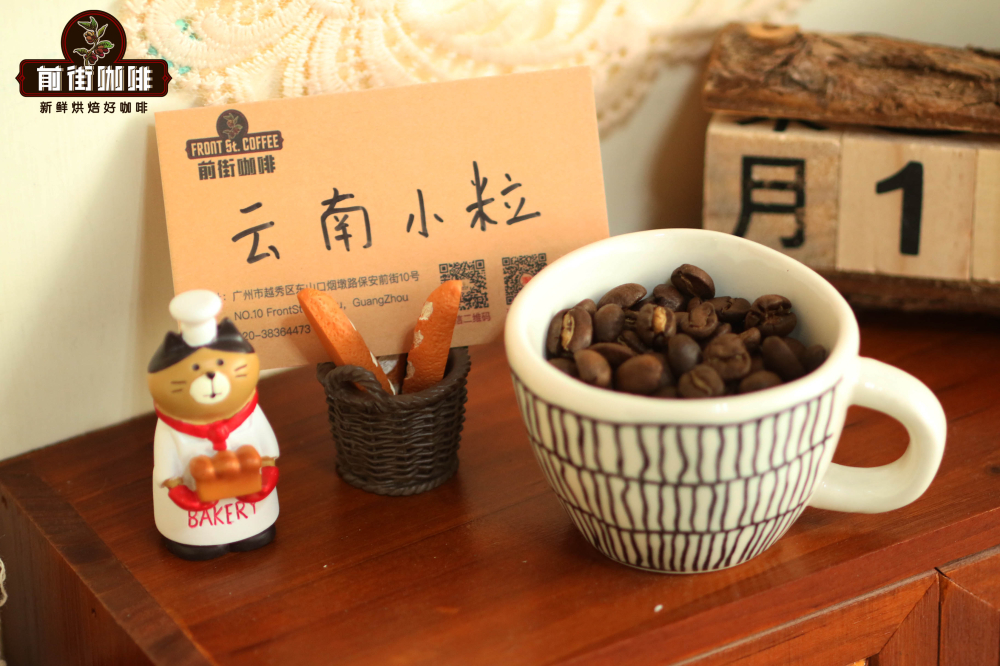
If you’re just beginning to explore Asian coffee, it’s recommended to start with Yunnan washed beans to experience their bright acidity and well-balanced, full-bodied taste—an ideal entry point for understanding the foundational flavors of this region.
Indonesia: Classic Herbal Flavors via Wet-Hulling
Indonesian coffee is best known for Mandheling from Sumatra, characterized by intense herbal and medicinal aromas, a thick mouthfeel, and a long aftertaste. This unique flavor partly stems from the region’s distinctive “wet-hulling” (Giling Basah) processing method. The history of Indonesian coffee dates back to the 17th-century Dutch colonial period, when Arabica was primarily planted. However, following a devastating leaf rust epidemic, disease-resistant Robusta was extensively cultivated, and to this day, Robusta accounts for over 90% of the country’s coffee production. Nevertheless, Arabica from northern Sumatra, especially the Mandheling variety, remains steadfast thanks to its unique processing method and regional flavor profile.
Mandheling is mainly produced around Lake Toba in Sumatra, including regions such as Lintong and the so-called Golden Mandheling. Though all these areas fall under the Mandheling category, each has its own distinct traits: Lintong Mandheling showcases typical herbal and earthy notes; Golden Mandheling, through high-standard selection, features uniform bean size and refined processing, resulting in a cleaner taste and more pronounced sweetness; aged Mandheling, after long-term storage, sees its acidity transform into rich sweetness, offering a deeper flavor; and Tiger Mandheling is distinguished by its strong herbal and spice aromas, appealing to those who prefer bold flavors.
The Processing Method of Indonesian Coffee Beans – Wet-Hulling
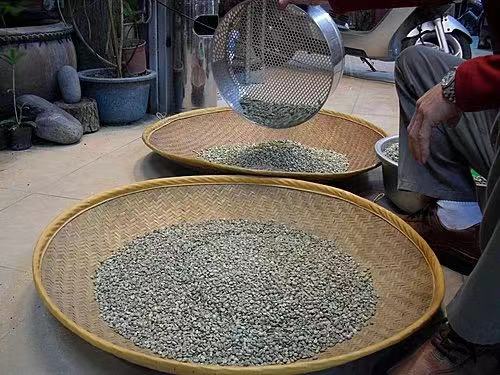
Indonesian wet-hulling is an efficient processing method adapted to high-humidity climates. The process involves removing the skin and pulp, undergoing short fermentation, and then scraping off the parchment layer before the beans are fully dried, rapidly reducing the moisture content to 12–13%. This practice often leaves unique marks on the bean surface, commonly referred to as “elephant footprints,” which are normal and not defects. Because the beans remain semi-dried during processing, they are prone to developing unique compression textures and fermentation flavors, contributing to Mandheling’s bold, earthy, and herbal character.
There is also an aged wet-hulling method, where processed green beans are stored for two to three years, allowing the acidity to gradually transform into rich sugary notes—ideal for advanced coffee enthusiasts seeking complex flavors.
Papua New Guinea: Fresh Acidity from Highland-Grown Beans
Though its production volume is not as high as Indonesia’s or Vietnam’s, the quality and flavor profile of Papua New Guinean (PNG) coffee have long been highly regarded. Approximately 90% of the coffee is grown by smallholders, predominantly using washed processing, with a small portion of natural beans. The overall flavor is highlighted by bright acidity, floral and fruity notes, and sugary sweetness—echoing the characteristics of South American coffee.
The “Bird of Paradise Coffee” produced by PNG AA Sigri Estate is the country’s star product. It is said to originate from the Typica variety of Jamaica Blue Mountain, thus inheriting Blue Mountain’s finesse and aroma, while also integrating the unique characteristics of the local highland climate—offering a balanced, sweet-and-acidic profile with layers of complexity. For those seeking a different Asian coffee experience, PNG coffee provides a choice that is both refreshing and complex.
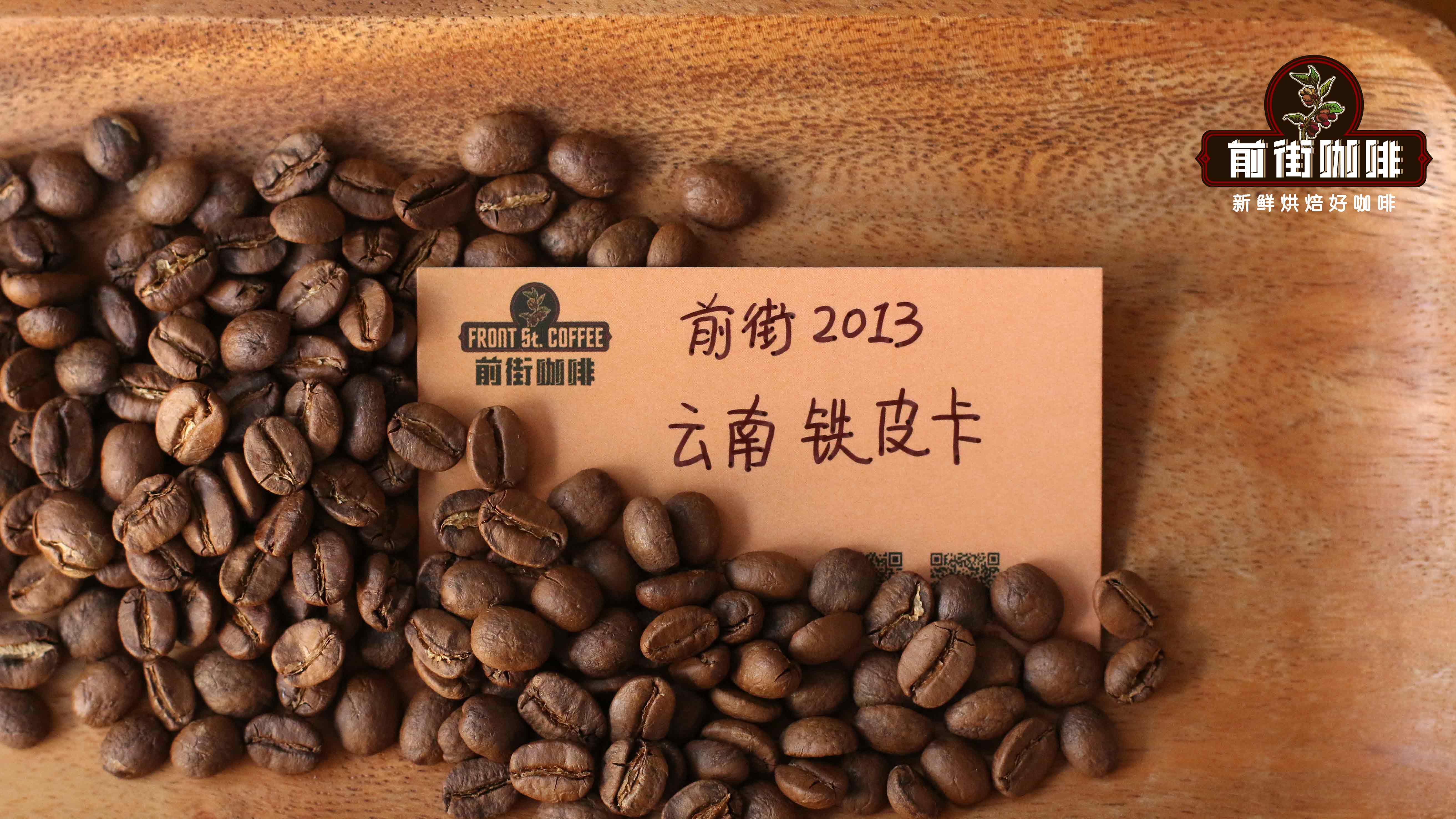
In summary, the charm of Asian coffee-growing regions lies in their diversity: from Yunnan’s rich sweetness, to the herbal intensity of Indonesian Mandheling, to the bright fruit acidity of Papua New Guinea—each region showcases its own unique personality due to differences in geography, processing, and variety. Whether you’re a pour over beginner or an advanced taster, understanding the characteristics and processing methods of these regions can help you select, brew, and enjoy a premium Asian coffee more precisely.
The above content is compiled by CoffeeHunters, a coffee news website.


