








Introduction:Dive deep into the red honey-processed Villalobos variety coffee beans from Finca Villa Casa in Costa Rica’s Central Valley. From the terroir of the growing region and processing methods to roasting and pour over extraction, this article provides a comprehensive analysis of the unique flavors of this high-altitude SHB-grade coffee. Practical pour over parameters and steps are included to help you brew a richly layered, sweet coffee experience at home.
Costa Rica is globally renowned for its innovative and eco-friendly honey processing methods, with the red honey-processed SHB-grade coffee beans from its Central Valley being a classic representation of this technique. This article will detail the red honey-processed Villalobos variety coffee from Finca Villa Casa, covering everything from regional terroir and varietal characteristics, to processing details, a certain brand’s roasting strategy, and pour over recommendations—helping you understand how to bring out the bean’s bright acidity and rich sweetness through proper extraction.
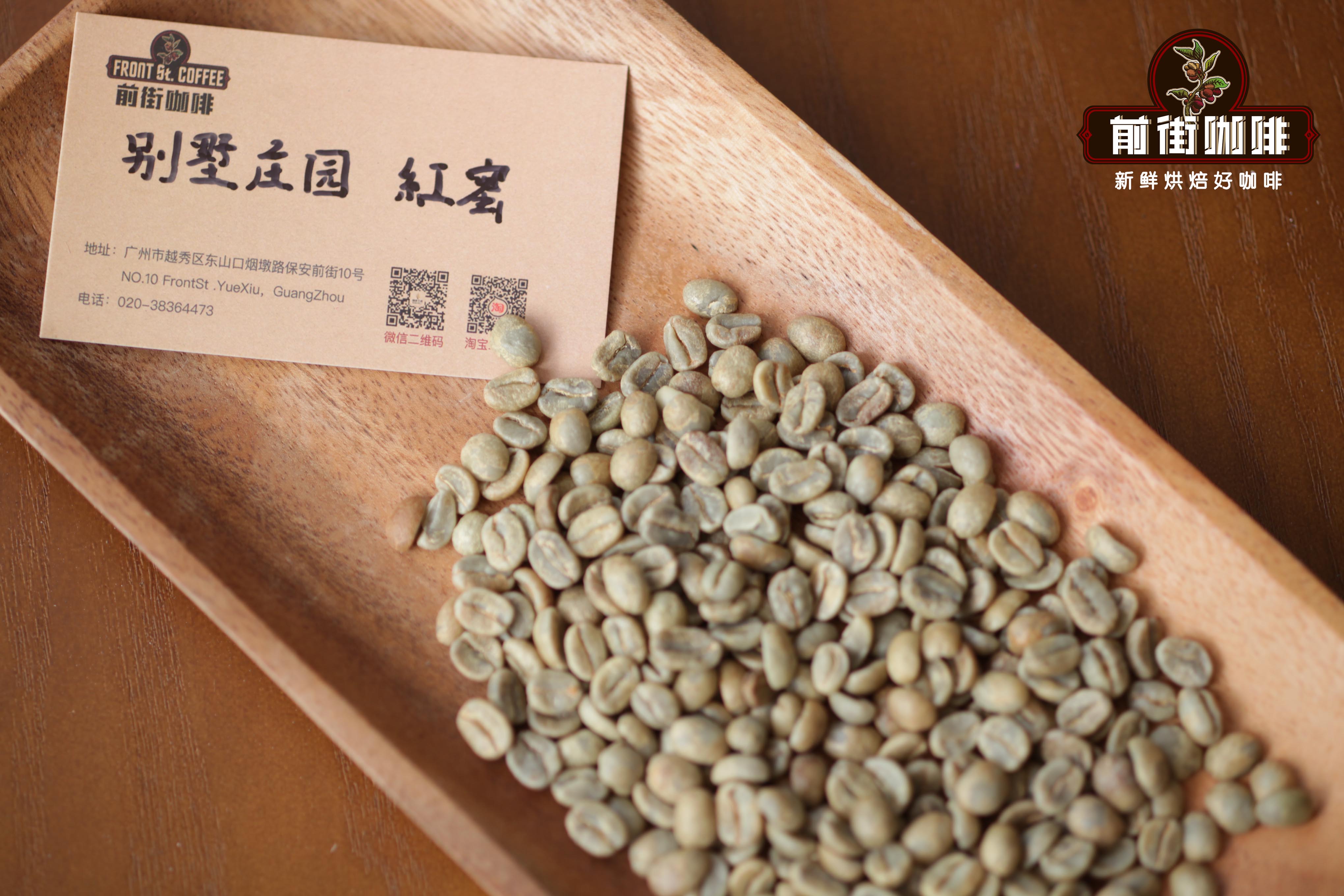
These coffee beans come from Finca Villa Casa in Costa Rica’s Central Valley, whose Spanish name means “Farm of Many Houses.” The farm is situated in a volcanic soil region at an altitude of about 1,500 meters, with stable climatic conditions and moderate day-night temperature differences—providing an ideal environment for coffee growth. Since taking over the family business in the 2000s, farm owner Carlos and his wife have been committed to refining planting and processing techniques, and are known for their strict quality control.
In terms of the growing region, Costa Rica is located in Central America, and its modified “dry processing method”—known as honey processing—has become an iconic feature of the country’s coffee industry. Compared to traditional washed processing, honey processing not only reduces water usage by about 95%, but also cuts water pollution by up to 90%. This method preserves more pulp and sugars, thereby enhancing the coffee’s sweetness and complexity.
The Central Valley is surrounded by mountains, features flat terrain and fertile soil, and is home to about three-quarters of Costa Rica’s population. Temperatures here range between 15–30°C, varying slightly with altitude and orientation—with altitudes between 800 and 1,500 meters being particularly suitable for specialty coffee cultivation. The influence of trade winds results in a cooler and more stable microclimate in the west, creating optimal growing conditions for high-quality coffee.
This coffee is made from the Villalobos variety, a natural mutation of Bourbon with a dwarfing gene, similar to Pacas and Caturra. This variety was first discovered in the Alajuela province of Costa Rica during the 1950s–1960s, and later cultivated through rigorous pedigree selection. It’s worth noting that Villalobos is rarely grown outside of Costa Rica, making it a specialty coffee variety unique to the country.
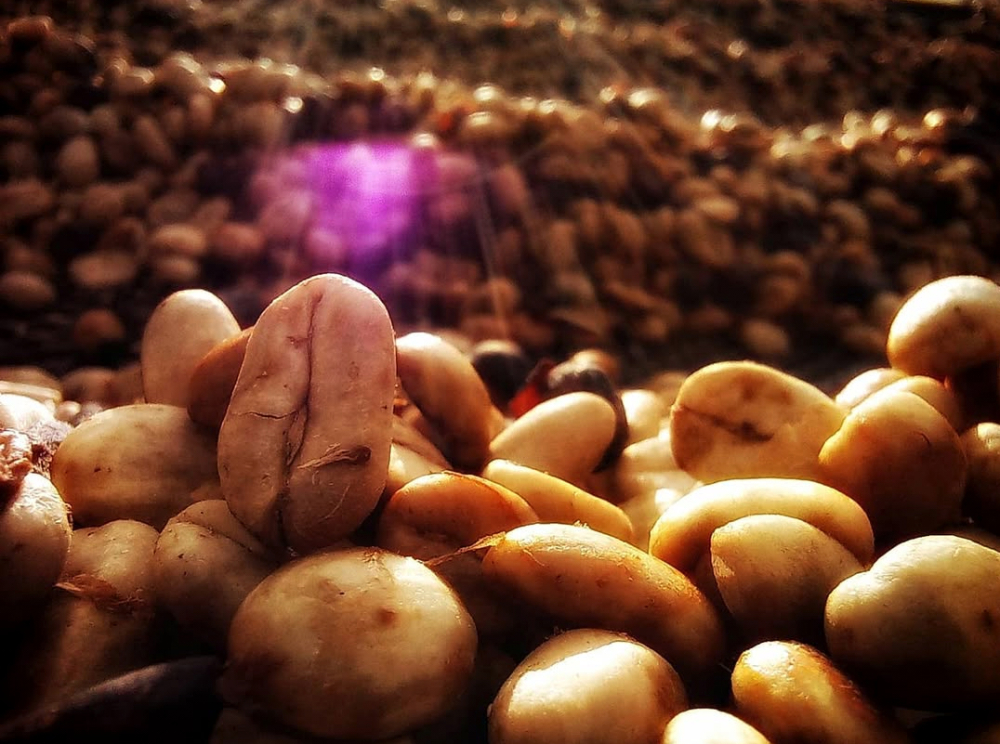
For processing, Finca Villa Casa employs the red honey process, which is part of the honey processing family. This method retains about 70% of the fruit mucilage and involves sun drying for approximately 12 days under shaded conditions. Throughout the process, the harvesting team only selects coffee cherries that are a bull’s blood red in color, and due to the strict quality control, even skips the floating tank stage in wet processing. Staff must clean their shoes before entering the drying area to ensure the coffee fruit remains uncontaminated, maintaining high hygiene standards throughout the processing environment.
A certain brand has applied a medium-light roast to this red honey-processed bean, aiming to highlight its bright acidity and natural sweetness. The roaster specifically extended the development phase to allow the sweet aromas to fully develop. In cupping, these beans exhibit clear fruity notes and moderate body, making them well-suited for coffee lovers who enjoy a layered profile with a long-lasting aftertaste.
If you’d like to try pour over brewing this coffee at home, it is recommended to use a V60 #01 filter, with water temperature controlled between 90–91°C, a coffee dose of 15 grams, and a 1:15 coffee-to-water ratio. The grind size should be medium-fine (approximately equivalent to 80% passing through a standard Chinese No. 20 sieve). For the specific pour over process, you can follow this three-stage extraction: start with a 30-second bloom using 30 grams of water, then pour in a small circular motion until you reach 125 grams for the first pour; when the water level drops close to exposing the coffee bed, pour again to 225 grams and stop; finally remove the filter when the water level nears the coffee bed once more. The total extraction time is recommended to be around 2 minutes, which helps effectively balance acidity, sweetness, and aroma.
In summary, the red honey-processed Villalobos SHB coffee beans from Finca Villa Casa in Costa Rica, thanks to their high-altitude cultivation, meticulous processing, and unique varietal traits, showcase distinct fruitiness, soft acidity, and enticing sweetness. With the right roasting and pour over techniques, you too can easily enjoy this specialty coffee from the Central Valley at home.
The above content is compiled by CoffeeHunters, a coffee news website.


