







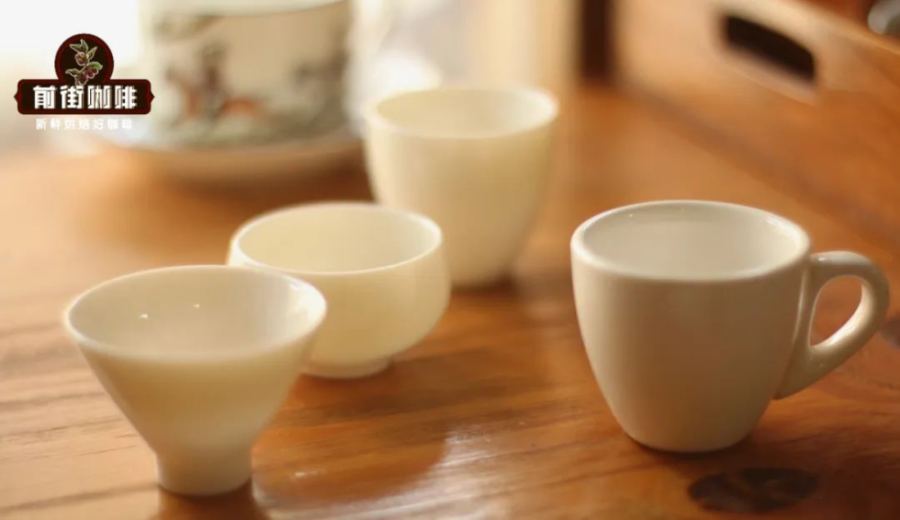
Introduction:Drinking coffee isn’t just about choosing the right beans and brewing method—the cup plays an equally crucial role. This article takes an in-depth look at how different types of cups, through their material, thickness, and rim design, influence temperature retention, aroma release, and taste experience. You’ll understand why certain cup shapes are especially suited for lattes, cappuccinos, or pour over coffee, helping you find the perfect vessel for the beans in your hand.
When it comes to drinking coffee, many people focus on bean origin, roast level, and brewing technique, but the “cup” is actually a vital component that affects the overall drinking experience. Different materials, thicknesses, and rim shapes subtly alter how coffee enters your mouth, thereby influencing flavor perception and overall enjoyment. This article will guide you through three key dimensions—material, wall thickness, and cup and rim design—to help you understand how various coffee cups actually impact every sip you take.
First, it’s important to clarify that the cup itself doesn’t change the concentration or the flavor compounds in the coffee, but it can regulate temperature retention, aroma release, and liquid flow path through its material properties and structural design. This allows you to perceive more details and layers of the coffee under different conditions. Simply put, even if you’re using premium beans, choosing the wrong cup can still significantly diminish your overall experience.
I. Choosing Coffee Cup Materials: Differences Between Glass, Ceramic, and Metal
Commonly used coffee cup materials on the market mainly include glass, ceramic, and stainless steel (metal), along with a few options made from plastic, wood, or bamboo. Each material has its own unique visual, tactile, and olfactory characteristics.
First is the visual aspect. Transparent glass cups allow you to clearly see the color of the coffee itself. For example, a wine-red hue usually indicates a medium to dark roast, while a slight orange tint is often seen in light roast beans. In contrast, ceramic and metal cups are opaque, making it impossible to directly judge the depth of the coffee’s color, but they can create a more grounded and substantial ambiance.
Next is heat retention. Ceramic and some thicker metal cups, due to their good heat retention properties, can effectively slow down the cooling of coffee if preheated properly—especially in winter—allowing you to enjoy your coffee at a pleasant temperature for a longer period. In comparison, glass and stainless steel dissipate heat more quickly, making them less suitable for extended sipping sessions.
Lastly, there’s the issue of taste interference. Some metal and plastic materials may carry their own odors, particularly stainless steel which often has a metallic tang, and plastics which tend to accumulate unwanted smells. These can interfere with the purity of the coffee’s aroma and the clarity of its taste—points to be especially mindful of when selecting a cup.
II. How Cup Wall Thickness Affects Mouthfeel and Grip
The thickness of a cup isn’t just about how it feels in your hand—it directly impacts heat retention and drinking comfort. Generally speaking, the thicker the cup wall, the better the insulation and the more stable the grip.
Take ceramic cups, for example. Thick walls are often used for serving milk-based coffees like cappuccinos or lattes. They help stabilize the milk foam, preventing spills, while also offering a rounder, smoother sensation where your lips meet the rim. Additionally, some cup designs incorporate a trapezoidal cross-section inside, not only helping to concentrate the aroma but also guiding the liquid flow more directly, further enhancing the overall drinking intensity.
On the other hand, thin rims—such as those found in bone china—allow the liquid to glide more gently into your mouth, making it easier to capture delicate layers of aroma, especially suitable for coffees with prominent floral or fruity notes, such as beans with citrus or blossom flavors.
III. Cup Body and Rim Design: From Wide to Narrow Rims, Greatly Influencing Flavor
The shape of a coffee cup’s rim directly affects where the liquid enters your mouth, thereby changing the initial focus of taste you perceive. Different areas of the human tongue perceive flavors uniquely, and rim design is the key to guiding the liquid toward these critical zones.
[Wide-Rimmed Cup]
Wide-rimmed cups usually have a larger opening, with the cup wall tapering slightly downward and tilting outward at about 45 degrees, resembling a conical straw hat.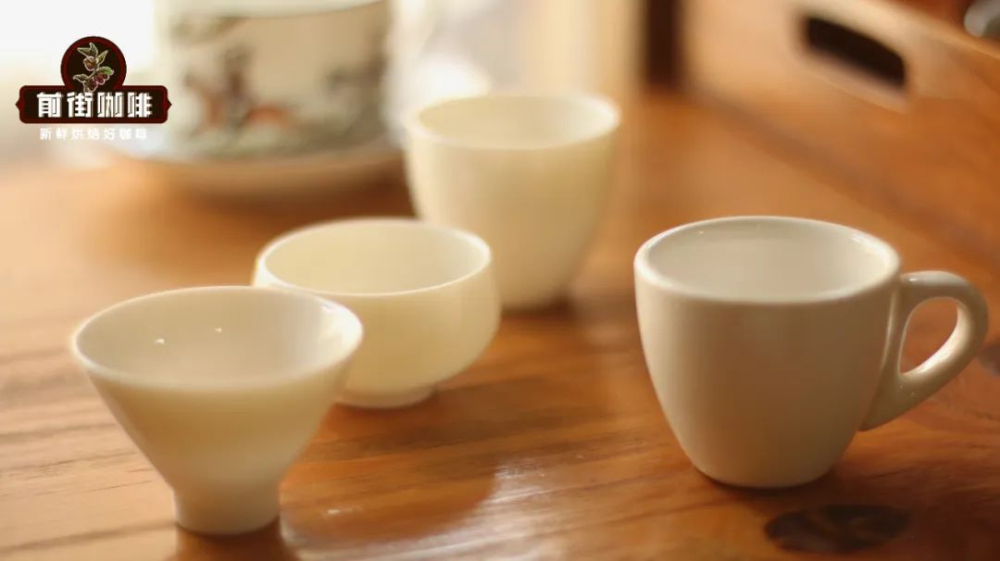 This design increases the coffee’s surface area exposed to air, causing it to cool slightly faster, but it also allows acidity and sweetness to be released earlier, resulting in a brighter, fresher acidity. It’s ideal for enjoying coffees with lively acidity and pronounced fruitiness, such as light-roasted Panamanian Geisha or Kenyan beans. Additionally, the flared rim helps lengthen the liquid’s flow path, making the flavor layers more distinct.
[Straight-Sided Cup]
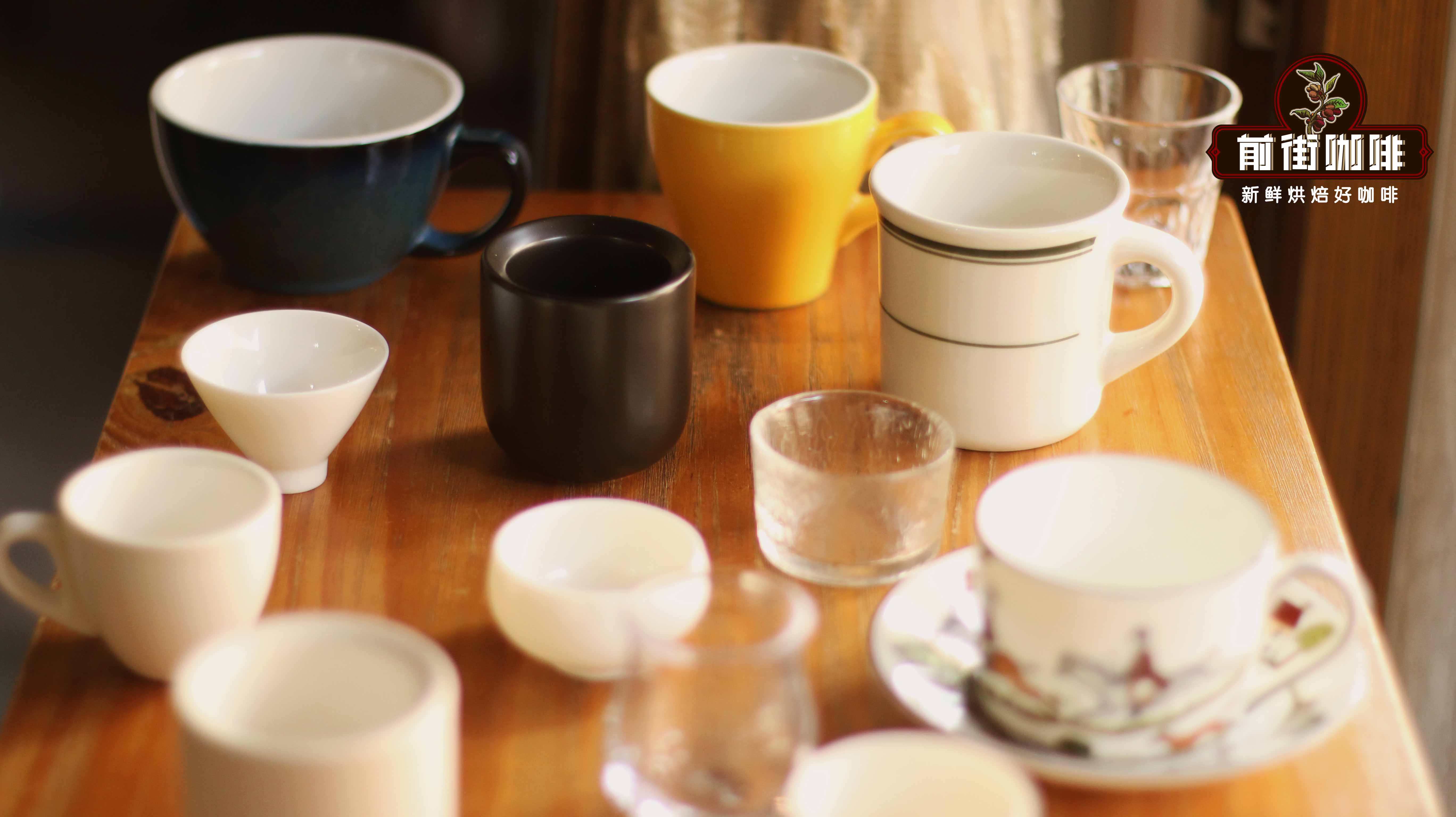
Straight-sided cups maintain a linear wall from the body to the rim, typically with a larger capacity—like the common mug. This type directs coffee straight into the mouth, delivering more immediate sensory stimulation, and is suitable for drinking at medium to high temperatures, offering a fuller, more robust mouthfeel. Although it doesn’t trap aroma as well as a narrow-rimmed cup, the straight design can help delay cooling somewhat, making it suitable for balanced blends with equal acidity, sweetness, and bitterness—like neutral-toned beans such as Papua Paradise Bird or Guatemalan Flower God.
[Narrow-Rimmed Cup]
Also known as a luohan cup, this type features an inward-tapering rim and a flared body, with an overall structure that is narrow at the top, wide in the middle, and then tapers again. This design naturally encourages you to lift your jaw higher when drinking, allowing the liquid to spread evenly across the front and back of the mouth, aiding in aroma concentration and aftertaste experience. At medium to high temperatures, narrow-rimmed cups especially highlight the coffee’s viscosity and finish, making them highly suitable for single-origin beans, such as espresso-based coffees with chocolate or nutty profiles.
Furthermore, in professional competitions or high-end shops, tasting cups inspired by wine glass design principles are also commonly seen. These combine the advantages of multiple cup styles, further enhancing aroma release, temperature control, and sweetness expression. Though pricier, they are a worthwhile investment for those seeking the ultimate flavor experience.

The above content is compiled by CoffeeHunters, a coffee news website.


