







Introduction:Ethiopia is the birthplace of coffee, where high altitudes and diverse microclimates have given rise to world-renowned specialty coffee regions. This article will take an in-depth look at six highly representative pour over coffee beans, including washed Yirgacheffe, Guji Dambi Dolicho Cooperative, natural Red Cherry, natural Hambela Konga, Harma Sheka 74158, and Kafa Forest. We’ll detail their growing environments, processing characteristics, and flavor profiles, while also guiding you on key points for selection and tasting.
When it comes to the origin of coffee, Ethiopia is undoubtedly central. This highland region located in the Horn of Africa is not only where wild coffee trees were first discovered in the world, but also home to many top-tier coffee-producing areas such as Yirgacheffe, Sidamo, and Guji. The unique geographical environment, along with rich microclimates, gives each region—and even each processing mill—coffee with highly distinctive flavor characteristics.
This article focuses on six highly acclaimed Ethiopian specialty pour over coffees. Starting from their regional backgrounds, cultivation, and processing methods, we’ll delve into their unique flavor expressions and include professional flavor descriptions to help coffee enthusiasts better understand the charm of these classic regions. We’ll also provide practical guidance on bean selection and brewing.
As the globally recognized birthplace of coffee, Ethiopia boasts an unparalleled native coffee gene pool, with thousands of coffee varieties, many of which remain scientifically unclassified. Names like Yirgacheffe, Sidamo, and Guji are not just regional codes—they are golden brands in the international specialty coffee market. Coffee is not only a vital cash crop but also deeply integrated into the daily lives and culture of Ethiopians.
The country’s landscape is dominated by highlands, with elevations typically ranging between 1,500 and 2,200 meters. Significant day-night temperature variations, distinct wet and dry seasons, and abundant moisture all contribute to favorable conditions for coffee tree growth and the accumulation of richer flavor compounds. Moreover, due to differences in microclimate, soil types, and processing methods, even neighboring regions can produce coffees with distinctly different aromatic and taste profiles.
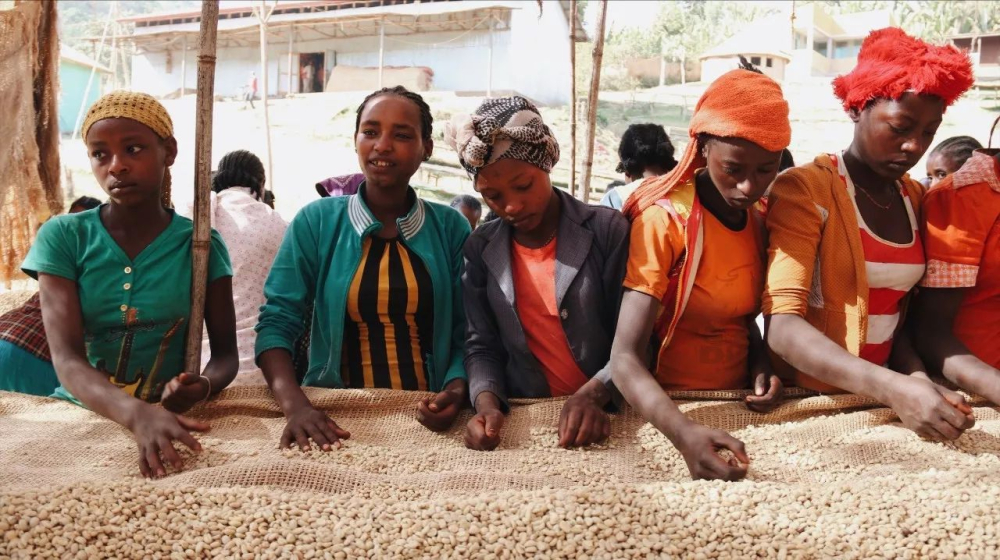
In Ethiopia, most coffee is still grown by smallholder farmers, who usually intercrop coffee trees with other plants around their homes. Individual yields are relatively low, and harvested cherries are often sent to local processing stations for post-harvest treatment. Though this traditional farming model operates on a small scale, it preserves the diversity of coffee flavors and supports the livelihoods of many local families.
Below are six highly representative Ethiopian specialty pour over coffees, each showcasing unique regional flavors and processing characteristics:
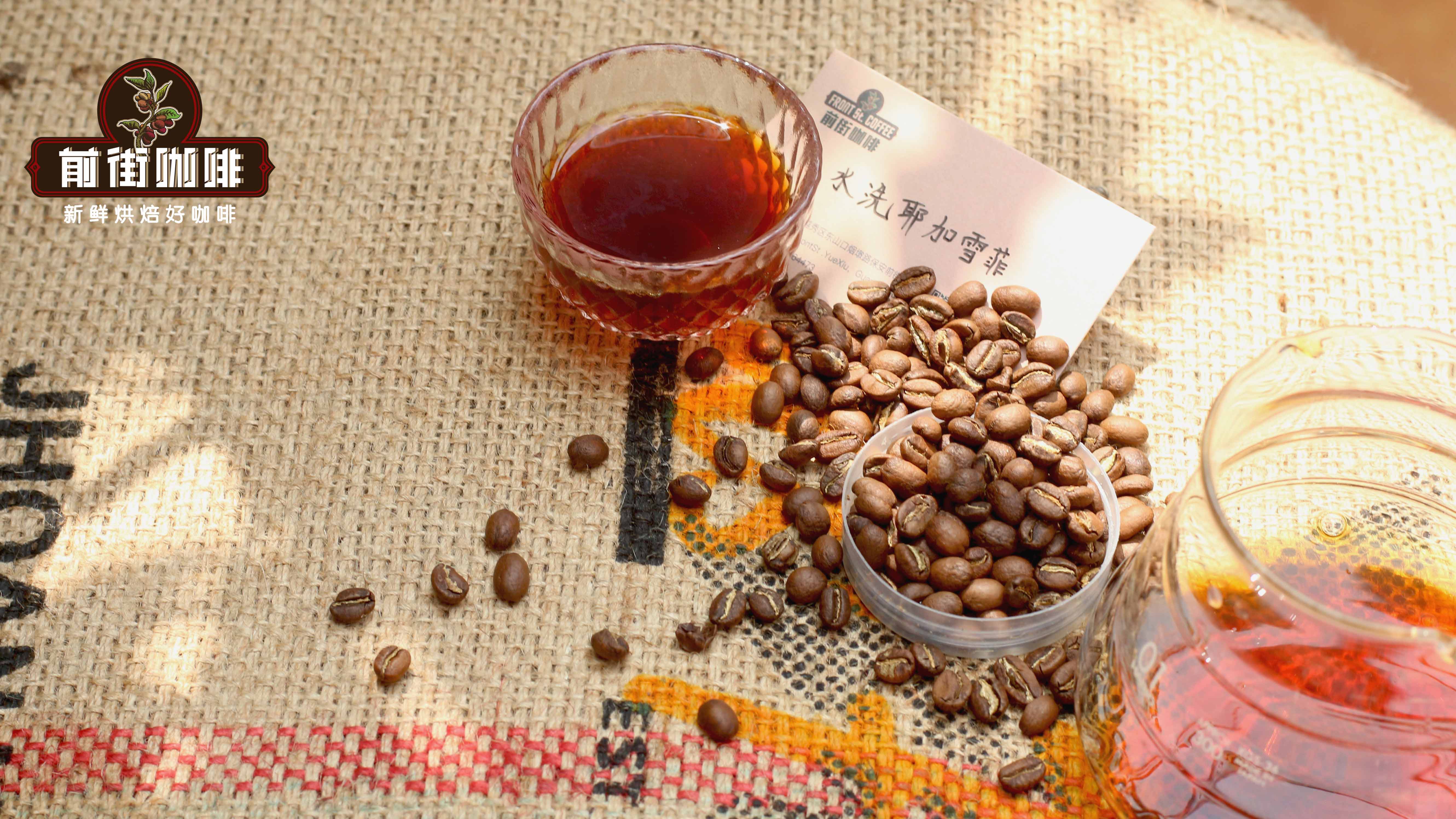
1. Washed Yirgacheffe Coffee Beans
Yirgacheffe is a town in Ethiopia’s southern highlands, situated at an altitude of approximately 1,700 to 2,100 meters, making it one of the highest-altitude coffee-growing regions in the world. The area enjoys a cool and humid climate, surrounded by Lake Tana, Lake Abaya, and Lake Chamo, which provide a stable source of moisture. Represented by the misty valleys, the area features stable temperatures, humidity, and frequent fog—ideal conditions for coffee tree growth. Coffees from this region typically exhibit pronounced citrus and lemon acidity, paired with delicate jasmine floral notes. The cup is fresh and elegant, reminiscent of drinking a fruity green tea.
2. Guji Dambi Dolicho Cooperative Coffee Beans
Located in the Wolkait region southeast of Yirgacheffe, the Guji Dambi Dolicho Cooperative was originally part of the Yirgacheffe Coffee Farmers Cooperative Union (YCFCU) but became independent in 2012, now consisting of about 300 farmers. The cooperative emphasizes a pulp-natural processing method that allows the coffee beans to retain purer original aromas. Its flavors are dominated by bright citrus and lemon notes, complemented by subtle white floral tones. The overall profile is bright and delicate, making it an excellent choice for those who enjoy fruity pour over coffees.
3. Natural Red Cherry Coffee Beans
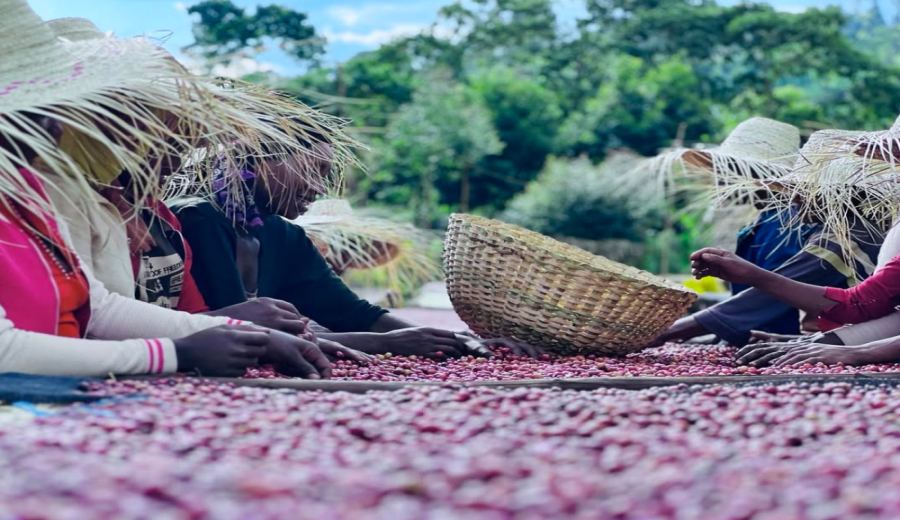
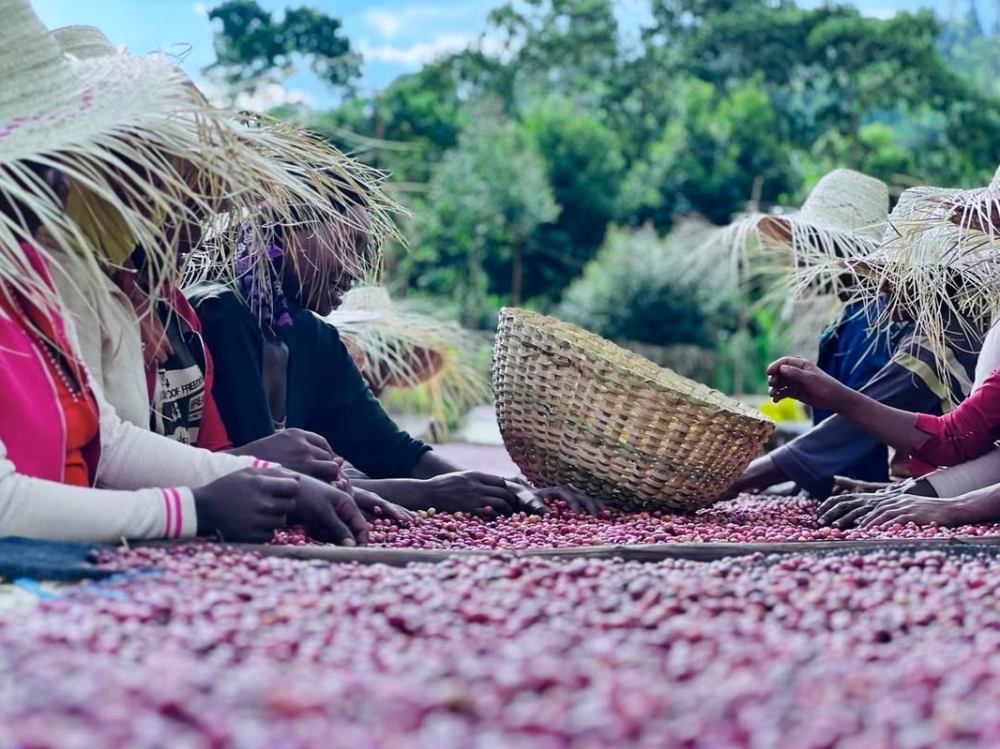
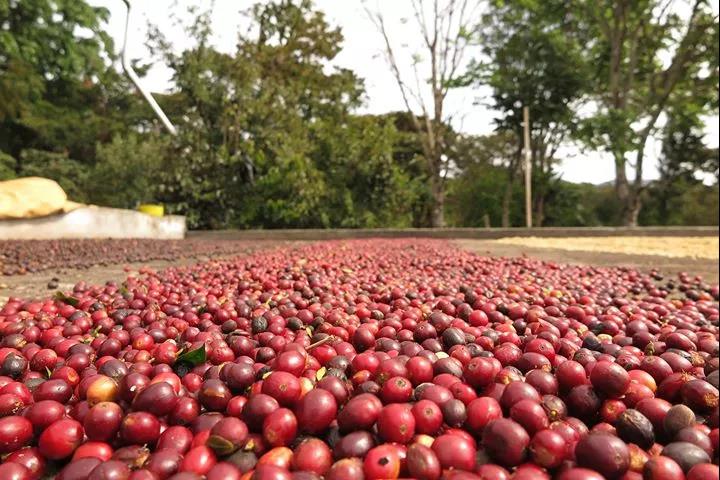
The natural (dry) processing method imparts more intense fruitiness and sugary sweetness to coffee. During this process, coffee cherries are sorted and dried in the sun for about two weeks, allowing the sugars and flavors from the fruit pulp to fully penetrate the bean core. This particular natural Red Cherry coffee showcases layered flavors of peach, cocoa, honey, and lemon. It has a sweet and complex profile, making it a must-try classic for enthusiasts who love bold fruity notes.
4. Natural Hambela Konga Coffee Beans
The Sidamo region is located in southern Ethiopia and once included what are now the Yirgacheffe and Guji areas, though it has since been independently delineated. Sidamo coffee is known for its bright acidity and rich aromatics, and compared to Yirgacheffe, its flavors are generally more intense and balanced. The natural Hambela Konga offers captivating berry and citrus aromas, blended with the sweet fruitiness of mango. Its overall flavor is as mellow and layered as black tea.
5. Harma Sheka 74158 Coffee Beans
The Harma processing station is located in the Sidamo region and is known for producing high-quality JARC 74 series varieties, among which 74158 is a small-bean variety with strong disease resistance. This variety boasts outstanding floral and fruity aromas, and although the beans are relatively small, their flavors are concentrated. When brewed, you can detect sweet notes of perfume-like lemon, strawberry, and starfruit. The cup presents prominent fruit acidity and sweetness, with a delicate floral aftertaste. It’s a top choice for coffee lovers seeking a unique flavor experience.
6. Kafa Forest Coffee Beans
Kafa Forest differs greatly from conventional farmland cultivation. Here, coffee trees mostly grow in natural shaded environments at altitudes of 1,400 to 2,100 meters and are considered wild, native varieties. The red soil, abundant rainfall, and stable microclimate offer optimal growing conditions. This Kafa Forest coffee is medium-light roasted; upon grinding, it releases white floral aromas. The cup features a fresh citrus acidity, accompanied by sweet orange and bergamot notes, with a sweet aftertaste of melon and nuts. The overall flavor resembles green tea, making it ideal for those who prefer a clean and refreshing cup.
The above content is compiled by CoffeeHunters, a coffee news website.


