







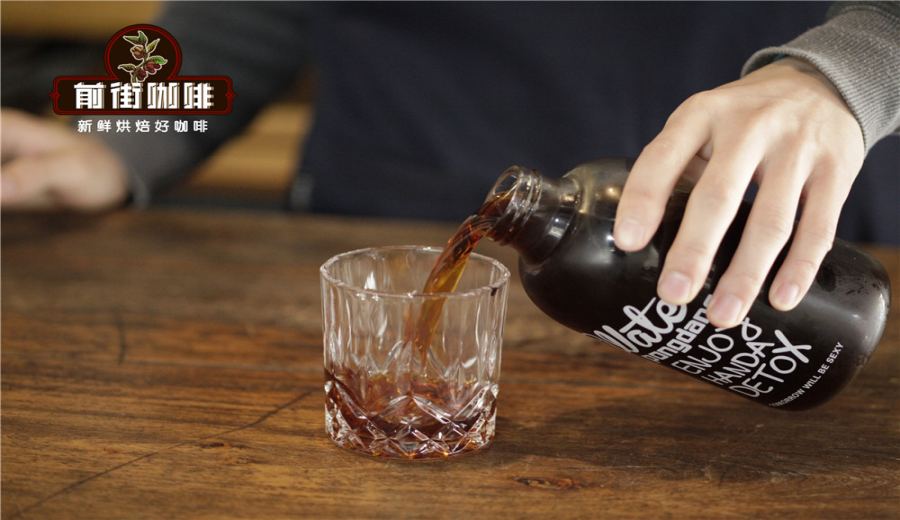
Introduction:Cold drip coffee presents unique flavors through low-temperature slow extraction, offering a striking contrast to high-temperature pour over methods. This article delves into the origins, flavor characteristics, and key brewing techniques of cold drip coffee, detailing the structure and operation steps of the cold drip tower, while also recommending suitable coffee bean types and roast levels—helping you master this refined coffee brewing art.
Cold drip coffee is a method of making coffee by slowly extracting it with low-temperature dripping water, distinctly different from common high-temperature pour over techniques. The low-temperature environment effectively suppresses the volatilization of aromatic compounds, sealing a wealth of flavor molecules within the coffee liquid, which are then released in rich intensity as the temperature rises upon drinking. This process usually takes several hours and requires refrigerated aging, hence it is more expensive but offers outstanding flavor performance. This article will guide you through a comprehensive understanding of this unique coffee brewing method—from its historical background and flavor features, to the selection of suitable coffee beans, and the actual operation of the cold drip tower.
Basic Principles and Characteristics of Cold Drip Coffee
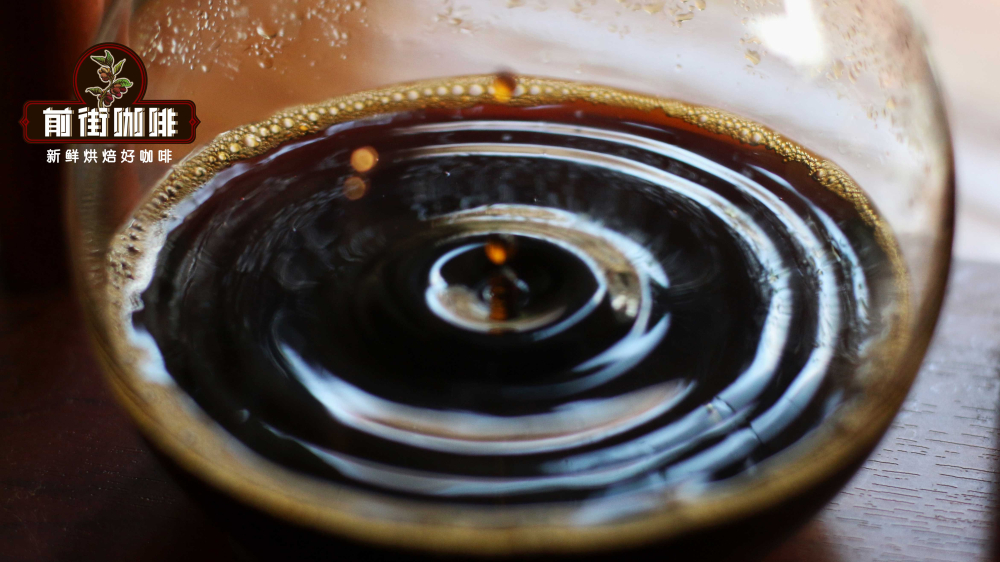
Cold drip coffee is also known as ice-brewed coffee or water drip coffee, and its English name is Ice Drip coffee. Its brewing principle utilizes naturally melted ice water that drips at a rate of several drops per minute onto coffee grounds, allowing for prolonged extraction. This low-temperature extraction method reduces the excessive release of tannic acids, avoiding noticeable astringency or off-flavors. Compared to high-temperature pour over, which quickly extracts multi-layered coffee flavors, cold drip coffee adopts a gentle and steady approach to gradually extract the essence of the coffee.
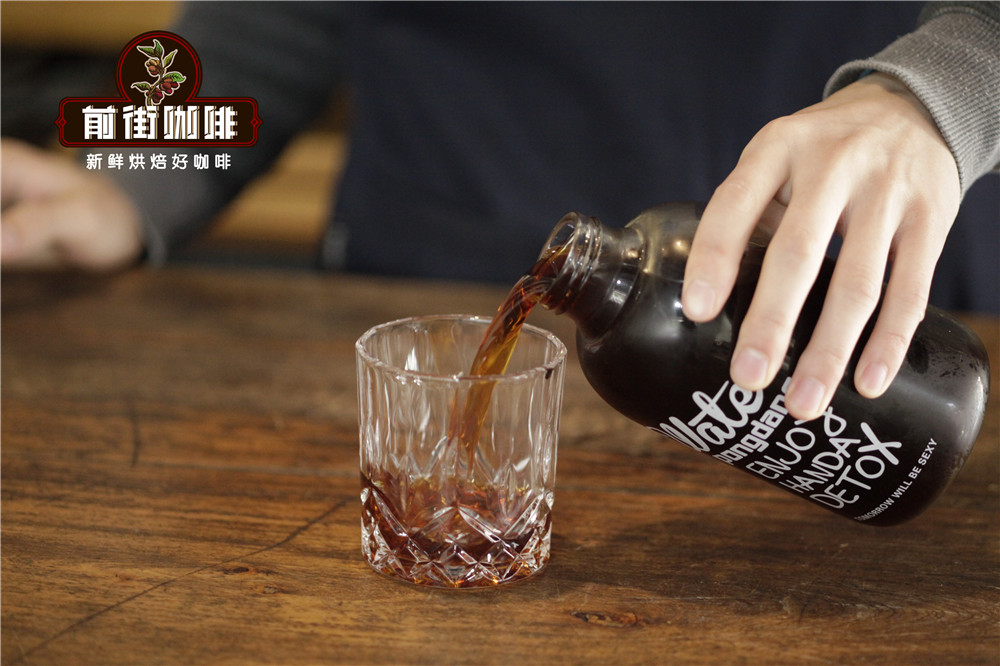
Thanks to the slow and low-temperature extraction process, the flavor compounds in cold drip coffee are fully preserved. When the coffee liquid is consumed after refrigeration, the locked-in aromas are intensely released as the temperature rises, delivering a strong aromatic burst—especially perceptible at the back of the tongue. Moreover, cold drip coffee often carries subtle fermentation notes and offers a fuller, more layered mouthfeel.
Historical and Cultural Background of Cold Drip Coffee
The origins of cold drip coffee can be traced back to 17th-century Europe, where Dutch sailors developed a cold water extraction method for coffee during voyages due to the lack of hot water onboard. This brewing technique later spread to Japan and was refined and popularized in the Kyoto region. Kyoto’s coffee enthusiasts combined chemical principles and medical equipment technology to develop specialized cold drip apparatuses, successfully recreating the Dutch sailors’ brewing method, thereby forming a unique cold drip coffee culture.
It is worth noting that although cold drip coffee is often referred to as Dutch Coffee, its connection to the Netherlands is limited; instead, it is closely related to Japan’s developmental history. In Western countries, the more common cold brewing method involves steeping coffee grounds in cold water for extended periods—known as Cold Brew—rather than the drip-style cold extraction developed in Japan.
Suitable Coffee Bean Types and Flavor Characteristics for Cold Drip
Cold drip coffee has specific requirements for coffee bean selection, with single-origin beans generally recommended to highlight their unique flavors. Coffee beans with tropical fruit and fermented wine-like profiles—such as those processed with special methods—can showcase rich fruity acidity and vinous qualities. For example, coffee beans treated with raisin anaerobic fermentation, when extracted via cold drip, can enhance their fermentation aromas, presenting intense berry and fruity flavors.
Clean and bright African beans, such as Yirgacheffe and Kenya beans, with their vibrant acidity and floral characteristics, are suitable for drinkers who prefer a refreshing taste. Sweet and flavorful dark roast beans, such as Indonesia’s Golden Mandheling and Brazil’s Queen Estate, can exhibit rich chocolate and nutty profiles. Additionally, flavored blends are also suitable for cold drip preparation; through the combination of different beans, complex and balanced layers of taste can be created.
Operation Steps and Parameter Settings for Cold Drip Towers
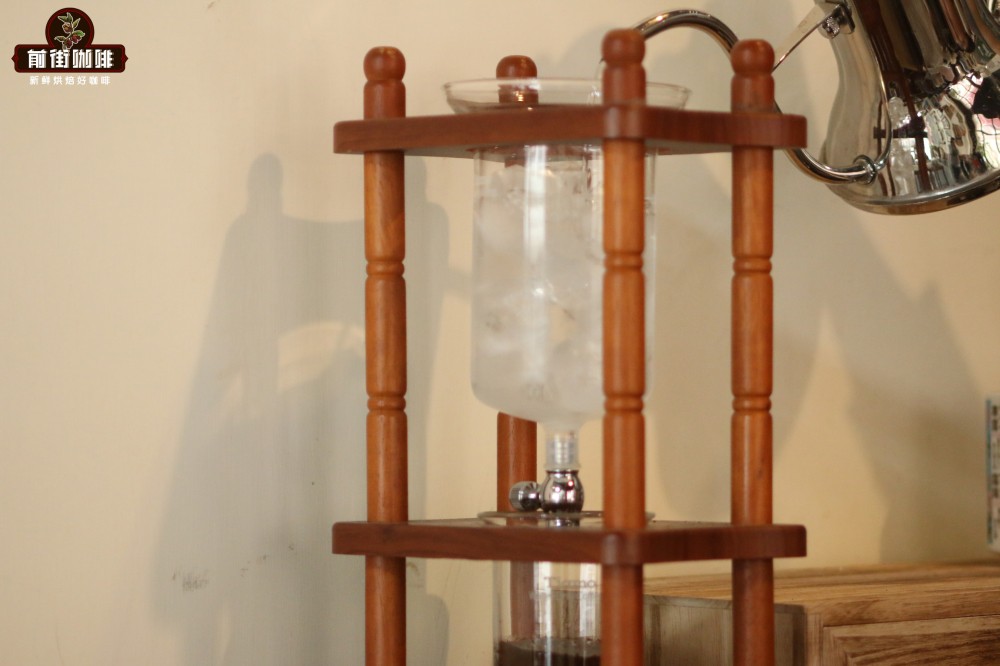
A cold drip tower mainly consists of four parts: the top chamber, valve, coffee grounds chamber, and bottom collection chamber. The top chamber holds the ice-water mixture, the middle coffee grounds chamber contains the ground coffee, and the bottom chamber collects the brewed coffee liquid. During operation, it’s important to control the valve flow rate, which is generally recommended to be adjusted to about 7 drops per 10 seconds, with the entire extraction process taking approximately 6–8 hours.
In terms of grind size, a medium-fine grind is recommended—similar to that used for ice pour over. A reference point is an 85% passing rate through a Chinese No. 20 standard sieve, roughly equivalent to the 9-setting on an ek-43s grinder. The coffee-to-water ratio is typically set between 1:10 and 1:12—for instance, using 60 grams of coffee grounds to extract 600 grams of coffee liquid. The ice-to-water ratio is advised to maintain a 1:1 balance, with the valve flow rate controlled at 7 drops/10 seconds to ensure uniform extraction.
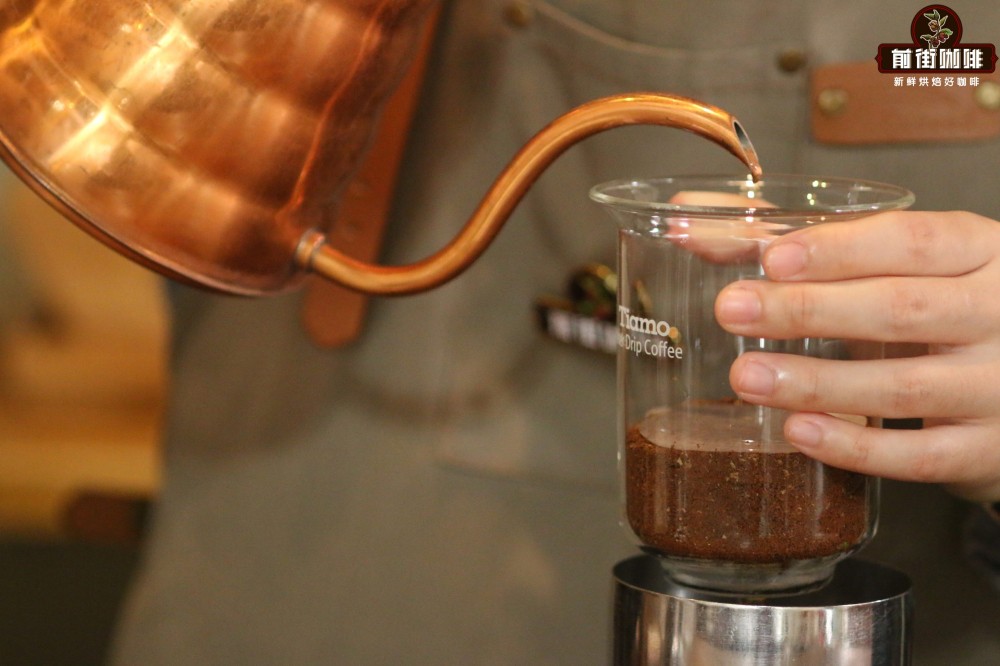
In practice, it is advisable to first moisten the coffee grounds layer with cold water to improve initial extraction efficiency. Placing a round filter paper on both the top and bottom of the grounds layer ensures even water penetration and prevents the coffee bed from dispersing. After extraction, it is recommended to refrigerate the coffee liquid for at least 12 hours to allow full release of flavor molecules, achieving better taste performance.
Practical Tips and Precautions
To achieve the best cold drip coffee flavors, it is recommended to use freshly roasted coffee beans, ideally within 5–14 days post-roast. Ground coffee should be used promptly to avoid oxidation affecting the flavor. When filling the coffee grounds, ensure the layer is flat and compact to facilitate even water permeation.
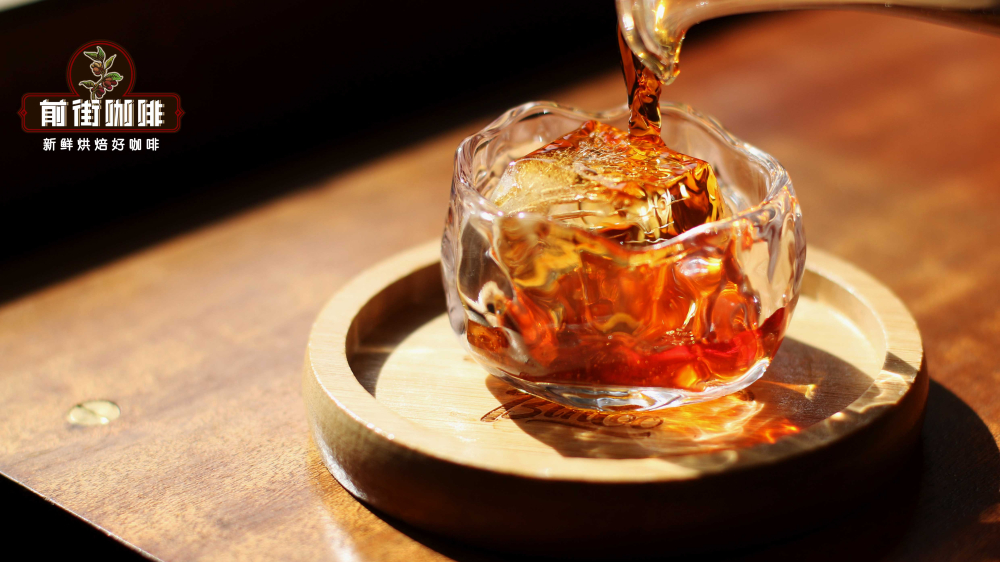
Refrigerated fermentation is a crucial step in enhancing the flavor of cold drip coffee. It is recommended to store the coffee in a sealed container in the refrigerator, with fermentation time adjustable between 8–24 hours based on personal taste. Furthermore, the concentration and flavor intensity of cold drip coffee can be controlled by adjusting the coffee-to-water ratio and dripping time. Beginners are advised to start with standard parameters and gradually explore their preferred flavor combinations.
The above content is compiled by CoffeeHunters, a coffee news website.


