







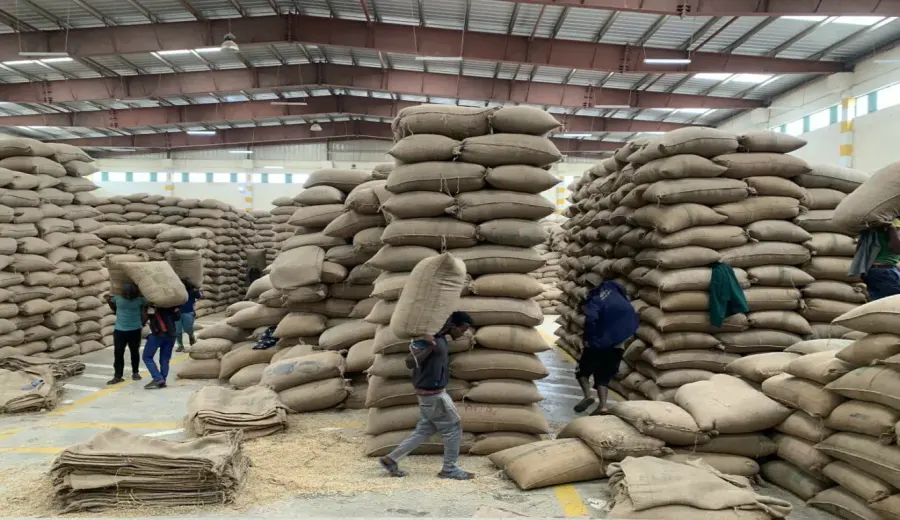
Introduction:Dive deep into Kochere, a refined micro-region within Ethiopia’s Yirgacheffe area. Its washed G1 coffee beans are celebrated for their bright acidity, silky sweetness, and floral-fruit aromas. This article explores Kochere’s geographical and regional background, and with expert pour-over techniques and practical parameters, teaches you how to brew a clean, tea-like, sweet-aftertaste coffee at home—elevating your everyday coffee experience.
As one of Ethiopia’s most iconic specialty coffee regions in the south, Yirgacheffe encompasses multiple micro-regions, each with distinct flavor profiles. Among them, Kochere stands out with its outstanding citrus acidity, rich floral notes, and layered sweetness. Multiple cuppings have shown that beans from this region often surpass regular large lots in aroma intensity and taste detail, making it especially appealing to coffee lovers who favor bright, fresh flavors.
[Kochere Region Positioning and Flavor Characteristics]
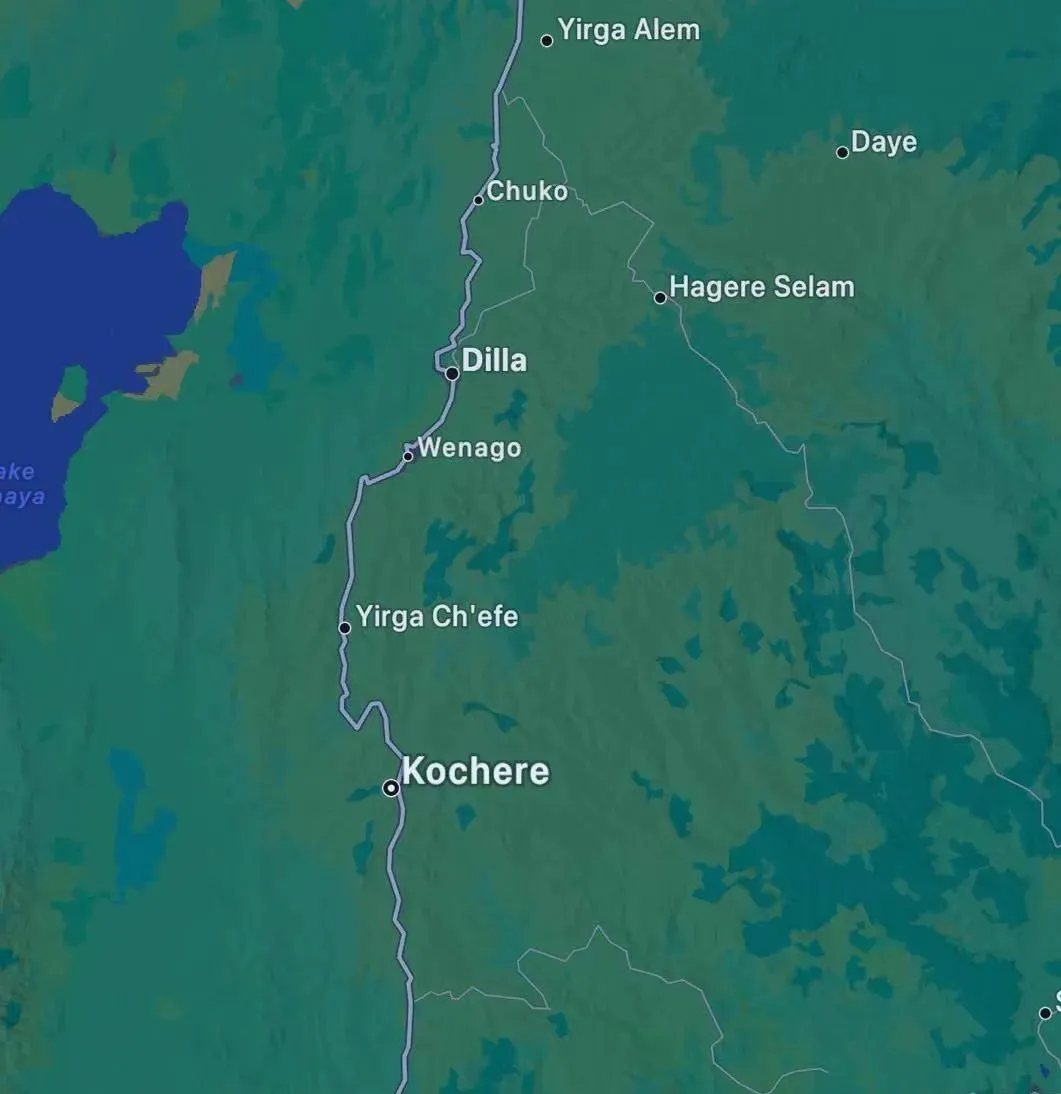
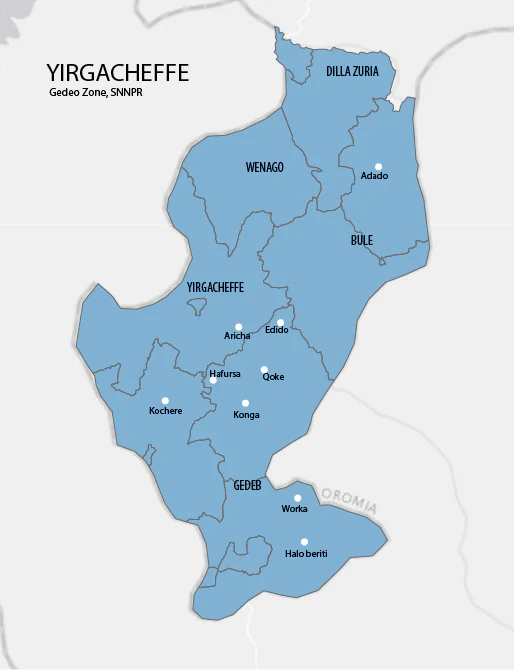
Located approximately 25 kilometers southeast of Yirgacheffe, Ethiopia, Kochere falls under the Gedeo Zone governed by the SNNPR (Southern Nations, Nationalities, and Peoples' Region). Its altitude ranges between 1,650 and 1,800 meters, making it one of the three renowned micro-regions of Yirgacheffe. This zone not only boasts strong flavor expression and rich aromatic layers but also consistently earns high international scores due to its mature processing techniques and advanced equipment—for instance, Coffee Review once awarded Kochere washed beans a remarkable 94 points.
Administratively, Kochere is one of the 77 Woredas (districts) within the SNNPR and is part of the Gediyo section in the Yirgacheffe area, serving as an important pillar of the local coffee industry. Internally, Kochere can be further divided into numerous micro-zones. Some batches are even labeled with specific village origins (such as Chelelektu), processing mills (like Alium Washing Station), or micro-region names (e.g., Banko Gutiti). This high level of transparency aids in tracing flavor sources, and batches with high consistency and reproducibility are more sought after in the market, naturally commanding higher value.
[Production Model and Quality Foundation of the Region]
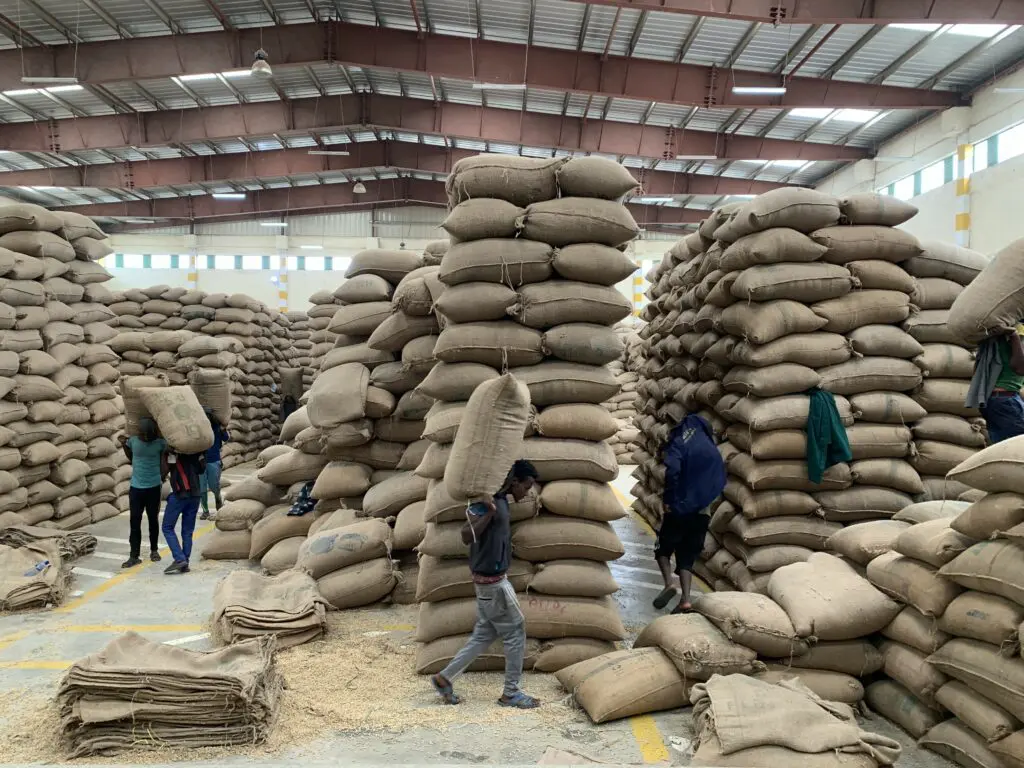
Coffee in Kochere is primarily grown by local smallholders and collectively processed by cooperatives. Take Chalalacktu village as an example—it has around 100,000 residents whose livelihoods largely depend on coffee. The coffee industry not only drives the local economy but also supports improvements in public infrastructure such as education and healthcare. Thanks to advanced processing equipment and rigorous quality control processes, Kochere washed beans typically exhibit clean, sweet profiles with complex notes of molasses and citrus.
The Yirgacheffe Kochere G1 grade coffee beans featured here are high-quality representatives of the region. These beans offer exceptional clarity, with flavor notes of refreshing lemon, elegant jasmine blossom, and delicate undertones of melon, citrus, ginger, and spiced tea. The overall taste is balanced with a long, lingering finish.
[The Suitability of Washed Processing for Kochere]
Washed processing (Washed Process) is a traditional method commonly used for Ethiopia’s specialty coffees. Through steps such as flotation, pulp removal, fermentation to eliminate mucilage, multiple washes, and temperature-controlled drying, clean and consistent green beans are produced. Although this method requires stable water sources and well-equipped processing facilities, it significantly reduces defect rates, improves flavor stability, and imparts a unique “washed character”—typically reflected in brighter acidity and clearer layers.
In Kochere, washed processing is not just mainstream but also key to the region’s flavor highlights. Coffee beans processed this way tend to have cleaner acidity, pronounced sweetness, and often a tea-like aftertaste, making them highly suitable for pour-over brewing to showcase their finesse and complexity.
[Pour-Over Parameters and Practical Techniques]
To recreate the clean brightness and tea-like sweetness of Kochere washed G1 coffee beans at home, the following tested and effective pour-over parameters are recommended:
Filter:Hario V60
Water Temperature:90°C (moderately high to highlight acidity and aroma)
Coffee Dose:15 grams
Coffee-to-Water Ratio:1:15 (total water volume approximately 225 grams)
Grind Size:Approximately 80% through a Chinese Standard No. 20 sieve (equivalent to medium-fine grind, similar to the texture of fine sugar)
Water Pouring Rhythm Suggestions:
1. Start with a 30-gram bloom using hot water for 30 seconds to awaken the coffee grounds;
2. Then, slowly pour in a thin stream in a circular motion from the center outward until reaching 125 grams, taking about 30–45 seconds;
3. When the water level is about to expose the coffee bed, continue pouring in circles until reaching 225 grams total. Keep the total brew time around 2 minutes.
Be sure to maintain steady water flow during pouring, avoiding direct impact on the center of the coffee bed to ensure even extraction. Additionally, use freshly roasted coffee beans (within 7–21 days post-roast) and ensure the ground coffee is used shortly after grinding for optimal flavor performance.
[Conclusion: Why Choose Kochere?]
Yirgacheffe Kochere is not only a geographical micro-region but also an exceptional expression of refined flavor. Its washed G1 coffee beans, based on high altitude, traditional processing, and a smallholder cooperative model, deliver unmistakable notes of citrus, flowers, and tea—making it a classic choice for pour-over enthusiasts. By mastering the right pour-over parameters and details, you too can easily brew a clean, bright, and layered Yirgacheffe-style coffee at home.
The above content is compiled by CoffeeHunters, a coffee news website.


