







Introduction:Sumatra is an indispensable and significant coffee-producing region for specialty coffee enthusiasts worldwide. Among its beans, Mandheling and Aceh’s Golden are renowned for their unique processing methods and regional flavor profiles. This article provides an in-depth exploration of Indonesia’s three major coffee-growing regions—Sumatra, Sulawesi, and Java—introducing you to the growing environments, processing techniques, and distinctive flavor profiles of classic coffees such as Mandheling, Golden Mandheling, Toraja, and Aceh Gayo. It also details the characteristics of the wet-hulling method, the green bean grading system, and the transformation potential of aged beans, making it a comprehensive guide for those new to Indonesian coffee.
In the journey of exploring the world of specialty coffee, a book titled "The Craft and Science of Coffee" served as an important introductory resource. Among the sample beans included with the book was one eye-catching bag labeled "Sumatra Acheh’s Gold." Upon investigation, "Acheh’s Gold" refers to high-quality coffee beans from Indonesia’s Aceh region, commonly known as Aceh’s Golden. Unlike the common stereotype of Sumatran coffee as heavy, herbal, medicinal, or even smoky, this Aceh’s Golden exhibits a remarkably different personality—its overall tone is clean, with rich aromas of cream and chocolate, along with a hint of fruity acidity, making its flavor profile more akin to some meticulously processed Latin American coffees.
To gain a more comprehensive understanding of Indonesian coffee, we focus on its three main producing regions: Java, Sulawesi, and Sumatra. Each region, due to differences in geography, climate, and processing traditions, produces specialty coffees with distinct flavor profiles. These three islands are not only the primary contributors to Indonesia’s coffee output but also each possess representative varieties and processing characteristics, serving as keys to understanding the diversity of Indonesian coffee.
Indonesia is located in the equatorial volcanic zone and consists of more than 17,000 islands. Its climate is tropical rainforest-type, characterized by high temperatures, high humidity, abundant rainfall, and fertile volcanic soil—all of which provide an ideal environment for coffee cultivation. Among them, Java, Sumatra, and Sulawesi are the three core regions for specialty coffee in Indonesia, each with its own unique microclimates and processing cultures.
Java Island holds a pivotal position in the history of Indonesian coffee development. Many high-quality Java Arabica coffees come from large-scale government-run farms, predominantly planted with the S795 variety (locally called Jember), and are mostly processed using modern washed methods. Compared to Sumatra and Sulawesi, Java coffee generally has lower acidity, refined aroma, and a balanced, delicate taste. Notable producing regions include Blawan, Djampit, Kayumas, and Pancoer. In addition, "Java Mocha" is a blend of Java coffee and Yemeni Mocha, offering a unique retro flavor.
Sulawesi Island, formerly known as Celebes, is one of Indonesia’s oldest islands. Its coffee is primarily produced in the highlands of South Sulawesi, especially in the Toraja region. Toraja coffee is mainly processed using washed or semi-washed methods, and its flavor profile showcases rich caramel sweetness, with relatively mild yet layered acidity, forming a contrast to the heavier style of Sumatran coffee. The region’s soil is rich in iron and clay, which helps concentrate the coffee’s flavors. Toraja coffee has an annual production of only about 1,000 metric tons, with planting altitudes mostly ranging between 1,200 and 1,800 meters. Its limited yield and challenging cultivation make it a highly collectible specialty bean. The main collection market in the area is called Kalosi, which is also a familiar market name to many consumers.
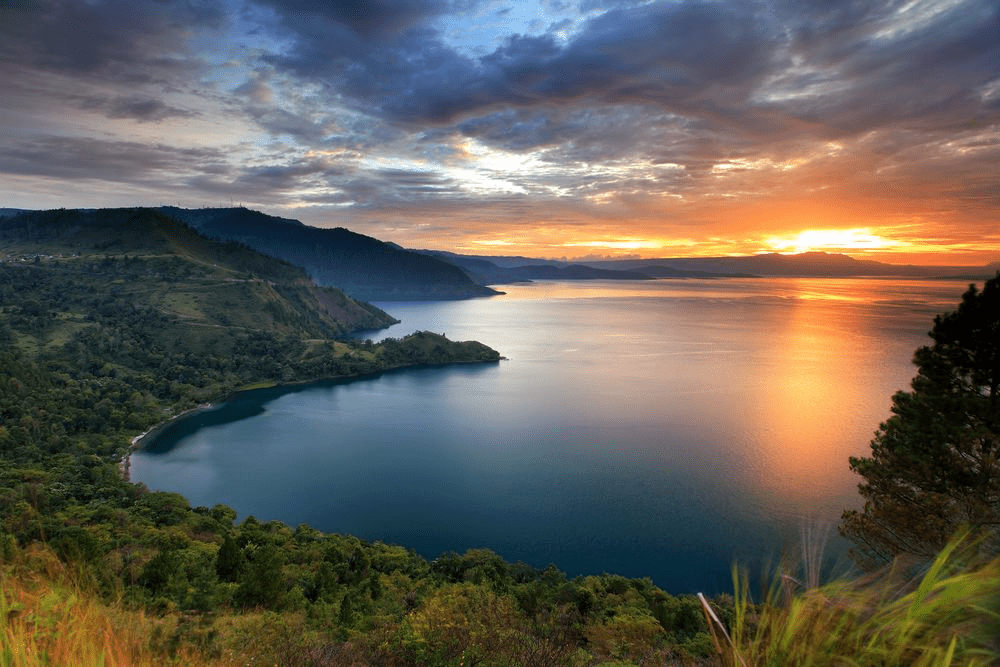
Sumatra is the most representative coffee-producing region in Indonesia, particularly famous for its Mandheling. Mandheling coffee is primarily grown in the Lintong mountainous area around Lake Toba and the Tawar Lake region in Aceh. Lintong coffee is mainly processed using semi-dry or dry methods, grown at altitudes of about 900 to 1,200 meters, and is known for its strong herbal, woody, and earthy aromas. The beans are plump and are considered among the densest in the world. The name "Mandheling" actually originates from the Mandailing ethnic group in Sumatra and later became synonymous with the coffee from this region.
Among them, "Golden Mandheling" represents the finest Mandheling from the Lintong area. It is made from coffee cherries that are handpicked at full ripeness and undergo a rigorous process of semi-washed, sun-dried, multiple refining, and manual selection, with extremely strict quality control. Only Golden Mandheling labeled "PWN" is the registered brand produced by Indonesia’s Pawani company. It boasts a clean flavor and prominent sweetness, making it a classic favorite among many baristas.
Another highlight of Sumatra is the Gayo highlands in the Aceh region, particularly the种植 areas around Lake Tawar. This area, with altitudes ranging between 1,110 and 1,300 meters, is where coffee is mostly cultivated by smallholder farmers under shaded conditions and processed primarily using the wet method. Its flavor is relatively refreshing, with more vibrant acidity, forming an interesting contrast to the traditional heavy and bold style of Sumatran coffee. Gayo coffee has seen significant quality improvements in recent years and has become a representative of Aceh coffee.
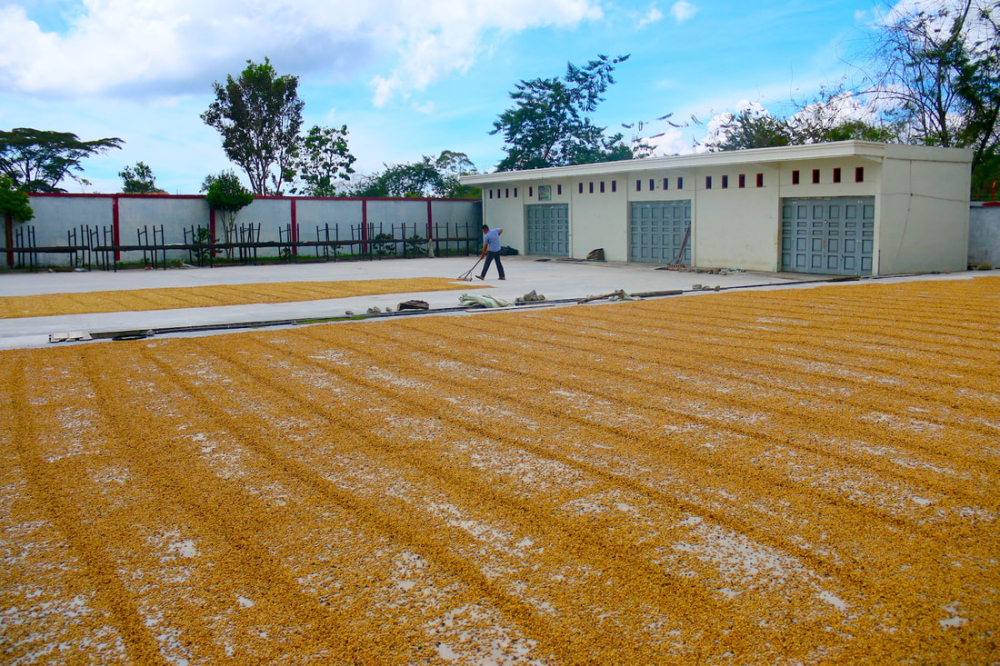
The processing method most famously associated with Indonesian coffee is "wet-hulling," a highly efficient method developed to suit the region’s high-humidity climate. The steps are roughly as follows: first, the pulp and flesh of the coffee cherry are removed, then the parchment-covered beans are soaked in water to remove floaters, followed by a short fermentation period (usually 12 to 36 hours). Next, the beans are sun-dried until the moisture content drops to 30%–50%, after which a hulling machine removes the parchment layer. Finally, the beans are further dried to reach a moisture content of 12%–13%. This method accelerates the drying process but can also easily lead to bean cracking and increase the risk of mold, requiring strict control.
In Indonesia, green bean grading is primarily based on the ratio of defective beans, divided into six grades from G1 to G6. The fewer the defects, the higher the grade, with G1 being the highest. This system effectively distinguishes flavor purity and bean quality, serving as an important reference for buyers selecting Indonesian coffee.
Additionally, "Aged Mandheling" is another standout feature of Indonesian coffee. Through proper storage for 2 to 3 years, its acidity gradually softens, and its flavor shifts toward a rich, woody profile with intense cocoa and caramel aromas, undergoing a transformation reminiscent of the aging complexity found in Pu-erh tea. "Tiger Mandheling," on the other hand, is a high-altitude bean grown at 1,500 meters in Aceh, processed using the wet-hulling method, and showcases a balanced flavor of cream, dark chocolate, and nuts. It has a clean taste and distinct layering.
If you’re looking to try a different Indonesian flavor, the honey-processed coffee from West Java is also worth exploring. Produced in the Mount Tiga Warna region at altitudes of 1,400 to 1,600 meters, it features distinct tropical fruit notes such as jackfruit, plum, and passion fruit. The flavor is fresh with noticeable sweetness, suitable for light to medium roasts and an excellent choice for everyday pour over brewing.
The above content is compiled by CoffeeHunters, a coffee news website.


