







Introduction:Delve into the geographical advantages of Brazil's Cerrado region, the characteristics of the Red Bourbon variety, and the pulped natural processing method. Explore Brazil’s unique coffee grading system, and gain practical pour over parameters along with flavor descriptions to master the complete journey of this classic bean—from cultivation to your cup.
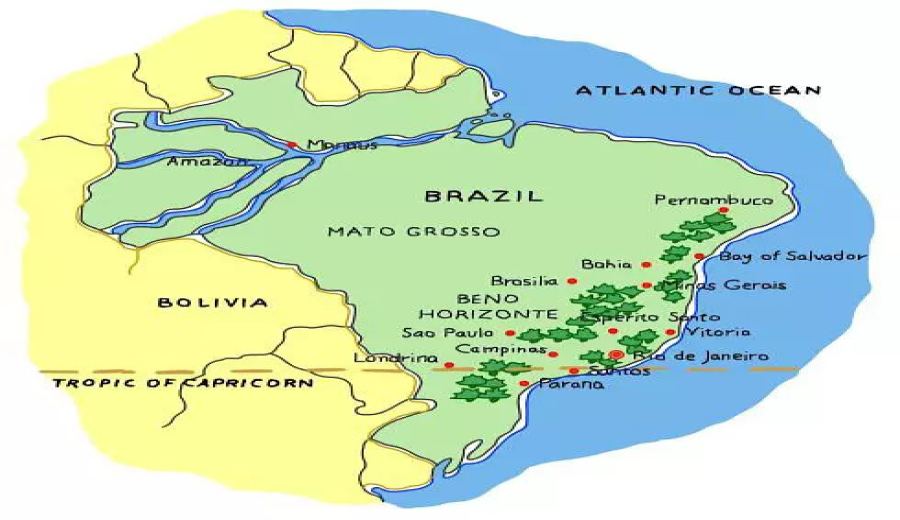
As the world’s largest coffee producer, Brazil supplies approximately one-third of the global coffee beans, firmly holding the top position in the world market. Among Brazil’s many coffee-growing regions, Cerrado in Minas Gerais stands out with its origin certification, fertile mineral-rich soil, and classic nutty-creamy profile, making it a popular choice for many coffee enthusiasts just starting their journey.
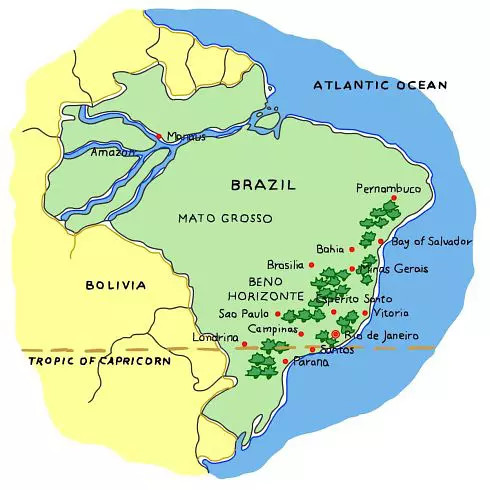
The history of coffee cultivation in Brazil dates back to 1717, when a Portuguese diplomat brought coffee seeds from French Guiana and planted them for the first time in Pará, in northern Brazil. Due to diplomatic hurdles at the time, it is said that the seeds were successfully introduced with the help of the governor’s wife. Subsequently, coffee cultivation gradually expanded to regions such as São Paulo and Minas Gerais, leading to large-scale planting.
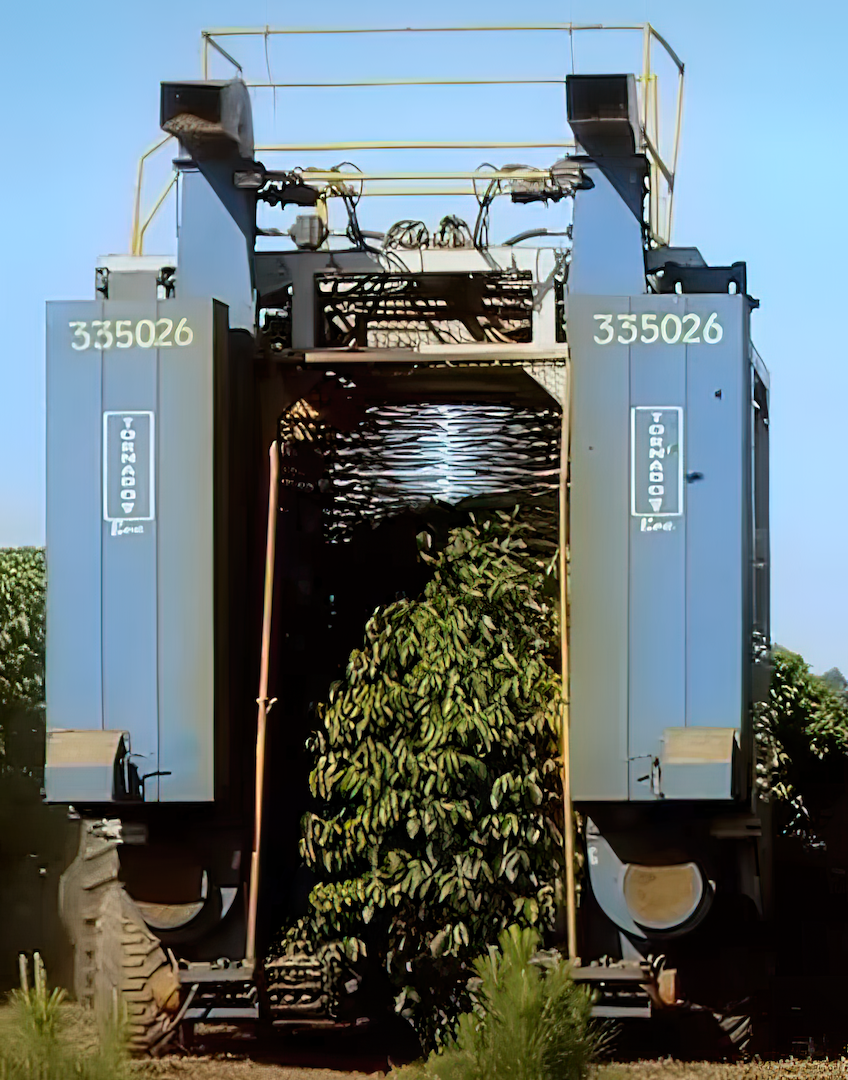
Brazil’s geographical environment differs significantly from other coffee-producing countries. Most coffee farms are located on flat terrain at elevations of just a few hundred meters, and therefore do not possess the strong fruit acidity and complex layers typically associated with high altitudes. To pursue yield, Brazilian farmers often adopt large-scale mechanized planting and harvesting, resulting in faster ripening of coffee cherries. The flavor tends to be rich, balanced, and sweet, making it a stable base bean for espresso blends. Additionally, the flat terrain facilitates mechanical harvesting. Although efficient, this may also mix in unripe cherries, so some farms have introduced color-recognition harvesting equipment to accurately select red cherries and improve quality.
When it comes to well-known Brazilian coffee regions, Cerrado must be mentioned. It is Brazil’s first coffee region to receive origin certification, located in the northwest of Minas Gerais, spanning 55 municipalities, including many medium to large-sized plantations. The region’s elevation ranges between 800 and 1300 meters, with distinct seasons—humid summers and dry winters—along with mineral-rich soil, producing coffees with nutty and creamy textures. The flavor profile is well-balanced and is a classic representative of Brazil’s traditional taste.
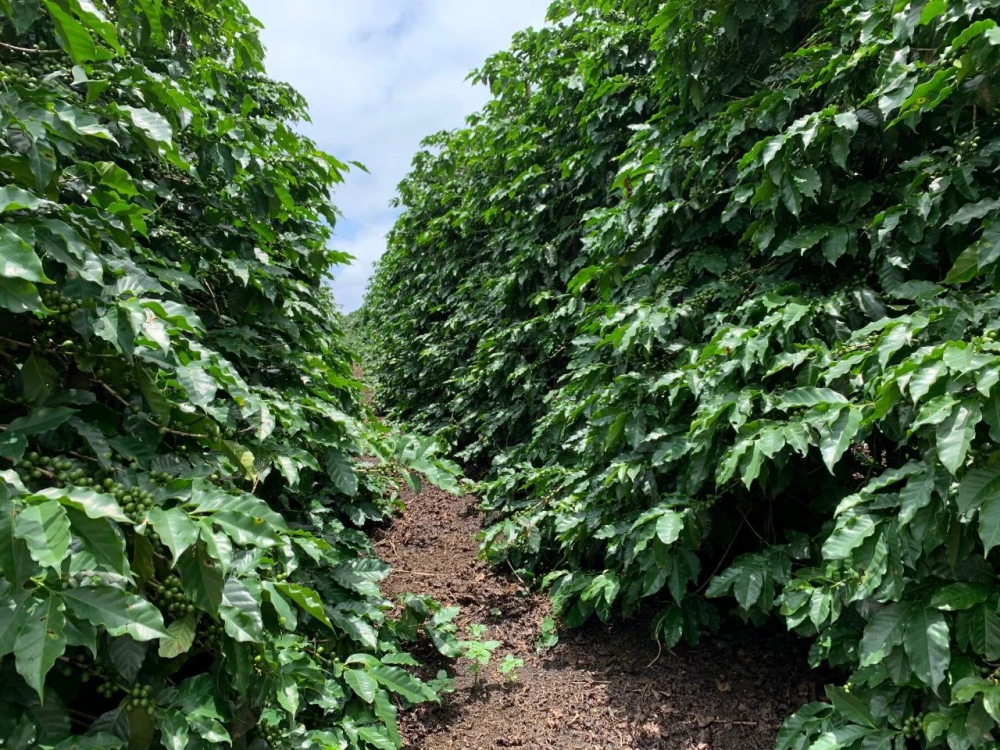
In terms of variety, Red Bourbon is one of the commonly cultivated cultivars in the Cerrado region. Both Bourbon and Typica belong to the oldest family of coffee varieties, known for good yielding ability and moderate production. Compared to low-altitude cultivation, Bourbon performs better at higher altitudes, often yielding sweeter flavors and longer aftertastes. As for why it’s called “Red Bourbon”? It’s because the coffee cherries of this variety turn from green to yellow, orange-red, and finally deep red as they mature. Hence the name. There are also variants that turn yellow or pink upon maturity, known as Yellow Bourbon and Pink Bourbon, respectively. Among these, Yellow Bourbon occasionally wins awards in specialty competitions in high-altitude regions.
Brazil’s coffee processing methods also carry local characteristics. Located in the tropics with most harvests occurring in the dry season, Brazil commonly employs the natural (sun-dried) method for processing coffee beans. However, early sun-drying processes were rough, often causing the beans to pick up earthy and off-flavors. Therefore, since the 1990s, Brazil has developed the “pulped natural” method, also known as pulp sun-drying. The process is as follows: harvested coffee cherries are first cleaned of impurities, then floated to remove unripe ones. Next, a machine removes the skin and part of the pulp, leaving only a small amount of mucilage. After a brief wash, the parchment beans still coated with some mucilage are placed on drying patios. This method not only saves water and reduces labor costs but is also quicker than traditional sun-drying, hence its widespread use across Brazilian coffee regions.
In terms of quality grading, Brazil’s system is relatively complex and unique. Green beans are graded based on defect rate, bean size, and cupping quality, with grade information clearly labeled on export sacks. The general format includes country, defect grade, cupping mouthfeel, bean specifications, cupping flavor evaluation, and origin. For example, a common sack label reads ‘Brazil NY.2 SC – 17/18 FC Cerrado’. Here, NY.2 represents the defect grade (NY.1 means zero defects—an extremely rare and unstable supply), SC stands for extremely soft mouthfeel (Strictly Soft), FC denotes high-quality cup flavor (Fine Cup), 17/18 indicates the bean screen size, and Cerrado is the region name. This system helps buyers more clearly understand the overall quality performance of the coffee.
In terms of roasting and brewing, Brazilian coffee, with its rich and low-acid characteristics, is often used as the base for espresso blends, delivering intense hazelnut and peanut notes along with a thick crema. When brewed via pour over, it better highlights its sweetness and chocolate layers. It is recommended to use a KONO filter, with water temperature controlled at 87–88°C, 15 grams of coffee, a 1:15 coffee-to-water ratio, and a grind size of about 70% passing through a Chinese standard No. 20 sieve—medium-coarse. During brewing, start with a bloom using twice the coffee weight of water for around 30 seconds. Then pour water in small streams, circling from the center outward, until you reach 125 grams for the first pour. Wait until the water level drops to the middle of the filter before pouring again to reach 225 grams. The total brew time is about 2 minutes. This method fully brings out the nutty, caramel, and dark chocolate notes of Cerrado Red Bourbon, resulting in a round and layered flavor.
In summary, coffee from Brazil’s Cerrado region not only offers stability in both yield and quality, but its Red Bourbon variety, combined with pulped natural processing, gives it the classic nutty-creamy and chocolatey flavor profile. Understanding its geographical background, processing techniques, and grading system helps coffee lovers comprehensively grasp the charm of this globally renowned everyday brew—from bean selection to brewing.
The above content is compiled by CoffeeHunters, a coffee news website.


