








Introduction:Delve into how Costa Rican coffee stands out in the global specialty market thanks to its microclimate advantages and honey processing methods. This article explains in detail the differences between honey processing and washed processing, introduces the regional characteristics and flavor profiles of the Musician Series beans such as Bach and Beethoven, and provides practical extraction references to help you discover your own flavor preferences.
Although Costa Rica has a limited land area, its unique microclimate environment and diverse coffee processing techniques have long established it as one of the world’s important specialty coffee-producing regions. This article starts with an overview of the producing regions, delves into the working principles of the honey processing method, and compares its flavor differences with traditional washed processing, giving readers a more comprehensive understanding of the unique charm of Costa Rican coffee.
In the selection of one coffee shop, several single-origin beans from Costa Rica have garnered significant attention, including those from the Musician Series—Bach, Beethoven, Chopin, and Mozart. These beans not only come from the renowned Tarrazú region but also showcase rich flavor layers due to variations in altitude, variety selection, and processing methods. With detailed information on regional altitude, bean varieties, and flavor descriptions, coffee enthusiasts can make more precise choices based on their personal tastes.

The history of coffee cultivation in Costa Rica dates back to the period when seedlings were introduced from Cuba, making the country one of the first in Central America to achieve commercial coffee cultivation. The local microclimate conditions have given rise to a variety of processing methods. In addition to washed and natural processes, honey processing is one of the country’s representative techniques. On the menu of one coffee shop, there are many beans that use honey processing, such as Chopin, Bach, and Mozart from the Musician Series, all presented with raisin honey processing to deliver intense sweetness and fruity notes.
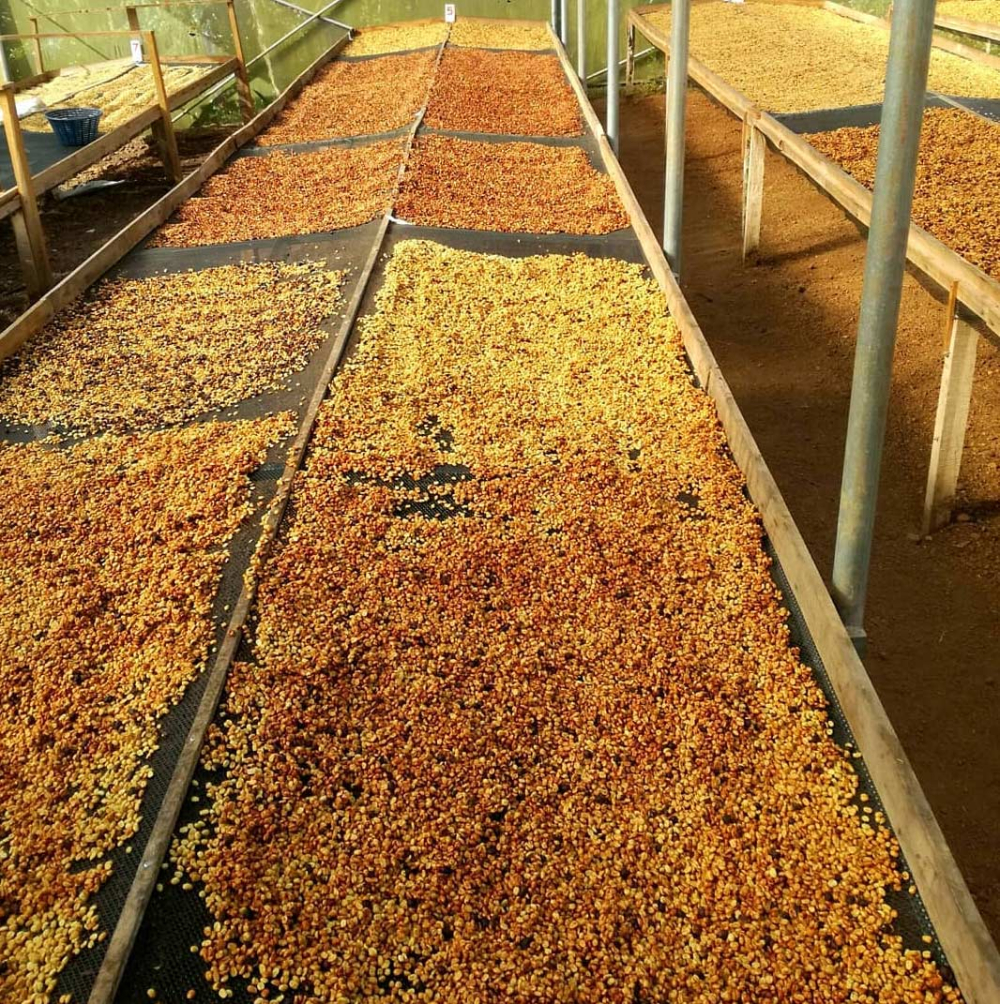
The key to honey processing lies in the degree to which the mucilage layer is retained. Depending on the retention ratio, it can be categorized into yellow honey (about 40%), red honey (about 25%), and black honey (almost none removed). This processing method not only brings higher sweetness but also effectively shortens the drying time and reduces the impact of fermentation on flavor. Take Bach coffee beans as an example—they use raisin honey processing. After floatation to ensure consistent fruit ripeness, the skin and pulp are removed while the mucilage is retained, followed by sun drying, ultimately presenting rich fruit notes such as apple, strawberry, and grape, along with unforgettable honey and toffee flavors.
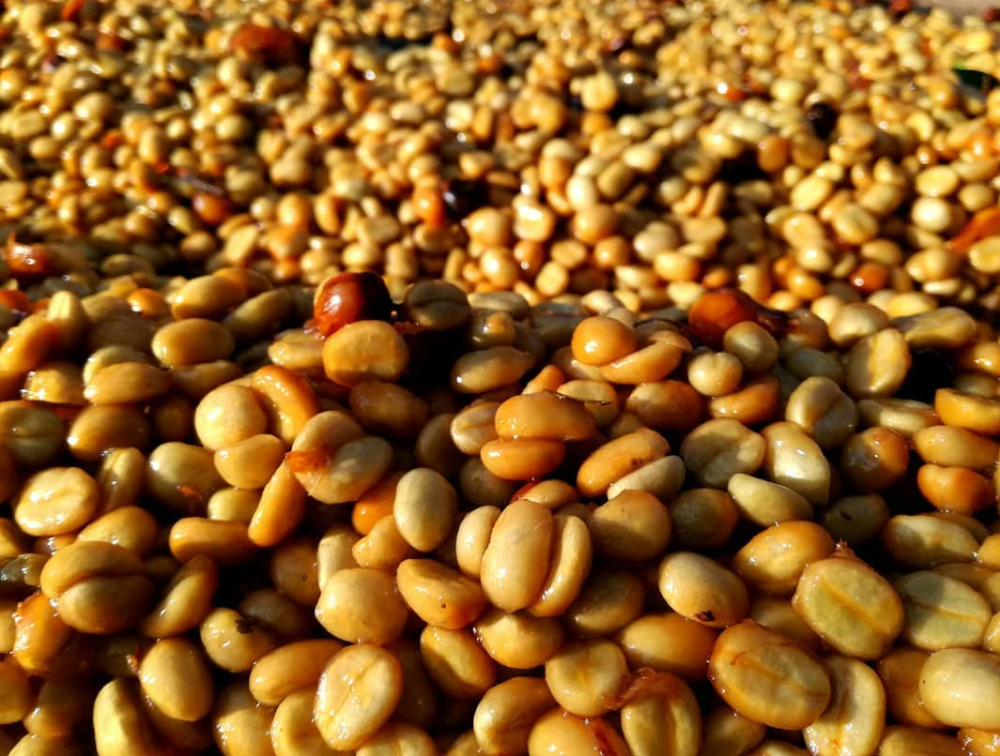
It is worth noting that honey processing consumes relatively little water and does not require large-scale water tanks or drying field facilities, making this technique highly favored by processing facilities in Costa Rica. The Tarrazú region, as one of Costa Rica’s well-known producing areas, is famed for producing high-quality specialty coffee, with Bach coffee being one of its representatives. In contrast, washed processing removes flesh and mucilage with clean water, ferments them in water tanks, and then sun dries them, imparting a brighter acidity and orange juice-like sweetness to the coffee, along with a rich body reminiscent of toffee and honey.
Costa Rica’s geography and climate are very suitable for the growth of Caturra and Catuai varieties, which are also the mainstays of the country’s coffee production. In addition, the less common Villa Sarchi variety, due to its adaptability to high altitudes and wind resistance, is gradually gaining attention, though it requires shade trees to support its growth. The Costa Rican government actively promotes coffee cultivation by distributing free coffee seedlings, thereby improving the overall quality standard of the producing regions—an important reason why the country can consistently produce high-quality coffee.
The Musician Series coffee beans are highly representative in the selection of one coffee shop, with each variety showcasing a unique flavor personality. Beethoven coffee, processed via the washed method, offers fermented wine aromas, floral notes, and the acidity of citrus and berries, with a smooth mouthfeel and a hint of the refreshing acidity of green kiwi. Chopin coffee, processed with raisin honey, exudes intense rose floral notes, accompanied by citrus acidity and notable sweetness, with a rich flavor profile. Mozart coffee, also using raisin honey processing, impresses with its remarkable sweetness and berry aroma, offering both density and layered texture, along with the sweet taste of dried bananas.

Below are the detailed parameters and flavor guides for the Costa Rican Musician Series coffee beans at one coffee shop:
1. One Coffee Shop Costa Rica Bach Coffee Beans
Country: Costa Rica
Region: Tarrazú
Elevation: 1950m
Processing Method: Raisin Honey Process
Grade: Strictly Hard Bean (SHB)
Variety: Caturra
Flavor Description: Sweet fruit tones including strawberry, apple, lemon, grape, and citrus, paired with a smooth finish of honey and toffee.
2. One Coffee Shop Musician Series Beethoven Coffee Beans
Country: Costa Rica
Region: Tarrazú
Elevation: 1,900m
Processing Method: Washed Process
Grade: SHB
Variety: Yellow Caturra
Flavor Description: Aromas of green grapes, vanilla, strawberry, and melon; acidity as fresh as pomegranate juice; smooth mouthfeel with a slight green kiwi acidity.
3. One Coffee Shop Musician Series Chopin Coffee Beans
Country: Costa Rica
Region: Tarrazú
Elevation: 1,800–1,900m
Processing Method: Raisin Honey Process
Grade: SHB
Variety: Catuai
Flavor Description: Upon opening, rose floral notes greet the nose, followed by the sweetness of apple, vanilla, honey, cream, and maple syrup, along with delicate citrus and coffee blossom aromas, and a finish of dark chocolate richness.

4. One Coffee Shop Musician Series Mozart Coffee Beans
Country: Costa Rica
Region: Tarrazú
Elevation: 1,800m
Processing Method: Raisin Honey Process
Grade: SHB
Variety: Catuai
Flavor Description: Outstanding sweetness and berry aromas, with the sweet taste of dried bananas, dense texture and rich layers, and a long-lasting aftertaste.
The world of Costa Rican coffee is full of surprises. Whether you prefer the pronounced sweetness of honey processing or the bright acidity of washed profiles, you can find beans in the region that meet your expectations. By understanding details such as the producing region, elevation, variety, and processing method, you’ll be able to choose the coffee experience that best suits your taste.
The above content is compiled by CoffeeHunters, a coffee news website.


