







Introduction:Yirgacheffe is one of Ethiopia’s most iconic coffee-growing regions, renowned for its bright acidity and delicate floral notes. This article delves into the region’s geography, smallholder cooperative model, and highlights the washed beans from the Gedeb Cooperative, analyzing their flavor profile, ideal brewing methods, and providing detailed pour-over and cold brew parameters to help both beginners and advanced enthusiasts master the brewing essentials of this classic bean.
When it comes to African coffee, many people first think of vibrant floral aromas and lively fruit acidity, and Ethiopia’s Yirgacheffe is a classic representative of this flavor profile. This high-altitude town has most of its coffee-growing areas situated at elevations of nearly 2,000 meters, with some regions reaching up to 2,100 meters. Such a uniquely advantageous geographical environment, coupled with year-round cool and humid climate, gives Yirgacheffe coffee its distinctive fruity and fragrant floral characteristics.
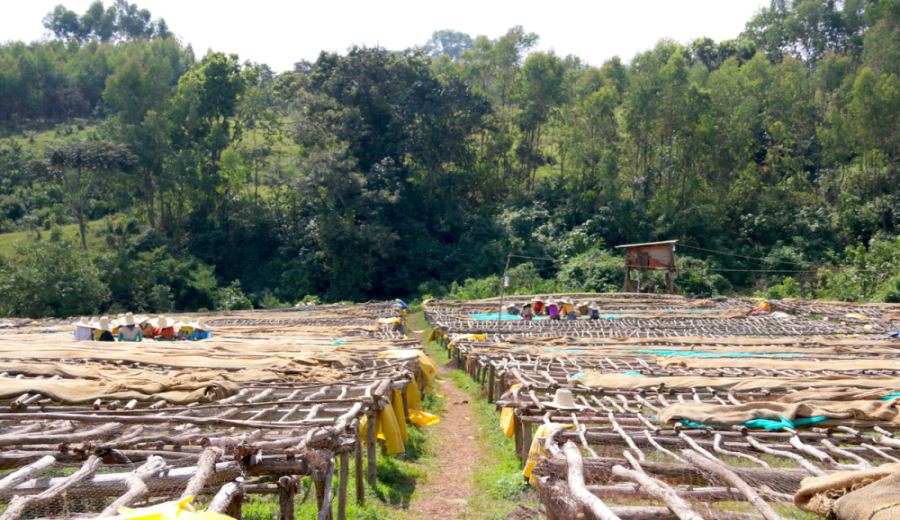
Unlike coffee-growing regions in the Americas or Asia, where production is often centralized on large plantations, Ethiopian coffee is mostly cultivated by small-scale farmers, typically managing plots of only about one hectare each with limited output. As a result, coffee is usually processed and sold through local cooperatives. This cooperative model not only helps maintain stable coffee quality but also ensures that smallholders receive more reasonable compensation. Many well-known coffee brands actually originate from these cooperatives—for example, the Gedeb Cooperative is one of the representative processing units in the Yirgacheffe region.
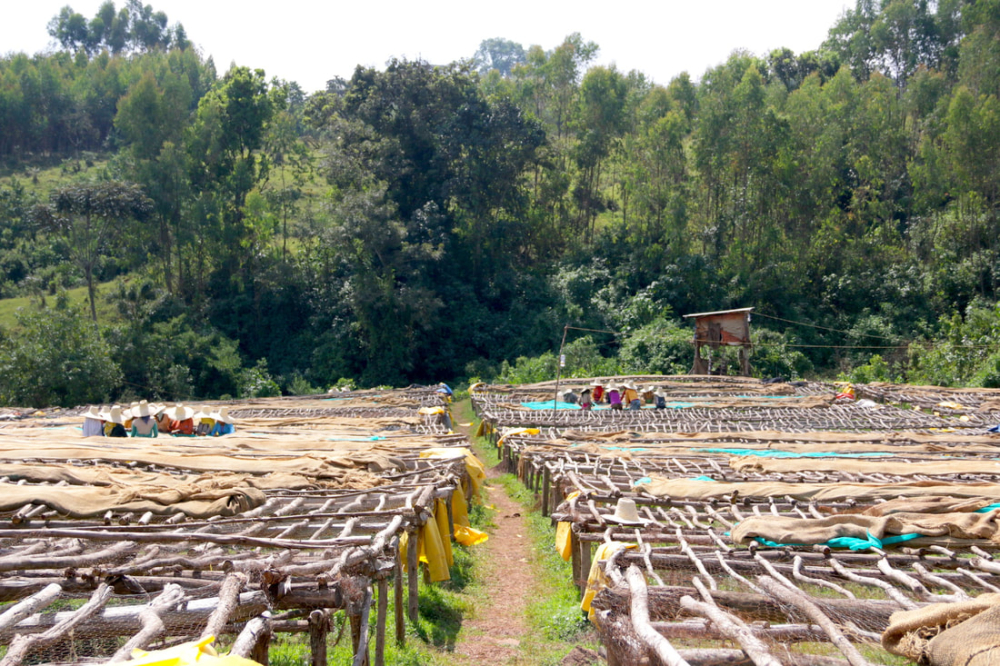
Located on the plateau, Yirgacheffe is surrounded by Lake Turkana, Lake Abaya, and Lake Chamo, enjoying year-round humidity, misty conditions, and moderate temperatures. This environment provides ideal growing conditions for coffee trees and gives the region’s coffee its unique fresh floral and fruity character. Compared to the rich and bold flavors commonly found in other regions, Yirgacheffe is better known for its bright, delicate acidity and multi-layered fruitiness, earning it the title of the “King of Floral and Fruity Acidity” among many coffee lovers.
The Gedeb Cooperative is located in the Wolkite zone in the southeastern part of Yirgacheffe. It was originally part of the Wolkite Cooperative under the Yirgacheffe Coffee Farmers Cooperative Union (YCFCU), but later some villages seceded, with Gedeb being one of the earliest to do so. The coffee farmers here are mostly former members of the Wolkite Cooperative, possessing rich experience in cultivation and processing. As such, the Gedeb Cooperative is regarded as an important area preserving the traditional flavors of Yirgacheffe and is even hailed as the “last pure land of Yirgacheffe.”
The “certain cooperative coffee beans” introduced in this article are grown in the Gedeo Zone of Yirgacheffe, Ethiopia, at altitudes ranging from 1,900 to 2,300 meters. They are cultivated from local heirloom coffee varieties and processed using the washed method, classified as high-quality Grade G1. These beans are medium-light roasted, perfectly showcasing the classic fruit acidity and floral traits of Yirgacheffe. Suitable for various brewing methods—including pour over, cold brew, French press, drip bags, and siphon—they are a classic bean worth trying for both beginners and advanced enthusiasts.
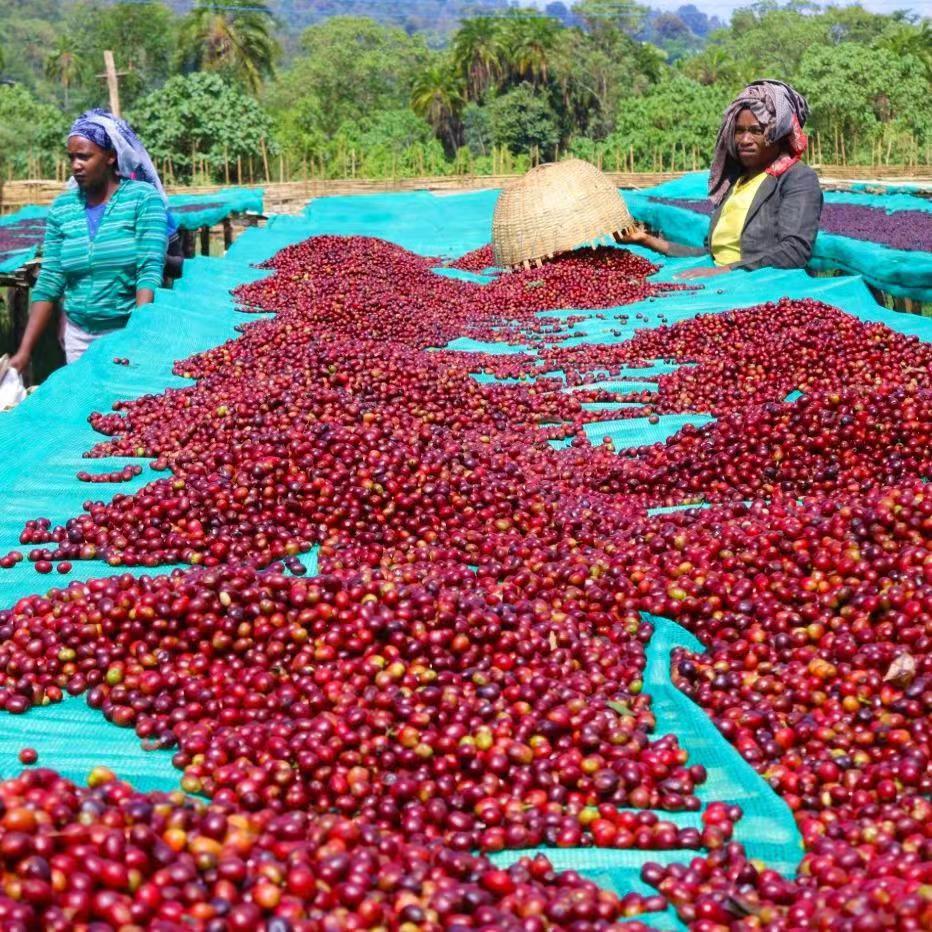
This washed Yirgacheffe undergoes multiple processing steps to remove defective beans, resulting in a cleaner and clearer flavor profile. The acidity is bright and well-defined without being muddled, fully expressing the layered aromas typical of Yirgacheffe, such as citrus, blueberry, and jasmine. For coffee lovers eager to experience authentic “Yirgacheffe flavor,” this washed bean is an extremely representative choice.
If you’d like to try brewing this bean using the cold brew method, here are simple and practical steps: First, prepare about 40 grams of coffee grounds ground to a consistency between fine and coarse sugar, and use a 1:13 coffee-to-water ratio (approximately 520 grams of ice water). Choose a clean, oil-free, airtight container with a capacity of over 600 milliliters, pour in the coffee grounds and ice water, then gently stir to ensure all the coffee grounds are fully saturated. Next, seal the container and place it in the refrigerator for 8 to 12 hours to allow the coffee to slowly extract. Once the time is up, remove the coffee and filter out the grounds to enjoy a refreshing cold brew. It is recommended to consume within five days after filtration to maintain optimal flavor. Please note that cold brew left standing for too long may gradually develop a fermented taste, and once opened, hygiene concerns can arise, so drinking it as soon as possible is best.
If you prefer hot brewing, pour over is also an excellent way to showcase the flavor layers of this bean. It is recommended to use a medium-fine grind, with water temperature controlled at 90–92°C, and a coffee-to-water ratio of 1:15 to 1:16. Using a pulsed or stage brewing technique can more fully release its fruit acidity and floral notes. No matter which brewing method you choose, appropriately adjusting grind size and water temperature will bring you closer to the unique charm of Yirgacheffe.
The above content is compiled by CoffeeHunters, a coffee news website.


