







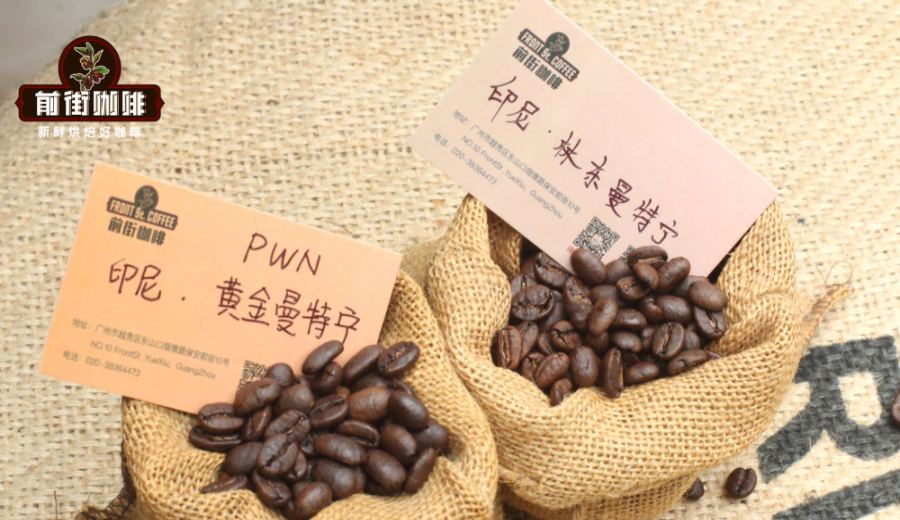
Introduction:Indonesian Mandheling is a classic origin that no specialty coffee enthusiast around the world should miss. This article delves into the regional characteristics of Sumatra’s Lintong and PWN Golden Mandheling, the impact of the wet-hulling process, and Indonesia’s rigorous coffee grading standards. Whether you’re just starting to explore Asian beans or looking to precisely select the right Mandheling, you’ll gain in-depth insight from this flavor analysis and practical guide.
On the map of Asia’s specialty coffee, Mandheling from Sumatra, Indonesia, has always held a significant place. In particular, the classic Mandheling from the Lintong region and the higher-grade PWN Golden Mandheling are renowned for their unique flavors and refined processing techniques. This article will take you deep into the production environments behind these two highly regarded coffees, the wet-hulling process technology, and Indonesia’s distinctive defect grading system—helping you find the flavor profile that suits you best.
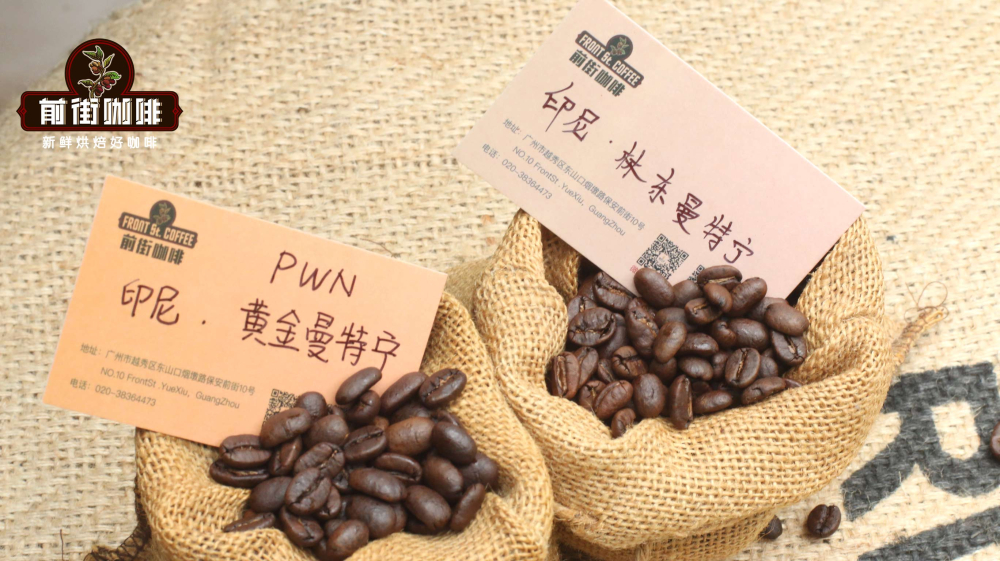
For coffee lovers trying Asian beans for the first time, Lintong Mandheling is an excellent entry point. This medium-to-dark roasted coffee typically exudes a rich and bold aroma, with distinct layers of bitterness and sweetness and strong flavor intensity upon tasting. Notes of clove and woodiness spread across the palate, accompanied by a cool, mint-like aftertaste, while its acidity remains low yet distinctive. The finish is usually full-bodied and lingering, with sweetness gradually emerging—making it highly suitable for drinkers who enjoy intense flavors and spicy profiles.
Golden Mandheling, on the other hand, represents the premium tier among Indonesian Mandhelings, hailing from Sumatra—a tropical rainforest island near the equator. The island experiences high temperatures and humidity year-round with abundant rainfall. While these natural conditions are favorable for coffee growth, the moist environment poses a challenge for traditional washed or natural processing methods. As a result, the region developed the unique “wet-hulling process,” where the outer parchment layer and part of the mucilage are removed before the coffee beans are fully dried, accelerating the drying process. This processing technique also contributes to the herbal, earthy, and woody flavor profiles commonly found in Indonesian coffees.
On the other hand, Arabica cultivation in Indonesia is limited by altitude, with only a small portion of the country offering conditions suitable for high-altitude growing. As a result, only about 25% of the nation’s total coffee production consists of Arabica, with the majority being Robusta, which thrives at lower altitudes. Due to the wide variance in quality, Indonesia employs a grading system primarily based on the “number of defective beans,” supplemented by bean size evaluation, ensuring a certain baseline of quality control for coffee in the market.
Indonesia’s coffee bean grading is meticulous, mainly regulating the number of defective beans per 300-gram sample with strict criteria. General requirements include: no live insects, moldy or foul beans, moisture content must be controlled below 12.5%, and impurity ratio must not exceed 0.5%. Based on the quantity of defective beans, various grades are assigned, with G1 being the highest grade and also an extremely rare category, originally custom-developed for the Japanese market.
According to the standard,G1 grade coffee must have no more than 3 defective beans in a 300-gram sample. A well-known roaster’s PWN Golden Mandheling falls into this top-tier grade. It’s worth mentioning that this brand applies even stricter screening to its Golden Mandheling, conducting four rounds of manual sorting to individually remove defective beans, ensuring each bean is intact and of superior quality. This selection process is even more refined than the general G1 standard, so the brand’s PWN Golden Mandheling often presents as cleaner, brighter, and sweeter compared to other Mandhelings, with almost no heavy earthy or herbal notes interfering.
In summary, if you wish to explore the diverse profiles of Indonesian Mandheling, Lintong Mandheling lets you experience its classic richness and spicy character, while PWN Golden Mandheling showcases purity and sweetness achieved through rigorous selection. Understanding these regional traits, processing methods, and grading details not only helps you make more precise choices but also allows you to better bring out their potential during brewing—enjoying the unique coffee flavors of Sumatra.
The above content is compiled by CoffeeHunters, a coffee news website.


