







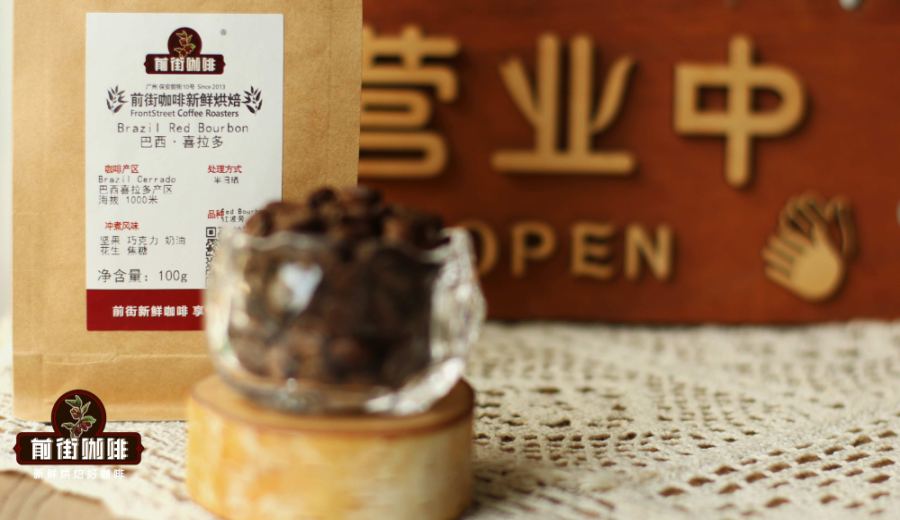
Introduction:Want to understand Brazil’s coffee grading system and flavor characteristics? As the world’s largest coffee producer, Brazil’s green bean classification combines defect rates, bean size, and cupping scores, influencing quality positioning in the international market. This article delves into the flavor profiles of major Brazilian producing regions such as Minas Gerais, Cerrado, and Mogiana, while explaining their grading logic to help you select the right Brazilian specialty beans for pour over or espresso.
Brazil is the global leader in coffee production, contributing about 45% of the world’s green bean supply. Even slight fluctuations in its output often impact global coffee market prices. However, due to Brazil’s numerous producing regions—with vastly different geography and climate conditions—coffee quality and flavors are highly diverse. This necessitates a more detailed and scientific grading system to effectively distinguish coffee grades and commercial value.
Coffee cultivation in Brazil is mainly concentrated between altitudes of 600 to 1200 meters. Compared to neighboring highland regions like Colombia, this is significantly lower. The terrain here is predominantly flat, with only small portions being plateau areas. The vast, level landscape is highly suitable for large-scale mechanized operations—especially during harvest season, when many farms use machines to strip entire coffee cherry bunches at once. This has led to efficiency and stability in both processing and the supply chain for Brazilian coffee.
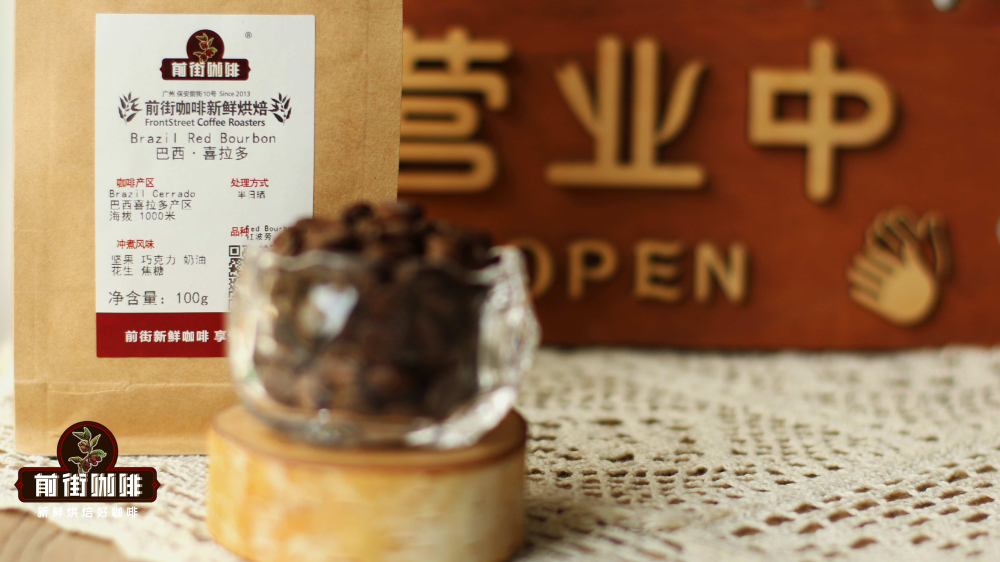
Brazil has seven major coffee-producing regions, spanning multiple states including Minas Gerais, São Paulo, and Cerrado. Among them, Minas Gerais is the largest coffee-producing state in Brazil, comprising four sub-regions, with stable output and diverse quality. Cerrado, on the other hand, is Brazil’s first coffee region to receive origin certification, renowned for producing high-quality Arabica coffee. It is not only a pioneer in the commercialization of Brazilian coffee but remains an important export base to this day.
Additionally, São Paulo State hosts Latin America’s largest coffee export port—Santos Port—as well as several well-known regions such as Santos and Mogiana. Mogiana, in particular, features red volcanic soil rich in minerals, along with relatively high altitude and a mild climate, giving rise to many specialty-grade coffee beans. For example, the previously released Brazilian Empress Estate Yellow Bourbon comes from this region. Grown at altitudes between 1400 and 1950 meters and processed using hand-picked natural methods, it offers intense notes of chocolate, nuts, and creamy peanut.
This Yellow Bourbon from Mogiana not only showcases distinct regional characteristics but also highlights the potential of Brazilian coffee in the specialty market. Its flavor profile is stable, with a rich and layered mouthfeel, making it suitable for single-origin pour over as well as a base bean in espresso blends, adding sweetness and body.
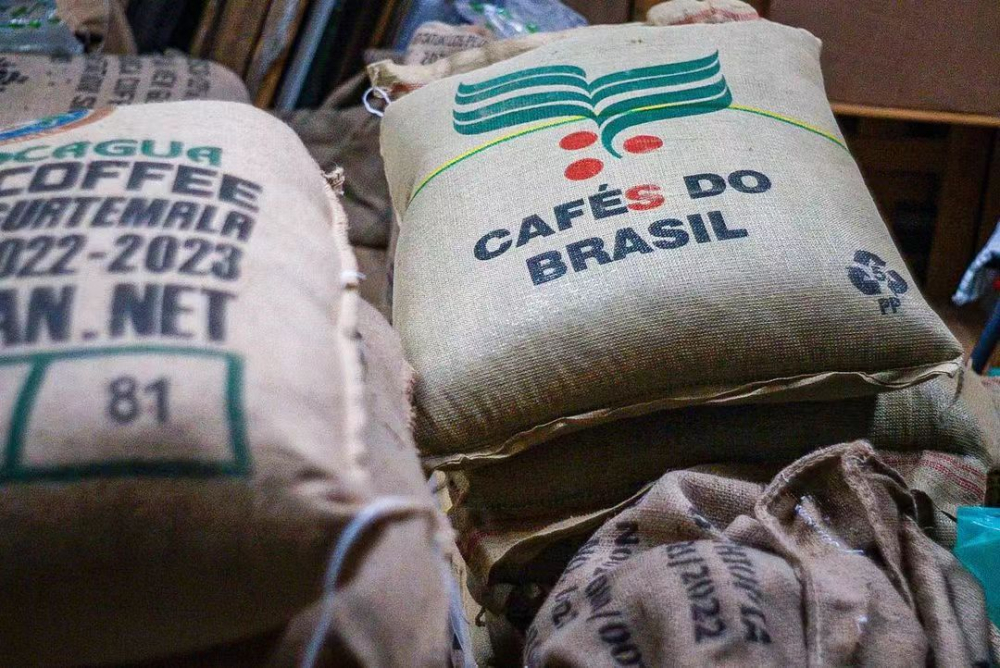
Given the vast coffee-growing areas and numerous producing regions in Brazil, its green bean grading system is relatively complex and cannot be evaluated with a one-size-fits-all approach. Brazil primarily grades beans based on three key indicators: the number of defective beans, bean size (screen size), and cupping performance. The most common grading method is the “deduction system,” which involves inspecting a 300g sample of green beans for defects, then assigning a corresponding grade based on the proportion of defects.
For example, if a bag of Brazilian Cerrado green beans is labeled “Brazil NY.2SC – 17/18 FC Cerrado,” the “NY.2” indicates that according to the New York grading standard, its defect deduction is below 4 points, classifying it as a high-quality NY2 grade—the lower the number, the fewer the defects. While NY.1 is the highest grade, it requires zero defects, making it extremely rare in supply, so NY.2 is considered the practical top-tier grading.
The numbers “17/18” denote the bean size, indicating the coffee beans are between screen sizes 17 and 18 (1 screen equals 1/24 inch), which are larger-sized beans that aid in even heat transfer during roasting. The final “SC” stands for the cupping flavor grade, meaning Strictly Soft, representing extremely smooth flavors and balanced acidity—it’s the highest tier in cupping evaluation. Other tiers include Soft, Softish, while Hard or Rioy indicate stronger taste profiles or unique off-flavors.
In terms of cupping quality, additional labels such as Fine Cup, Good Cup, Fair Cup, Poor Cup, and Bad Cup are used to indicate flavor performance, with Fine Cup being the best. It signifies that the batch has outstanding aroma, flavor, and aftertaste, serving as a key criterion for selecting specialty coffee.
It’s worth noting that besides these basic grading standards, many specialty coffee beans also provide more detailed origin information—including altitude, processing method (such as natural, honey, or washed), variety (e.g., Yellow Bourbon, Catuai), and specific farm origins. This helps consumers or roasters better understand the beans’ characteristics, thereby further enhancing extraction or roasting performance.
The above content is compiled by CoffeeHunters, a coffee news website.


