







Introduction:Want to deeply understand the essence of making espresso? This article systematically explains the principles and key parameters of espresso, including the golden ratios of coffee dose, yield, and extraction time, while thoroughly analyzing the flavor profiles of common espresso blends. From standard operating procedures to simple preparation methods for Americano, iced coffee, and latte, it guides you step-by-step to master professional-level skills—beneficial for both beginners and advanced enthusiasts.
Espresso is the foundation of many classic coffee beverages, such as Americano, latte, and cappuccino. To pull a well-balanced shot of espresso, the key lies in understanding its extraction logic and practical operational details. This article starts from the basic definition, explores the extraction mechanism of espresso, analyzes the flavor profiles of common blends, further breaks down each extraction parameter, and finally provides standard operating steps and preparation methods for several popular drinks.
What is espresso?It is a strong coffee liquid extracted under high pressure by quickly passing about 92°C hot water through an extremely finely ground and tamped layer of coffee. This process extracts a wealth of solids and soluble substances, resulting in a thick, dark liquid rich in crema. Due to the high-pressure extraction, its caffeine content per unit volume is relatively high, making it the base for many espresso-based drinks.
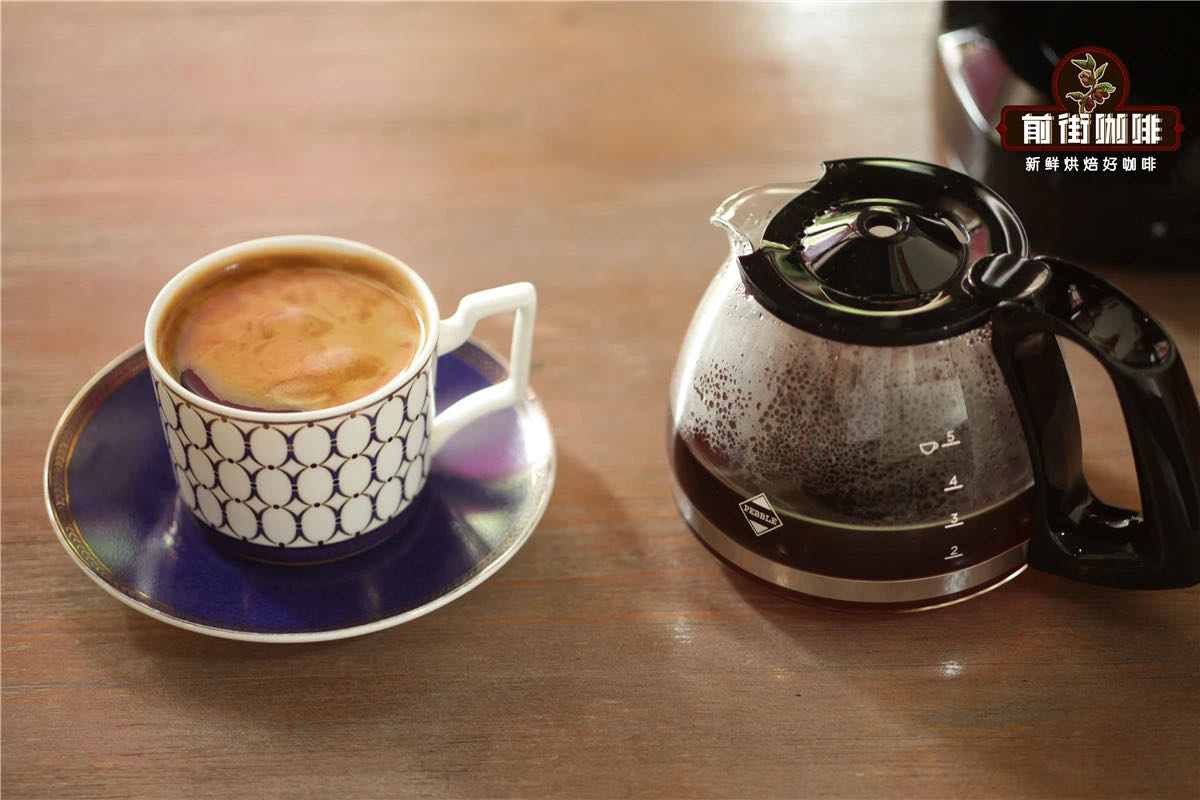
The origin and preparation of AmericanoActually date back to World War II when American soldiers in Europe, upon encountering espresso, were unaccustomed to its intense flavor. They diluted it with hot water to make it closer to their familiar drip coffee style. Over time, this drinking method spread and gradually came to be known as 'Americano.' Common methods include using a drip coffee machine or simply adding hot water to espresso to adjust the concentration. Generally, the coffee-to-water ratio for hot Americano is about 1:4.5, while iced Americano can go up to 1:9, making the overall flavor fresher and more layered.
The flavor differences in blendsHave a significant impact on espresso. Common blend combinations are adjusted in proportion according to needs. For example, some blends include a small amount of Robusta to enhance body and crema performance, suitable for milk-based drinks like lattes. Others emphasize nutty and chocolatey notes, highlighting the clean and pure flavors of Arabica. Some blends also select specific regional beans, such as Brazil, Colombia, or Yirgacheffe, achieving a balance of sweetness, acidity, and body through the fusion of flavors from different origins.
Standard extraction parameters for espressoInclude coffee dose, yield, and extraction time. Generally, the dose ranges between 18 to 22 grams, and the coffee yield is about twice the dose, i.e., extracting 36 to 40 grams of liquid. The most common extraction time is between 25 to 35 seconds. If the time is too short, the flavor may be overly acidic and lack complexity; if too long, it can easily become bitter and dull. Additionally, it’s recommended to use an electronic scale to precisely control the dose and yield, keeping the error within ±0.1 gram to ensure consistent flavor in every shot.
The seven key steps in the extraction processInclude: first, wiping the portafilter basket with a clean cloth to ensure no moisture residue; then, measuring an appropriate amount of coffee grounds with an electronic scale for precise weighing; followed by distributing the grounds evenly in the basket (distribution); next is tamping, applying steady pressure to compact the grounds; then gently tapping the handle to ensure a level surface; after that, inserting the portafilter into the machine and starting the extraction; finally, after extraction, gently tapping the basket and cleaning the group head to maintain equipment hygiene and optimal condition.
A commonly recommended parameter combination is:20 grams of coffee dose, extracting 40 grams of coffee yield, with time controlled around 30 seconds. This setting achieves a balanced ratio of acidity, sweetness, and bitterness along with rich crema, suitable as the base for most espresso-based drinks. If you prefer a stronger coffee, you can slightly adjust the grind size or increase the extraction time, but be cautious as over-extraction can lead to bitterness.
To judge the quality of an espresso, besides observing the color and thickness of the crema, the most direct way is still tasting. However, for more objective evaluation, many professional baristas use a refractometer to measure total dissolved solids (TDS), calculating the extraction percentage to ensure consistent quality. The formula is: (TDS% × yield) ÷ coffee dose = extraction yield, with the ideal range generally being 18% to 22%.
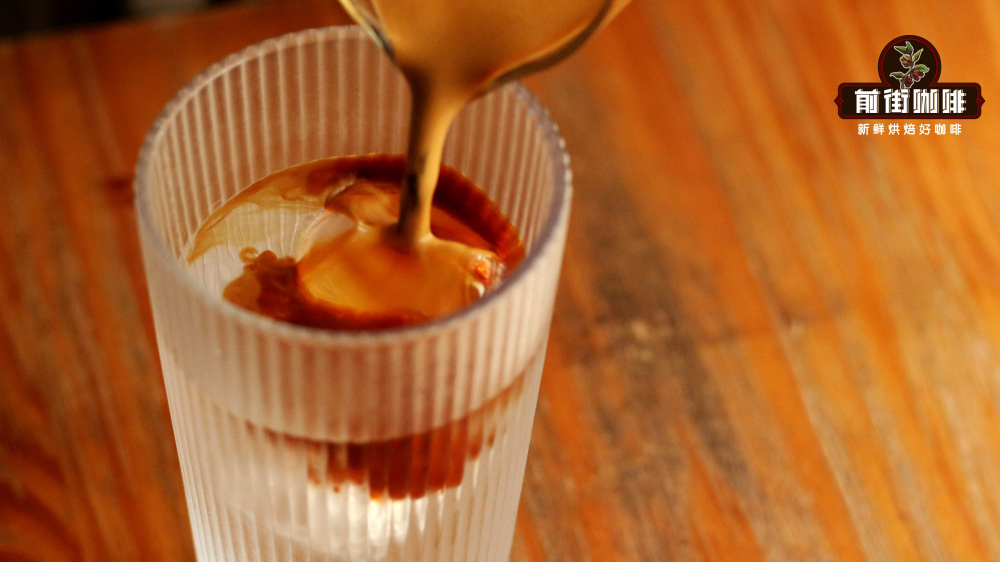
Once you’ve mastered the standard extraction process, you can then try making various classic coffee drinks.Hot AmericanoSimply pour the extracted espresso into a preheated cup and add about 160 ml of hot water;Iced AmericanoInvolves adding espresso to ice cubes and cold water or cold milk for a refreshing taste; whileHot LatteRequires using the steam wand of an espresso machine to create velvety microfoam, mixing an appropriate amount of hot milk with espresso to create a classic drink with a balanced flavor of milk and coffee.
Whether you’re a beginner coffee enthusiast or a barista looking to refine your skills, understanding these fundamental principles and operational details is key to improving coffee quality. Starting with precise control of parameters and gradually adjusting to your preferred taste, you can easily recreate a professional-grade espresso experience at home or in a café.
The above content is compiled by CoffeeHunters, a coffee news website.


