







Introduction:Colombia is the world’s second-largest producer of Arabica coffee. Thanks to its high altitudes and diverse microclimates, it produces a rich variety of specialty and commercial-grade coffee beans. This article delves into the main coffee-growing regions of Colombia, the characteristics of its primary cultivated varieties, the details of the washed processing method, as well as the core logic behind the official grading system. It also provides practical pour over parameters and roasting suggestions to help coffee enthusiasts fully grasp the essence of Colombian coffee—from its terroir to the flavors in the cup.
Thanks to its unique geographical conditions of low latitude and high altitude, Colombia has become an important producer of Arabica coffee worldwide. The climate here is warm year-round, with average monthly temperatures maintained between 25–28°C, and rainfall distributed evenly, allowing coffee trees to grow continuously throughout the year and yield two harvests annually. In the early days, Colombian coffee was mostly used in commercial blends, with flavor not being a major market focus. It wasn’t until after 2001 that the country gradually shifted toward the specialty coffee sector, gradually making its mark on the international market.
Colombia’s coffee-growing regions can be clearly divided into two main categories: specialty and commercial. Specialty coffee beans mainly come from the highland areas at elevations above 1500 meters in the south, including Cauca, Huila, Meta, Tolima, and Nariño. These regions, due to their higher altitudes and significant day-night temperature differences, often produce coffee with distinct berry aromas, delicate acidity, and a long-lasting caramel-like sweetness in the aftertaste. Commercial-grade coffee beans, on the other hand, are concentrated in the central and northern parts, such as Medellín, Armenia, and Manizales. Their flavors tend to be milder, with nutty profiles and caramel notes—typical of the Central American style.
In terms of varieties, the most widely planted in Colombia are Caturra and Catuai. Caturra is a natural mutation of Bourbon, originating in Brazil in 1937. Although it has a shorter tree height that makes harvesting easier, it is less resistant to diseases but has high yield potential. Catuai is a hybrid of Caturra and Mundo Novo, with stronger resistance to wind and rain. Its fruits are firm and come in both red and yellow varieties, though cupping tests usually show that red fruits have a cleaner flavor. Additionally, Castillo, an disease-resistant variety introduced by Colombia’s coffee research institute CENICAFE in 2005, became the main planted variety after the leaf rust outbreak in 2008. There is also a variety named “Colombia,” which shares the country’s name. It is a cross between Caturra and Timor, and through multiple generations of backcrossing, its flavor is closer to that of Arabica while maintaining high yield and disease resistance.
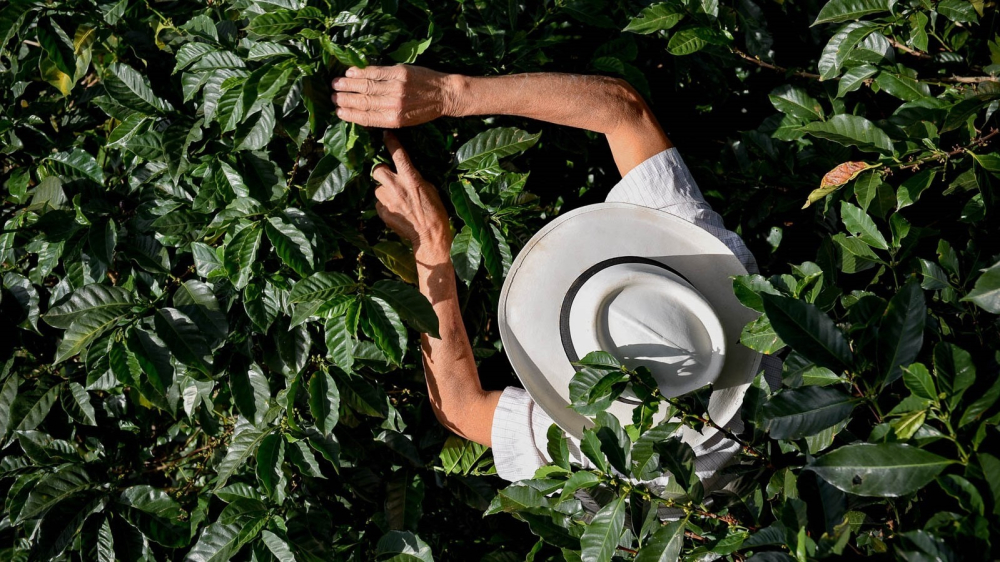 The processing method for Colombian coffee is predominantly washed, especially for specialty coffee, which mostly comes from small and medium-sized independent farms, ensuring relatively stable quality. The steps of washed processing include: first placing the harvested coffee cherries in a water tank, where underripe beans, due to their lower density, float to the surface and are removed; then using a depulper to remove the outer skin and pulp, leaving the beans coated with mucilage; subsequently placing the mucilage-covered beans in a fermentation tank for 16 to 36 hours, where microbes break down the mucilage; finally, thoroughly rinsing them with large amounts of clean water and drying them either in the sun or by machine. This processing method highlights the cleanliness and purity of the coffee’s flavors, making it the preferred choice for many roasters.
Colombia’s coffee grading system is primarily based on bean size rather than flavor profile. The top grade, “Supremo,” refers to beans where over 80% are 17 mesh (approximately 7.5 mm) or larger. However, larger size does not necessarily mean better flavor. Therefore, when purchasing, it is advisable to pay attention to origin information first. Specialty regions at elevations above 1500 meters in the south usually indicate specific provinces and farm names. If not specifically marked, the beans are often intended for general commercial use.
In terms of roasting, to preserve the gentle acidity and rich caramel sweetness of Colombian coffee, most roasters opt for a medium roast and extend the time from the turning point to just before first crack to develop a more balanced sweetness profile. A certain coffee brand offers several Colombian single-origin beans, such as the washed everyday drinker from the Huila region, which features flavors of nuts, dark chocolate, caramel, and soft fruit acidity; Rosas Valley offers rose floral notes, peach, and dessert chocolate tones; Hua Yue Ye presents strawberry jam, fermentation notes, and chocolate; San Jose combines rum, tropical fruits, and maple syrup; Sakura offers basil leaves, berries, and vanilla spices; and Hua Jian showcases pink pepper, chamomile, mandarin orange, and honey among other complex flavors.
For pour over brewing, it is recommended to use a V60 dripper. Its 60-degree conical design with spiral ribs aids in air circulation and even extraction. The optimal water temperature is 90–91°C, with a grind size about that of fine sugar or an 80% passing rate on a Chinese No. 20 sieve, using a 1:15 coffee-to-water ratio and 15 grams of coffee grounds. The three-stage pouring process is as follows: start with 30 grams of water for a 30-second bloom, then pour 95 grams (total around 125 grams) and continue until about 1 minute, when the water level drops to two-thirds of the coffee bed, pour another 100 grams (total around 225 grams) until about 1 minute and 40 seconds, and finish the drip at around 2 minutes. The coffee is best enjoyed within 5 days after roasting to experience its optimal flavor.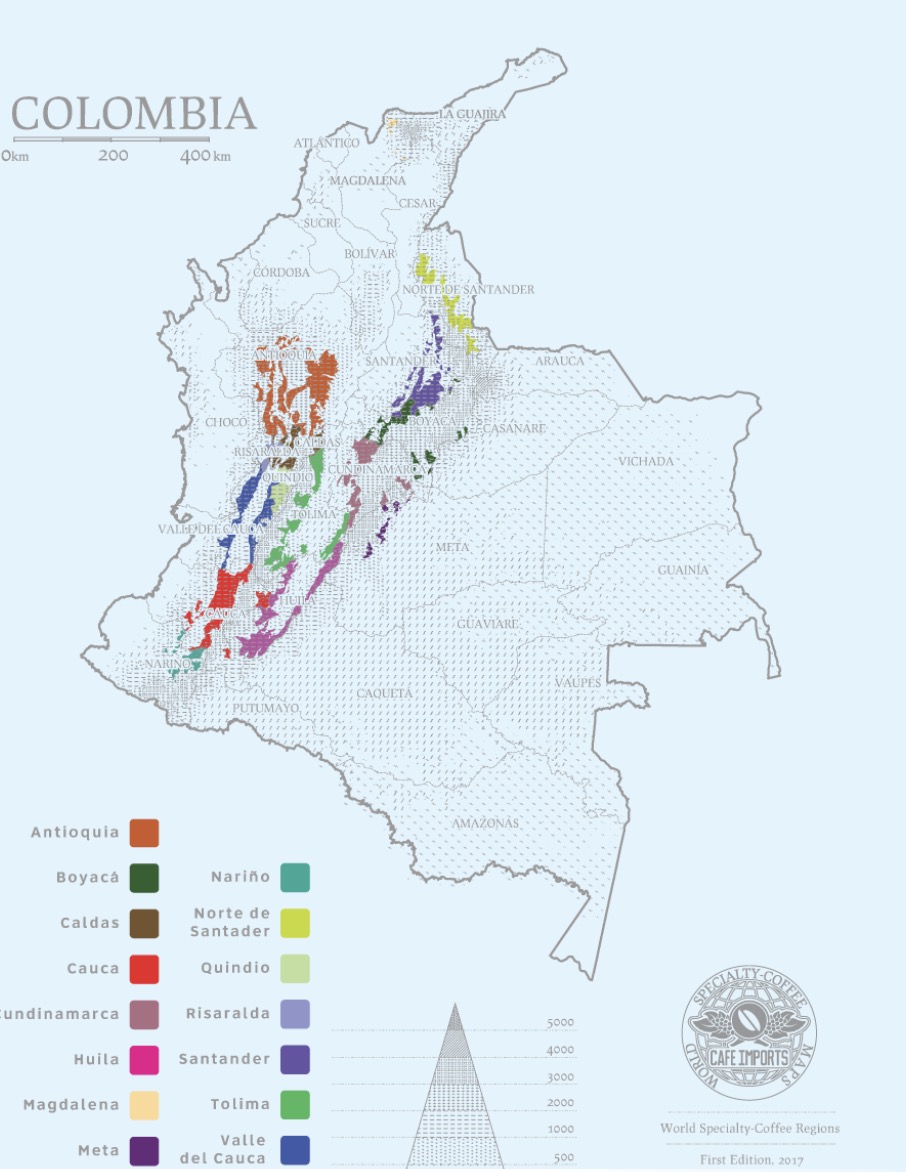
The above content is compiled by CoffeeHunters, a coffee news website.


