







Introduction:Jamaican Blue Mountain No. 1 coffee is hailed as one of the world’s top-tier coffees, and its unique flavor profile is inseparable from its strict origin and grading system. This article delves into the Typica variety heritage of Blue Mountain No. 1, the CIB grading standards, the washed processing method, and explores its classic flavor profile. It also provides practical pour over recommendations and KONO filter parameters to help coffee enthusiasts fully grasp the charm of this national treasure-level coffee.
Blue Mountain coffee has long been regarded as a legend in the coffee world, and only coffee beans of the Typica variety grown at altitudes above 910 meters can truly be sold under the name “Jamaican Blue Mountain.” These beans not only exhibit an exceptionally balanced aroma and taste but also become the dream beans of coffee lovers worldwide due to their rarity and stringent origin restrictions.
Jamaican Blue Mountain No. 1 coffee refers to the highest quality grade of coffee beans produced in the Blue Mountains. This type of coffee is highly acclaimed in the global coffee market for its delicate aroma, excellent balance of acidity, sweetness, and bitterness, as well as its rich and smooth mouthfeel. Its preciousness lies not only in its origin but also in its uniquely favorable growing environment.
The Blue Mountains are located in the northeastern part of Jamaica, surrounded by the sea. Especially on clear days, sunlight refracted from the sea surface illuminates the mountain ranges, giving the peaks a unique bluish halo, hence the name “Blue Mountains.” The highest peak reaches 2,256 meters, making it a famous tourist destination in the Caribbean. However, areas above 1,700 meters have been designated as nature reserves, where farming is entirely prohibited. As a result, Blue Mountain coffee cultivation is confined to elevations between 910 and 1,700 meters, covering a total area of only about 6,000 hectares, contributing to its rarity and value.
Not all coffee produced in the Blue Mountains can be called “Blue Mountain coffee.” Beans grown at altitudes below 910 meters are classified as “Jamaica High Mountain” and “Jamaica Supreme,” both of which show significant differences in flavor and quality compared to high-altitude Blue Mountain coffee, with noticeable price distinctions as well.
The Jamaica Coffee Industry Board (CIB) strictly classifies Blue Mountain coffee into four grades based on bean size and defect rate, with “Blue Mountain No. 1” being the highest grade. This grade selects only top-quality green beans with a size between 17–18 mesh and a defect rate not exceeding 2%. It is precisely because of this rigorous selection process that Blue Mountain No. 1 has become an extremely rare and consistently flavorful top-tier coffee.
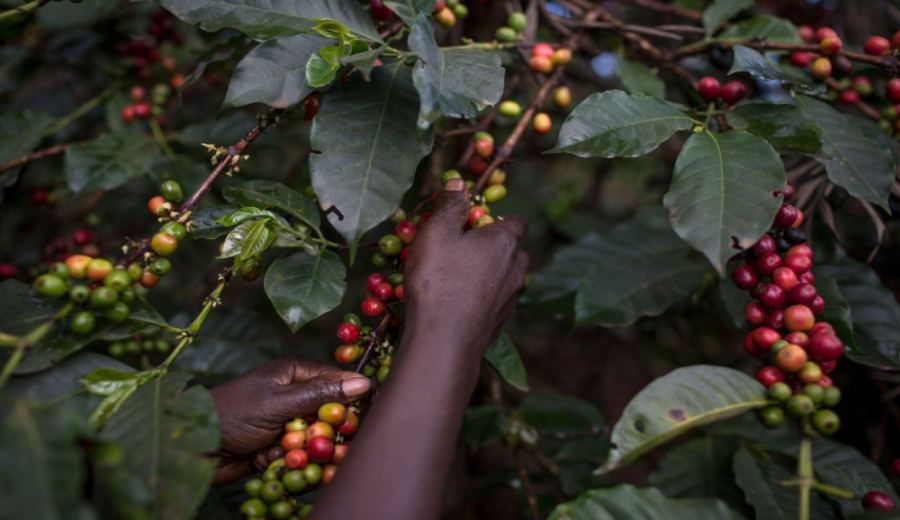
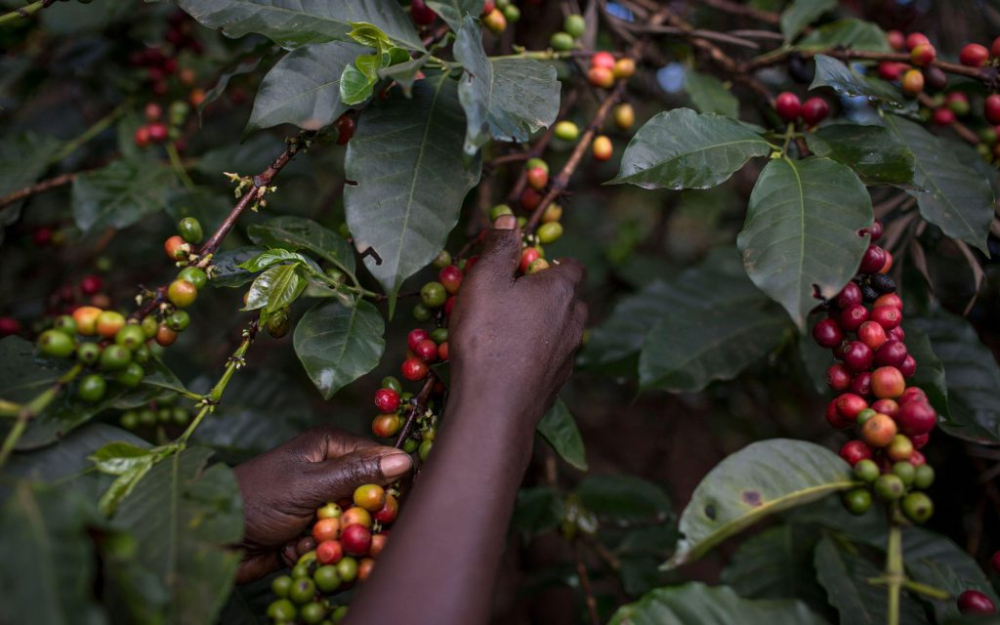
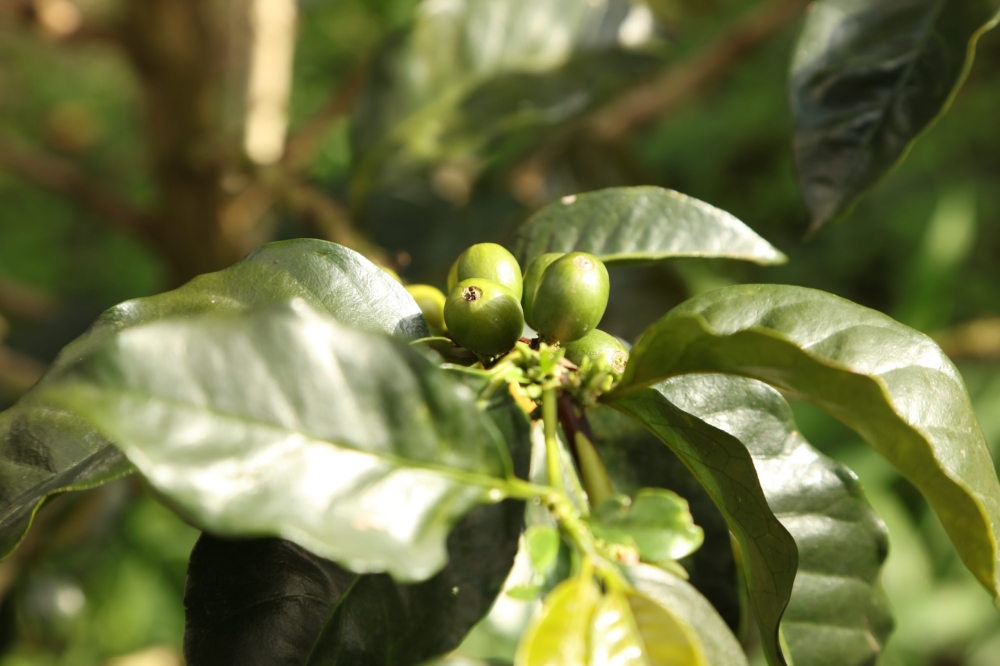
The variety used in Blue Mountain No. 1 is Typica, one of the oldest Arabica coffee varieties, originating from Yemen and widely planted around the world in the early days of coffee trade. The young shoots of Typica coffee are reddish-copper in color, hence it is also known as “red-tipped coffee.” Its beans are slender and oval-shaped, the plants are relatively tall with branches sloping upward, and it has the potential for multi-layered fruity aromas.
However, the Typica variety also has its limitations, including low per-plant yield and weak resistance to coffee leaf rust and coffee berry disease, leading it to be gradually replaced by higher-yield or disease-resistant varieties in many regions. But in Jamaica’s high-altitude environment, after more than two hundred years of natural and human selection, Blue Mountain Typica has developed unique traits adapted to the local climate—not only with enhanced disease resistance but also producing delicate flavor characteristics that are difficult to replicate elsewhere.
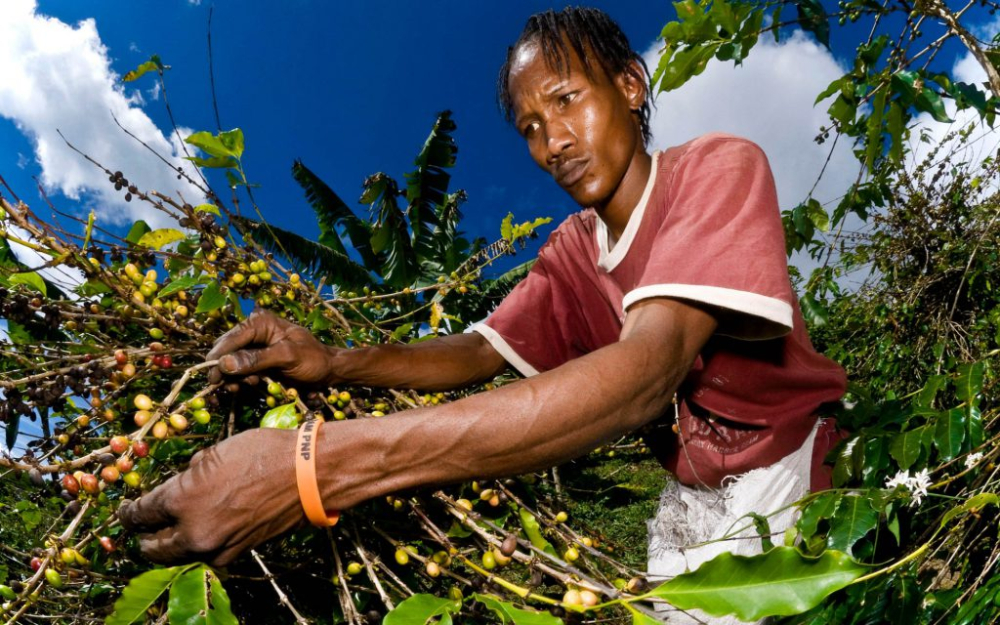
The processing method for Blue Mountain No. 1 coffee beans uses the washed method, which is key to preserving the purity of its flavors. Traditionally, Blue Mountain coffee is processed solely by the washed method: harvested coffee cherries first have their skin and pulp removed, then are placed in fermentation tanks for 12 to 18 hours of fermentation. Next, they are repeatedly rinsed with clean water to remove residual mucilage until the bean surface is smooth and clean. Finally, the parchment-covered beans are evenly spread out and sun-dried until the moisture content drops to 12%–14%. This process effectively reduces off-flavors and excessive acidity caused by over-fermentation, resulting in a coffee with a cleaner, brighter, and more layered flavor profile.
The classic flavor of Blue Mountain No. 1 is built upon a rich base of dark chocolate and roasted nut aromas, accompanied by soft acidity and a full-bodied mouthfeel. The acidity is gentle rather than sharp, the sweetness is pronounced, and the overall flavor structure is balanced and nuanced, with a long-lasting finish—making it the “holy grail of coffee” in the eyes of many coffee connoisseurs.
To faithfully present these flavor characteristics, the brand typically employs a medium-to-dark roast, emphasizing caramelized aromas while retaining some layers of fruit acidity, thus creating a more three-dimensional overall flavor. For extraction, it is recommended to use the KONO filter for pour over to enhance the rich mouthfeel and overall intensity.
The KONO filter, due to its design where the filter paper fits tightly against the cup wall and relies primarily on immersion and slow percolation, can effectively increase coffee concentration and body. Compared to filters like the V60, it is better suited to highlighting the silky texture and steady flavor of Blue Mountain No. 1. This filter is also suitable for other high-body coffees, such as those from Brazil's Queen Estate or Golden Mandheling.
Practical pour over recommendations and parameters are as follows: Use the KONO filter, water temperature around 88°C, a brew ratio of 1:15, grind size recommended to be 75% through a 20-mesh sieve (approximately medium-fine), total coffee dosage 15 grams, using a three-stage pouring method. First, wet the filter paper and add the coffee grounds, then pour 30 grams of water for a 30-second bloom. Next, pour in a small circular motion centered on the grounds up to 125 grams, wait for the bed to lower, then pour the second stage up to 225 grams. Finally, wait for the dripping to finish before removing the filter.
The brewed Blue Mountain No. 1 coffee will showcase the rich sweetness of dark chocolate, the velvety sweetness akin to caramel, as well as delicate and soft acidity. The overall mouthfeel is smooth and full-bodied, making it an excellent choice for experiencing the essence of Blue Mountain flavors.
The above content is compiled by CoffeeHunters, a coffee news website.


