







Introduction:As China’s largest coffee-growing region, Yunnan’s small-bean arabica has long made its mark on the international market. This article takes you through the development of Yunnan coffee from its introduction by French missionaries in 1892 to the present day, analyzes the unique terroirs of the two core regions—Baoshan and Lincang—details the characteristics of Typica, Bourbon, and Catimor varieties, and provides practical pour over parameters and flavor evaluations. It serves as a complete guide for beginners selecting beans and brewing at home.
Walk into a modern café, and Yunnan-grown beans are no longer a rare sight. Not long ago, when discussing specialty coffee, everyone only spoke of Central and South America or Africa. Nowadays, more and more consumers are turning their attention to this golden growing belt located between 15°N and the Tropic of Cancer. As China’s province with the largest coffee-growing area, Yunnan not only cultivates unique regional flavors but also carries over a century of planting history.
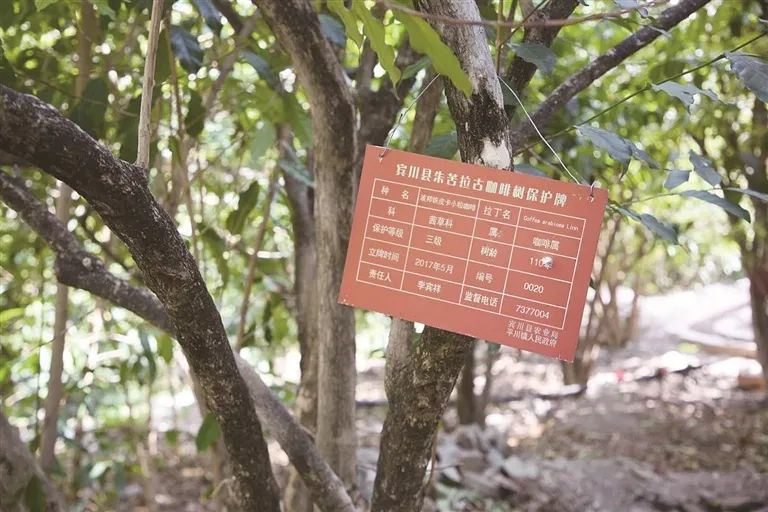
The story of Yunnan coffee began in 1892, when French missionary Térence Joseph Tenré planted the first coffee tree in Zhukula Village, Binchuan County, Dali. This village, situated at the confluence of the Jinsha River tributary Youpao River and at the junction of three regions, still preserves 24 ancient coffee trees over ninety years old. The local Yi people called this place “Ruokelai,” meaning winding mountain paths, which was later renamed the poetic “Zhukula” under the influence of French missionaries, meaning “heaven on earth.”
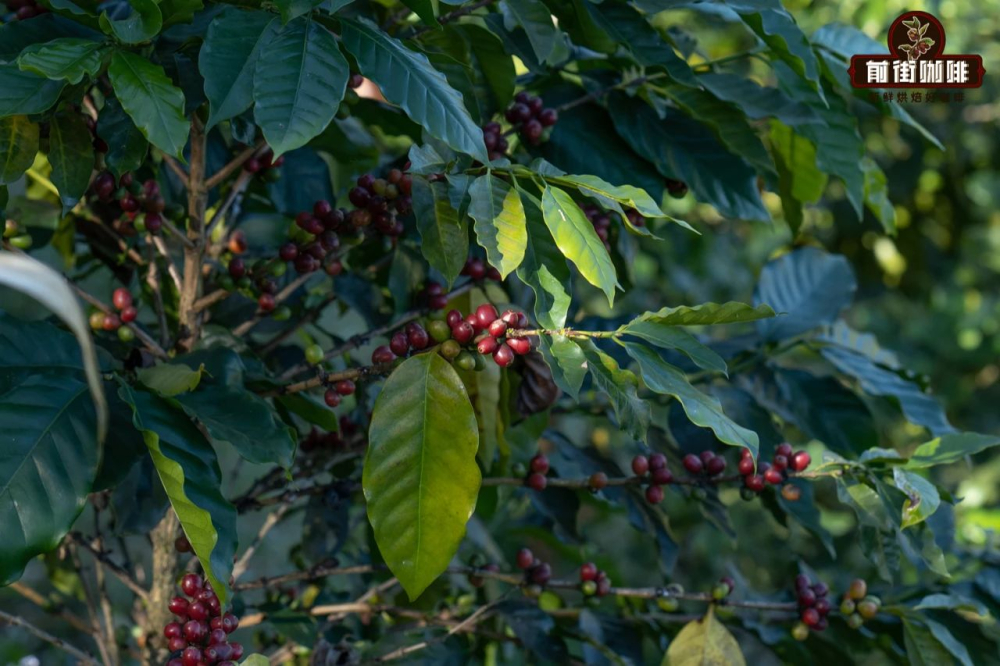
These earliest introduced coffee trees belong to the Typica and Bourbon varieties of Arabica, and they remain an important part of the villagers’ lives in Zhukula to this day. Elders in the village recall that even during economically difficult times, the villagers insisted on preserving every coffee tree and continuing the tradition of self-planting, self-grinding, and self-brewing. This simple coffee culture has earned Zhukula the reputation of “China’s No. 1 Coffee Village.”
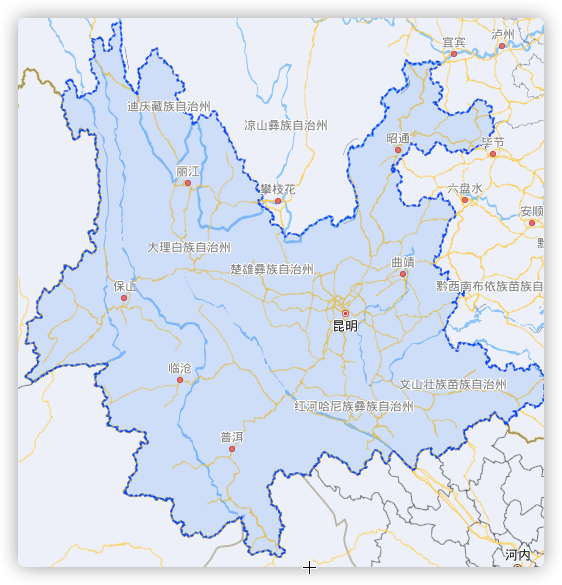
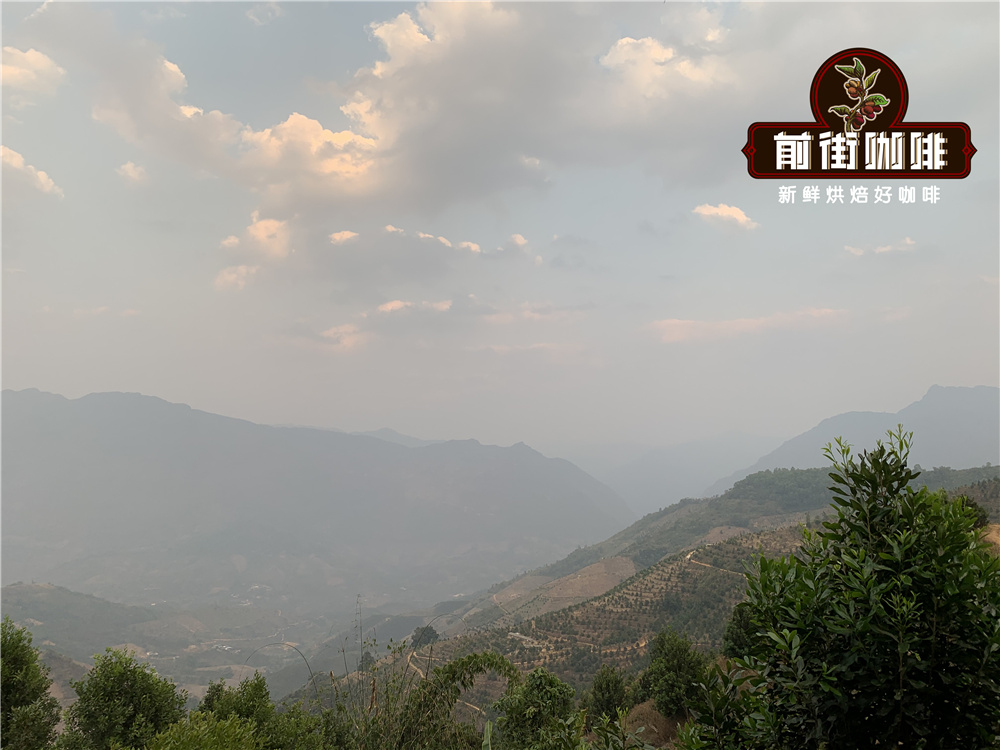
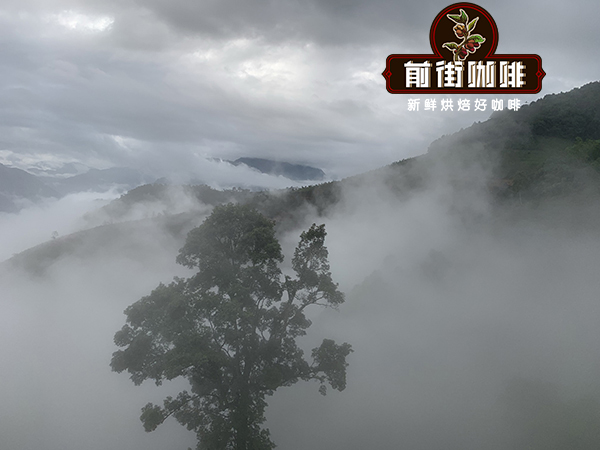
Yunnan’s ability to grow high-quality coffee is inseparable from its unique geographical environment. The province features high terrain in the northwest and low in the southeast, with elevation differences in the western mountainous areas reaching 3,000 meters. Coupled with fertile soil, abundant sunlight, and significant diurnal temperature variations, these factors provide ideal growing conditions for Arabica. Together, they contribute to the unique flavor profile of Yunnan’s small-bean coffee: “strong but not bitter, aromatic but not harsh, with a hint of fruity acidity.”
Currently, the main coffee-growing regions in Yunnan include Baoshan, Lincang, Pu’er, and Dehong. Among them, Baoshan’s Longjiang Dam, with its dry-hot valley climate (average annual temperature of 21.3°C, frost-free year-round), has become the golden land for small-bean coffee.Special note: The Catimor variety grown in Baoshan, though high-yielding, may exhibit astringency issues that need to be monitored.. Lincang, located south of the Tropic of Cancer, with an average annual temperature of 16.8°C to 17.2°C and distinct dry and wet seasons, offers another set of flavor characteristics.
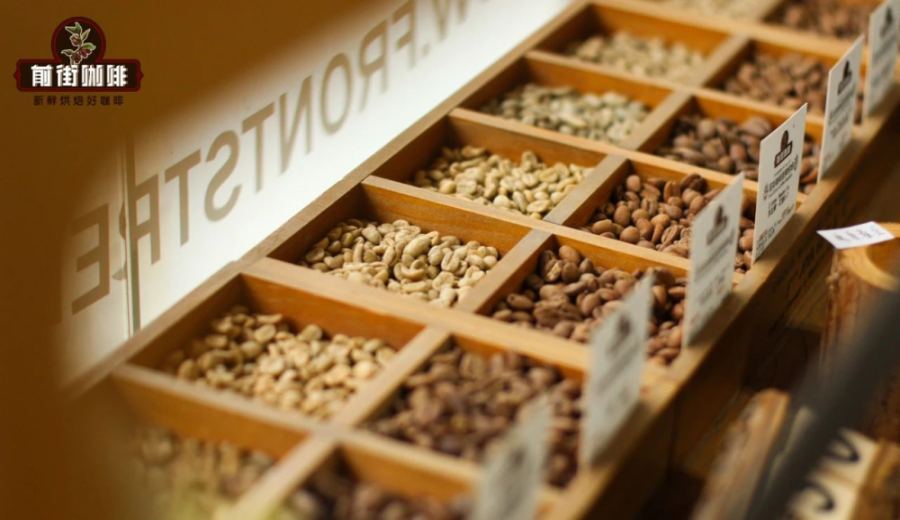
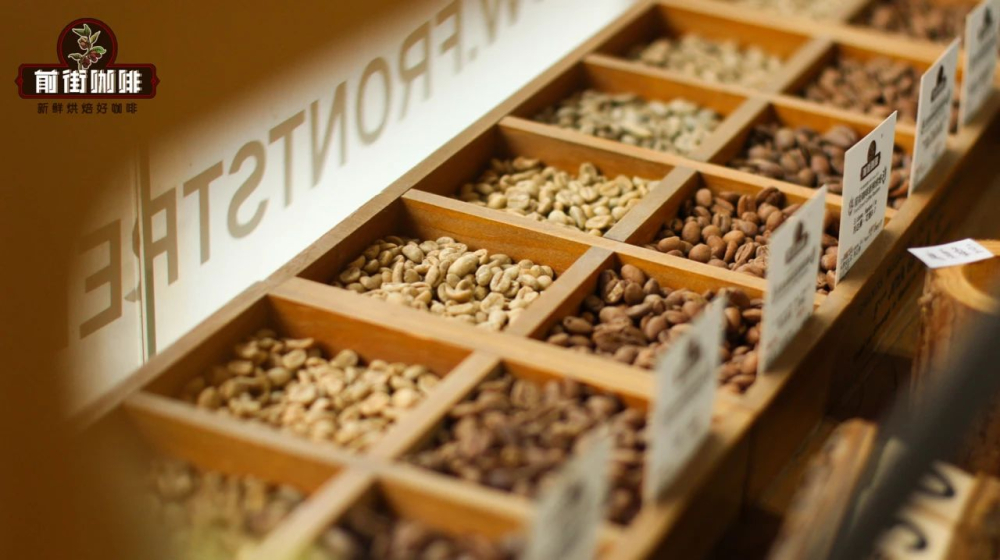
Delving into variety traits, Typica, as the most classic Arabica mutation, boasts exceptional flavor performance (such as bright acidity and delicate mouthfeel), but has gradually declined due to its low yield and susceptibility to leaf rust. Its replacement variety, Catimor, dominates the market (accounting for over 90% of Yunnan coffee), but its 25% Robusta genetic background may bring risks of bitterness and astringency. The Bourbon variety, on the other hand, excels in higher aroma complexity, making it suitable for coffee lovers who pursue layered flavors.
In terms of processing methods, the region generally employs both washed and natural (sun-dried) dual processes.Professional tip: Washed processing better highlights clean and bright flavor characteristics, especially suitable for showcasing nutty and caramel notes.. Empirical data shows that sun-dried beans dried for 200–300 hours exhibit more pronounced berry notes compared to washed versions.
For home brewing, it is recommended to use a Kono filter cone with the following parameters:
• Water temperature: 88°C (Key control point: Avoid excessive heat leading to over-extraction)
• Coffee-to-water ratio: 1:15 (15 grams of coffee grounds to 225 milliliters of water)
• Grind size: 75% passing rate through a standard Chinese No. 20 sieve (similar in coarseness to fine sugar)
Use a pulsed pouring method: start with a 30-second bloom using 30 grams of water, then pour in small circles to reach the first pour at 125 grams, with a total extraction of 225 grams over approximately 2 minutes.
In terms of flavor profile, washed Yunnan small-bean coffee presents a distinct nutty base, accompanied by herbal and caramel undertones; while sun-dried Typica versions showcase richer berry acidity and brown sugar aromas, with a more pronounced sweetness. These characteristics make Yunnan beans suitable both as everyday drinking coffee and for blending creativity.
From the ancient coffee forests of Zhukula to the large-scale planting of modernized producing regions, Yunnan coffee has walked a path that blends tradition and innovation. Whether you’re a fan of the classic flavors of Typica or a supporter of the high-yield and stable Catimor, this diverse region offers a wealth of choices. Remember, good Yunnan coffee requires precise brewing parameters and freshly roasted beans to fully express its unique regional character.
The above content is compiled by CoffeeHunters, a coffee news website.


