








Introduction:As an important coffee-producing region in East Africa, Tanzania features distinct characteristics in both its Mount Kilimanjaro and southern growing areas. This article delves into the variety profiles, processing methods, and flavor profiles of these two major regions, and provides practical medium-light roast and three-stage pour over parameters to help coffee enthusiasts grasp the rich body and unique sweet-acid balance of Tanzanian coffee.
Tanzania is one of the most representative coffee-producing countries in East Africa, with its Mount Kilimanjaro region being the most renowned. The country’s coffee cultivation history dates back to the period when missionaries introduced the Bourbon variety. As the location of Africa’s highest peak, the high-altitude environment of Mount Kilimanjaro offers exceptionally favorable conditions for coffee growing.

Although located near the equator, Mount Kilimanjaro enjoys a cool and variable climate due to its high elevation. In particular, windward slopes can receive annual rainfall of 1600 to 1800 millimeters. Coupled with fertile volcanic soil, this creates an ideal environment for coffee cultivation. Coffee from this area typically exhibits a honey-like sweetness, along with complex flavors such as citrus and nuts.
In terms of processing methods, most regions in Tanzania, due to abundant rainfall, generally adopt the washed process. The washed process includes initial screening to remove impurities, depulping to remove the fruit flesh and outer skin, fermentation in tanks to remove the mucilage layer, followed by thorough washing with clean water and drying to achieve a moisture content of around 11%. This method helps preserve the coffee’s cleanliness and clear flavor profile. One coffee brand’s purchase of coffee from the Mount Kilimanjaro region was washed Typica, with its silver skin midline retained, though it should be noted that excessive silver skin may affect extraction uniformity after grinding.
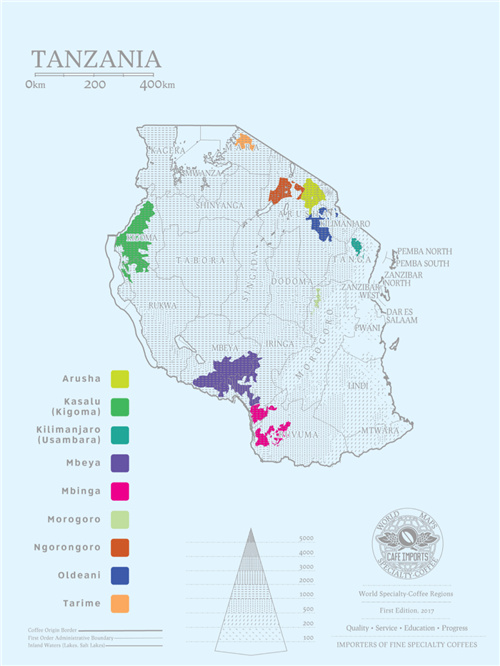
The varieties planted in the Mount Kilimanjaro region include Typica, Bourbon, and Kent. Among them, the Typica selected by one coffee brand is a historic variety known for its excellent aromatic expression and balanced sweet-acid profile, but it has relatively low yield and is susceptible to leaf rust. The new-season green beans from this region have higher moisture content, so it’s necessary to extend the initial dehydration phase during roasting to ensure even heating of both the bean surface and core. To enhance sweetness and acidity while showcasing floral and fruity aromas, a medium-light roast strategy was adopted, with caramelization reactions moderately extended after the first crack.
Cupping results show that this coffee presents notes of citrus, nuts, and honey when hot, accompanied by a gentle creamy sensation; as the temperature drops, it gradually reveals acetic acid, cocoa, and subtle spicy spice flavors. Overall, its sweetness is medium to high, close to the richness of honey, while its acidity is relatively mild—not as pronounced as Kenyan beans—and occasional slight astringency may appear upon cooling.
For the above flavor characteristics, it is recommended to use 15 grams of coffee beans with a 1:15 coffee-to-water ratio, set the water temperature at 90°C, and grind to a fineness equivalent to BG #6M (medium-fine), using a V60 filter. The actual pour over process employs a three-stage pouring method: first, a 30-second bloom with 30 grams of water, followed by pouring in small circles to reach 125 grams for the first pour, then continuing until 225 grams just before the coffee bed is about to be exposed, after which the brewing stops. Finally, the filter is removed when the water level nears the coffee bed again, with a total extraction time of about 2 minutes. This parameter setup helps highlight the coffee’s dominant citrus and nut notes, and delivers a smooth mouthfeel and dark cocoa finish. Upon cooling, honey sweetness and faint spice notes become more apparent, while astringency is reduced.
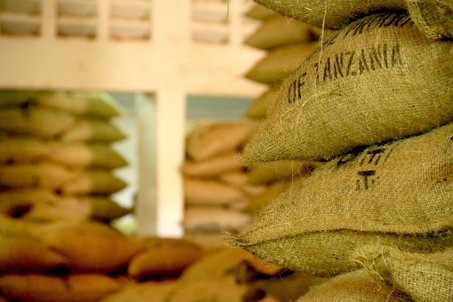
In addition to the northern Mount Kilimanjaro region, the southern growing areas of Tanzania also deserve attention. Although both regions use the washed process, the southern coffees are predominantly Bourbon varieties, which naturally possess higher sweetness and brighter acidity, as well as better yields than Typica, although leaf rust prevention remains essential.
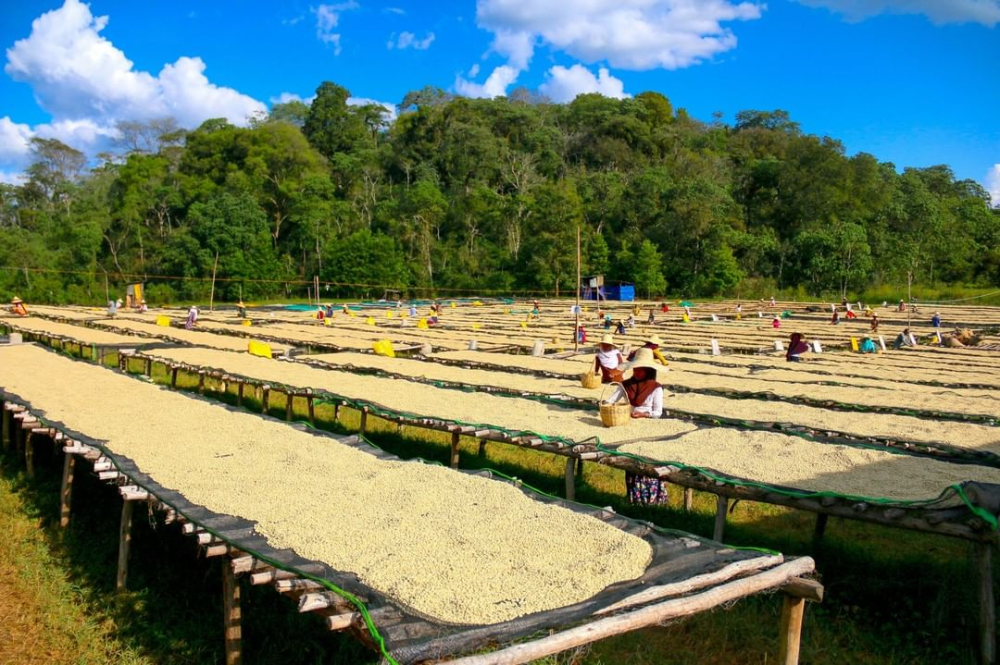
Coffees from the southern region also undergo medium-light roasting to enhance their fruity and floral characteristics. During cupping, their dry aroma carries notes of berries and slight fermentation, while the wet aroma reveals layers of berries and flowers. On the palate, a fusion of citrus, caramel, nuts, and fermentation flavors can be perceived, with a clear and layered overall flavor profile. Using the same three-stage pour over parameters can emphasize its rich floral notes and berry acidity, while the later stages bring a soft nutty tone. The overall performance is relatively mild yet dynamic.
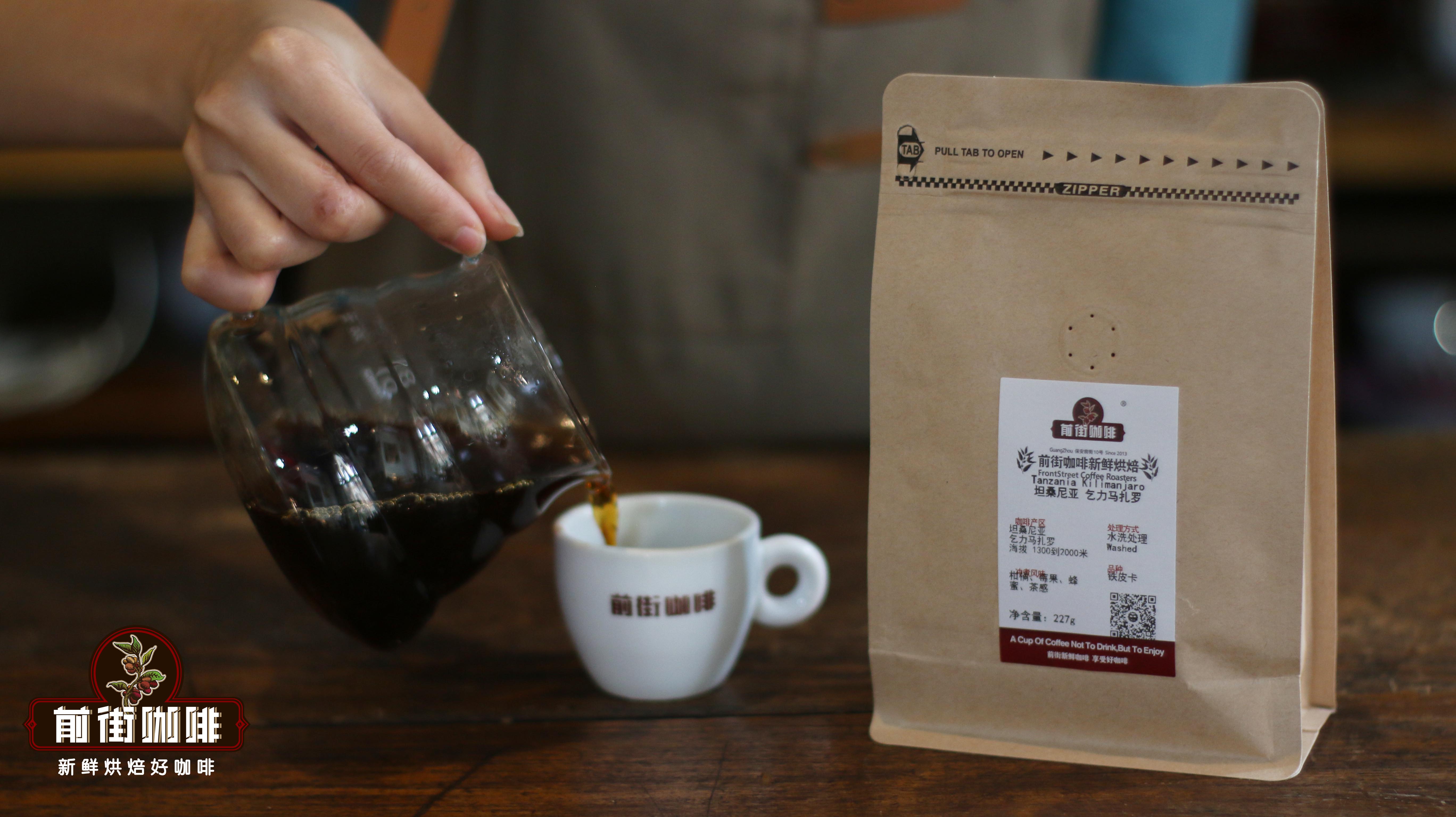
Overall, the coffee from the Mount Kilimanjaro region excels in its rich body and mineral-like sweetness, with bright acidity and a structured profile, thanks to the fertile volcanic soil. In contrast, the southern region showcases more abundant floral and wine-like notes along with softer acidity, making it suitable for those who prefer fruity profiles. The European market once dubbed Tanzanian coffee the “gentleman of coffee,” precisely because of its unique charm combining richness, balanced acidity, and intense aroma. Consumers can choose the growing region and flavor profile that best match their personal taste preferences.
The above content is compiled by CoffeeHunters, a coffee news website.


