







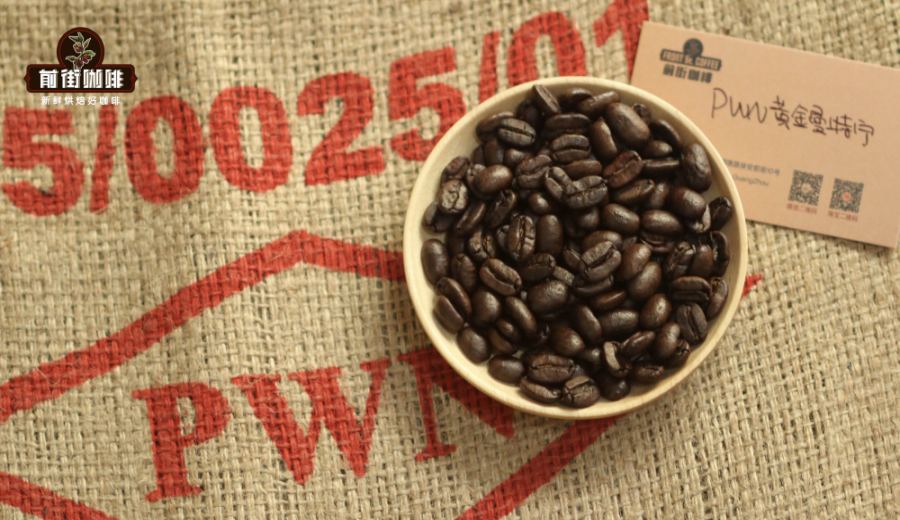
Introduction:Sumatra Mandheling coffee is widely loved for its rich, full-bodied texture and distinctive herbal-spicy flavor profile, thanks in large part to the region's unique wet-hulling processing method. This article takes an in-depth look at classic varieties such as Lintong Mandheling, Golden Mandheling, and Aged Mandheling, exploring the growing regions, processing characteristics, and offering practical pour-over recommendations and extraction parameters to help coffee enthusiasts fully appreciate the layered flavors of Mandheling.
Mandheling coffee has long been a top choice for many coffee drinkers due to its deep, mellow taste and steady aromatic profile. Grown on Indonesia’s Sumatra Island, it showcases complex flavors such as herbal notes, spices, and dark chocolate, all thanks to the area’s distinctive geography and wet-hulling technique—making it a classic representation of fine Southeast Asian coffee.
The Diverse Faces of Specialty Mandheling
Due to differences in terrain and altitude, coffee production on Sumatra is primarily concentrated in the highland regions of Aceh and North Sumatra, at elevations of around 750 to 1500 meters. The tropical rainforest climate, with high temperatures and humidity year-round, is highly suitable for growing Arabica varieties. While most low-altitude areas focus on commercial beans, the specialty-grade Mandheling produced in these highlands is renowned for its unique processing methods and terroir-driven flavors.
Depending on the producing region and bean selection criteria, Mandheling can be divided into various types such as Lintong Mandheling, Golden Mandheling, and Aged Mandheling. Lintong Mandheling mainly comes from the area around Lake Toba in North Sumatra and is the most commonly seen version on the market. Its flavor is dominated by herbal and earthy notes, making it a daily favorite among many coffee aficionados.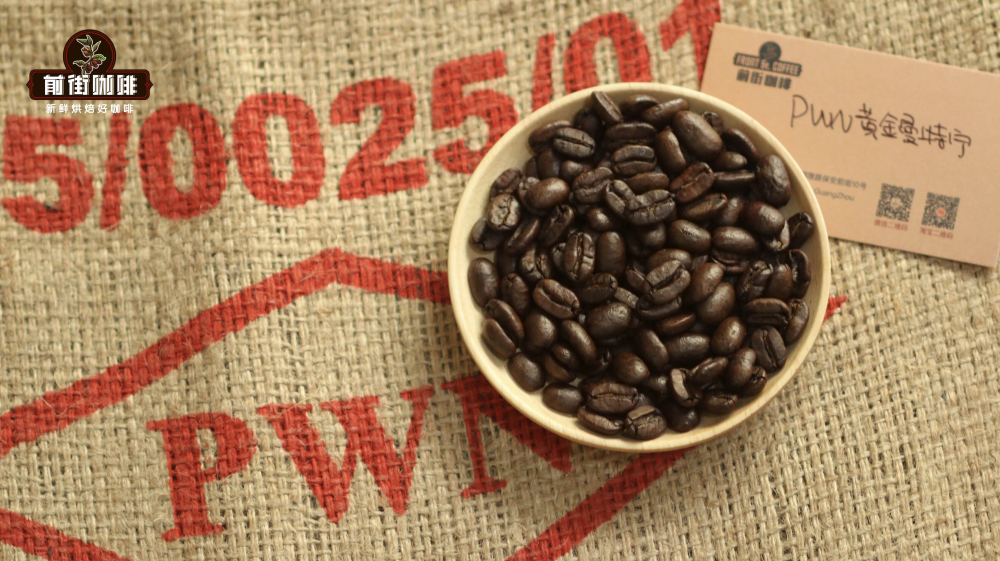
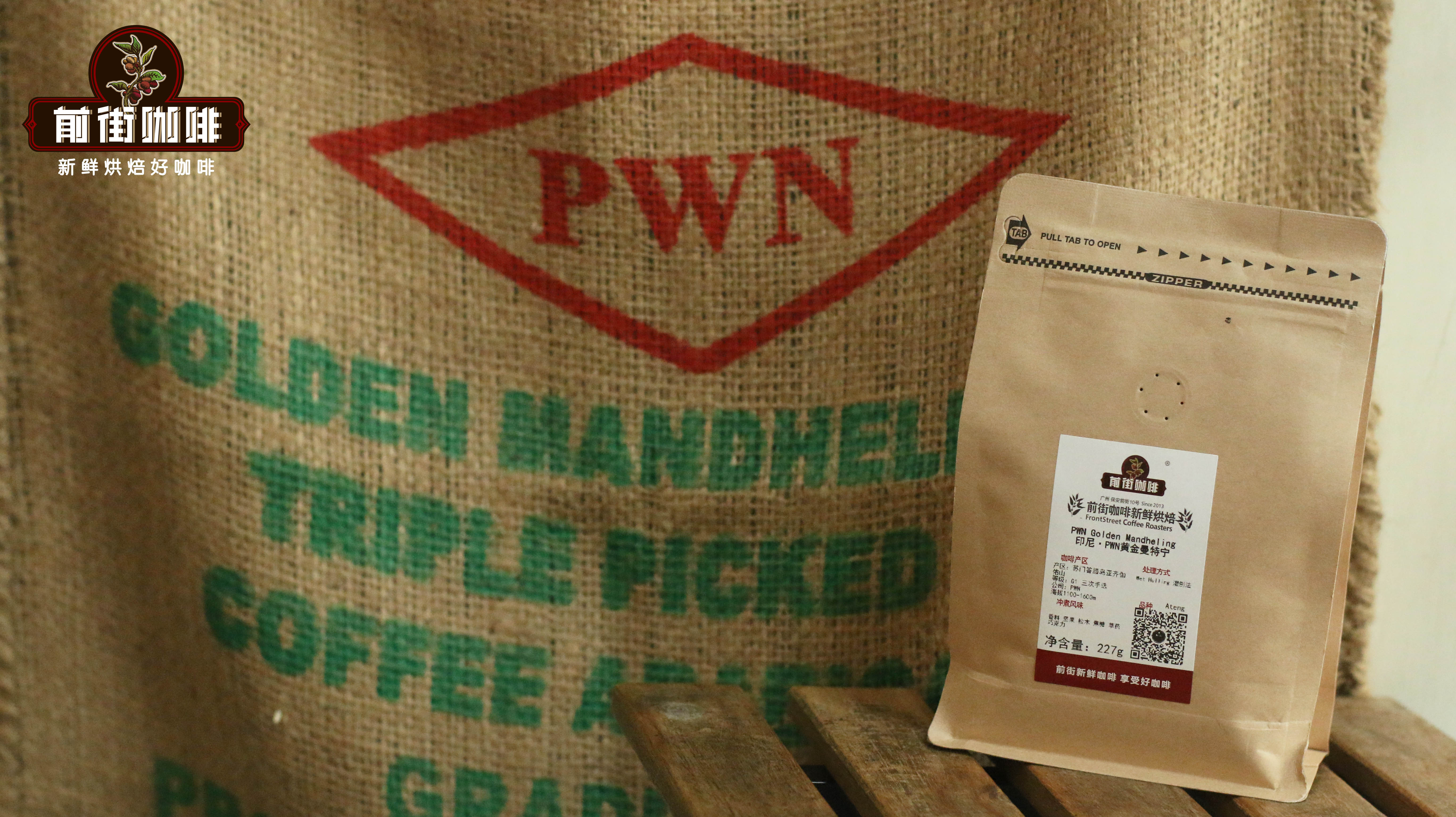
Golden Mandheling is the flagship product of Indonesia’s PWN company and the only bean variety authorized to use the “Golden Mandheling” trademark. These beans are carefully selected, consisting of G1 grade beans sized 18 mesh and above, and undergo multiple rounds of both manual and mechanical screening to ensure uniform bean size and an extremely low defect rate. As a result, the overall cup is cleaner and brighter, with more pronounced body and sweetness.
In addition, Aged Mandheling is processed through prolonged maturation, which reduces acidity over time while enhancing sweetness and body—making it ideal for those who prefer low-acid, steady profiles. Tiger Mandheling, on the other hand, is notable for its herbal and earthy nuances, delivering an alternative take on Southeast Asian coffee character.
Wet-Hulling: Sumatra’s Indigenous Wisdom
Indonesia, located near the equator, experiences high temperatures and humidity year-round with frequent rainfall. The average annual humidity ranges from 70% to 90%, and annual rainfall can exceed 2000 mm. Such climatic conditions make traditional sun-drying or washed processing methods extremely challenging, leading to the development of the unique “wet-hulling” (or Wet Hulling) process.
The wet-hulling process generally follows these steps: First, harvested coffee cherries are depulped to remove the skin and fruit flesh, then soaked in water tanks for a few hours of brief fermentation to remove most of the mucilage. Next, they are rinsed with clean water, and the parchment-covered beans are partially dried until their moisture content is reduced to around 30%–40%. This stage usually takes about 2–3 days, after which the semi-dried parchment beans are sold to processing mills. The mills then use specialized machines to remove the parchment layer. During this high-friction process, the green beans are often compressed, resulting in the so-called “elephant ear” bean shape. However, this also allows the beans to reach a moisture content of 12%–13% more quickly, significantly shortening the overall processing time.
Because this method reduces the degree of fermentation, acidity is less pronounced. Instead, it enhances the body and unique regional characteristics—such as dark chocolate, spices, caramel, and subtle woody notes—creating the classic profile of Sumatran coffee.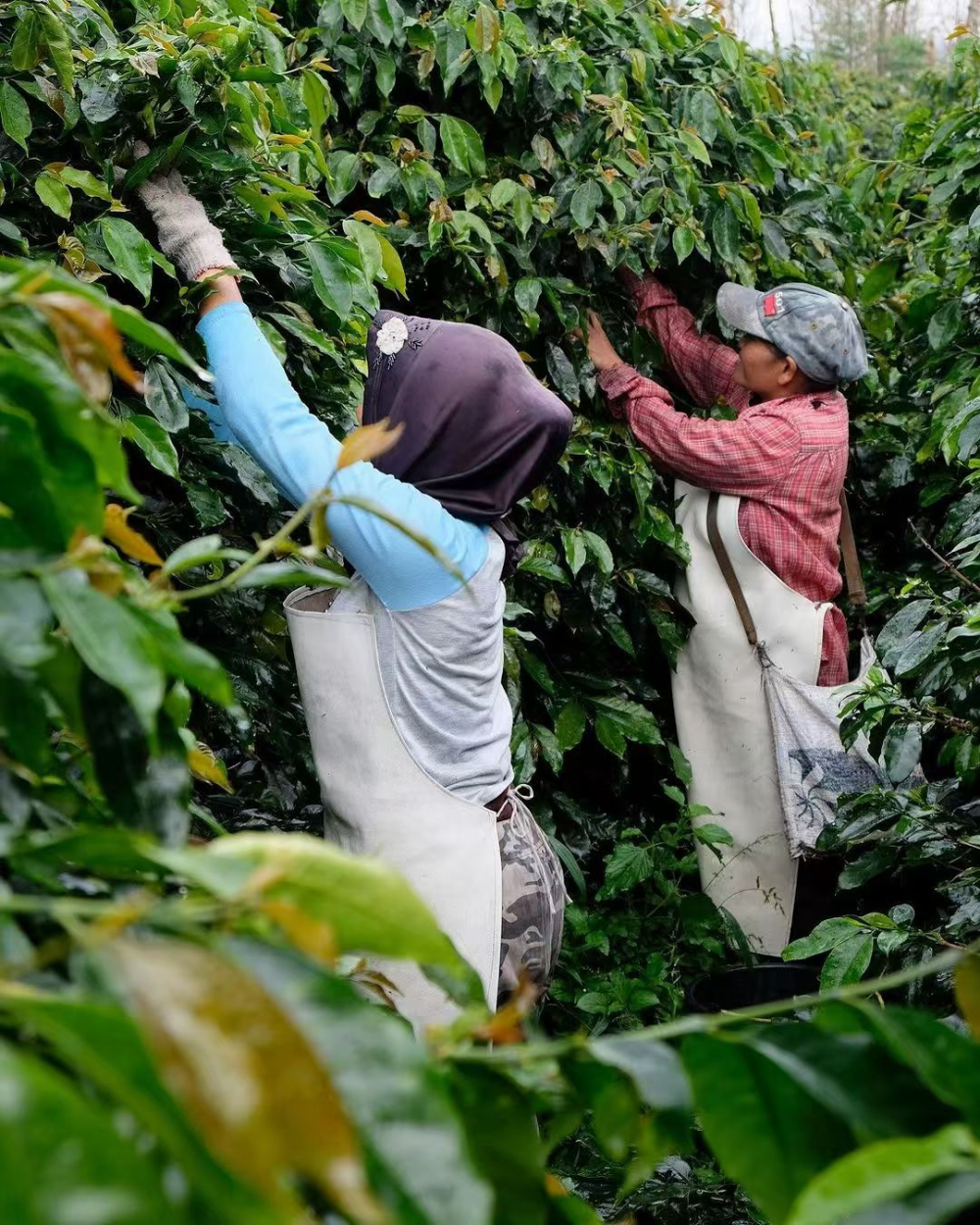
Pour-Over Brewing Tips for Golden Mandheling
To fully highlight the rich body and herbal-spice flavors of Golden Mandheling, it is recommended to use a medium-dark roast and allow the beans to rest for 7–10 days to facilitate degassing and flavor development. For optimal flavor, it is best to use beans that are no more than 5 days post-roast.
In terms of grinding and extraction, a medium-coarse grind (such as one that allows about 70% of the beans to pass through a Chinese standard No. 20 sieve) is advised, along with a water temperature controlled at87~88°Cto avoid over-extraction and excessive bitterness caused by too-high temperatures. It is recommended to use a KONO filter cone, whose unique flow-guiding design minimizes air turbulence, leading to more stable extraction and helping enhance body and aroma.
Suggested pour-over parameters are as follows: 15 grams of coffee grounds, with a coffee-to-water ratio of1:15, using a total brew water volume of 225 grams, employing a three-stage pouring method. First is the bloom phase, where you pour hot water equal to twice the weight of the coffee grounds (about 30 grams) and let it bloom for 30 seconds. Then, in the second stage, pour water in a circular motion from the inside out up to 125 grams. Once the water level drops, proceed to the third stage, pouring up to 225 grams. The entire process should be completed withinabout 2 minutes, and finished by gently swirling the brew before enjoying.
Flavor Profile and Sipping Experience
Even during the grinding stage, Golden Mandheling emits strong roasted hazelnut and chocolate aromas, with caramel sweetness becoming particularly noticeable during blooming. Upon tasting, it presents layers of dark chocolate, nuts, caramel, and subtle fruit sweetness. As the temperature cools, herbal and spicy notes gradually emerge, leading to a long, balanced finish. The overall flavor is rich yet clear, making it an excellent choice for experiencing the classic characteristics of Sumatran coffee.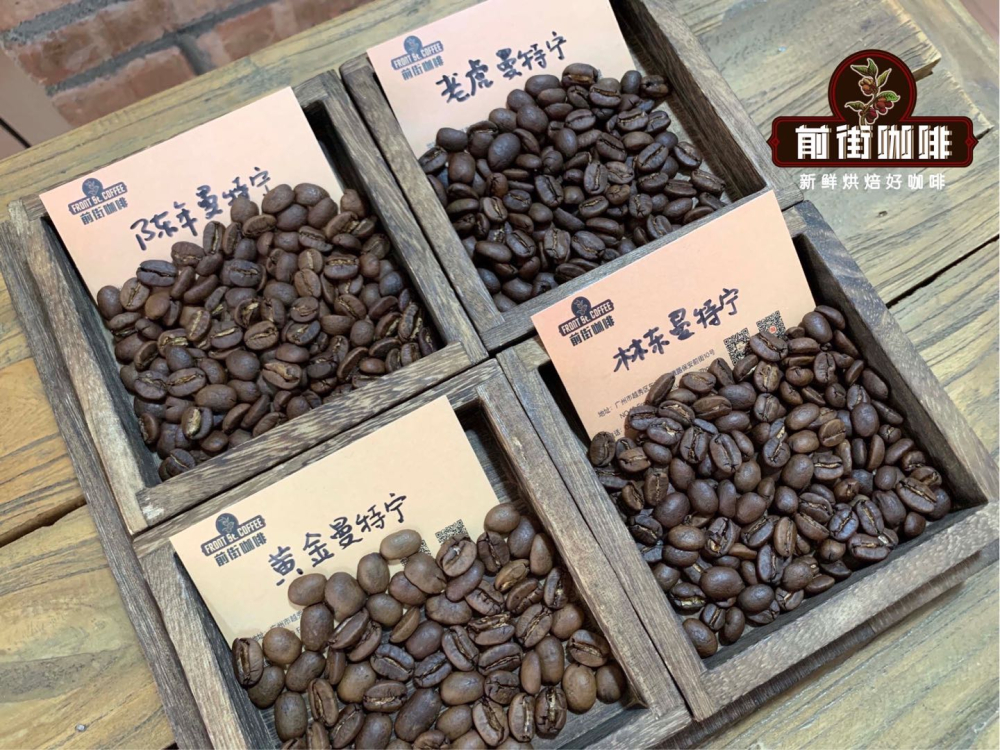
The above content is compiled by CoffeeHunters, a coffee news website.


