







Introduction:Espresso is an essential foundation for many classic coffee beverages. Mastering its brewing technique allows you to enjoy a professional-level coffee experience at home. This article will delve into the two core elements of Espresso — the Crema (coffee foam layer) and its intense flavor — and provide a detailed walkthrough of the entire process, from dosage, tamping, extraction time to brew ratio. Practical advice is also included to help beginners consistently pull rich, full-bodied espresso shots with a good crema.
Espresso is the representative of Italian-style coffee, extracted under high pressure and temperature in a short period to produce a concentrated coffee liquid. It serves as the base for many classic coffee drinks such as lattes and cappuccinos. A high-quality espresso not only has a strong taste but also features a thick Crema (coffee foam) and deep aroma, serving as important indicators of coffee quality.
When learning to make Espresso, there are two key characteristics that absolutely cannot be overlooked: the golden, fine Crema on the surface and the overall intensity and concentration of the flavor. These two aspects not only affect appearance and mouthfeel but also directly reflect the quality of the coffee beans and the precision of the extraction technique.
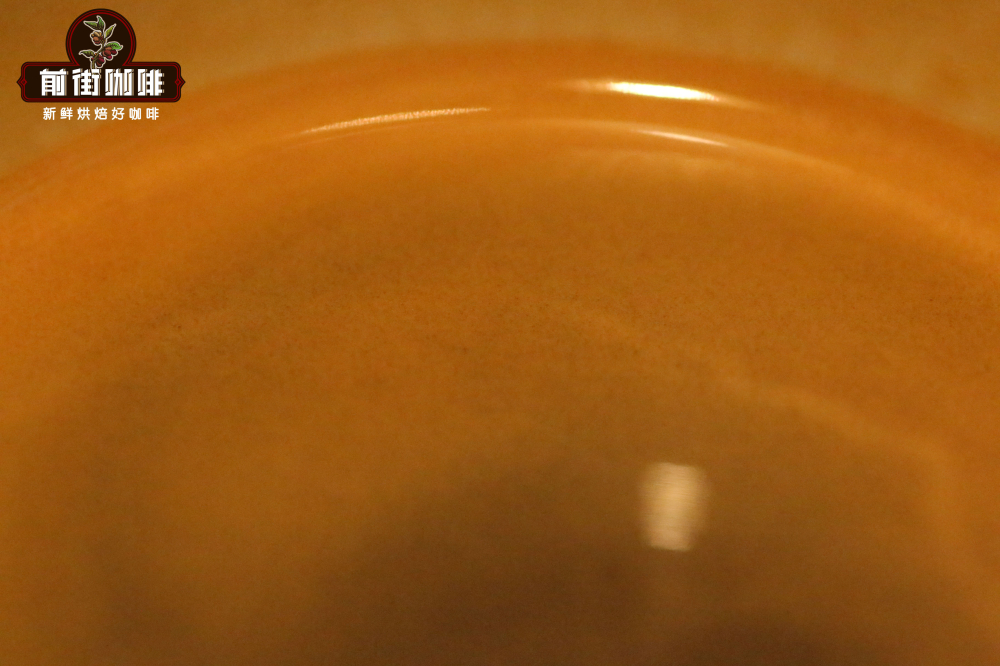
Crema is the fine, golden to brownish foam layer on the surface of an espresso. It is formed when carbon dioxide released from the coffee beans under high pressure mixes with water and oils. Freshly roasted coffee beans usually contain more gases, which can release more bubbles during extraction, resulting in a thick and velvety Crema. Conversely, if the coffee beans have been stored for too long, the internal gases gradually dissipate, and the resulting foam becomes thin or may even disappear. In addition, the color of the Crema is also related to the roast level; dark roasts often produce darker foam due to pronounced Maillard reactions, and the flavor tends to be more intense.
Apart from Crema, another important characteristic of Espresso is its high concentration. To extract enough soluble substances within just 20 to 35 seconds, the coffee grounds must be ground very finely and extracted under around 9 bars of pressure. This combination of high pressure and high concentration gives each sip of Espresso a strong flavor impact, while also leaving a long-lasting aftertaste after drinking.
For home users or beginners, understanding and controlling extraction parameters is key to making a good Espresso. First is the choice of coffee dosage; for a common double basket, it is recommended to use about 18 to 20 grams of coffee grounds. Next is the coffee-to-water ratio; a 1:2 ratio is generally recommended, meaning 20 grams of coffee grounds yield about 40 grams of coffee liquid. This ratio balances intensity and mouthfeel. As for extraction time, it is advised to keep it between 20 and 35 seconds, with the optimal range typically being 28 to 30 seconds. Too short may lead to under-extraction and a weak flavor, while too long can result in over-extraction, producing noticeable burnt and bitter notes.
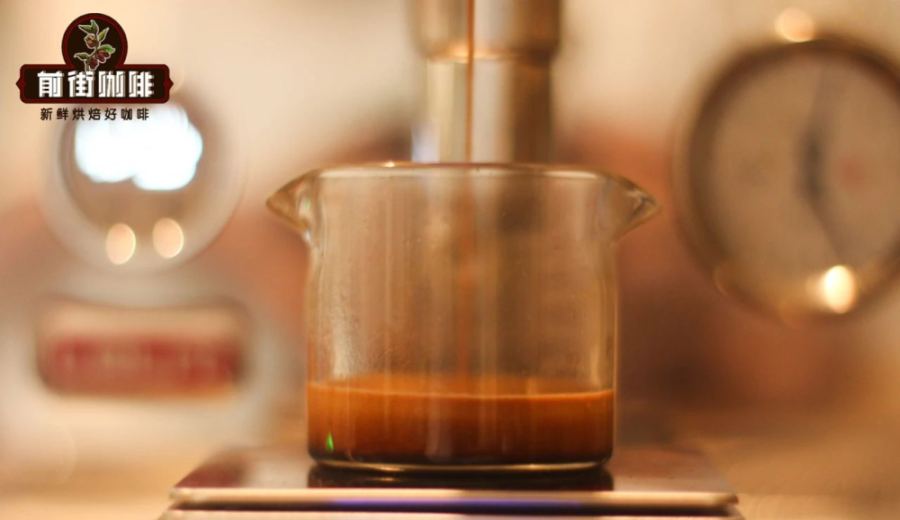
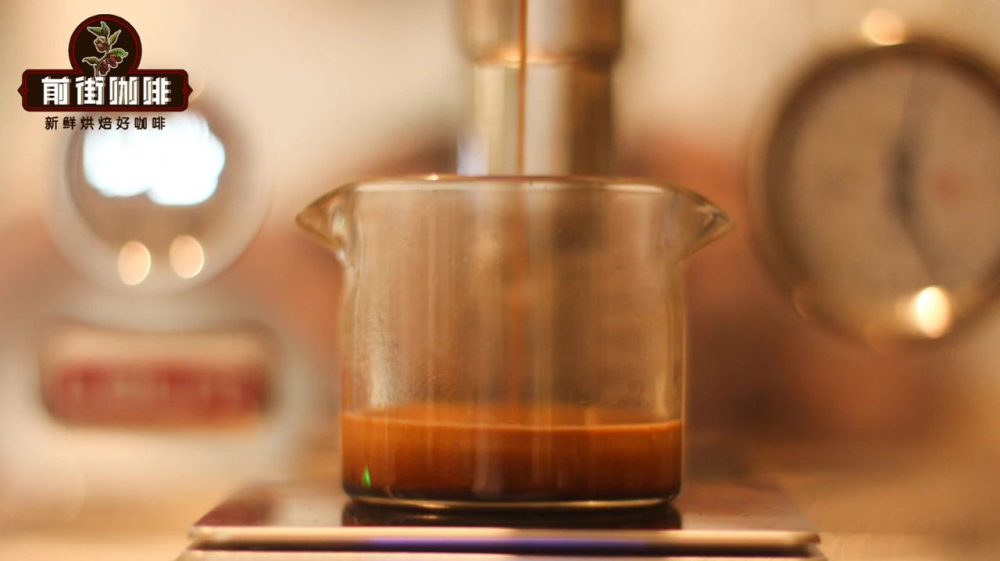
In practice, first place the ground coffee into a dry portafilter basket, then use a tamper to compress the coffee grounds. This step is called “tamping,” and its purpose is to ensure a stable flow of water through the coffee during extraction, avoiding channeling. Next, you can pre-wet the group head to rinse out any residual coffee grounds, then securely attach the portafilter to the machine and start the extraction. When the scale shows the target coffee liquid weight (e.g., 40 grams) is reached and the time falls within the recommended range, you can stop the extraction, pour out the coffee, and enjoy.
The flavor profile of Espresso largely depends on the type of coffee beans used and their blend ratio. Taking common blends as examples, some combine the nutty character of dark roasts with intense chocolate notes, suitable for making Americanos or pairing with milk; others emphasize fruity and wine-like aromas, with Crema that appears deep in color, ideal for straight consumption. Selecting coffee beans that suit your taste preferences and equipment conditions is one of the keys to improving the success rate of home Espresso brewing.
For beginners, it is recommended to start with dark-roasted, well-balanced blends, as these beans are usually easier to extract into stable, crema-rich Espresso shots. Whether making an Americano or a latte, they can deliver satisfying results. At the same time, attention should also be paid to adjusting the grinder’s fineness, as well as the pressure and evenness of tamping — these details directly impact the final extraction outcome.
The above content is compiled by CoffeeHunters, a coffee news website.


