







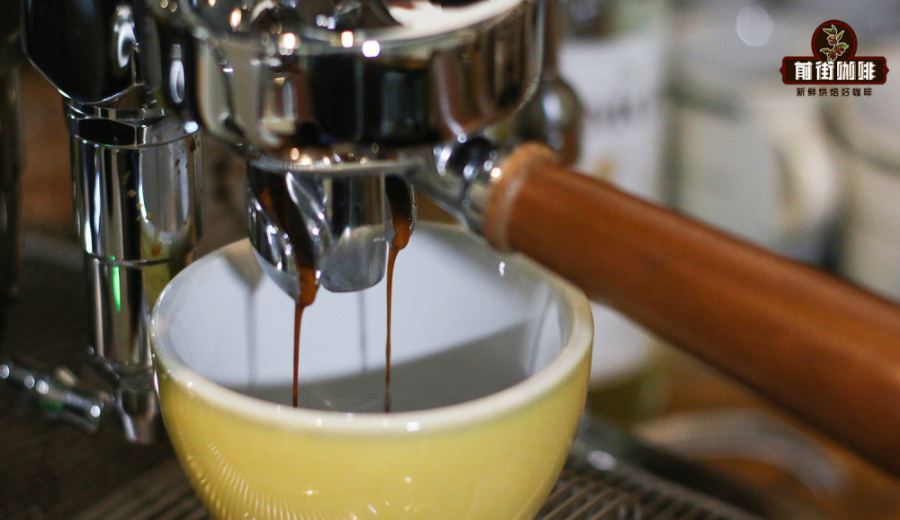
Introduction:Espresso is the soul base of many specialty coffee drinks and also a top choice for many coffee enthusiasts to enjoy on its own. Understanding the difference between a single shot and a double shot, and mastering the characteristics of espresso such as cleanliness, balance, crema, and aftertaste, can help you appreciate the allure of this rich beverage more deeply. This article will detail the key parameters and flavor highlights of espresso, and provide a four-step guide to correct tasting, taking you from beginner to connoisseur.
Espresso can be considered the core of the Italian coffee system, known for its high concentration and intense flavors. It is not only commonly used as the base for drinks like cappuccino and latte, but can also be enjoyed on its own to experience its unique taste. A standard single shot of espresso is about 30 milliliters, while a double shot is around 60 milliliters, often ordered by the term “shot.” According to tests, the caffeine concentration in espresso is about 9% to 11%, much higher than the 1.3% in pour over coffee, hence its stronger bitterness. However, the focus of appreciation lies in the layers of aroma, the finesse of texture, and the persistence of aftertaste.
Espresso is often seen as a representation of Italian coffee culture, playing a central role in coffee shops and also being a daily choice for many home coffee lovers. It is commonly referred to as “gongfu coffee” (skillful coffee), not only because of its intensity but also due to the technique and precision required in its preparation. For those new to espresso, understanding the difference between a single and double shot is the first step in exploring its diverse flavors.
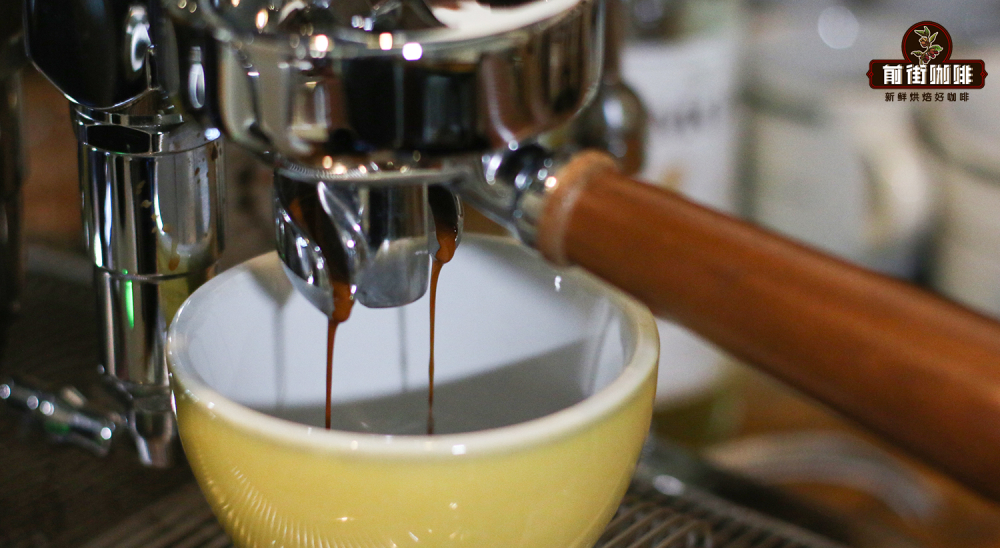
A single espresso typically uses about 7 grams of coffee grounds to extract approximately 30 milliliters of espresso, known as one shot. A double espresso, on the other hand, uses about 14 to 18 grams of coffee grounds to extract around 60 milliliters, also called a double shot. Many people don’t directly order an “espresso” but instead use “shot” as the unit—simple and intuitive. If you find 30 milliliters of espresso a bit small, you might want to try a double shot to experience a richer coffee flavor.
The reason espresso has a pronounced bitterness is mainly due to the use of extremely finely ground coffee beans, extracted under high pressure of 9 bar and at a temperature of about 90 to 96°C, resulting in a quickly brewed, highly concentrated coffee liquid. This process not only condenses the essence of the coffee but also intensifies the expression of its flavors. However, when tasting espresso, one should not focus solely on its bitterness, but also carefully perceive the purity of its aroma, the layering of its texture, and the persistence of its aftertaste.
The cleanliness and balance of a high-quality espresso are key factors in its evaluation. Cleanliness refers to the absence of noticeable off-flavors, astringency, or other unpleasant tastes in the coffee; balance means that the various flavor elements such as acidity, sweetness, bitterness, and body can coexist harmoniously, without any one flavor being overly prominent or jarring. These qualities allow espresso to deliver a delicate and layered taste experience even at high concentrations.
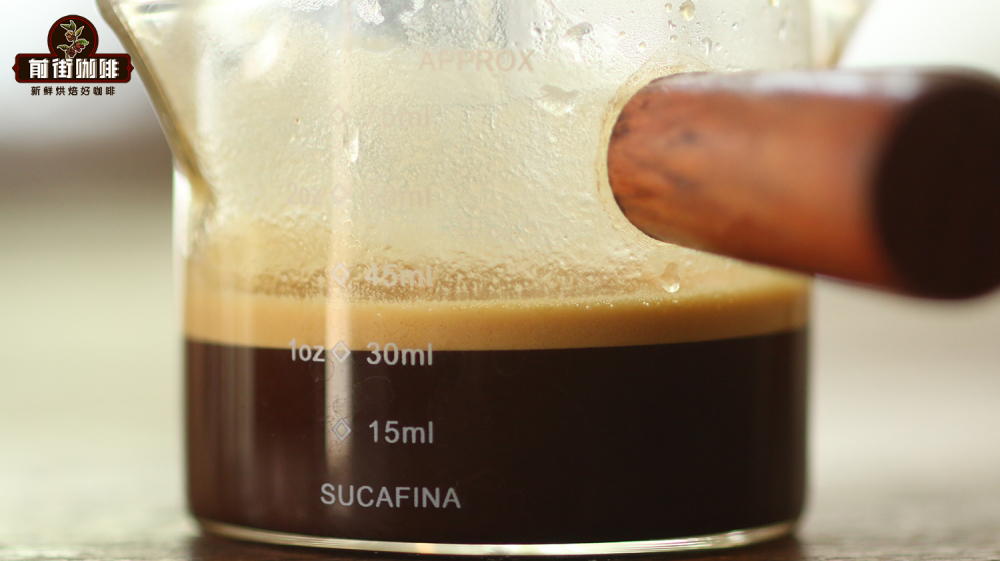
The crema on top of espresso is a product of the high-pressure extraction process. Under high pressure, the carbon dioxide in the coffee grounds becomes supersaturated and cannot escape, then mixes with the extracted oils to form a golden, fine surface layer. This crema is not only an external characteristic of espresso but also affects the release of aroma and the smoothness of the texture. As the coffee sits, the carbon dioxide gradually releases, and the crema changes accordingly—this is a detail worth observing while tasting.
Aftertaste is one of the most easily overlooked yet highly captivating aspects of espresso tasting. When the coffee enters the mouth and interacts with saliva, aromatic molecules trapped in the oils are gradually released, delivering a rich olfactory experience through the nasal passage. This combined effect of smell and taste often evokes associations with food, floral scents, or even earthy notes. Many people mistakenly think coffee flavor comes only from the taste buds, but in reality, the involvement of the sense of smell is crucial to forming a complete flavor experience.
To fully appreciate the essence of espresso, the correct tasting method is essential. First, it is recommended to rinse your mouth with water or ice water before tasting to clear any lingering flavors that might interfere with flavor judgment, keeping your taste buds sensitive. Next, pay attention to observing the layers of the coffee—often, due to varying dripping speeds, the coffee may appear thinner on top and thicker at the bottom. You can gently stir it with the provided coffee spoon to even out the flavors, or choose not to stir to directly experience the variations in texture across different layers.
When tasting, it is suggested to slowly drink the espresso in three to four sips, using different parts of the tongue to perceive its diverse flavor characteristics: the tip of the tongue is more sensitive to sweetness, the sides to acidity, and the back of the tongue can capture bitterness and body. After swallowing, gently close your mouth and exhale through the nose to help capture the coffee’s aftertaste and aroma. Finally, you can take a sip of water to appreciate the delicate lingering sweetness left on your taste buds.

The above content is compiled by CoffeeHunters, a coffee news website.


