







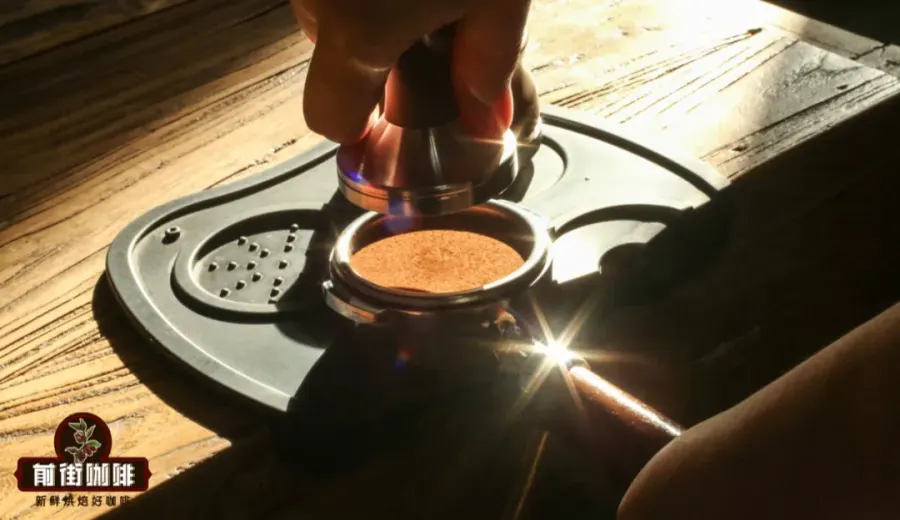
Introduction:Does the tamping pressure really affect the extraction and flavor of espresso? Many coffee enthusiasts have wondered about this. In this test, we compared light tamping (2 kg), heavy tamping (18 kg), and no tamping at all, using a fixed 20g dose and 40ml extraction volume to observe changes in extraction time and taste. The results may challenge your existing beliefs and reveal why even distribution of coffee grounds is more crucial than tamping pressure.
During the espresso-making process, does the tamping force significantly impact the final extraction and flavor profile? This is a common question among baristas and coffee lovers. To answer it, the research team conducted a detailed experiment: using a fixed 20g coffee dose and a target yield of 40ml, they tested three methods—light tamping at 2kg, heavy tamping at 18kg, and no tamping at all—each producing three espressos. They then carefully compared the extraction times and flavor differences.
The results were surprising: the average extraction times for all three tamping pressures were nearly identical, and the flavor profiles were also hard to distinguish. This contradicts many people’s intuition and expectations. The key lies in the 9-bar extraction pressure commonly provided by espresso machines. This article will analyze the actual impact of tamping pressure on extraction based on experimental data and principles, and explain why even distribution of coffee grounds is often more important than simply focusing on tamping force.
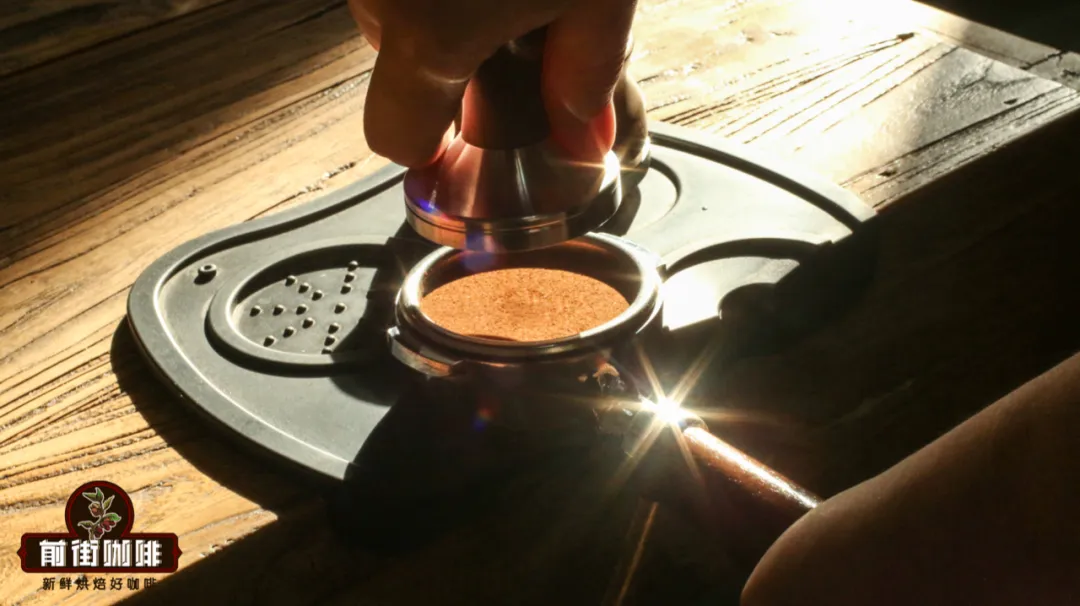
Previously, we’ve discussed in related articles that preparation steps before espresso extraction—such as the evenness of coffee distribution in the portafilter and the consistency of tamping pressure—affect the final extraction results and coffee flavor. However, the specific question of “how much force should be used for tamping” has rarely been addressed in detail, leading many readers to ask: how much force should be applied when tamping?
Although we’ve published several test articles related to tamping pressure, those pieces mostly focused on presenting experimental data comparisons, which may still seem less intuitive or accessible to general readers. Therefore, this time we aim to provide a clearer explanation of how tamping pressure affects extraction, and further clarify what the machine’s nominal 9-bar pressure actually means and the role it plays in the entire extraction process.
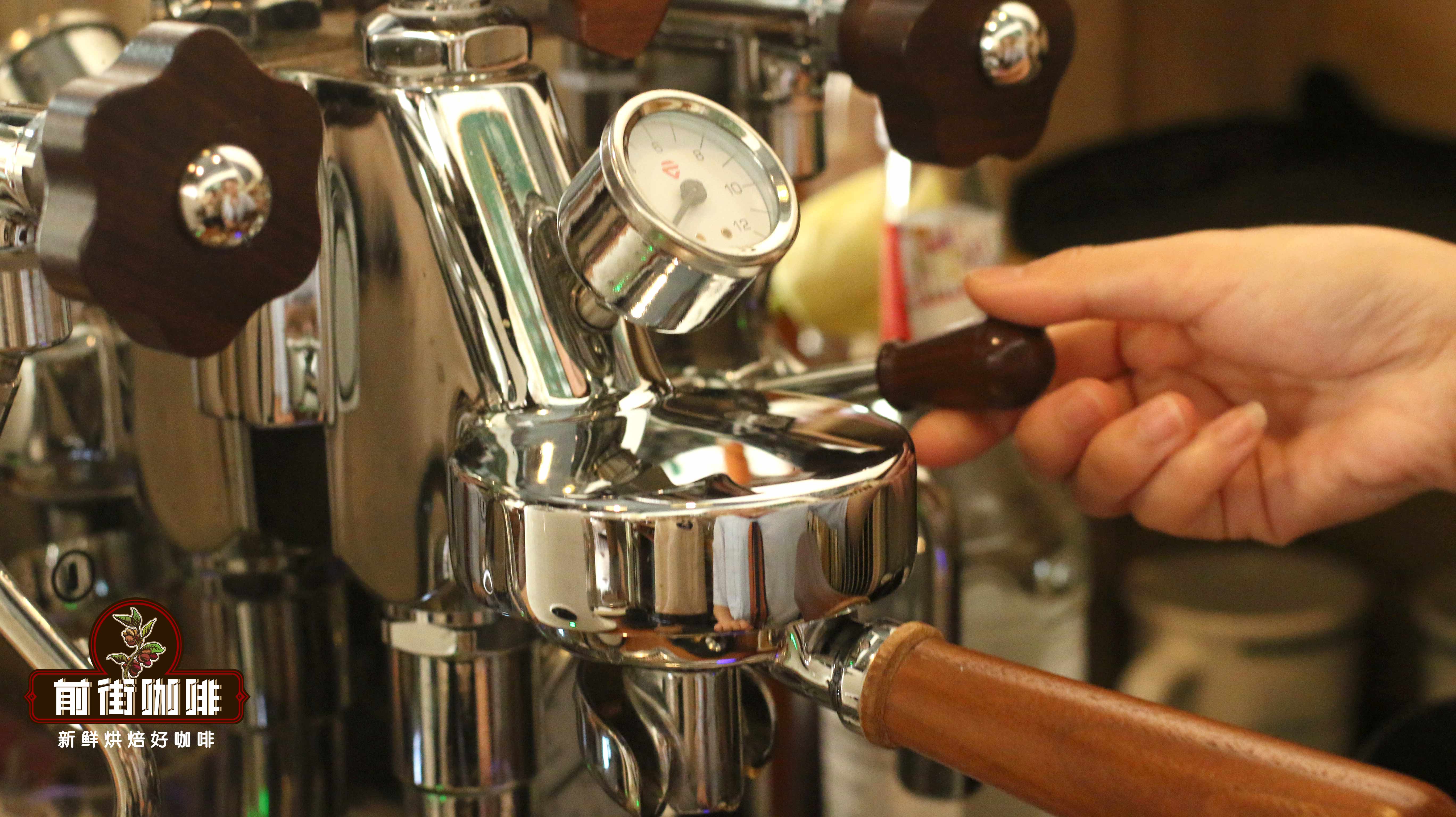
Let’s focus directly on the experiment itself. The conditions were fixed: using 20g of coffee, aiming for a 40ml yield, and applying three different tamping forces: light tamping at 2kg (just lightly compressing the coffee bed), heavy tamping at 18kg (firmly pressing the coffee bed), and a control group with no tamping. To reduce experimental error, three espressos were brewed under each pressure condition, and the average extraction time was calculated. The specific results are as follows:
Under 2kg light tamping, the average extraction time for three espressos was 33 seconds; under 18kg heavy tamping, the average was 34 seconds. Notably, the extraction times were almost the same for both tamping forces, and in terms of flavor, both exhibited a balanced profile of acidity, sweetness, and bitterness with distinct characteristics, showing almost no significant difference between them.
However, the experiment didn’t end there. The research team went a step further to challenge conventional methods by brewing two espressos without any tamping after leveling the coffee grounds. Surprisingly, these two special espressos also had an extraction time of 33 seconds, with only slight differences in flavor (flavor discussion to follow). This shows that whether using light tamping, heavy tamping, or no tamping at all, the impact on extraction time is minimal.
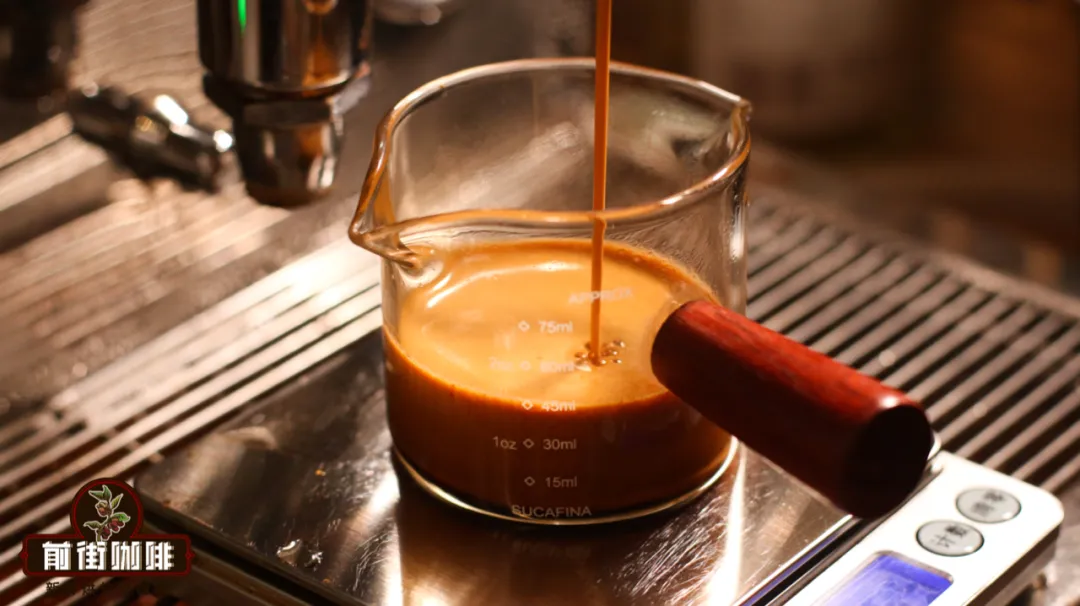
These results may go against many people’s intuition. In the past, many believed that the greater the tamping pressure, the firmer the coffee puck would become, thereby increasing water resistance and extending extraction time, or even altering extraction efficiency. But reality is different, and the key reason lies in the overlooked role of the 9-bar pressure applied by the espresso machine during extraction.
The extraction pressure of an espresso machine is 9 bar—a relatively constant value that represents the force applied to the coffee puck during extraction. Even if you use 18kg of tamping pressure, compared to the machine’s own 9-bar pressure, its impact on the final extraction remains limited. Therefore, changes in tamping pressure have a less significant effect on extraction time and flavor than generally imagined.

The above content is compiled by CoffeeHunters, a coffee news website.


