








Introduction:Espresso is the foundational base of many classic coffee beverages. Understanding its extraction principles and key parameters is the first step into the world of professional coffee. This article delves into the three essential elements—high pressure, high temperature, and fine grind—and explains how to achieve a balanced and rich Espresso through scientifically proportioned extraction. It also introduces the formation principle of Crema and common flavor characteristics, enabling even beginners to grasp professional knowledge.
In Italy, espresso is more than just a caffeine boost—it’s an extension of lifestyle. Many people start their day with a strong shot of Espresso, which is not only a taste experience but also carries a rich sense of cultural ritual. For coffee enthusiasts, understanding the brewing principles and flavor profiles of Espresso is an important starting point for diving deeper into the coffee world.
Espresso is a concentrated liquid extracted by forcing a small amount of hot water through finely ground coffee under high pressure and high temperature. Compared to other brewing methods, Espresso is characterized by its intense flavor, rich aroma, heavy body, and a golden-brown, velvety layer of foam on the surface—commonly known as Crema.
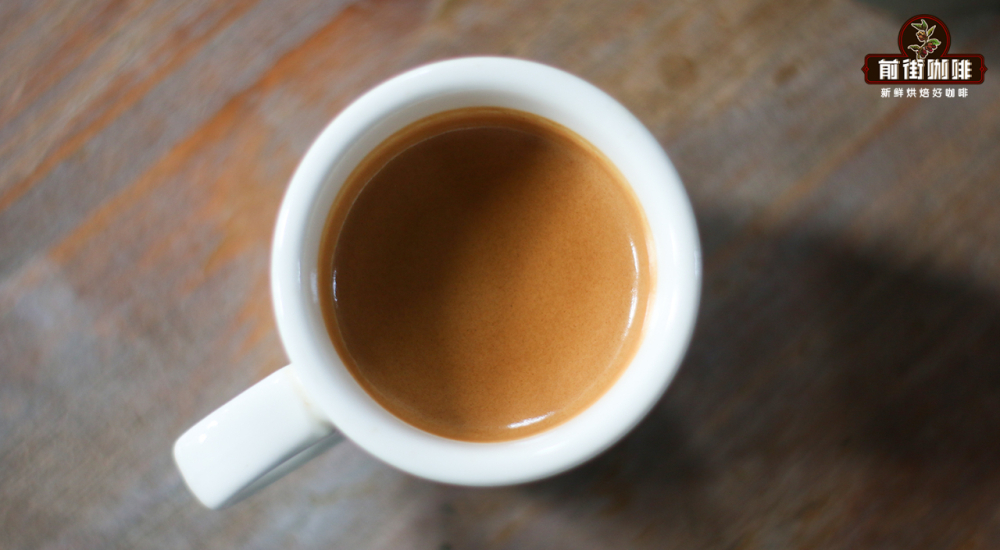
To successfully extract a high-quality Espresso, three core conditions must be met simultaneously: high pressure, high temperature, and an extremely fine and uniform grind. Only the combined effect of these three elements can achieve an efficient and balanced extraction within just 20 to 35 seconds.
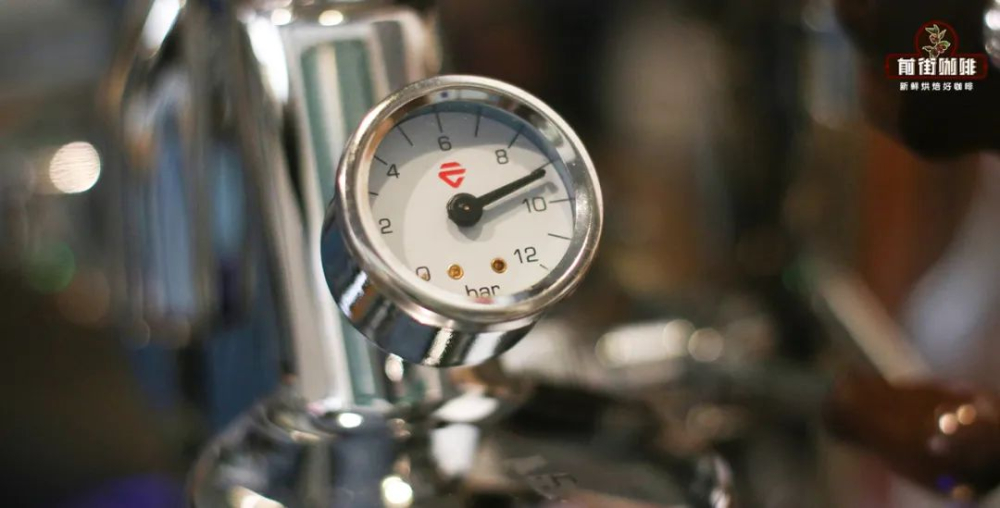
First isHigh Pressure. The most distinctive technical feature of Espresso is the use of a machine to generate 9 bars (or higher) of pressure, forcing hot water to rapidly penetrate an extremely fine coffee grounds bed. This pressure not only accelerates the release of flavor compounds but also emulsifies carbon dioxide and oils to form Crema. Most commercial machines can reach 9–10 bars, a level difficult for home machines to achieve, yet it is the foundation of professional Espresso.
Next isHigh Temperature. The ideal water temperature for extracting Espresso typically ranges between 90°C and 96°C. A stable high temperature helps fully release the aromatic compounds and acidic components in the coffee. In practice, many shops control the water temperature around94°Cto achieve the optimal balance of acidity, sweetness, bitterness, and aroma. If the temperature is too low, the flavors will taste dull; if too high, it can easily bring out burnt and harsh notes.
The third key element isFast Extraction. The very meaning of Espresso is “fast,” and the ideal extraction time should fall within20 to 35 seconds. Less than 20 seconds often results in a thin and one-dimensional taste lacking depth; over 35 seconds can lead to over-extraction, emphasizing bitterness and burnt flavors. Many professional shops maintain the extraction time at28 to 30 secondsto achieve the best balance.
Finally, and often overlooked, isan extremely fine and uniform grind. The grind size needed for Espresso is much finer than that for pour over, almost powder-like—but too fine can cause channeling, leading to localized over-extraction; too coarse results in fast water flow and under-extraction. Therefore, using a professional espresso grinder and regularly calibrating the burrs are crucial steps to ensuring consistent Espresso quality.
In practice, using a double-shot portafilter as an example, it is recommended to fill18 to 20 gramsof coffee grounds and control the coffee-to-water ratio between1:1.5 and 1:2.5. A common extraction ratio is1:2, where 20 grams of coffee yields 40 grams of Espresso. This ratio balances richness and drinkability. If you prefer a stronger taste, you can adjust to 1:1.8, but be careful not to over-extract.
Additionally, observing the flow rate and color changes during extraction is also key to judging whether the process is normal. Ideally, the extracted liquid should appear amber to dark brown, with a steady and continuous flow. If obvious white spots or yellow foam appear, it may indicate uneven puck distribution or over-extraction.
Once an Espresso is fully extracted, you’ll notice a thin, golden-brown foam floating on the surface—this is the famousCremaCrema. Crema forms when carbon dioxide released from the coffee beans is pushed to the liquid’s surface under high pressure and emulsified with oils. This layer of foam not only affects appearance but also enhances aroma release and contributes to a smoother mouthfeel. Freshly roasted coffee beans usually produce richer and more stable Crema.
A high-quality Espresso often exhibits complex and balanced flavor profiles. Common characteristics include chocolate and caramel notes from dark roasts, while medium roasts may showcase nuts, vanilla, and subtle caramel sweetness. Using high-quality light roast blends might even reveal citrus, tropical fruit acidity, and fermentation layers. Some special blends might also carry whiskey-like alcoholic notes or woody aftertastes.
The color, thickness, and stability of the Crema are also indicators of Espresso quality. Ideally, the Crema should evenly cover the surface, be about 2 to 3 millimeters thick, and not collapse quickly. If the Crema is too thin, too light in color, or dissipates rapidly, it may suggest the coffee beans are not fresh enough or that the grind and extraction parameters need adjustment.
With an understanding of these principles and parameters, whether you’re preparing to try manual extraction at home or want to better understand the science behind café menu items, you can appreciate each cup of Espresso from a more professional perspective. Remember, great Espresso is not just a display of technique—it’s a marvelous balance of flavor and sensation.
The above content is compiled by CoffeeHunters, a coffee news website.


