







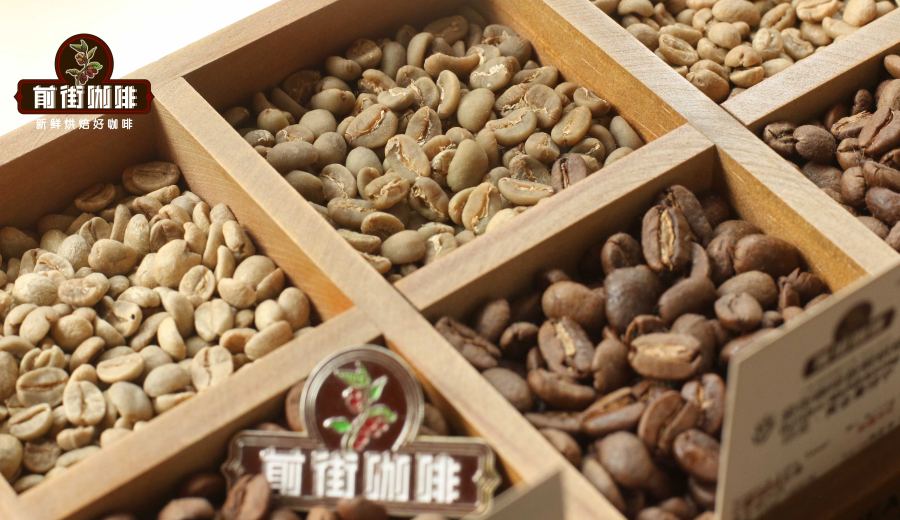
Introduction:As an important coffee-producing region in Asia, Indonesia is renowned for its Mandheling coffee from Sumatra, which is celebrated for its full body, low acidity, and distinctive herbal aroma. This article delves into the growing environment and naming origins of Sumatran Mandheling, with a focus on how the wet-hulled processing method shapes its flavor profile. It also provides a detailed breakdown of three classic beans—Lintong Mandheling, PWN Golden Mandheling, and Tiger Mandheling—covering their varieties, grades, flavor profiles, and optimal brewing methods, guiding you to grasp the essence of Sumatran coffee.
Indonesian coffee holds a unique position in the global market, with Sumatran Mandheling being the most representative. Compared to the bright fruit acidity and fresh tones typical of Central and South American or African beans, Asian coffees generally exhibit a fuller body, often accompanied by steady woody, herbal, and spicy aromas, forming a deep and mellow flavor profile. Though not universally appealing, these flavors have a loyal following, and Mandheling is a classic example.
The origin of the name "Mandheling" actually stems from a beautiful misunderstanding. During World War II, a Japanese soldier tasted an exceptionally good coffee in an Indonesian café and asked the shop owner for the name of the coffee. The owner misunderstood and thought the soldier was asking about his origin, replying "Mandheling" (the transliteration of the Mandailing ethnic group in Indonesia). After the war, the soldier recalled that cup of "Mandheling" coffee and specifically ordered 15 tons to be shipped to Japan, where it unexpectedly received high praise. Since then, the name "Mandheling" has spread far and wide.
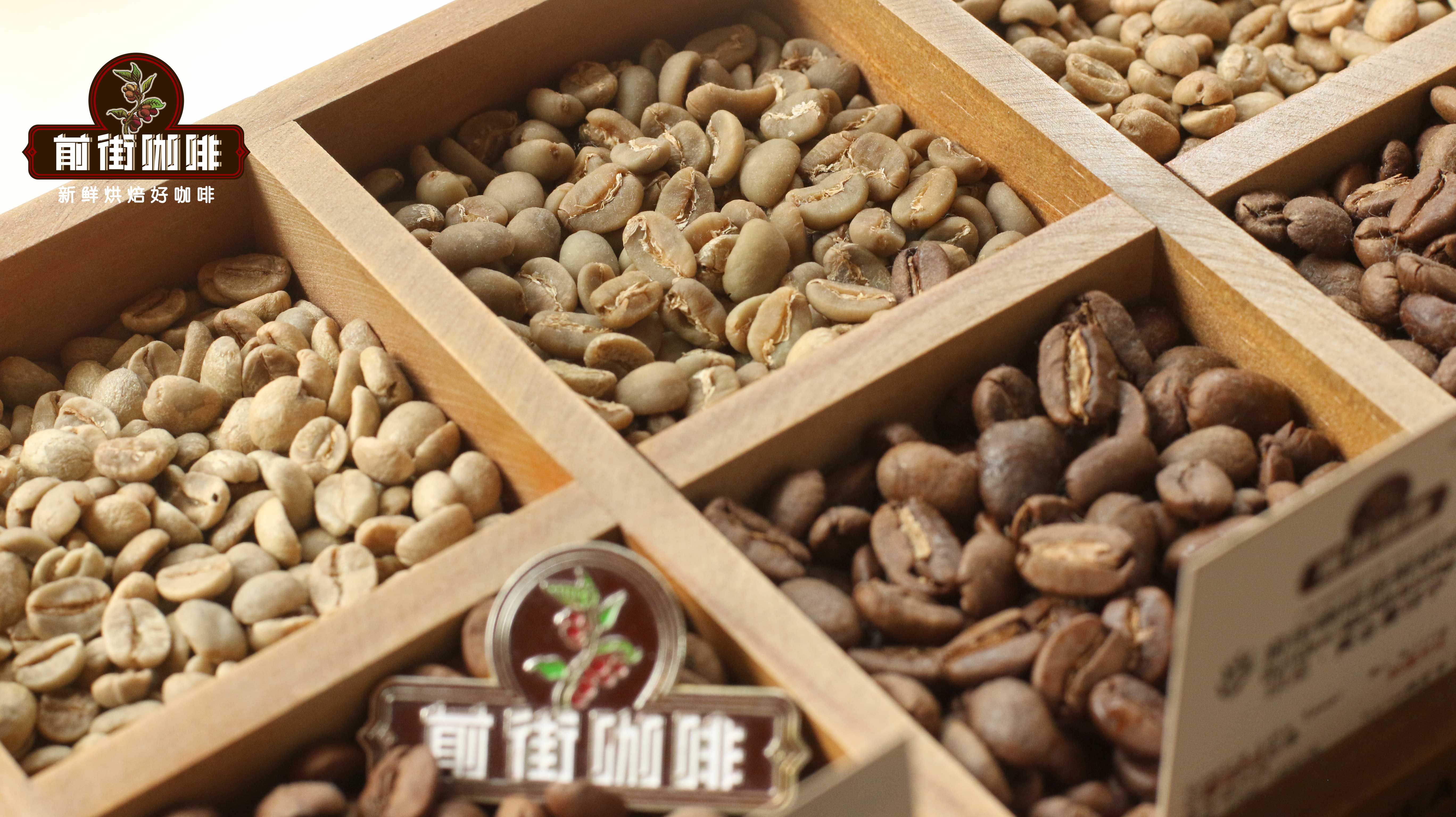
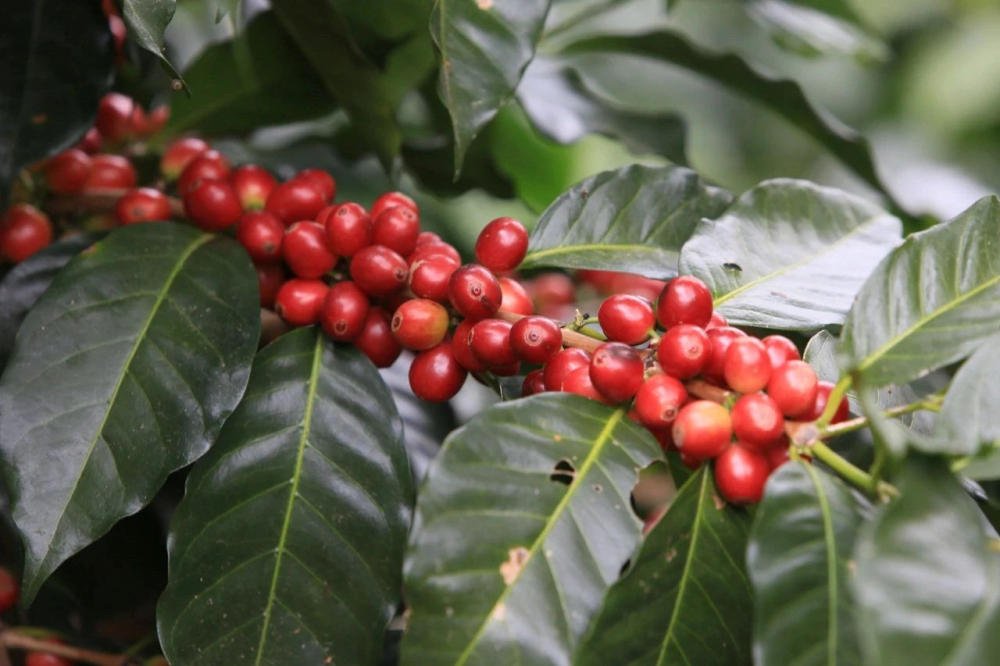
Sumatra, the main producing region of Mandheling, is Indonesia’s largest island and features a typical tropical rainforest climate—high temperatures, high humidity, and abundant rainfall throughout the year, theoretically ideal for coffee cultivation. However, due to altitude limitations, only 25% of the coffee grown is high-altitude-suited Arabica, while the remaining 75% is Robusta, which thrives at lower altitudes. The main Arabica-growing areas are concentrated in the north, such as Lake Tawar (near the Gayo Mountains in Aceh) and Lake Toba (Lintong region). These two locations, known as the "Two Lakes, Two Mandhelings," are the golden regions for Mandheling.
Common Mandheling varieties such as "Tim Tim Ateng" (Lintong Mandheling) and "Ateng" (Golden Mandheling) are actually hybrids of Arabica and Robusta (locally called Ateng, internationally known as Catimor). Early Dutch settlers introduced Typica to Sumatra, but after the devastating leaf rust disease outbreak in 1877, they switched to more disease-resistant varieties, including Robusta, Timor Hybrid, Catimor, Kent, S795, etc., all of which, except Robusta, belong to the Arabica family. Currently, Robusta is mostly grown in the low-altitude southern regions, while the high-altitude northern areas are the stronghold of Mandheling.
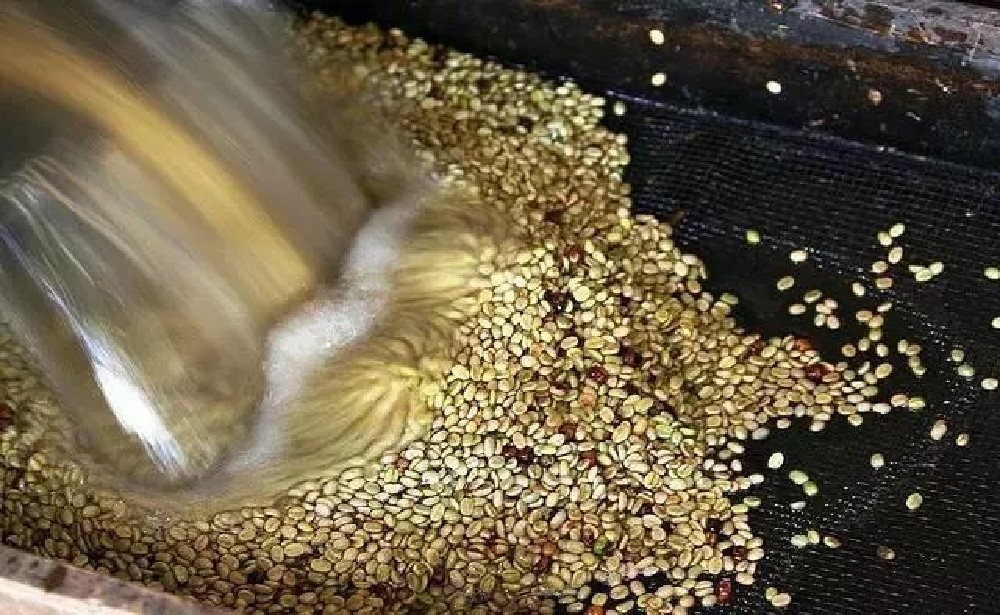
The unique herbal and woody aroma of Mandheling primarily comes from Indonesia’s distinctive "wet-hulled" processing method. The tropical rainforest climate brings frequent rainfall, making sun-drying unfavorable, and economic constraints limit the use of washed processing equipment. Farmers thus developed this semi-washed variation: after harvesting, the coffee cherries are depulped on the same day, fermented for three hours, and then partially dried to a still-high moisture content (around 30%-50%). At this stage, the beans are soft, and the parchment-covered beans are sent to processing stations to remove the mucilage and parchment layer before continuing sun-drying to a final moisture content of 12%-13%. This method significantly shortens the drying time (only 2-4 days) and reduces fermentation by removing the parchment layer early, resulting in reduced acidity, enhanced body, and distinct caramel, fruity, and woody herbal notes—this is the "terroir flavor" of Sumatran coffee.
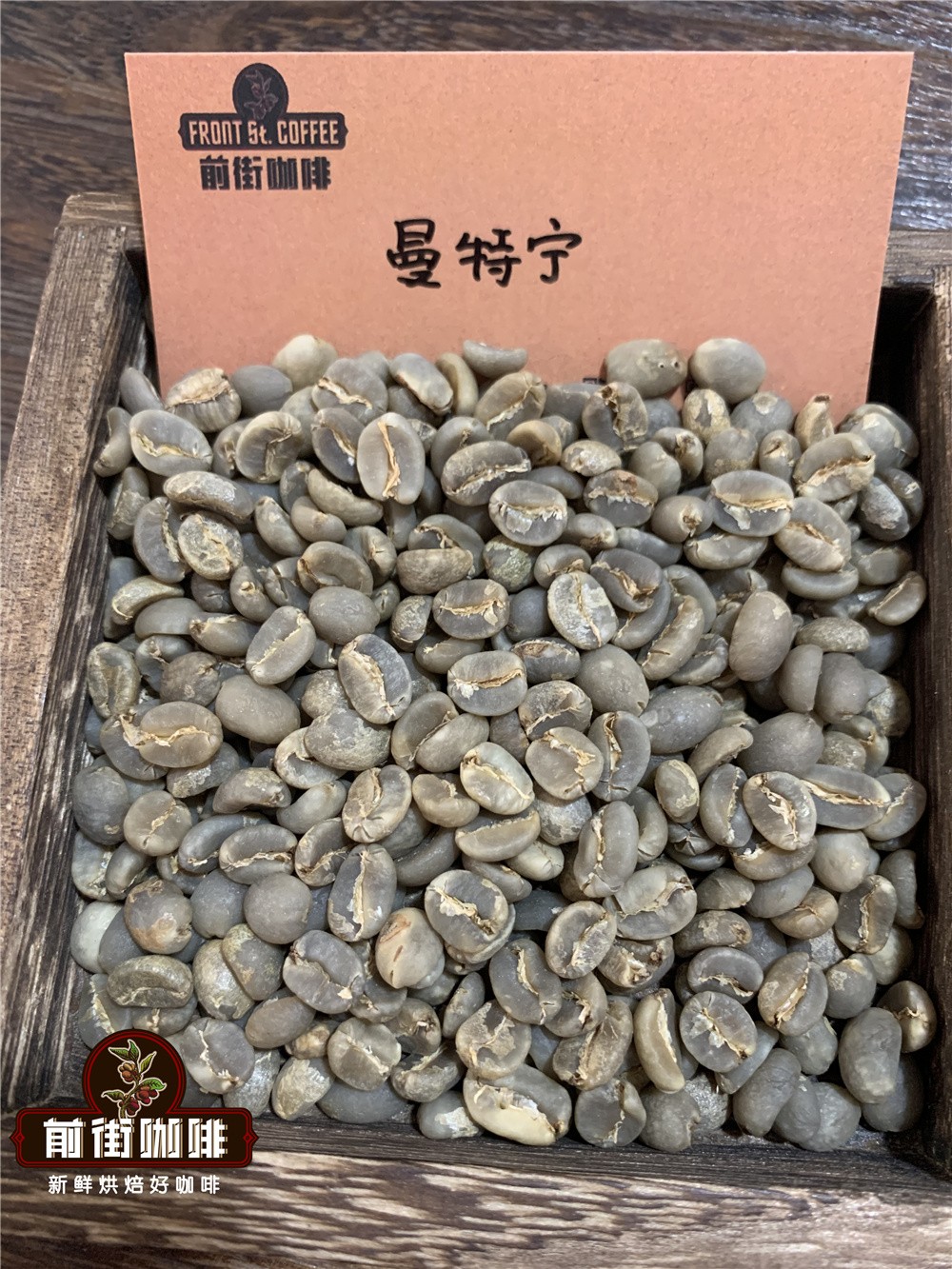
Commonly available classic Mandheling varieties on the market include Lintong Mandheling, PWN Golden Mandheling, and Tiger Mandheling, each with its own unique characteristics:
PWN Golden Mandheling(available on some coffee shop menus) is not a grade name but a trademark registered by PT Perkebunan Nusantara (PWN), established in 1957 as Indonesia’s first North Sumatran coffee exporter. Since 1977, the company has focused on exporting Grade 1 Sumatran Arabica Mandheling and Grade 2 Robusta AP-I, with its primary markets being Japan, Chinese Taipei, and the United States (accounting for over 95% of exports). In Japan and Chinese Taipei, "PWN" has become a symbol of quality. Authentic Golden Mandheling must be produced by PWN and come with an official certificate for verification (note this when purchasing). Some shops offer Golden Mandheling directly supplied by PWN, with green bean size of 18 mesh or above, fewer than 3 defects per 300g (G1 highest grade), and triple hand-picking, ensuring extremely low defects and a cleaner, sweeter flavor with intense aroma.
Tiger Mandhelingis defined as Mandheling with beans of 17 mesh or above and a defect rate below 4%. The green beans are round, yellowish-green, and highly uniform, with higher moisture content. The main varieties are Caturra (with citrusy lemon acidity) and Typica (with a long-lasting sweet aftertaste), offering an overall balanced and clean profile, suitable for medium-to-dark roasting to enhance body and balance. The growing regions are concentrated in Sumatra, Java, and Sulawesi. The famous Tiger Estate is located in the Gayo Mountains near Lake Tawar in North Sumatra (Aceh Province). Straddling the equator, this area has abundant rainfall and fertile volcanic soil, but due to its remote location and poor transportation, coffee cultivation only began in 1924, mostly using traditional shaded, pesticide-free organic farming methods.
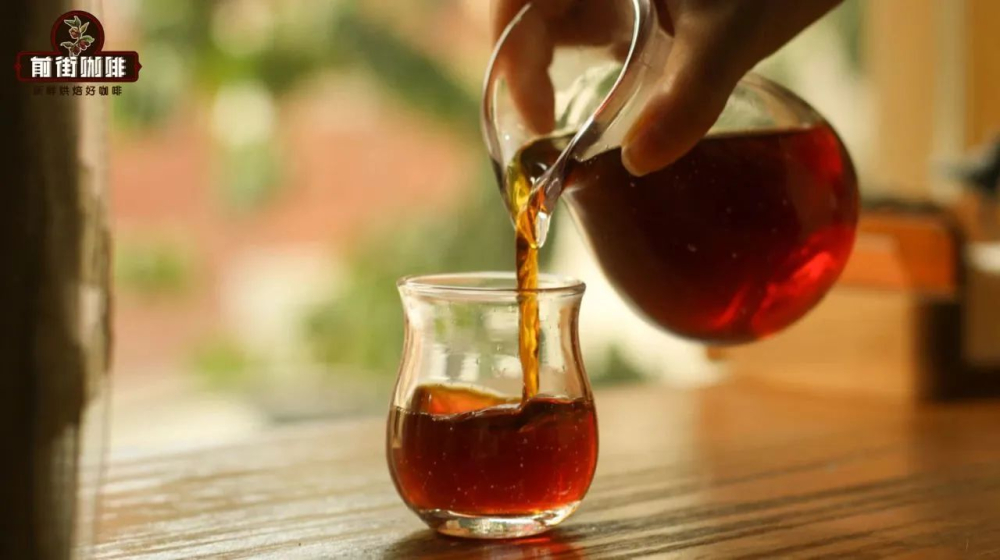
For brewing Mandheling, it is recommended to use dark-roasted beans with a Kono filter to stabilize flow rate and extraction. Specific parameters: water temperature 88°C, coffee-to-water ratio 1:15 (15g coffee), grind size EK43s grinder setting 11 (75% through a 20-mesh sieve by Chinese standards). Steps: pour double the coffee weight in water (30g) for a 30-second bloom, then pour in a small circular motion to reach 125g (first pour), followed by pouring to 225g (final pour), with total extraction time around 2 minutes. After brewing, swirl the coffee before pouring into the cup for drinking.
In terms of flavor profile:
Lintong Mandhelingfeatures a rich nutty profile as the main axis, with melon aromas emerging in the mid-to-late stages, and herbal notes surfacing as it cools. The texture is full-bodied and layered.
PWN Golden Mandhelingcontinues the nutty theme, with melon, herbal, and spice aromas gradually unfolding as it cools, and a black chocolate tone in the aftertaste. The caramel sweetness is pronounced, with a clean and soft mouthfeel.
Tiger Mandhelingshowcases a balanced character, with high cleanliness and distinct cream, black chocolate, and nut flavors.
It is important to note that Mandheling is often dark-roasted, so it is recommended to choose beans roasted within 5 days for the best flavor. Some shops ship coffee beans roasted within the last 5 days, adhering to the principle of "freshly roasted good coffee"—coffee beans have an optimal resting period of about 4-7 days, arriving at peak flavor upon receipt. If grinding is needed, it is advised to brew immediately (flavor oxidation accelerates after grinding). While the packaging retains some roundness through carbon dioxide during transport, the flavor preservation period is much shorter than whole beans. It is recommended to prioritize purchasing whole beans for immediate grinding and brewing to fully experience the profound charm of Sumatran Mandheling.
The above content is compiled by CoffeeHunters, a coffee news website.


