







Introduction:As a globally significant coffee-producing country, Indonesia's three major island regions—Sumatra, Java, and Sulawesi—each boast unique characteristics. This article delves into the varieties, processing methods, flavor profiles, and suitable brewing techniques of coffees from these areas, helping you find the Indonesian beans that suit your palate best. Whether you're a pour over beginner or a dark roast enthusiast, you’ll gain practical insights for bean selection and tasting.
Comprising over 17,000 islands, Indonesia lies within the equatorial volcanic belt, enjoying a hot and humid climate along with fertile volcanic soil—providing an ideal environment for coffee cultivation. Among its many producing regions, the three major islands of Sumatra, Java, and Sulawesi are not only the cradle of Indonesia’s specialty coffee but also shape distinctly different flavor profiles. From the deep and bold Mandheling to the fragrant Java variety, and on to the layered Toraja from Sulawesi, each offers a unique taste of its terroir.
Sumatra: The Homeland of Mandheling, Representing Bold and Mellow Flavors
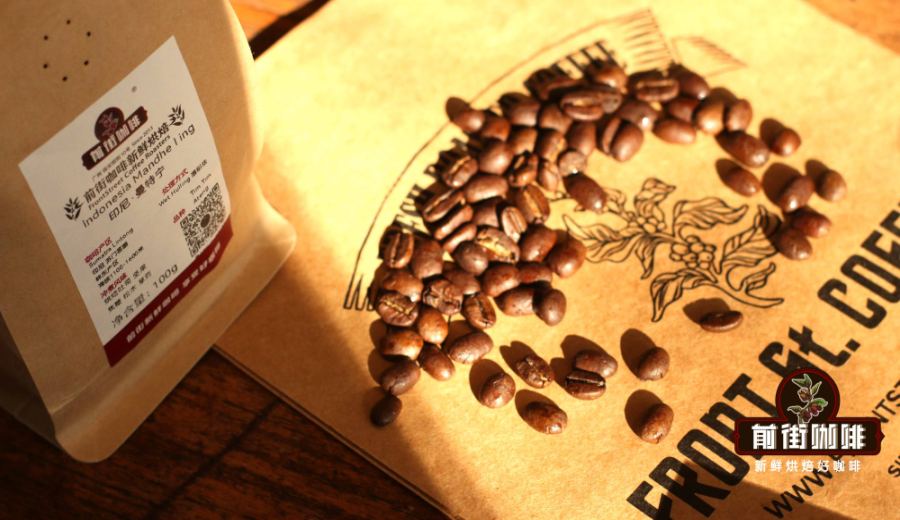
When it comes to Indonesian coffee, most people first think of Sumatra’s Mandheling. Grown in the Lake Toba and Lintong regions of North Sumatra, these coffee beans are mostly processed by local smallholder farmers using the semi-washed method, which gives rise to their distinctive herbal, woody, and spicy flavors. Among them, Golden Mandheling is especially renowned for its strictly selected fully ripe coffee cherries, undergoing multiple hand-sortings and refined processing. It delivers a rich body, pronounced sweetness, and complex layers, making it ideal for medium to dark roasts—and a top choice for many pour over enthusiasts.
Another highlight of Sumatran coffee comes fromLake Tawar, located in the Aceh region. Though much smaller than Lake Toba, its growing environment at elevations of 1,110 to 1,300 meters produces Gayo coffee that is fresh and clean, with a low yet vibrant viscosity. Coffee from this area often involves processing by female producers, representing a model of community-based agriculture. Its flavor is relatively mild, suiting those who prefer a balance of fruity notes and acidity.
Java: A Historic Specialty Arabica Region
Java Island is famed for its Arabica coffee production and is one of the few regions in Indonesia where Arabica remains dominant. Coffees from this area, such as those from the well-known plantations of Blawan, Djampit, Kayumas, and Pancoer, generally feature low acidity, delicate aromas, and balanced flavor profiles. They respond well to medium roasting, bringing out soft caramel and nutty tones. Traditionally, Java coffee is also often blended with Yemeni Mocha to create Java Mocha, showcasing a complex layering of flavors.
Compared to Sumatran coffee, Java coffee is fresher and more vibrant, with softer acidity and naturally sweet flavors. It is often seen as a gentle entry point for those trying Indonesian coffee for the first time and is also suitable for consumers who enjoy pairing it with milk. If you prefer beans that aren’t overly heavy but still retain the distinct character of Indonesian coffee, Java Arabica is a great option to consider.
Sulawesi: The Specialty Surprise of Toraja
Sulawesi Island, formerly known as Celebes, is home to the southernTorajahighlands in the southeastern region—one of the few places in the world capable of producing high-quality specialty Arabica coffee. The area features red-yellow podzolic soil rich in iron and clay, combined with high altitudes (approximately 1,200–1,800 meters) and unique washed or semi-washed processing methods. These factors allow Toraja coffee to exhibit bright acidity, layered floral and fruity notes, and delicate caramel sweetness.
Toraja coffee has an extremely limited annual production of only about 1,000 metric tons, and due to its rugged terrain, the yield per hectare is merely around 300 kilograms—far below the average in Central and South America—making it even more precious. Its flavor is cleaner than that of Sumatran Mandheling, with less earthiness and heavy woody notes, suiting brewers who enjoy a balance of fruit and floral characteristics. It’s also an ideal choice for pour over or drip enthusiasts.
Processing Methods and Flavor Keys: The Fusion of Semi-Washed and Regional Characteristics
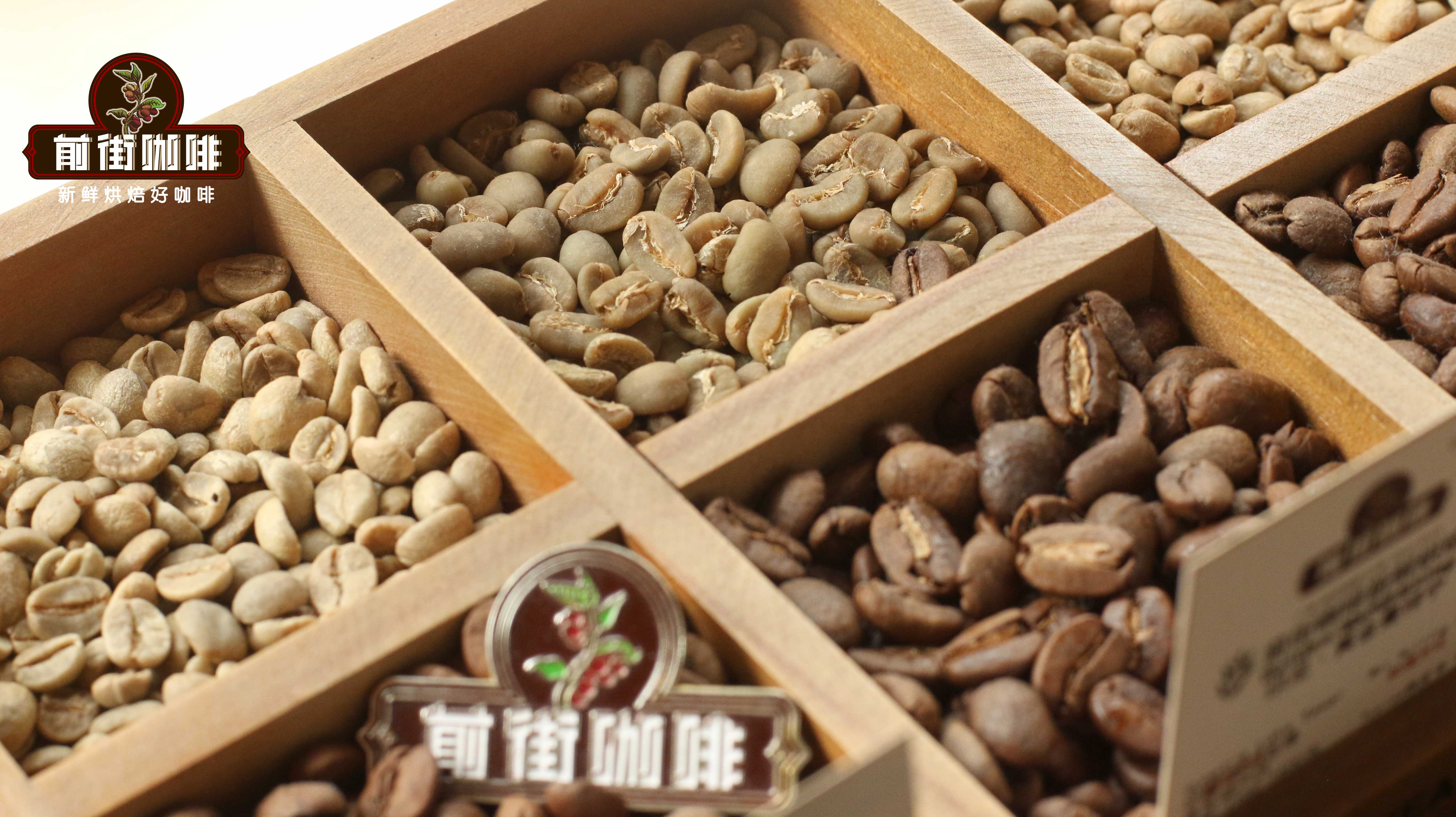
The unique flavors of Indonesian coffee are closely tied to the widely usedsemi-washed (Giling Basah)processing method. In this technique, after removing the coffee cherry pulp, some mucilage is retained for sun drying, leading to fermentation that produces intense earthy, spicy, and herbal notes—especially typical of Sumatran Mandheling. In contrast, Toraja in Sulawesi is often processed via washed or semi-washed methods, resulting in a cleaner, brighter acidity and more nuanced layers.
Additionally, the roast level greatly influences the flavor of Indonesian coffee. It is generally recommended that Mandheling be roasted to medium-dark or darker to bring out its body and spice notes; Toraja suits medium roasts to highlight its floral, fruity, and caramel aromas; while Java coffee performs best at medium roast levels, balancing acidity, sweetness, and body.
Buying Tips and Brewing References
For coffee lovers trying Indonesian beans for the first time, it’s recommended to start withGolden MandhelingorToraja. The former is rich and layered, while the latter is fresh with aromatic complexity. For pour over, use a medium-fine grind, control water temperature between 90–93°C, and either a V60 or AeroPress will do—both can fully showcase their regional traits. If you prefer a bolder taste, consider French press or Irish brewing methods to enhance a full body and spicy finish.
In summary, the coffees from Indonesia’s three major islands each offer their own charm. Whether you prefer the bold depth of Mandheling, the fresh delicacy of Java, or the bright fragrance of Toraja, you can find your own coffee story within these volcanic archipelagos. By understanding regional characteristics, processing methods, and suitable roasting and brewing techniques, you’ll be able to more deeply appreciate the diverse flavors of Indonesian coffee.
The above content is compiled by CoffeeHunters, a coffee news website.


