







Introduction:Although El Salvador is the smallest country in Central America, it has produced several highly acclaimed Arabica varieties in the specialty coffee market, including Bourbon, Pacas, and the hybrid star Pacamara. This article delves into the country’s nine major coffee-growing regions, the historical evolution of its key cultivated varieties, and pairs practical pour over parameters with the flavor profile of Pacamara to offer enthusiasts an in-depth brewing and tasting guide to Central American coffees.
As the smallest country in Central America, El Salvador boasts diverse coffee-growing conditions and nine major producing regions, making it one of the global specialty coffee destinations that cannot be overlooked. The history of coffee cultivation here dates back to the mid-18th century, when the first coffee trees were introduced by farmers from the Ahuachapán region. It gradually gained government attention in the mid-19th century and reached its export peak in the 20th century. However, this journey was not without challenges, facing major setbacks such as the decline of the indigo industry, disruptions from civil war, and outbreaks of coffee leaf rust. Nevertheless, through continuous improvements in varieties and cultivation techniques, it has regained a firm foothold in the international market.
El Salvador’s coffee industry underwent modernization in the 1950s due to rising prices, as farmers began adopting practices like shaded planting, balanced fertilization, and increased planting density, significantly boosting yields per unit area. By the 1970s, El Salvador briefly ranked as the world’s fifth-largest coffee producer and fourth-largest exporter, with annual harvests reaching 5 million quintals. However, the civil war of the 1980s and 1990s severely impacted the coffee sector, not only damaging infrastructure but also forcing many smallholders to abandon their farms, leading to a sharp production decline of over 34% between 1997 and 2001. Later, in 2013, a nationwide coffee leaf rust epidemic nearly collapsed coffee trees with only 3% resistance, causing a harvest drop of nearly 60% in 2014.
To revive the coffee industry, the Salvadoran government established the specialized agency CENTA after 2014, led by a team of coffee experts. Through the promotion of disease-resistant varieties, pest control, and planting technique guidance, the coffee supply chain was gradually rebuilt. This process also gave rise to many new high-quality varieties, among which Pacamara (Pacamara) stands out as the most representative success story.
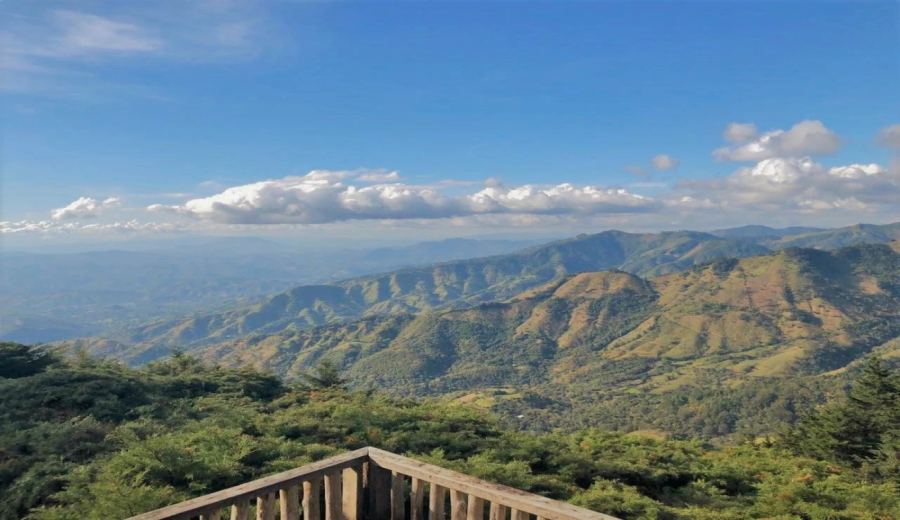
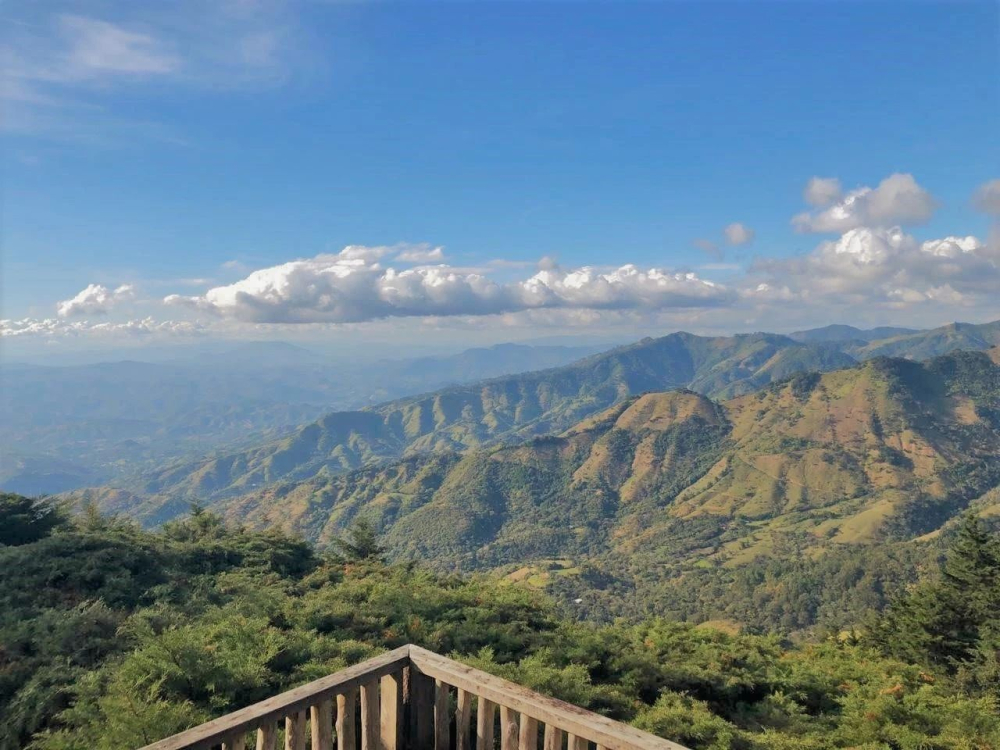
Currently, El Salvador has over 130,000 hectares of coffee cultivation, with low-altitude regions accounting for about half, mid-to-high altitudes for 33%, and only 16% in high-altitude areas. In terms of production scale, approximately 85% of growers are smallholders, managing farms of 7 hectares or less. The country is divided into nine major coffee-growing regions, including Apaneca, Apaneca Llamatepec, El Balsamo-Quetzaltepec, Cacahuatique, and Santa Ana in the southwest; Chalatenango, Chichontepec, and Metapán in the central-north; and Tecapa-Chinameca spanning the valley region. Each region, shaped by its terrain, climate, and microclimates, imparts unique flavor profiles to its coffee beans.
In terms of varieties, early Salvadoran coffee was dominated by Typica, but with the threat of coffee leaf rust, most shifted to growing Bourbon. By the mid-20th century, Bourbon naturally mutated into Pacas, a variety promoted by the Salvadoran Coffee Research Institute (ISIC) that became an important cultivar. Today, Bourbon and Pacas together account for over 80% of national production. The variety that truly put El Salvador on the map in international competitions is the hybrid Pacamara, a cross between Pacas and Brazil’s Maragogype. Pacamara not only features the large bean size of Maragogype but also exhibits rich fruit acidity layers, a full body, and intense aromas, often with complex notes of nuts, berries, and cream.
Take, for example, the washed-process Pacamara from Finca Ataisi in the Izalco region of Sonsonate Province, grown at an altitude of 1,800 meters. Certified as SHG (Strictly High Grown), this coffee has a clear flavor profile, often showcasing aromatic layers of nuts, chocolate, cream, strawberry jam, and passionfruit. It has a smooth mouthfeel with bright acidity, and a lingering caramel sweetness and long finish. It’s a specialty-grade choice that pour over enthusiasts shouldn’t miss.
If you’d like to experience this Pacamara at home using a pour over method, here are some practical parameters: Use a V60 dripper, with water temperature controlled at around 90°C, a brew ratio of 1:15, and a grind size between medium-fine, with about 80% of particles passing through a 20-mesh Chinese sieve—similar in coarseness to fine sugar. During brewing, start with a 30-second bloom using roughly twice the coffee’s weight in water, then pour in a small circular motion from the center outward until you reach the first 125g pour. Once the coffee bed has settled halfway, continue pouring to 225g to complete extraction, with a total brew time of about 2 minutes. This method fully highlights Pacamara’s delicate fruit acidity and rich texture, ideal for coffee lovers who enjoy balanced flavors and layered complexity.
During actual pour over tasting, this Pacamara reveals an exceptionally refined mouthfeel, with clean and layered fruit acidity. The mid-palate delivers vibrant berry-like acidity and the gentle warmth of nuts, while the finish showcases a pronounced caramel sweetness. Overall, it presents a balanced cup with a long-lasting aftertaste—a specialty coffee that excels in both aroma and depth of flavor.
The above content is compiled by CoffeeHunters, a coffee news website.


