







Introduction:Sumatran Mandheling coffee is renowned worldwide for its rich, full-bodied flavor and unique herbal aroma, with the wet-hulled processing method being key to shaping its classic taste profile. This article delves into the regional characteristics and processing differences of various types of Mandheling from Sumatra, Indonesia—such as those from Lintong, Golden, and aged beans—and provides a detailed breakdown of the selection process and pour over parameters for PWN Golden Mandheling. From choosing the KONO dripper, adjusting grind size, to the specifics of a three-stage pouring technique, it guides you through mastering the essential skills to brew a clean and full-bodied cup, ideal for enthusiasts seeking a deeper understanding of Mandheling coffee.
Mandheling coffee has long been celebrated for its bold body and low-key yet captivating aroma, particularly the varieties from Sumatra, Indonesia, which owe their distinctive flavor profiles to the region’s unique geography and processing techniques. This article will take you from the terroir of Sumatra, diving deep into the characteristics of different types such as Lintong, Golden, and aged Mandheling, while focusing on the Indonesian-specific wet-hulling process to understand how it imparts layers of herbal, woody, and caramel notes. Additionally, we’ve compiled expert pour over recommendations, including the use of the KONO dripper, adjustments in water temperature and grind size, and practical tips for a three-stage pour—all to help you brew a balanced and rich Golden Mandheling at home.
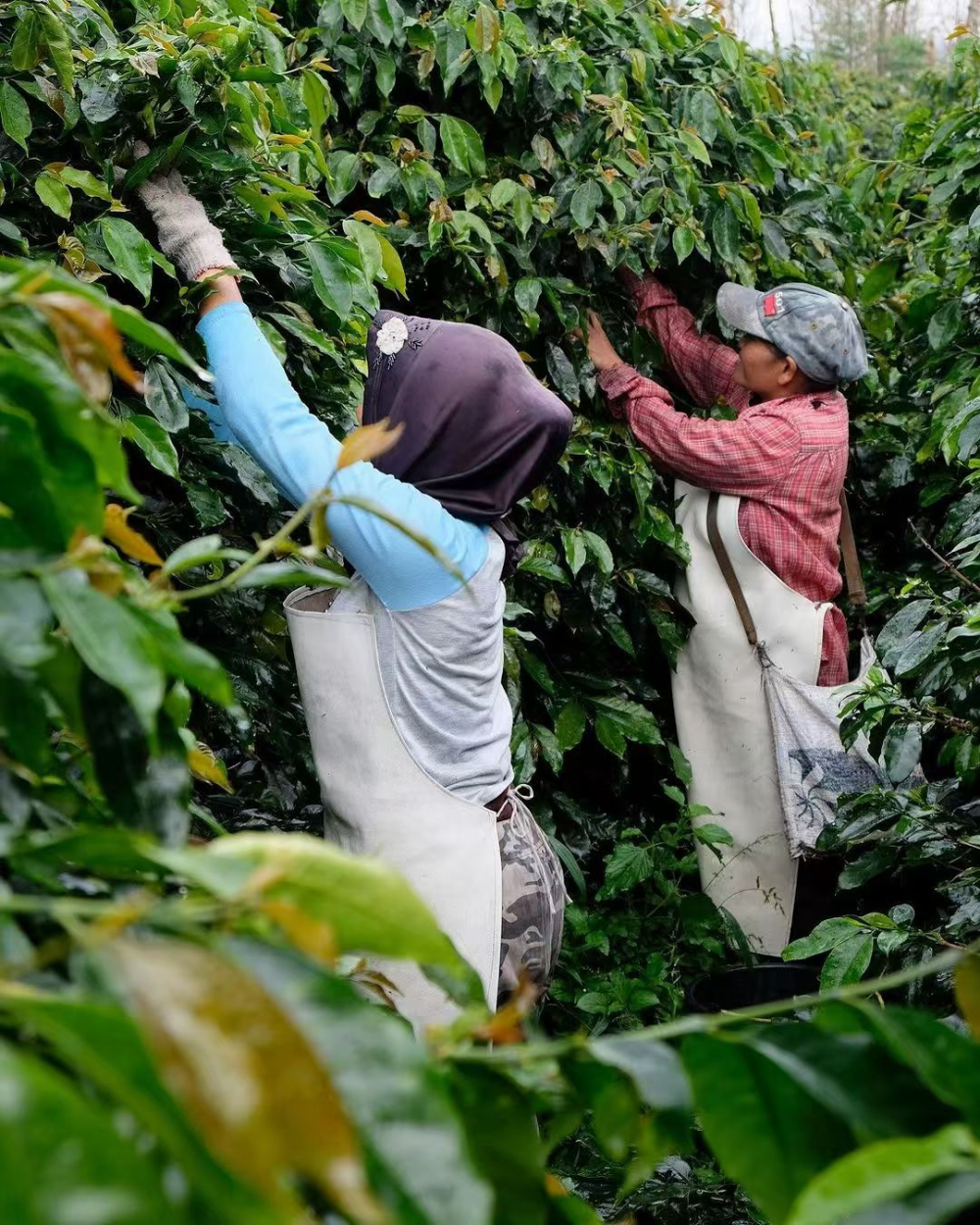
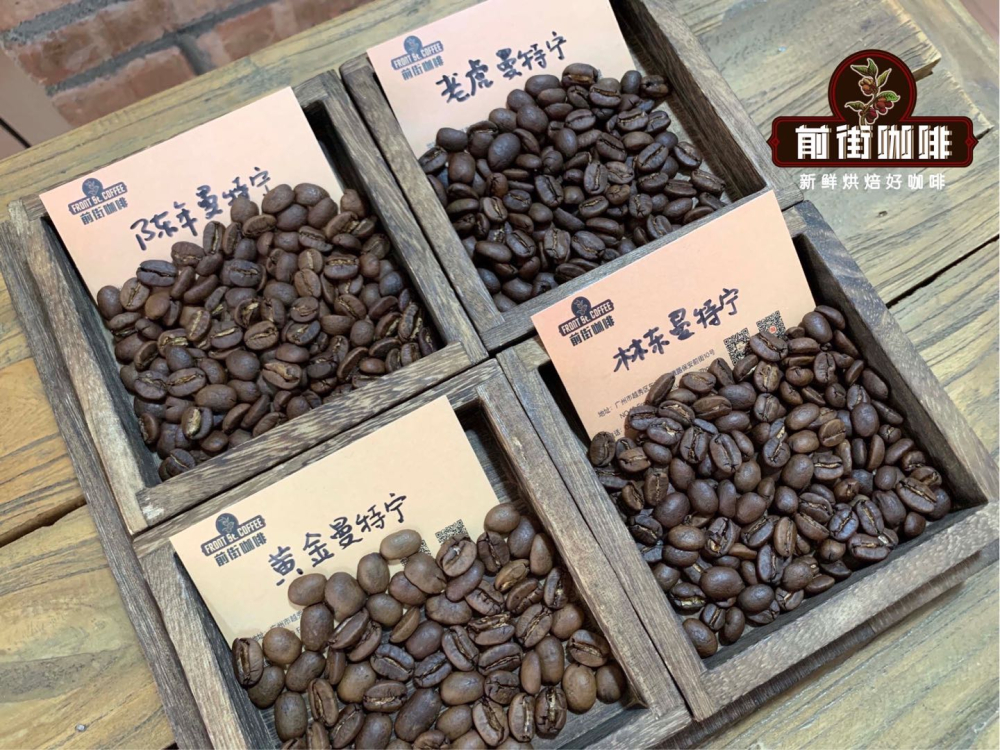
To understand the charm of Mandheling coffee, one must first start with its origin: the island of Sumatra in Indonesia. This large island mostly features low altitudes, where commercial-grade beans are primarily produced; however, in the high-altitude mountainous regions of Aceh and North Sumatra, ranging from about 750 to 1500 meters above sea level, the climate is exceptionally suitable for growing Arabica varieties. The area experiences a typical tropical rainforest climate with abundant rainfall year-round, along with high air humidity and temperatures, providing an ideal environment for coffee trees. As Mandheling gains increasing global recognition, the Arabica beans produced in Sumatra have gradually come to be collectively referred to as “Mandheling coffee.” Based on bean traits and growing regions, they can be further divided into several types such as Lintong Mandheling, Golden Mandheling, and Aged Mandheling, each with its own unique flavor expression.
The commonly seen Lintong Mandheling mainly comes from the mountainous areas around Lake Toba in North Sumatra Province. This lake is located north of Medan and is a high-altitude freshwater lake with an average elevation of about 900 meters. Lintong Mandheling can be considered the traditional representation of Mandheling and is often many coffee lovers’ first encounter with Sumatran flavors. After undergoing wet-hulling processing, its flavor often features distinct herbal and earthy notes, with a bold and intense character, making it a popular choice among everyday drinking beans for those wanting to experience the raw flavors of Indonesian coffee.
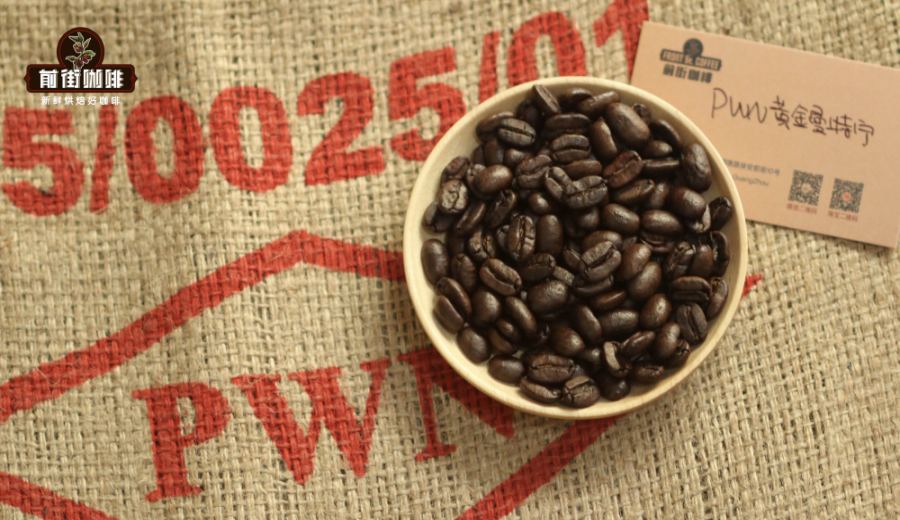
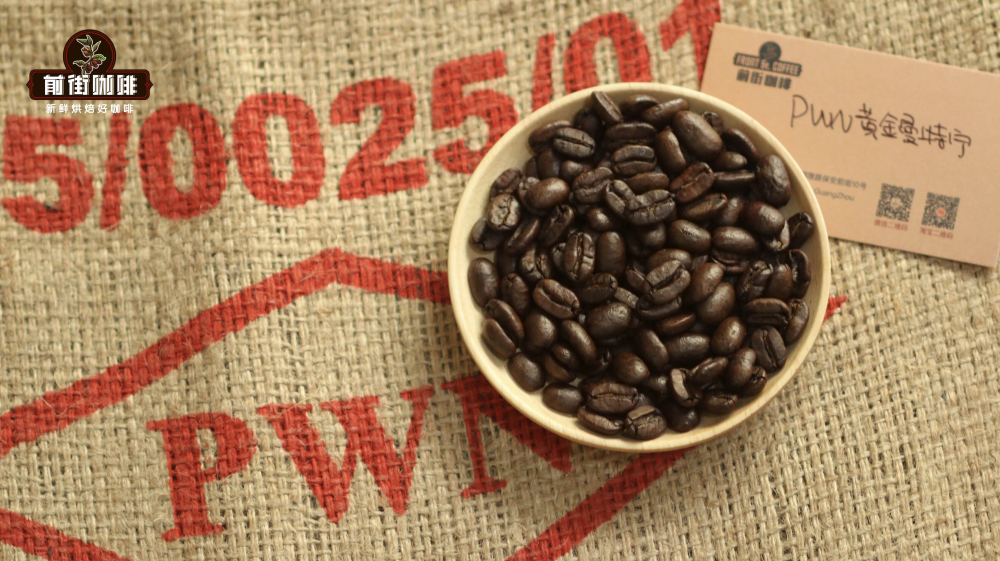
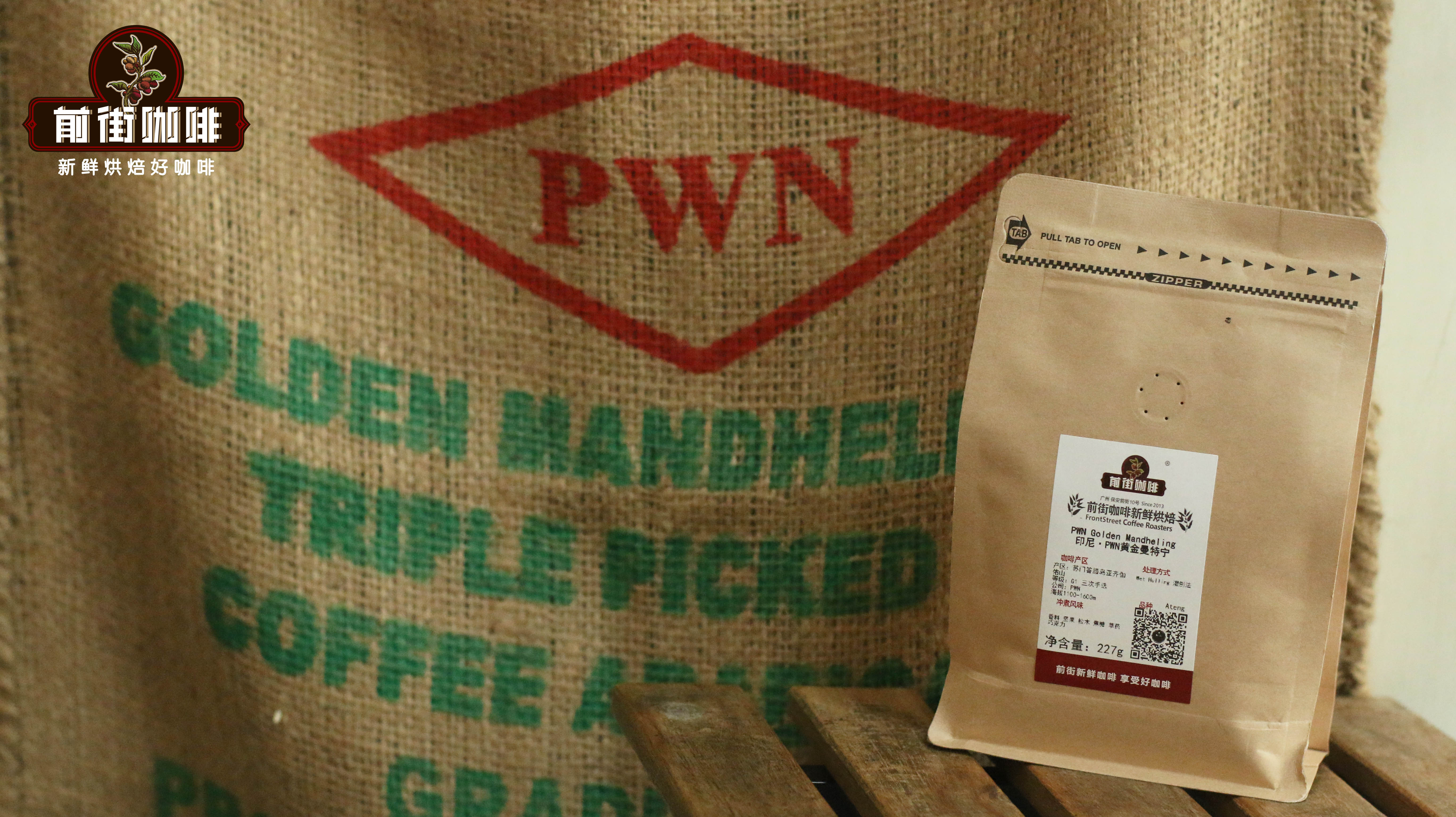
When it comes to specialty Mandheling, one cannot overlook the “Golden Mandheling” produced by PWN. Since “Golden Mandheling” is a registered trademark of PWN, only specific grade beans produced by this company can bear the name. PWN is extremely strict in its raw material selection, using only G1 grade green beans that are 18 mesh or larger and have minimal defects—no more than 3 defective beans per 300-gram sample. Upon arrival at the mill, the beans undergo one mechanical sorting followed by three rounds of manual selection to ensure each bean meets high standards in size, shape, and color. This rigorous quality control process results in PWN Golden Mandheling having a relatively cleaner, fuller body, noticeable sweetness, and a more refined expression of Sumatran coffee’s subtle nuances.
The production area of PWN Golden Mandheling is also located in Sumatra, Indonesia, with planting elevations between 1100 and 1600 meters, and the variety being Ateng. The processing method uses the Indonesian-specific wet-hulling technique, which is also a crucial factor in shaping its classic flavor. Its flavor profile typically includes layers of spices, dark chocolate, nuts, caramel, and cedar, with deep aromas and a long-lasting aftertaste, making it a classic choice highly recommended by many coffee professionals.
Beyond the common types mentioned, the Mandheling family also includes other distinctive members, such as aged Mandheling, whose acidity diminishes over time while its sweetness becomes rounder, as well as Tiger Mandheling, which carries unique herbal and earthy notes. Each variety showcases the diversity and depth of Sumatran coffee.
To understand the unique flavors of Mandheling, one must appreciate the ingenuity of the “wet-hulling” method. This processing approach is an innovative solution developed by Indonesian coffee-growing regions to cope with high humidity and frequent rainfall. With average annual humidity levels of 70% to 90% and annual rainfall often exceeding 2000 millimeters, such conditions make it impossible to employ the prolonged sun-drying methods used in African producing regions, while traditional washed processing is time-consuming and costly, unsuitable for mass production. As a result, locals developed wet-hulling, a semi-washed processing method.
In specific terms, after the coffee cherries are depulped and the fruit flesh removed, they undergo a brief fermentation for a few hours, followed by washing with clean water to remove residual mucilage. The parchment-covered beans are then dried partially, with moisture content reduced to around 30% to 40% (over approximately 2 to 3 days), at which point farmers sell them. The buyers then directly remove the not-yet-fully-dried parchment using machines, with the green beans still in a semi-dry state. Due to the high friction during hulling, the beans can easily get damaged, resulting in the so-called “elephant ear” phenomenon, where small notches appear at both ends of the beans. After hulling, the moisture content of the green beans quickly drops to 12% to 13%, making them ready for packaging and export.
Although this processing method accelerates drying time, it also unexpectedly gives the coffee beans a rich fullness, low acidity, and notes of caramel, fruit, subtle woodiness, and herbs, forming the most representative “regional character” of Sumatran coffee.
If you wish to brew a high-quality PWN Golden Mandheling at home, the following practical parameters and tips are worth considering. Since this bean is medium-dark roasted, it is recommended to let it rest for 7 to 10 days after roasting, allowing degassing to complete before brewing, in order to achieve optimal flavor expression. To ensure freshness, it is advised to choose beans roasted within 5 days, which is also the commitment many specialty shops make to their customers.
For actual pour over brewing, it is recommended to use the KONO dripper. Unlike the V60, it has fewer flow-guiding ribs and a smooth curved upper surface, allowing the filter paper to adhere more closely to the dripper wall, thereby reducing upward airflow and creating an extraction effect similar to a siphon. This helps fully release aromatic compounds from the coffee grounds, enhancing body and layering. The suggested grind size is medium-coarse (e.g., about 70% passing rate through a Chinese standard No. 20 sieve), with water temperature controlled at 87–88°C, a coffee-to-water ratio of 1:15, and approximately 15 grams of coffee grounds.
For the specific brewing process, a three-stage pour is recommended: begin with a bloom using twice the amount of coffee grounds in water (about 30 grams) for around 30 seconds; then pour slowly in small streams, moving in circles from the center outward, until the total weight reaches 125 grams, then pause; once the coffee bed has settled to about half the height of the dripper, continue pouring with the same fine stream until 225 grams, then remove the dripper. The total brew time is approximately 2 minutes. Remember to gently swirl the brewed coffee at the end to even out the flavors.
The brewed PWN Golden Mandheling reveals a rich roasted hazelnut aroma even when grinding; during the bloom stage, the caramel aroma becomes especially prominent. Upon tasting, layers of dark chocolate, nuts, caramel, and sweet fruit unfold, and as the temperature cools, spicy notes gradually emerge. The finish is long and balanced, with the overall cup being full-bodied and clean—a high-quality Mandheling coffee well worth savoring.
The above content is compiled by CoffeeHunters, a coffee news website.


