







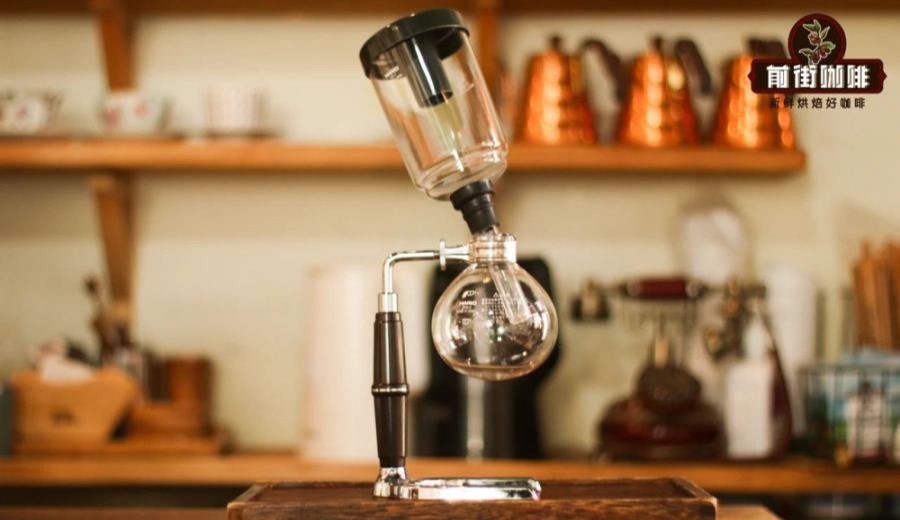
Introduction:Siphon coffee is not just a brewing method, but also a sensory experience that engages sight, smell, and taste. This article delves into the working principles of siphon brewing, its historical development, and how it evolved into a unique art form within Japanese coffee culture. Readers will learn about its transition from a 19th-century laboratory design to its modern applications in homes and cafés, along with practical operating guidelines and precautions.
The siphon pot, also known as a vacuum pot, is a classic coffee brewing device based on physical principles. It utilizes steam pressure generated by heating and a subsequent vacuum environment created by cooling to achieve liquid circulation and extraction between the upper and lower chambers. This brewing method is not only stable but also highly visually engaging, making it a symbol of ritualistic brewing for many coffee enthusiasts.
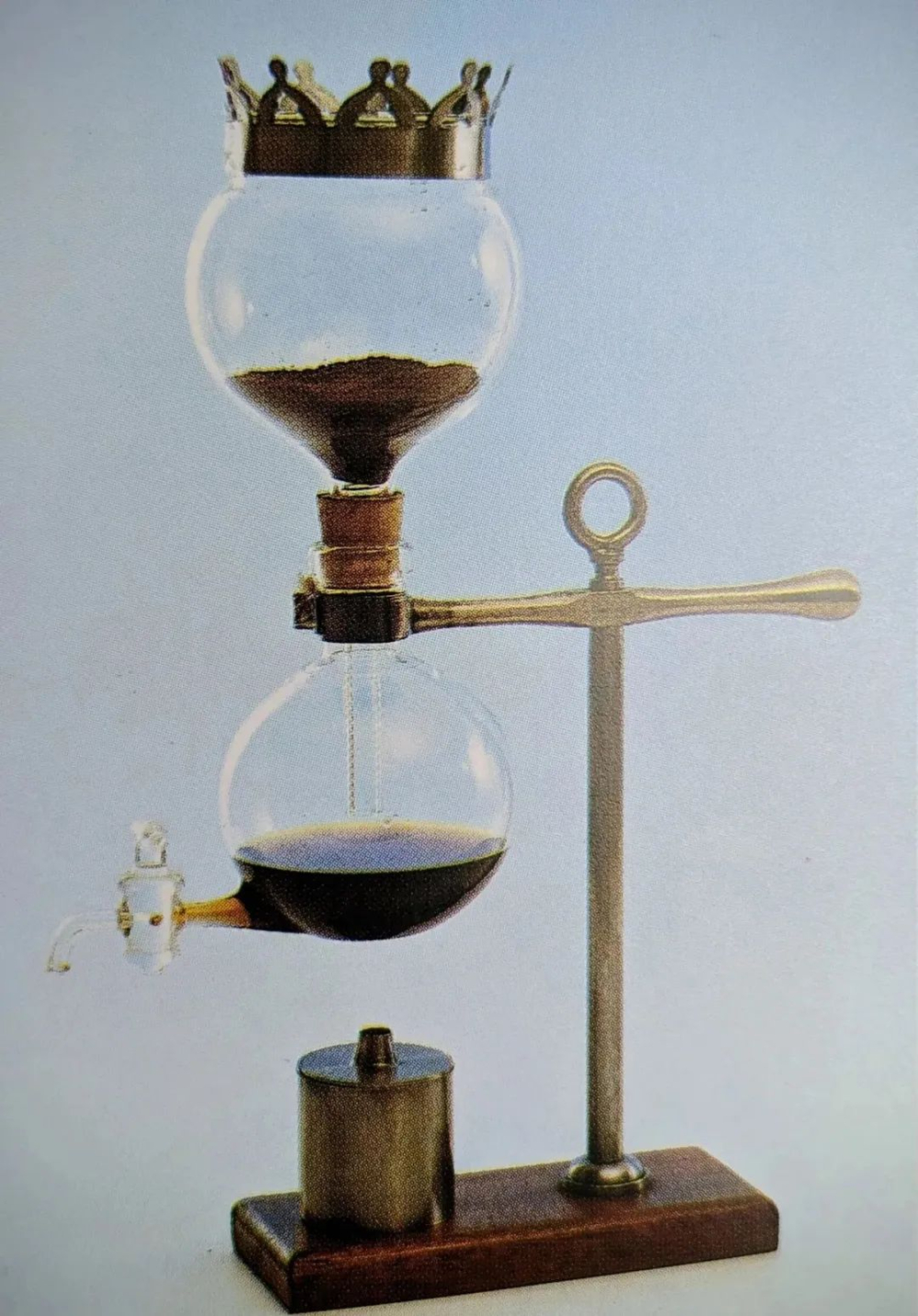
Compared to pour over coffee, the history of the siphon pot dates back even further. As early as the beginning of the 19th century, the siphon principle was applied to coffee preparation, becoming one of the earliest examples of the intersection between science and beverage culture. Its original design concept did not come from the commercial market but rather from experimental explorations of steam power and fluid physics.
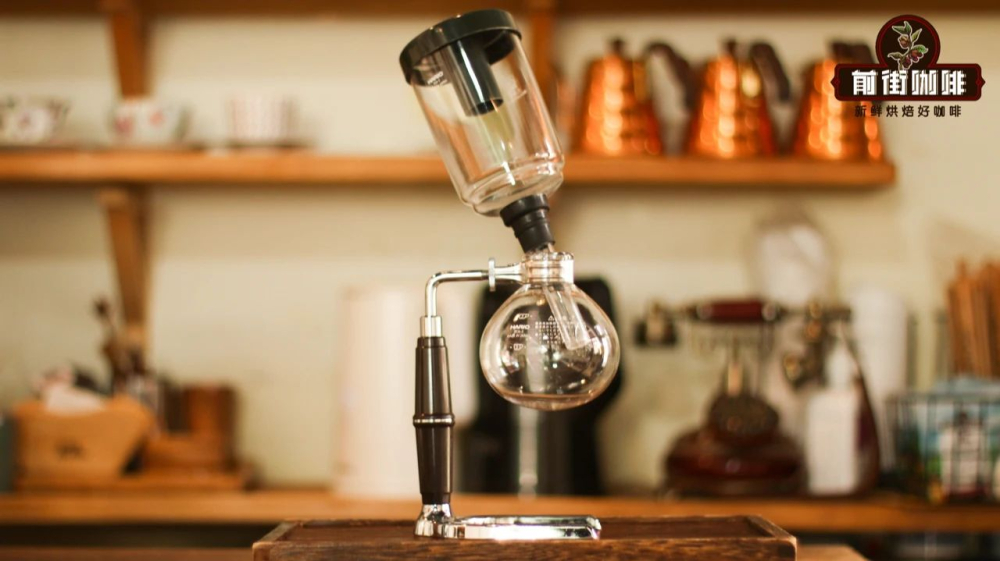
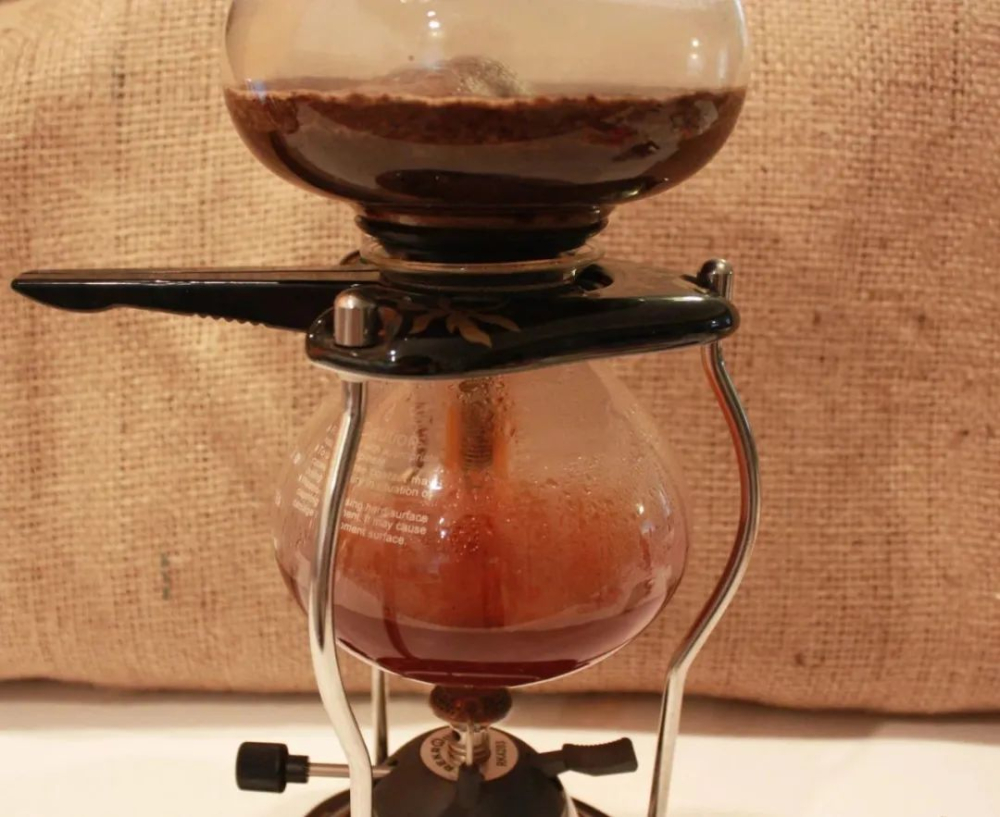
The English name for the siphon pot is "Siphon." It works by using the steam pressure generated from heating the water in the lower chamber to push the hot water up into the upper chamber where it mixes with the coffee grounds. When the heat is turned off and the temperature drops, a partial vacuum forms in the upper chamber, and the water is drawn back down into the lower chamber due to the pressure difference, leaving behind the freshly extracted coffee. This process combines science and artistry, resulting in its distinctive flavor and visual experience.
Historical records indicate that the prototype of siphon coffee first appeared in 1826, designed by the German physicist Johann Norremberg. At that time, it served only as a teaching tool to demonstrate the power of steam and was neither commercialized nor patented, so it did not attract widespread attention.
It wasn’t until 1842 that the French inventor Marie Fanny Amelne Massot improved the device, designing a siphon pot with up-and-down convection functionality, and successfully patented it. This innovation gave the siphon coffee maker its first practicality and market value, gradually entering consumer markets.
Around the same time, Scottish engineer Robert Napier also developed a vacuum-based coffee pot—the Napier Coffee Pot. This pot won an award from the Institution of Mechanical Engineers in 1856 but, like its predecessors, was not protected by patent, which hindered its continuous promotion.
Over time, these types of vacuum coffee devices gradually became popular across Europe and the United States. Particularly in an era that valued science and experimentation, they were favored by many tech enthusiasts and coffee curious individuals. However, with the rise of automatic drip coffee machines in the 20th century, the use of siphon pots in Western markets gradually declined.
The siphon pot truly flourished in Japan. Since the early 20th century, the Japanese coffee market has shown great enthusiasm for specialty coffee and brewing craftsmanship, with a particular preference for the rich, bold flavors brought out by dark roasts. The elegant brewing process of the siphon pot, along with its ability to clearly highlight the layers and full-bodied texture of coffee, perfectly aligns with the Japanese aesthetic emphasis on detail and ritual.
In 1925, KONO founder Kobayashi Akira established the company and launched the first upright siphon pot design. By 1964, the second-generation leader, Kobayashi Toshio, further refined the pot’s shape and operational smoothness, creating a siphon pot that met modern usage needs while maintaining a classic appearance. This design perfectly matched the emerging trend of specialty coffee and laid the foundation for Japanese-style siphon aesthetics.
This brewing method, combining scientific principles with handcraftsmanship, not only gained immense popularity locally but also influenced Asian markets—including Taiwan—through the export of Japanese coffee culture. Especially in Taiwan, the siphon pot once became a staple in high-end cafés and business spaces, eventually spreading to mainland China and becoming one of the go-to choices for many coffee lovers to begin exploring professional brewing techniques.
To personally experience the charm of siphon coffee, it is recommended to master the following basic operation process: First, pour clean cold water into the lower chamber. The recommended water volume should be adjusted according to the markings on the pot, typically around 200–300 milliliters. After filling the water, it is advisable to wipe off any water droplets on the outer surface of the pot with a dry cloth to avoid uneven heating that could cause the glass to crack during the heating process.
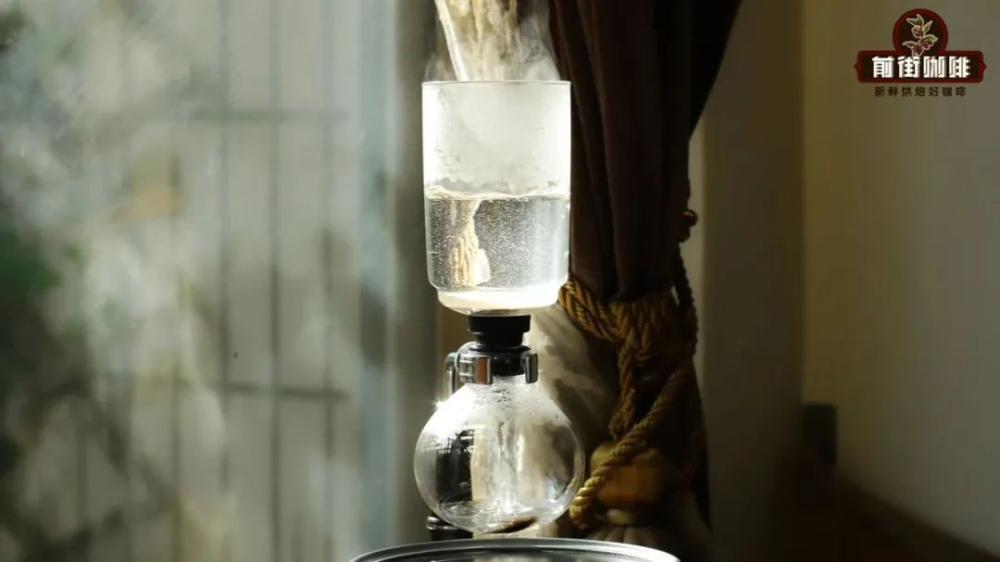
Next, install the upper chamber, ensuring all joints are tightly sealed without leaks. Add an appropriate amount of coffee grounds (generally recommended at 8–12 grams of coffee per 100 milliliters of water, with a grind size similar to fine sugar). Then ignite the heat source (such as an alcohol lamp or dedicated halogen lamp) and observe as the water in the lower chamber gradually heats up and begins to bubble, until the water is pushed up into the upper chamber.
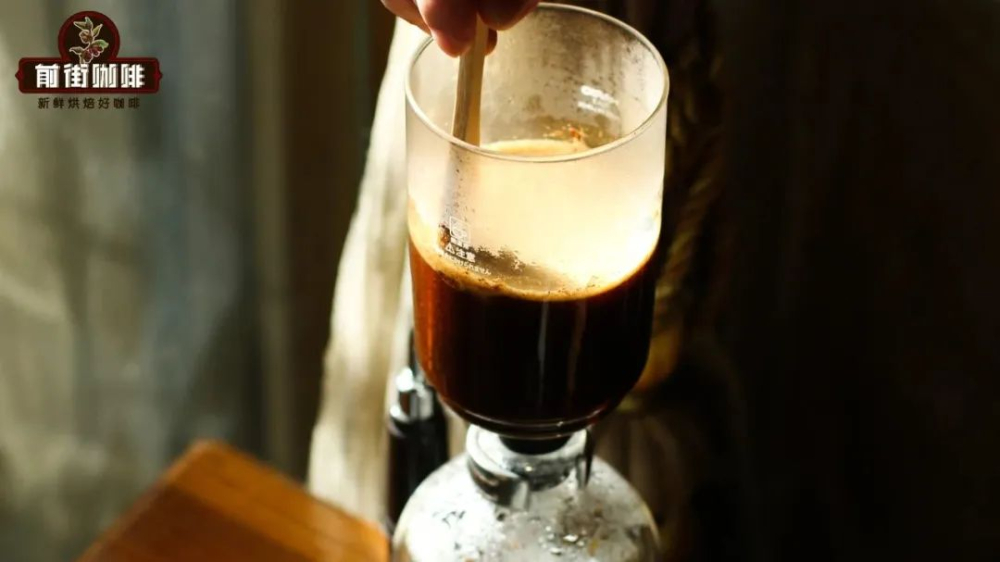
Once the water has fully entered the upper chamber, gently stir the coffee grounds to aid uniform extraction. It is recommended to perform the first stir around 10–15 seconds after the water rises, and then add another stir if needed. The total brewing time is generally recommended to be controlled between 45–90 seconds, adjustable based on the characteristics of the coffee beans used and individual taste preferences.
After turning off the heat, wait for the coffee liquid in the upper chamber to slowly flow back into the lower chamber due to the negative pressure, a process that takes approximately 30–45 seconds. Once the backflow is complete, you can pour the coffee for tasting. At this point, pay attention to the flavor profile—it typically presents relatively bright acidity, a full body, and a uniquely sweet aftertaste.
The above content is compiled by CoffeeHunters, a coffee news website.


