







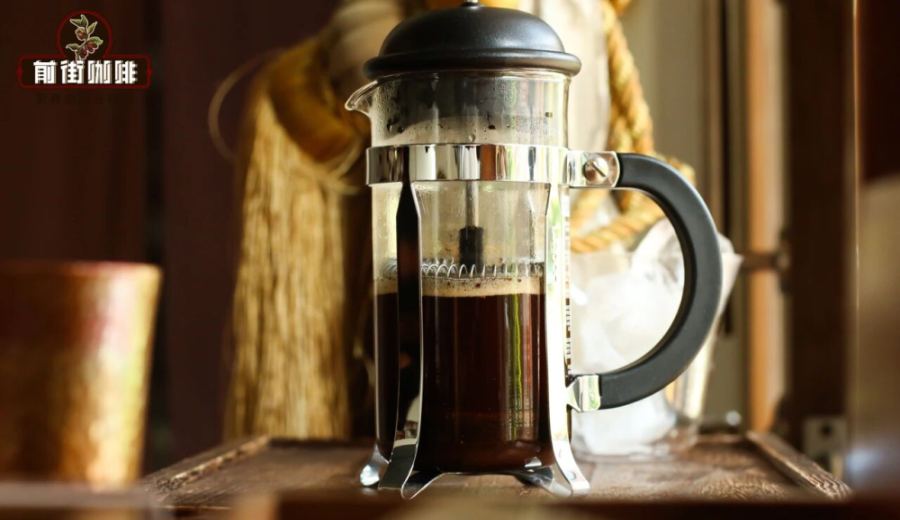
Introduction:Although both the French press and pour over are popular manual brewing methods, their operational logic and flavor profiles differ significantly. This article provides an in-depth comparison of the two in terms of equipment use, extraction principles, and parameter settings, while also recommending suitable coffee beans for readers who prefer different flavor profiles. Additionally, it documents the full process of brewing a highly-rated coffee bean using the French press through practical testing, helping you understand the key variables and practical techniques behind its rich and full-bodied flavors.
As a brewing device that is intuitive to operate and easy to maintain, the French press has long been favored by many coffee enthusiasts. However, many people mistakenly believe that as long as they master the coffee-to-water ratio, water temperature, and steeping time, they can consistently brew coffee with uniform flavors. In reality, this view is overly simplistic. Even when using a French press, factors such as the coffee bean’s origin, roast level, and processing method can greatly influence the final flavor profile. This article starts with the basics of operation and guides you through the fundamental differences in extraction principles between the French press and pour over, further analyzing how to choose suitable coffee beans based on individual taste preferences.
The greatest advantage of the French press lies in its simple operation and stable extraction results, making it especially suitable for drinkers who enjoy a full-bodied and rich taste. However, this does not mean that simply adding coffee grounds, pouring in hot water, letting it sit for a few minutes, and then pressing the filter will easily yield a great cup of coffee. The immersion brewing method allows the water and coffee grounds to have longer contact time, which can release a richer array of flavor compounds, but it also places higher demands on the complexity and clarity of the coffee beans themselves. Choosing beans with vague flavor profiles or more processing defects can easily result in an overall taste that is dull or muddled.
When selecting coffee beans suitable for the French press, it is recommended to prioritize those with distinctive personalities and high recognizability. If you prefer floral notes, you might try ‘Fruity Ding Ding’ (with elegant jasmine and citrus aromas) and ‘Hua Kui’ (showcasing sweet fruity notes of cream strawberry and guava); if you lean toward options with strong fruitburst character, consider ‘Strawberry Candy’ (blending grape and rose floral notes) or ‘Blackberry’ (featuring blueberry and dried fruit flavors); if you’re aiming for a rich and solid mouthfeel, then recommended choices include ‘Queen’s Estate’ (showcasing roasted peanut and toasted bread aromas) or ‘PWN Golden Mandheling’ (presenting a steady tone of spices and sandalwood).
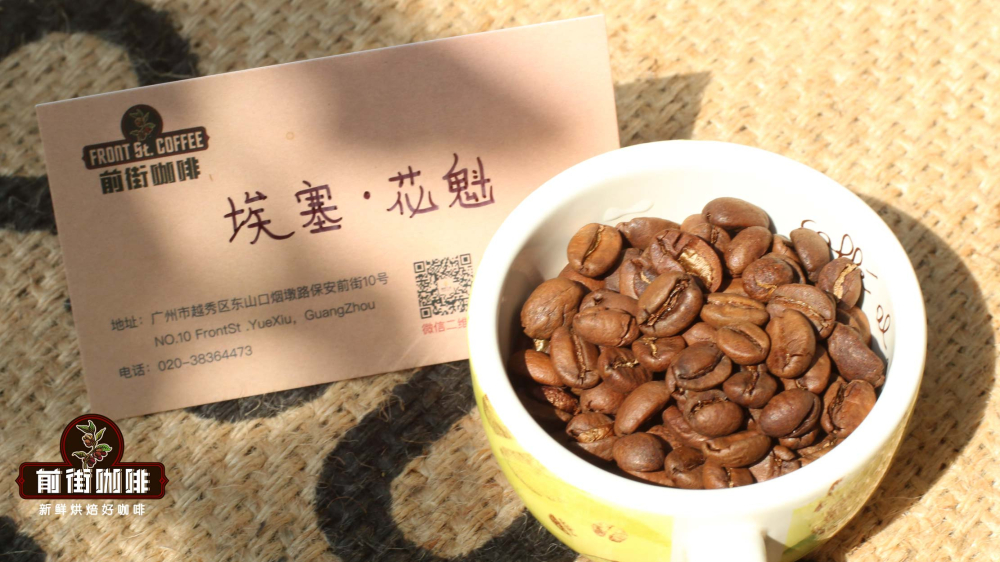
For this test, we used an award-winning coffee bean from Ethiopia’s Sidamo Hambella zone. This bean won the 2017 TOH Ethiopia Regional Natural Division Championship and has gained immense popularity both domestically and internationally for its intense berry flavors and creamy aftertaste. When brewed with a French press, it can fully showcase its rich and full-bodied flavor characteristics, making it an excellent practice bean for beginners exploring immersion brewing.
The specific parameters and equipment configuration used in this test are as follows: the brewing device is a French press, the coffee beans are the aforementioned award-winning variety, the water temperature is controlled at 90°C, the coffee dosage is 15 grams, using a 1:15 coffee-to-water ratio, and the grind size is roughly equivalent to that of white sugar (if using an EK43s grinder, you can refer to setting 10). The total steeping time is set to 4 minutes. These parameter settings help strike a balance between flavor extraction and impurity control, making them ideal as an entry-level standard for users trying the French press for the first time.
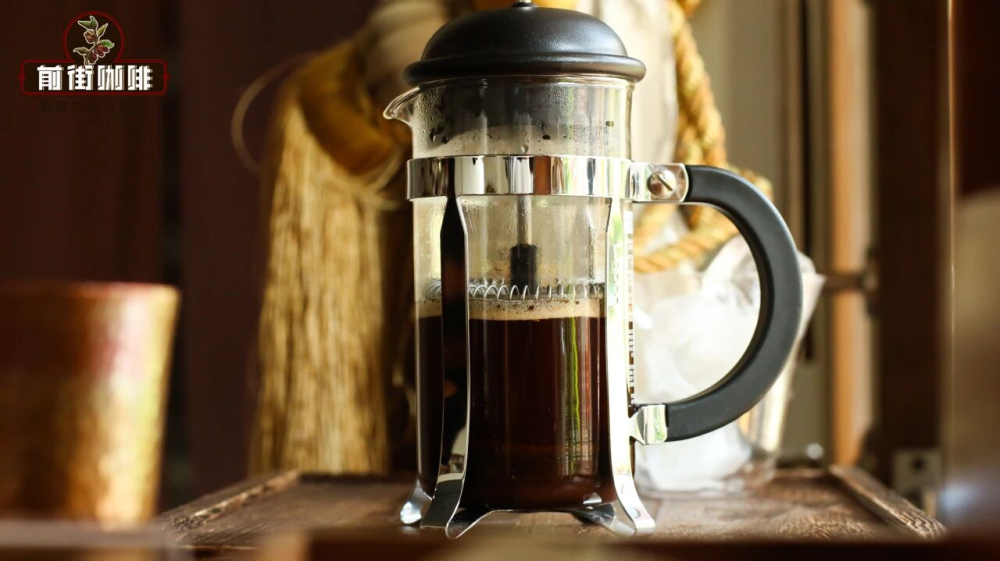
In terms of actual operation steps, it is first recommended to preheat the French press itself, which helps maintain water temperature stability during the extraction process. Next, pour the ground coffee into the pot and slowly add 90°C hot water at a 1:15 ratio, preferably pouring in a circular motion from the center outward to ensure even saturation of the coffee grounds. After pouring, push the plunger rod of the French press to the highest position, but do not press down immediately. Let the coffee grounds and hot water steep for about 4 minutes.
When the time is up, gently press the plunger down to about a quarter of its position and pour out the coffee liquid to complete the brewing. This pressing method avoids excessive compression that could release fine particles, thereby affecting the purity of the taste. By following the above parameters and steps, the coffee brewed using this award-winning variety exhibits a noticeable ensemble of berry aromas upon tasting, with a flavor profile as vibrant as a mixed fruit juice, and a faint hint of fresh orange blossom in the aftertaste. The overall mouthfeel is full-bodied with a silky creamy texture, and the lingering aftertaste is long-lasting and memorable, showcasing the unique charm of the French press under sufficient steeping.
In summary, although the French press and pour over differ in terms of equipment and brewing methods, both can deliver surprising extraction flavors by mastering key variables such as coffee bean selection, grind adjustment, and water temperature control. For those just beginning to explore hand-brewed coffee, the French press is not only easy to use but also allows for gradual understanding of how various variables impact flavor through simple parameter adjustments, making it an excellent choice for getting started with immersion brewing.
The above content is compiled by CoffeeHunters, a coffee news website.


