








Introduction:Do you know why espresso is usually served in small cups while lattes come in larger ones? The size of a coffee cup is not just a visual difference—it also affects flavor release, temperature retention, and the overall drinking experience. This article takes an in-depth look at three common coffee cup sizes—60ml (small), 180–200ml (medium), and 300ml (large)—explaining which types of coffee each size is suited for, along with brewing parameters and flavor profiles, to help you understand the science and art behind coffee cup choices from a professional perspective.
Step into a professional espresso café, and you’ll see rows of ceramic cups in various sizes aren’t placed there at random. Each size corresponds to specific coffee types and serving standards. From espresso to pour over, from latte to cappuccino, choosing the right cup is essential to fully showcase the coffee’s flavor potential. This article will introduce you to the three most common coffee cup sizes—60ml small cup,180–200ml medium cup, and300ml large cup—explaining which coffees they’re best suited for and why these pairings deliver the optimal drinking experience.
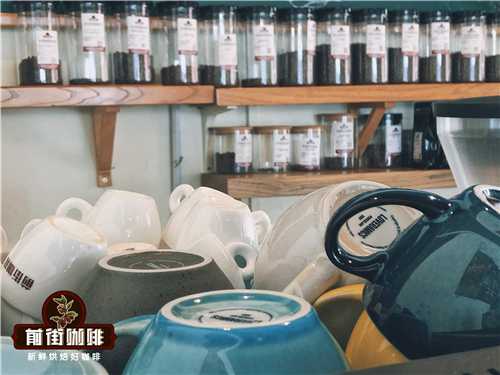
The difference in coffee cup sizes isn’t just about capacity—it directly influences the concentration of the coffee, the speed of flavor release, and heat retention. Generally speaking, the smaller the cup, the higher the coffee concentration and the more intense and focused the flavors, though it’s important to drink within the ideal time window. Larger cups, due to their increased volume, are typically paired with milk or other ingredients, which not only mellows the intensity but also brings a variety of taste experiences.
Small coffee cup (about 60ml)is usually made of white porcelain, with a delicate appearance. This size is primarily used for serving espresso. Taking a common roasting recipe as an example, using 20g of coffee grounds and extracting for 28 seconds yields approximately 40g of espresso liquid. This extraction ratio not only highlights a rich crema (coffee foam) but also ensures a bold and balanced flavor. When this 40g of espresso is poured into a 60ml small cup, it fills it perfectly—visually refined and professional—while the small cup helps maintain the coffee’s high temperature and aroma, extending the optimal drinking window.
This small cup, besides being a vessel for espresso, is also used by some cafés as a sharing cup for single-origin pour over coffee, especially suitable as a tasting sample cup. It’s worth noting that due to its small capacity, the flavor of espresso in a small cup is intense and concentrated. For the best flavor experience, it’s recommended to drink it while hot.
Medium coffee cup (approximately 180–200ml)is a mid-sized ceramic cup, slightly taller with a rim designed for better lip comfort. It’s commonly used for Americano and cappuccino. The standard preparation of an americano involves mixing one shot of 40g espresso with 160g of hot water at a 1:4 ratio to create a clear yet layered black coffee. At this ratio, the original notes of vanilla, cream, chocolate, and subtle wine-like aromas in the coffee become more pronounced, with distinct flavor layers.
As for the cappuccino, it combines 20g of espresso with 160ml of steamed milk, which should have a dense and thick foam consistency. Pouring technique matters here, aiming for a final product that’s filled to an “11/10 full” level, with a central white foam cap surrounded by a golden ring of coffee—visually reminiscent of a friar’s cowl, hence the name “cappuccino.” This cup size helps balance the ratio between espresso and foam, resulting in a texture that’s neither too heavy nor too thin, making it a classic favorite among many coffee lovers.

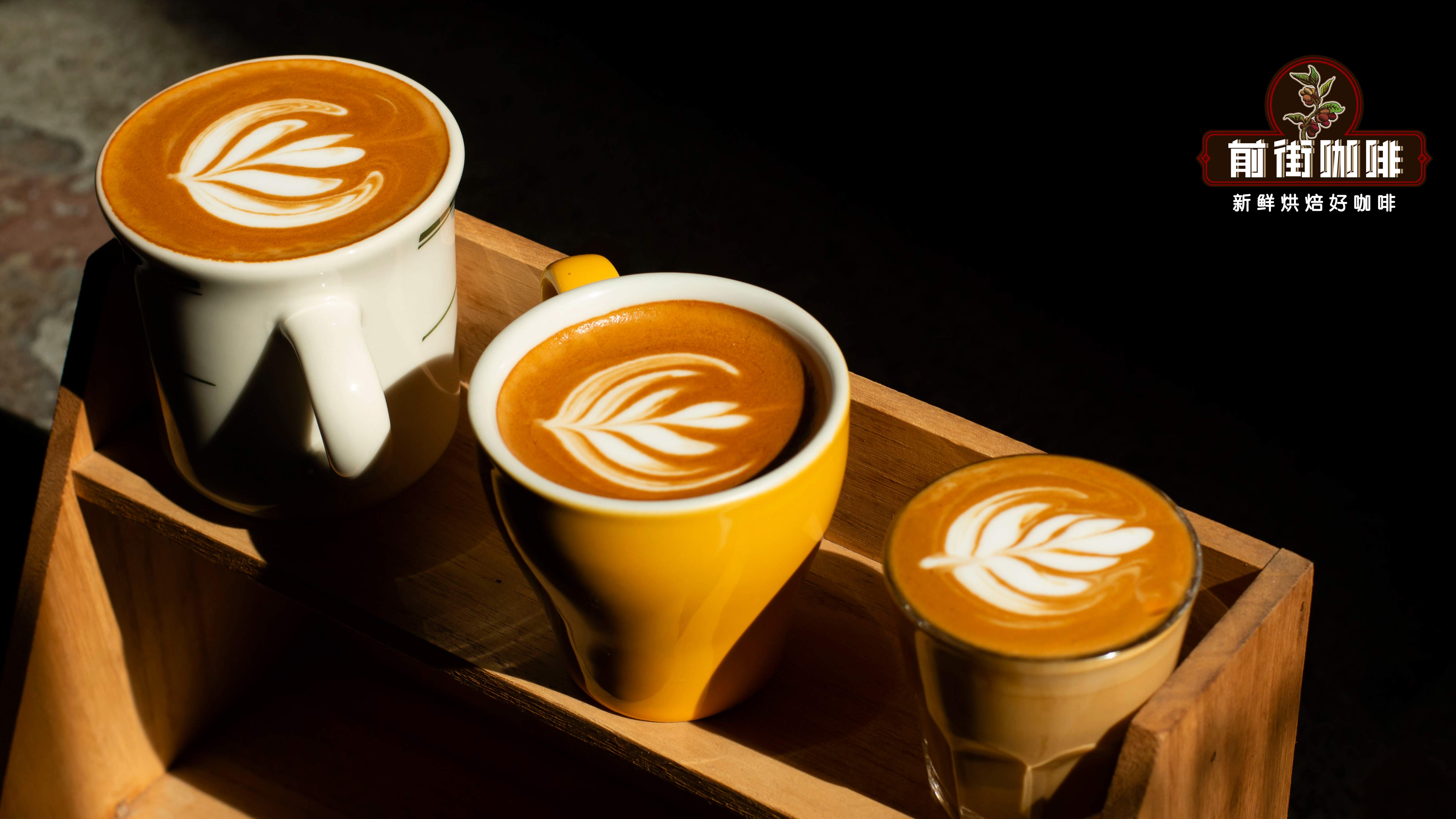
Large coffee cup (300ml capacity)is a standard ceramic cup with a wide rim and ample capacity, primarily used for serving milk-forward coffee drinks like latte and mocha. For a latte, a common recipe is mixing 40ml of espresso with 260ml of hot milk at a 1:6.5 ratio, poured in a circular motion to evenly integrate the milk and coffee, creating a smooth and layered mouthfeel. This ratio allows the natural sweetness of the milk to shine through without overpowering the coffee’s acidity and aroma, resulting in a more mellow and complex overall flavor.
Additionally, the wider opening of the large cup makes it easier for baristas to perform latte art, whether it’s hearts, leaves, or geometric patterns. The broad rim allows finer details to stand out more clearly, enhancing both the visual and taste enjoyment for customers. It’s worth noting that due to the high milk content in a large latte, it’s recommended to use fresh milk with moderate fat content to achieve the best flavor.
In summary, coffee cups of different sizes aren’t just vessels for holding varying amounts of liquid—they are professionally matched tools tailored to coffee type, brewing method, flavor characteristics, and drinking preferences. Understanding these details, whether you’re a barista or a coffee enthusiast, allows you to better appreciate the subtlety and depth of a cup of coffee.
The above content is compiled by CoffeeHunters, a coffee news website.


