







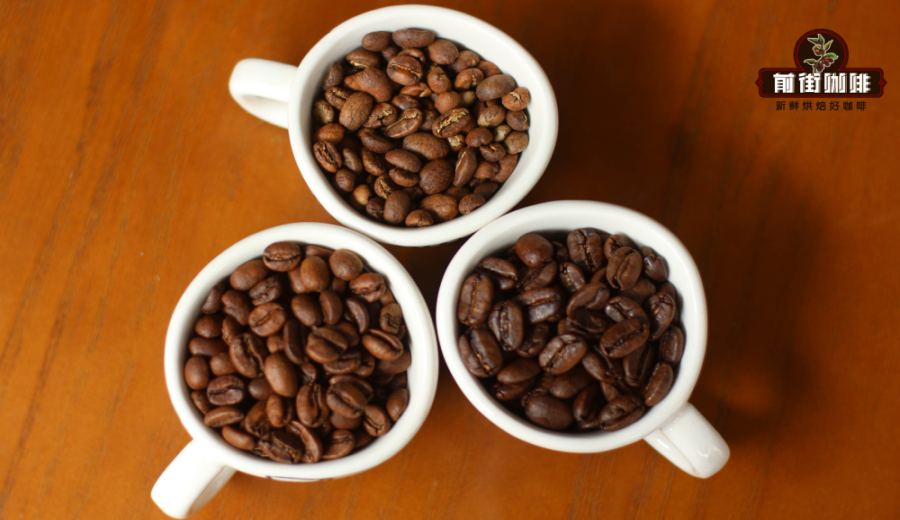
Introduction:Delve into the historical origins, major varieties, and the unique wet-hulling processing method of Indonesian Sumatra Mandheling coffee. Explore the differences between Lintong Mandheling and Golden Mandheling, and gain practical pour over recommendations — including filter choice, grind size, water temperature, and brew ratio — to help you fully master the brewing techniques and flavor profile of this classic dark roast bean.
When it comes to Indonesian coffee, the majority of coffee enthusiasts immediately think of Sumatra Mandheling. This Arabica coffee bean originating from Indonesia’s Sumatra Island is renowned for its rich, bold flavors and distinctive herbal and spicy notes, making it a classic choice for global dark roast aficionados. It is not only commonly enjoyed as a single origin but also widely used as a key base in blends, adding depth and complexity to the overall flavor.
However, many people mistakenly believe that medium-dark roasted Mandheling is not suitable for pour over — but that's not the case. In Japan, dark roast pour over has long been mainstream, and one of the most fascinating aspects of pour over is its ability to highlight the caramel sweetness and chocolatey nuttiness that Mandheling releases during brewing. This article will comprehensively introduce the origins of Mandheling, its main varieties, special processing methods, as well as practical pour over tips, helping you feel more confident from bean selection to brewing.
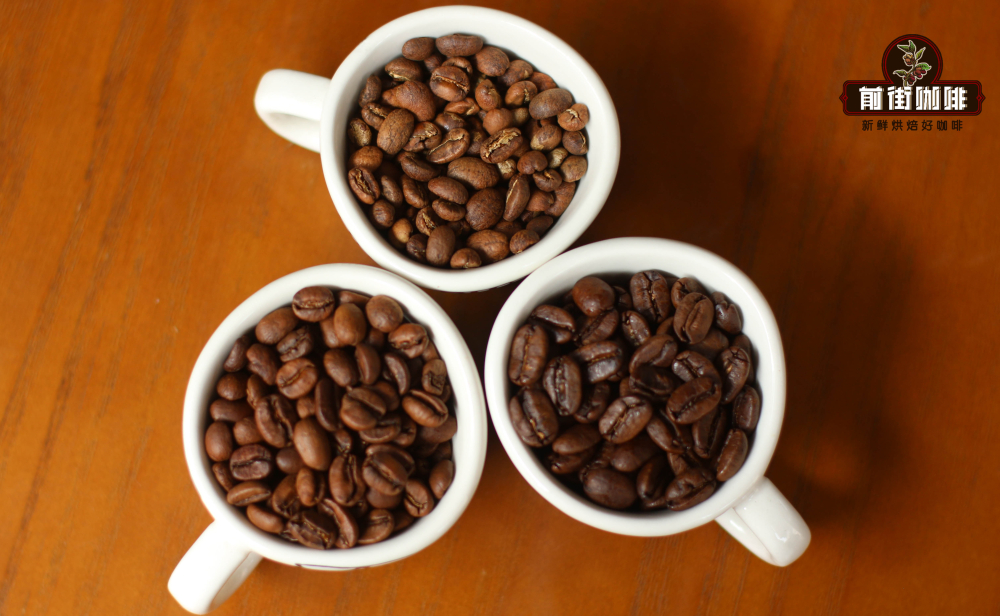
The Origins and Growing Regions of Mandheling
Mandheling is actually not a variety, region, or port name, but a mispronunciation derived from the local Indonesian ‘Mandheling’ ethnic group. This coffee is primarily grown in the highland mountainous areas of Sumatra Island, at altitudes of about 750 to 1,500 meters. The most well-known growing regions include Lintong and Gayo (also known as the Lake Tawar area). The Mandheling produced here is celebrated for its intense flavors, strong aromas, and unique sweetness, making it a classic favorite among many coffee connoisseurs.
Although Robusta accounts for 90% of Indonesia’s total coffee production, Sumatran Mandheling is an extremely precious Arabica variety, particularly those from the Takengon and Sidikalang regions, which are known for their highest quality.
Main Varieties of Mandheling: Typica and Catimor
Two main varieties are cultivated in Sumatran Mandheling: Typica and Catimor.
Typica is one of the earliest Arabica varieties introduced to Indonesia. It was brought by the Dutch from India in the late 17th century, initially planted in Java before being expanded to Sumatra. Over time, this variety adapted to the environment, developing a unique flavor profile characterized by low acidity, high sweetness, and distinct herbal aromas. Today, it can still be found in Sumatra’s Lake Toba and Lintong regions, with entry-level Lintong Mandheling often based on this variety. Locally, these Typica-related coffees are often referred to as Bergendal, Sidikalang, or Rambung.
As for Catimor, it was created in 1959 by Portuguese breeders in East Timor by crossing a Brazilian Caturra mutant with Timor, which has Robusta lineage. This variety boasts strong disease resistance and yields three times that of Typica. It was introduced to northern Sumatra’s Aceh region in the 1980s, where it is locally known as Ateng. Although its flavor is rather wild, long-term localized cultivation has gradually refined Ateng’s taste to be smoother, making it one of the key variety sources for Golden Mandheling.
The Processing Method of Mandheling: The Mystery of Wet-Hulling
One of the most distinctive features of Mandheling is its unique “wet-hulling” (Giling Basah) processing method. Due to Sumatra’s humid and rainy climate, traditional sun-drying or washed methods are difficult to control, so farmers developed this technique of removing the parchment layer while the beans are still semi-dry after fermentation. This method accelerates drying, reduces risks, and unexpectedly shapes Mandheling’s flavor profile — low acidity, full body, and earthy, spicy richness.
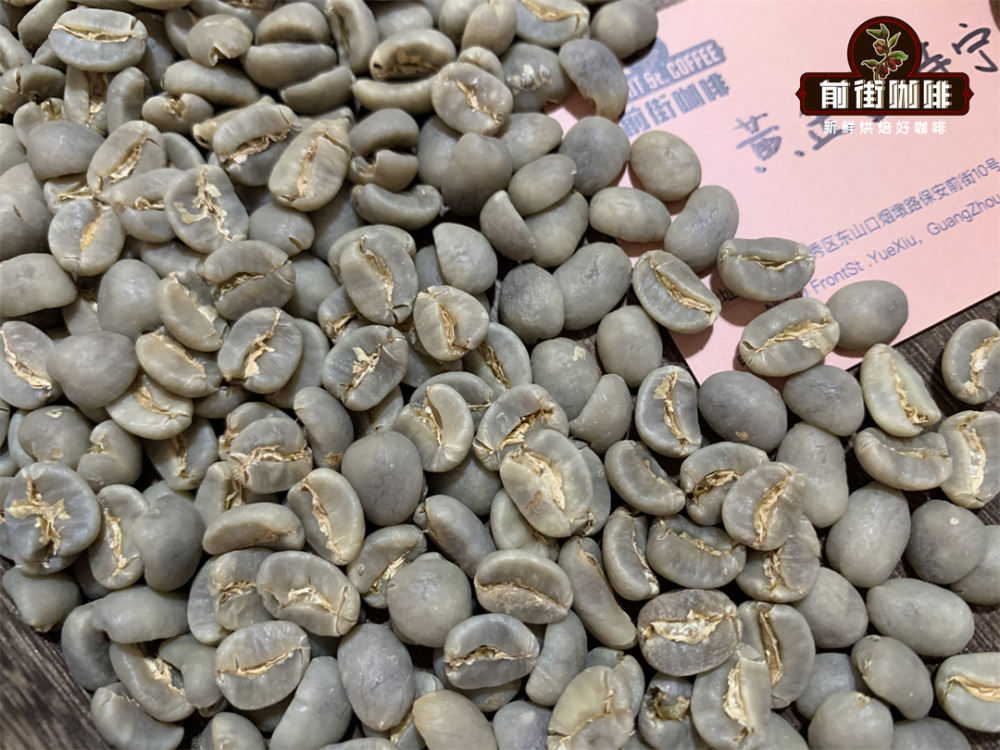
During the wet-hulling process, because the green beans still have high moisture content and are prone to damage when the outer layer is removed, cracks often appear in the bean structure, along with bent shapes — commonly known as “elephant ear beans.” This is actually a common characteristic of Mandheling processing, not a defect, and experienced baristas understand the reasons behind it.
Lintong Mandheling vs Golden Mandheling
Lintong Mandheling is the most common representative of Sumatran Mandheling, grown in the Lintong mountainous area near Lake Toba. This coffee is typically processed using the wet-hulling method and exhibits low acidity and high body, making it ideal for those who enjoy bold flavors. Due to the pressing the beans undergo during processing, elephant ear-shaped beans are common — a notable feature of Lintong Mandheling.
In contrast, Golden Mandheling is a premium-grade coffee, grown in the Lake Tawar region of the Gayo mountains in northwestern Sumatra. Its selection criteria are strict: beans must be over eighteen mesh, with fewer than three defects per 300 grams of green beans, qualifying as G1 grade. After four rounds of hand sorting and density color sorting, the final product consists of uniform flat beans with a deep green hue. Compared to regular Mandheling, Golden Mandheling has significantly reduced earthy off-flavors, offering a cleaner, brighter cup with pronounced notes of caramel, chocolate, and nuts.
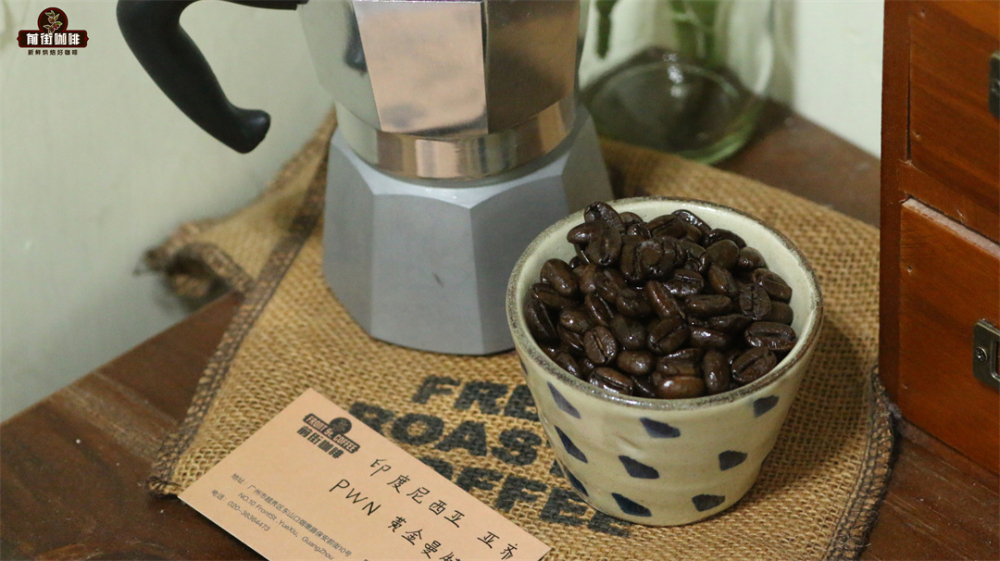
The Golden Mandheling trademark is held by Indonesia’s PWN company. Although Japanese companies have previously collaborated with PWN to release a high-standard selection version, the name “Golden Mandheling” is registered exclusively to PWN. Even so, the actual flavor difference between the two is not significant — both are representatives of high-quality Mandheling.
Pour Over Recommendations for Mandheling: Filter, Grind Size, Water Temperature, and Brew Ratio
To fully bring out the richness and aroma of Mandheling, the parameters of your pour over setup are crucial. For medium-dark roasted Mandheling, it is recommended to use a Kono filter, which effectively enhances body and concentrates the aftertaste; if you don’t have a Kono, a V60 is also a good alternative.
In terms of grind size, because Mandheling is a dark roast, the bean structure is relatively loose. It is suggested to use a slightly coarser grind than what you’d use for light roasts — roughly70% through a #20 sieve. Too fine a grind may release excessive impurities and burnt bitterness, while too coarse may lead to under-extraction and a flat flavor.
Water temperature is recommended to be controlled between87-88°C. Too high may result in burnt, bitter off-flavors, while too low may make the flavors less vibrant. For brew ratio, it is advised to use1:15, which balances intensity while showcasing a full range of flavors, including the sweet and chocolatey nutty notes in the finish.
Finally, during brewing, it is recommended to pour gently in the center for about95ml, which helps enhance sweetness and overall body, making the caramel sweetness and nutty characteristics of Mandheling more prominent, resulting in a smooth and memorable drinking experience.
The above content is compiled by CoffeeHunters, a coffee news website.


