







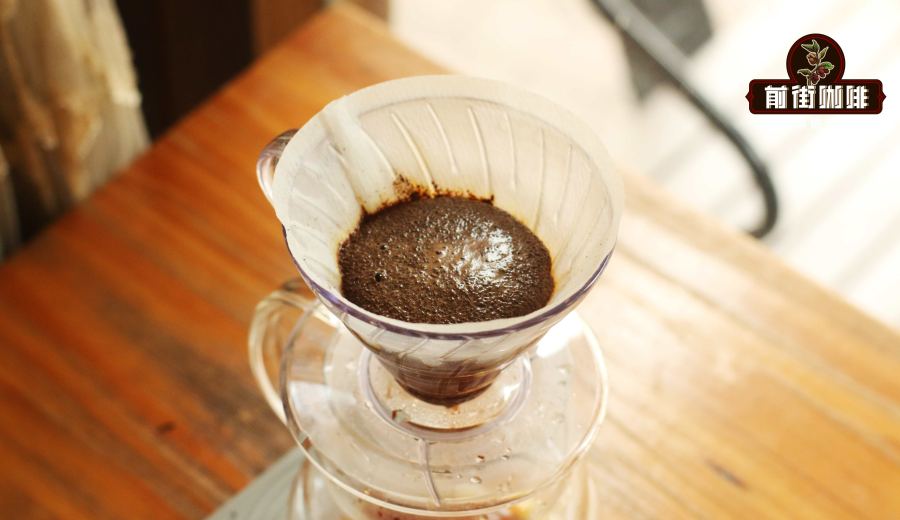
Introduction:Want to easily brew a pour over coffee with distinct layers and pure flavors at home? This article details the selection criteria and practical brand models of essential home pour over equipment—from grinders and filter cones to thermometers—and recommends classic single-origin beans from local Taiwanese brands. These beans cover a rich array of flavors including floral, nutty, and chocolatey notes, helping you choose beans that match your personal preferences and master the fundamentals of pour over brewing.
Brewing a clean, well-layered pour over coffee at home doesn’t actually require complex equipment, but every detail—from grinding, pouring, to temperature control—affects the final taste. Based on actual operation steps, this article will introduce step-by-step home-friendly pour over tools including grinders, digital scales, filter cones, filter papers, pour over kettles, and thermometers, along with specific brand models and reference prices. It also recommends several everyday beans from Taiwanese brands, with flavors ranging from bold and full-bodied, floral, nutty, to chocolatey, making it easy for enthusiasts to choose based on their individual taste preferences.
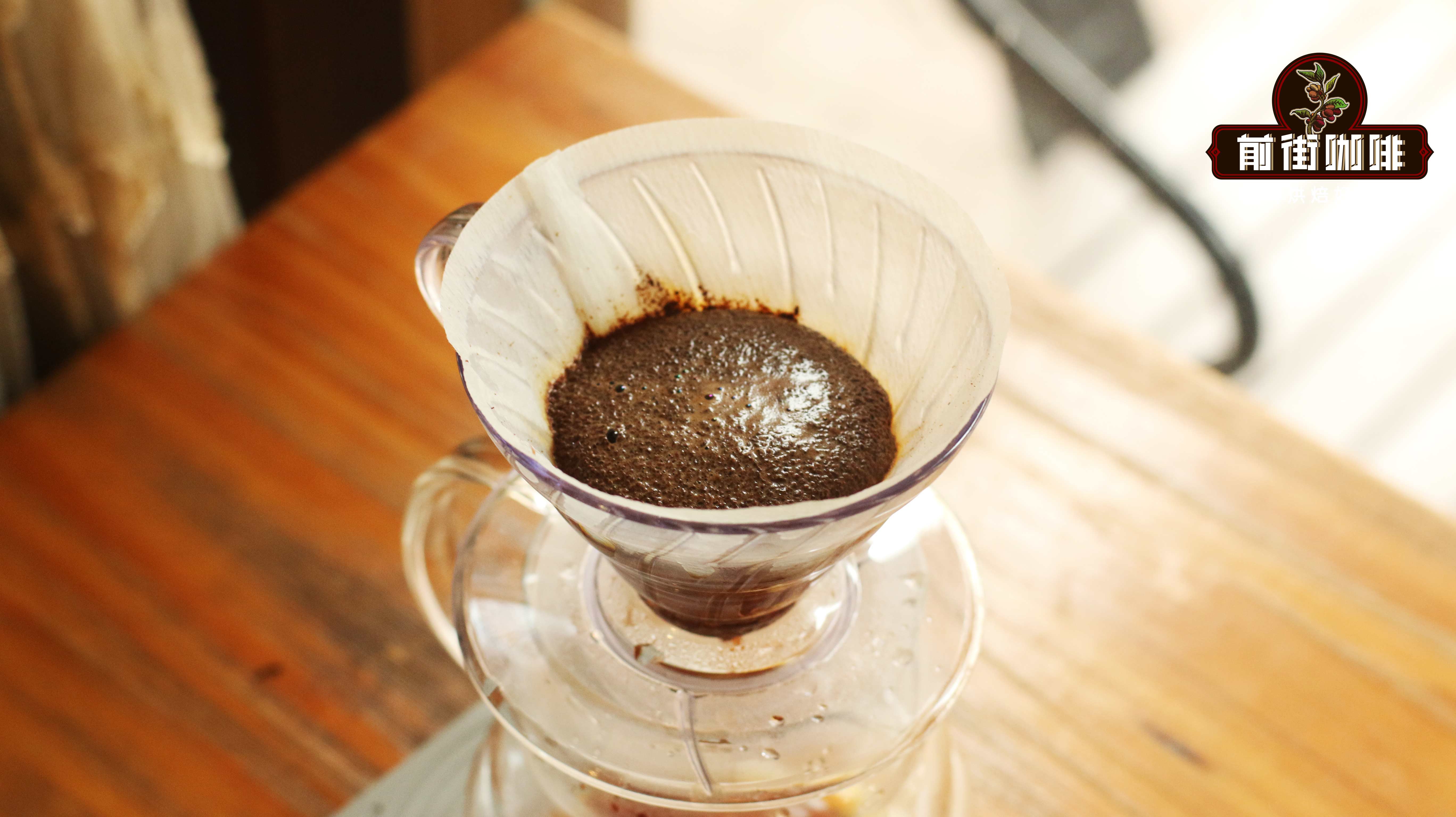
As hot water is slowly poured over coffee grounds, the coffee bed gradually expands and gets wet, releasing captivating aromas, until the final drops gather in your cup to form a satisfying coffee—this process is undoubtedly full of charm. Before diving deeper into pour over techniques, let’s first补充 some basic coffee knowledge. Most cafes on the market typically serve espresso-based drinks—that is, concentrated coffee extracted by high-temperature, high-pressure machines, which are then extended into various fancy drinks like lattes, mochas, and cappuccinos.
However, this article focuses on the brewing method of single-origin coffee. When you come across single-origin beans labeled by “region + processing method” (such as Yirgacheffe washed), it may completely overturn your previous impression of coffee—coffee doesn’t have to be bitter or astringent; instead, like wine tasting, you can experience fruity and floral aromas from beans of different origins. And the most straightforward pour over method, without milk or sugar, is precisely the ideal way to showcase the original flavors of single-origin beans.
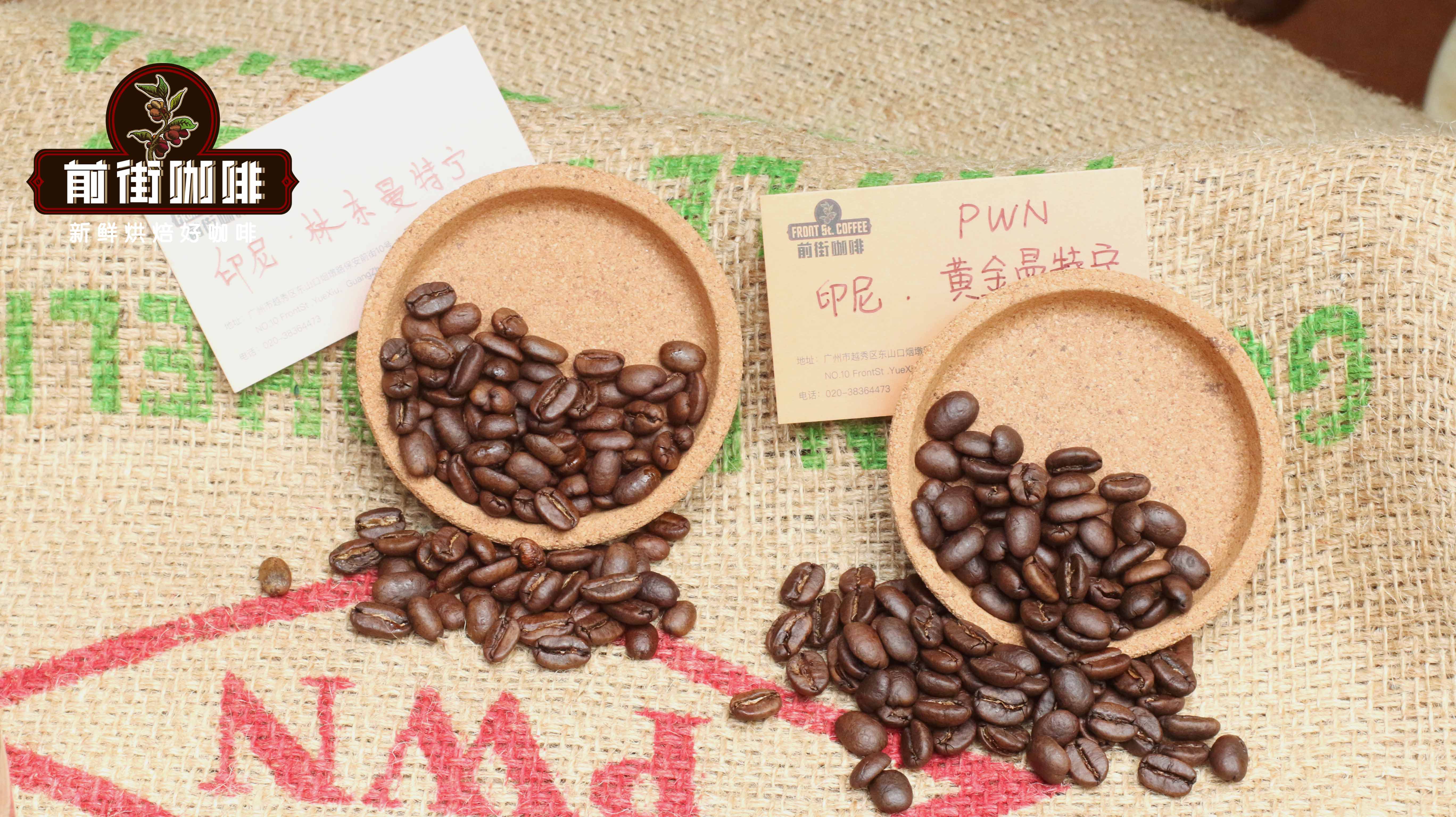
There are many types of coffee beans suitable for pour over, but if you’re considering daily home use, the everyday beans series launched by Taiwanese brands are excellent choices: readers who enjoy bold flavors and spicy notes can go for Indonesian Mandheling; those who prefer floral aromas and pronounced lemon acidity might try Yirgacheffe; for those wanting to experience creamy and nutty profiles, Brazilian Cerrado is quite suitable; those seeking dark chocolate flavors won’t be disappointed with Colombian Huila; additionally, Yunnan small beans and Costa Rica Tarrazú, which offer gentle acidity with nutty aromas, are also worth trying.
Next, according to the steps of making a cup of pour over coffee, we’ll introduce practical and well-reviewed pour over tools one by one.
1. Grinder
If you’ve ever been deeply attracted by the aroma of freshly ground coffee, you’ll definitely understand the importance of “freshness” to coffee flavor. The freshness of coffee beans depends on the roast date, storage method, and whether they are ground just before brewing. Therefore, it’s recommended to grind them at home yourself, especially since the difference between freshly ground beans and pre-ground powder is extremely obvious during the first bloom when water is first poured in.
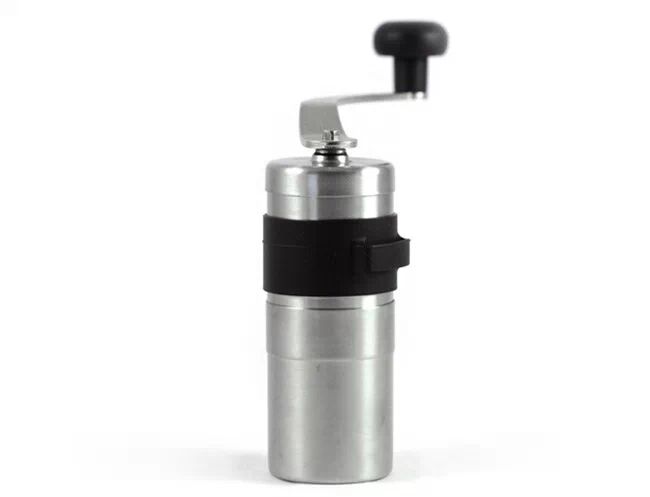
The Porlex hand grinder is a highly praised entry-level choice. Its stainless steel exterior feels solid, it has a compact size that’s easy to carry, and its internal structure allows for simple rinsing with water for cleaning. The ceramic burr supports grind size adjustment—generally speaking, the finer the grind, the easier it is to release bitterness, but if it’s too coarse, it may lead to under-extraction.
Based on actual usage experience, the Porlex performs excellently among hand grinders, but it takes about 15 grams of beans per cup. Grinding coarse powder requires around 60 rotations, while fine powder requires about 100 rotations, and the full capacity is only enough for one to one and a half people. If you lack patience or arm strength, you might also consider buying pre-ground coffee or investing in an electric grinder.
Reference price: About 270 TWD
2. Digital Scale
When observing baristas at specialty coffee shops, you’ll often notice that they precisely control the amount of coffee based on the flavor characteristics of different beans, and the entire extraction process is carried out on a digital scale. This is because the accurate calculation of the coffee-to-water ratio greatly impacts the taste of the coffee, so the weighing step absolutely must not be skipped.
Of course, strength preferences can be flexibly adjusted based on personal taste and understanding of the beans, but the general recommended coffee bean amount for a single serving is between 15 to 18 grams.

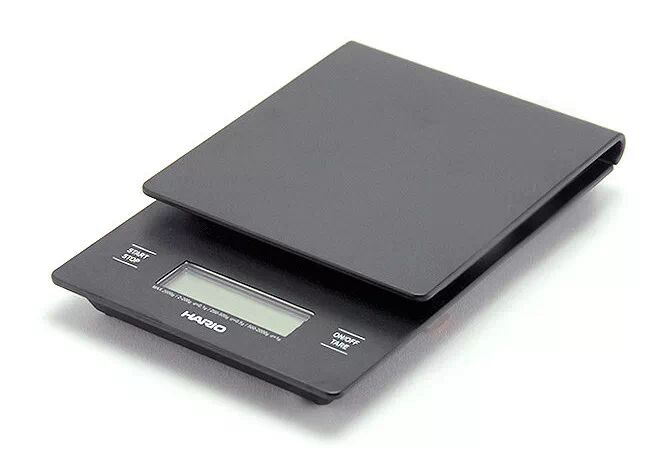
The Hario digital scale is known for its high precision, with a weighing range from 2 grams to 2000 grams and a minimum graduation of 0.1 gram, far surpassing the accuracy of regular kitchen scales. In addition, this digital scale also comes with a stopwatch function, which helps accurately monitor brewing time and ratios. It is commonly recommended to wait about 15 seconds after the bloom (the first pour to help the coffee grounds degas) before proceeding with the second pour, and the overall extraction time is suggested to be controlled between 2 to 3 minutes.
Although the response speed is slightly slow, it has limited impact on actual operation.
Reference price: About 420 TWD
3. Filter Cone
When selecting a filter cone, it’s recommended to consider three aspects: material, hole design, and cup wall ridges.
1) Material: Common materials for filter cone frames include glass, resin, ceramic, and stainless steel. Glass looks the most aesthetically pleasing, ceramic has good heat retention but is heavier, and resin is both lightweight and durable.
2) Holes: The holes at the bottom of traditional oval filter cones are divided into single-hole, double-hole, and triple-hole designs. Single-hole cones have a faster extraction flow rate, requiring higher user control over water flow and timing.
3) Ridges: The seemingly decorative grooves on the cup walls actually play a substantial role in extraction quality. These grooves increase air circulation between the filter paper and the cup wall, thereby improving overall extraction efficiency.

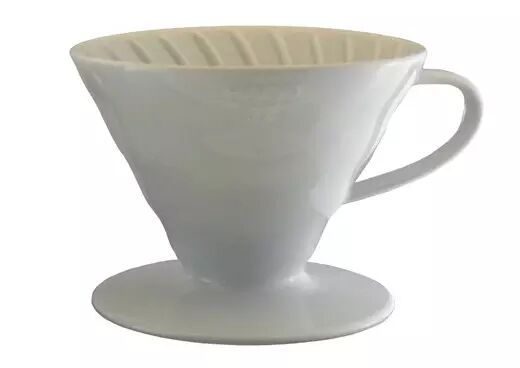
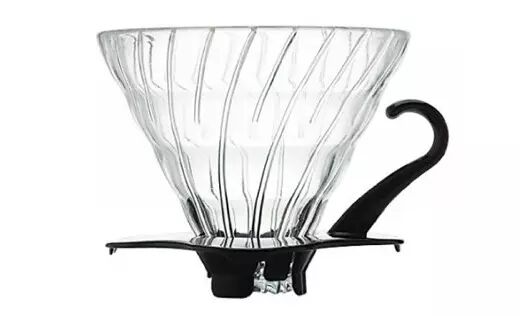
The Hario V60 is the most widely used manual pour over dripper globally, available in ceramic, glass, and resin materials. Its classic conical design, paired with a relatively wide single hole at the bottom and spiral groove patterns, not only allows for a thicker coffee bed, facilitating circular pouring, but also significantly improves the extraction balance during the initial bloom. The optimized permeability allows water and air to flow more smoothly, making the coffee taste approach the effect of a cloth filter, with clear layers and good balance.

During the dripping process, the increased contact area between coffee and air may result in slight aroma loss, which is the only minor drawback of this design.
Prices vary slightly by material—ceramic or glass versions are about 100 TWD each, resin is about 40 TWD, and set combinations are about 150 TWD.
4. Filter Paper
The choice of filter paper also involves some know-how, mainly divided into two categories: cloth filters and regular filter paper. In terms of extraction flavor, cloth filters can retain more coffee oils, resulting in a richer taste, but they are more cumbersome to clean and need frequent replacement. Filter paper is for single use, more hygienic and convenient, and is recommended for general home use.
When purchasing filter paper, in addition to material, you also need to ensure it matches the shape and size of your filter cone, including dimensions and flat-bottomed vs. cone-bottomed designs.
Melitta is the world’s first brand to invent coffee filter paper, with a long history since 1908. It’s recommended to choose unbleached filter paper models, which can more naturally present the true color of the coffee.
Melitta filter paper is made using the patented Aromafleece aromatic fleece paper technology, with a surface covered in fine perforations that effectively retain coffee essence while fully filtering out coffee grounds. Its biggest advantage is that it has almost no pulp taste, a feature that many commercial filter papers struggle to match. (Small tip: Avoid pouring water directly onto the filter paper during brewing; ensure the water stream always lands on the coffee bed to also reduce pulp taste.)
Price reference: About 15 TWD
5. Pour Over Kettle
The design of the pour over kettle also matters a lot. A specialized narrow spout allows for more precise control of the water flow, making circular pouring more convenient. If the water temperature is too high, you can also adjust it directly in the kettle, which is more convenient and stable than diluting in a regular kettle.
The Kalita colorful stainless steel narrow-spout pour over kettle comes in a variety of styles and is beloved by equipment enthusiasts. The Hario stainless steel version is known for its simple design and user-friendly operation. Although it’s made of stainless steel, it has a comfortable grip and is less likely to burn your hands when pouring hot water. The kettle body is also lighter compared to ceramic versions. In actual operation, you still need to be mindful of the weight of the water—it’s recommended not to fill it to the brim and to improve stability through practice.

Although the price is slightly higher, for users who pursue precise pour over brewing, these small differences will directly impact the extraction results.
Price reference: About 500 TWD
6. Electronic Thermometer
A barista once showed their specialized “thermometer,” which looked like a multimeter from a high school physics class but was actually a professional temperature measurement device. For home users, in fact, just a precise electronic thermometer (more accurate than traditional analog ones) is sufficient. It’s generally recommended to control the water temperature for specialty pour over coffee between 85 to 90 degrees Celsius to avoid over-extraction due to excessively high temperatures.
The Dretec DRETEC electronic thermometer has an accuracy of 0.1 degrees Celsius and is suitable not only for brewing but also for cooking and baking scenarios. Some pour over kettle lids also come with simple thermometers, which, although less precise, are convenient for real-time temperature checks.
Price reference: About 140 TWD
That concludes the introduction to a complete set of home pour over equipment. If you’re going for minimalism, you can also choose a French press as an entry tool—just add coffee grounds, pour water, and let it sit to filter—but due to the metal filter, fine sediment is inevitable, the taste is coarser, and flavor control is more difficult.
In summary, pour over coffee demands the highest technical skill from the brewer and requires relatively complete and essential equipment. It’s time-consuming and requires attention to many details such as water temperature, water flow speed, coffee grind size, and filter paper quality—every step affects the final coffee flavor. However, for true coffee lovers, these processes are part of the enjoyment.
The above content is compiled by CoffeeHunters, a coffee news website.


