







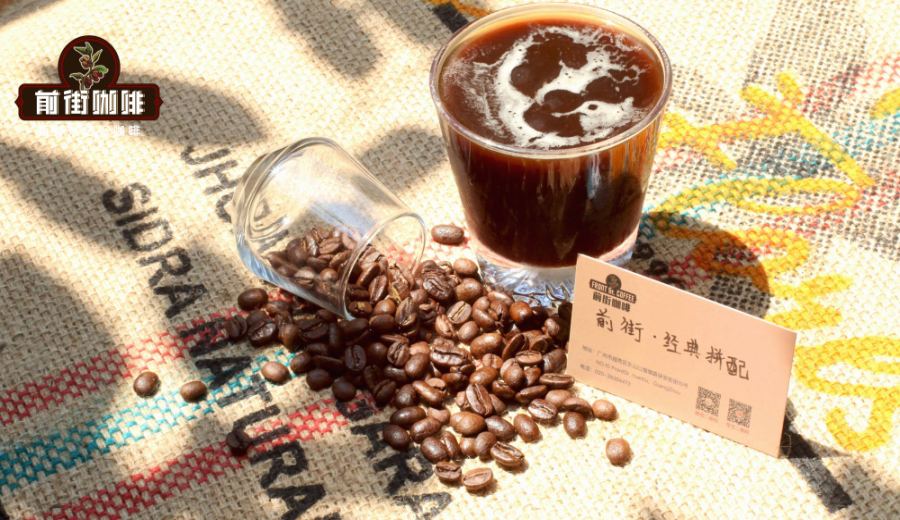
Introduction:Want to learn about Indonesia’s most iconic Mandheling coffee? This article delves into its historical origins, the characteristics of the Sumatra growing region, the impact of the wet-hulling process, and provides a detailed analysis of PWN Golden Mandheling’s rigorous selection criteria and methods for identifying authenticity. It also offers roasting suggestions, pour over parameters, and flavor profiles to help you fully grasp this deep, rich classic coffee.
Mandheling coffee is arguably one of Indonesia’s most representative coffee varieties. Not only is it beloved worldwide for its bold and full-bodied taste, but it also has an interesting backstory tied to a World War II-era anecdote. Among the many types of Mandheling, the Golden Mandheling from PWN stands out due to its strict selection process and unique flavor profile, and is regarded as a benchmark for high-quality Indonesian coffee.
Indonesia is made up of tens of thousands of islands, among which Sumatra is not only the country’s second-largest island but also one of its most important coffee-producing regions. Thanks to the fertile soil formed by volcanic activity, coffee trees here can absorb abundant minerals and nutrients, giving Indonesian coffee its distinctive regional character.
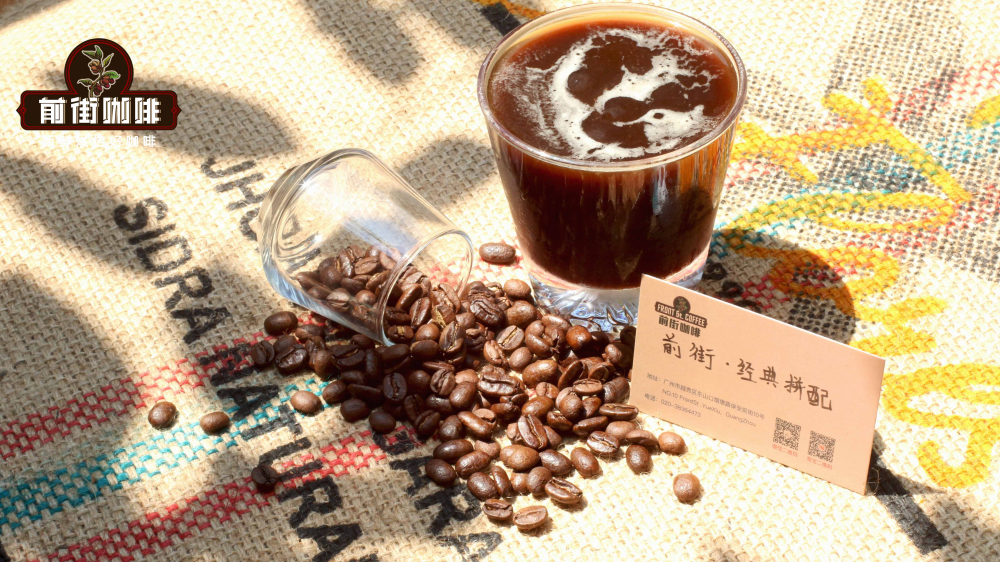
When it comes to Mandheling, one can’t overlook the interesting anecdote behind its name. During World War II, a Japanese officer in Sumatra asked about the origin of the local coffee, but due to a language misunderstanding, he heard “Mandailing people” as “Mandheling.” The name stuck ever since. The coffee supplier at the time was none other than the founder of the now well-known PWN company.
Beyond the historical story, PWN is even more renowned for its relentless pursuit of green bean quality. Compared to regular Mandheling, the difference with Golden Mandheling mainly lies in its stringent selection process. The wet-hulling (Giling Basah) method commonly used in Sumatra, while bringing intense earthy and herbal aromas, can also come with a higher defect rate. To address this, PWN subjects Golden Mandheling to machine pre-screening and three rounds of manual sorting to ensure bean integrity and high quality.
It is said that during the selection process, those flawless, high-quality green beans emit a golden sheen under light—this is also the origin of the name “Golden Mandheling.” The name has since become a registered trademark of PWN, so many imitations on the market warrant careful identification.
The main growing areas of Golden Mandheling are located in Sumatra, at altitudes of about 1100 to 1600 meters, predominantly of the Ateng variety, and processed using the wet-hulling method. This processing method enhances the coffee’s body and imparts unique herbal and spicy notes. In terms of flavor, common descriptions include roasted toast, nuts, pine, caramel, and herbal aromas, with a pronounced sweetness and rich layers.
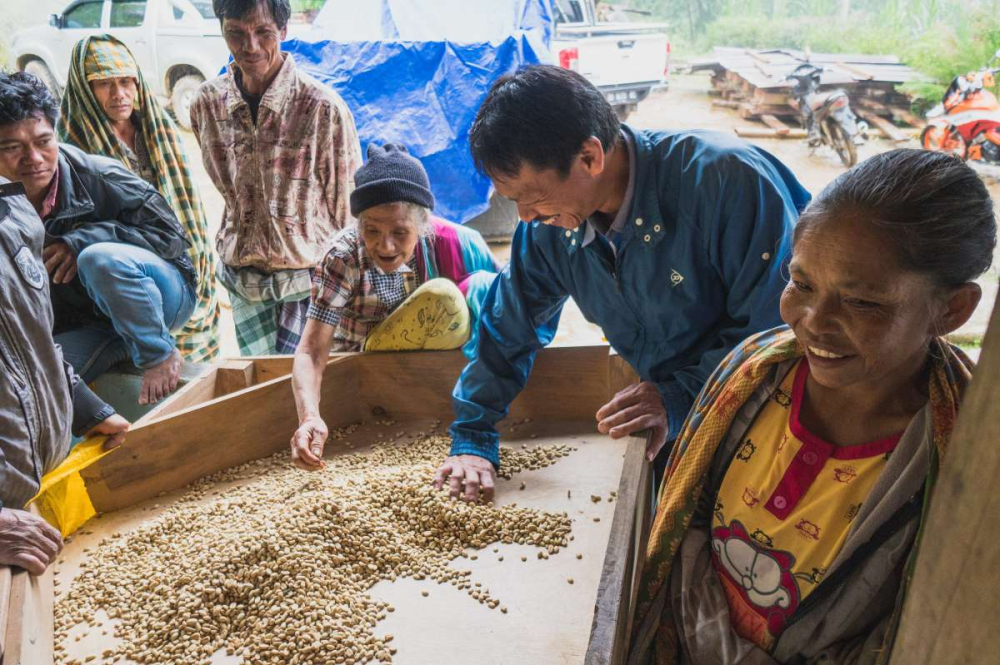
For coffee shops or coffee enthusiasts, the included mill certificate is highly valuable as a reference. It not only serves as a guarantee of quality but also helps effectively avoid purchasing counterfeit products on the market. Some retail locations even display the certificate alongside the jute sacks, allowing customers to witness the origin and authenticity firsthand.
This coffee performs exceptionally well in terms of flavor, featuring intense herbal aromas and a clear caramel sweetness. The acidity is soft and stable, with an aftertaste that carries hints of spice and sandalwood, delivering an overall balanced and profound experience. In roasting, Golden Mandheling can still exhibit good clarity and sweetness even without reaching the second crack, offering more flexibility compared to other Mandheling coffees.
As a traditional craft unique to Sumatra, the wet-hulling process is a key factor in shaping the distinctive flavors of Mandheling. This technique involves preliminary hulling while the beans still have high moisture content, accelerating the drying process—but also necessitating stricter quality control to reduce defects. After processing, Golden Mandheling undergoes multiple rounds of manual sorting to ensure each bean meets high standards of quality and appearance.
If you enjoy drinking coffee via pour over, Golden Mandheling is an excellent choice. Its aroma is multi-layered, and when brewed, it reveals rich notes of nuts and chocolate, paired with hints of spice and caramel, with a long-lasting and memorable aftertaste. For pour over, it is recommended to use a medium-light to medium roast, with water temperature controlled between 90-93°C, while also paying attention to the balance of coffee-to-water ratio and grind size to fully showcase its delicate flavors.
The above content is compiled by CoffeeHunters, a coffee news website.


