







Introduction:The Moka pot is a high-pressure coffee brewing device favored by many households, capable of extracting richly flavored espresso-style coffee. This article delves into the structure and working principles of the Moka pot, guides you in selecting suitable coffee beans and grind sizes, and provides a detailed explanation of the correct operation process and common issues to help you use the Moka pot safely and effectively, brewing coffee with a taste close to that of an espresso machine.
The Moka pot is a familiar tool for many home coffee enthusiasts, using pressure to extract a richly flavored coffee liquid, similar to the espresso produced by an espresso machine. Although its appearance and operation method are more traditional, its extraction principle is closely related to espresso. With the right usage, you can also enjoy a café-level coffee experience at home.
Originating from Italy, the Moka pot is a very common coffee tool in local households. Many people are accustomed to calling it an Espresso Pot, and the name alone indicates that the flavor of the coffee it extracts is similar to that of espresso, albeit using a more traditional heating method. Some users believe that because they don’t see the rich crema on the surface of the coffee, they doubt whether the Moka pot produces real espresso. In fact, this notion is incorrect.
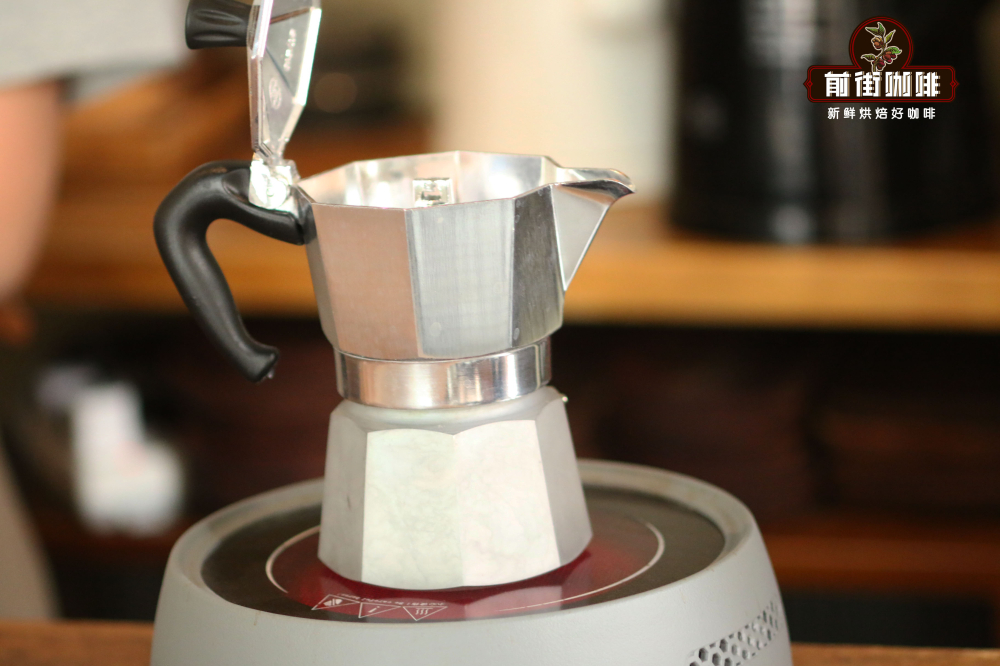
The Moka pot mainly consists of three parts: the upper chamber, the filter basket, and the lower chamber. The lower chamber holds hot water, the filter basket contains finely ground coffee, and the upper chamber collects the final extracted coffee liquid. If you temporarily remove the lower chamber and only observe the connection between the upper chamber and the filter basket, you can better understand its operating mechanism.
The metal tube at the bottom of the filter basket and the central spout of the upper chamber are aligned on the same axis and share the same diameter. This design allows pressurized hot water to travel along a straight path through the compact layer of coffee grounds and then filter through the upper chamber before flowing out. When the water in the lower chamber is heated to a certain temperature, steam pressure pushes the water through the coffee grounds, creating an extraction process under a certain pressure.
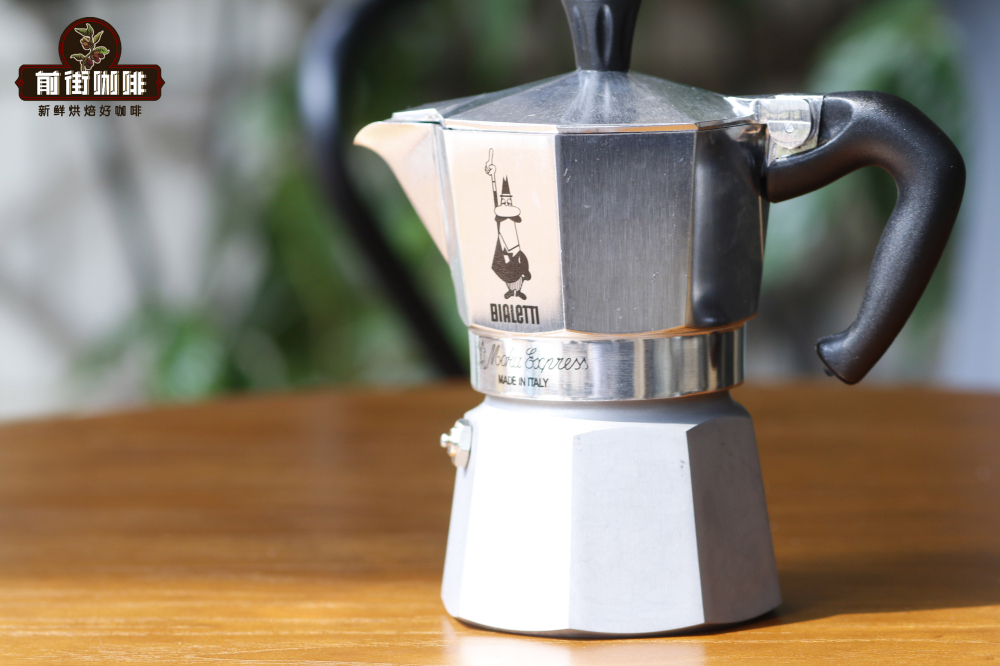
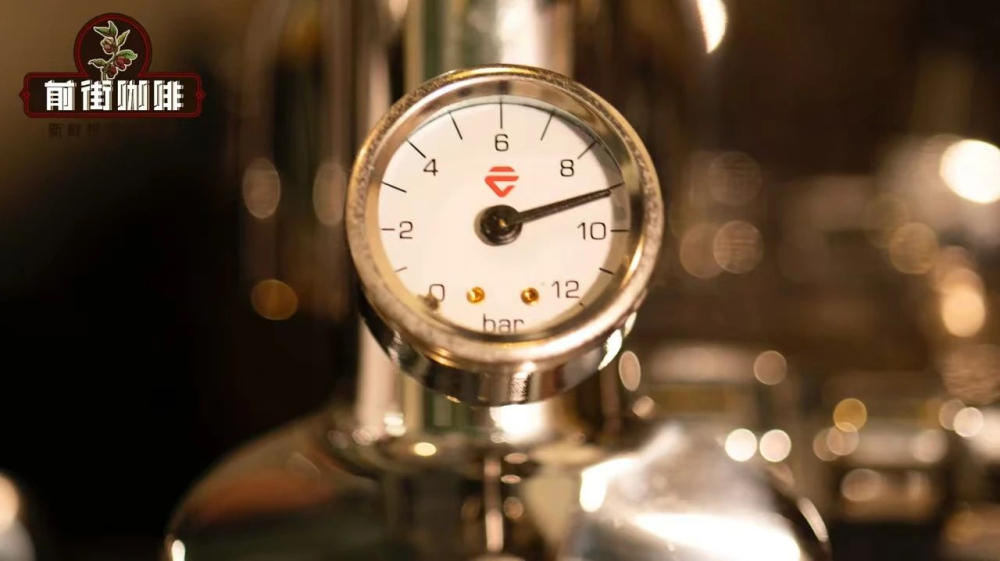
Through the safety valve on the lower chamber, it can be seen that the Moka pot is essentially a pressure-bearing vessel. When the filter basket is tightly screwed onto the lower chamber and placed on a heat source, pressure builds up inside, typically ranging between 1.5 and 3 bar. Although this is lower than the 9 bar of a professional espresso machine, it is still sufficient to extract a richly flavored coffee liquid. Therefore, the coffee made by the Moka pot can still be classified as a form of espresso.
When selecting coffee beans, it is recommended to choose medium to dark roasted beans, which can better bring out a rich and balanced flavor. If you often buy coffee beans at the supermarket, you might consider blends specifically designed for the Moka pot or espresso machines. For example, blends using Brazilian and Colombian beans often deliver clean flavors of nuts and chocolate, suitable for various brewing methods. If you prefer coffee with rich crema and a full-bodied taste, you can also opt for blends optimized for the Moka pot. The brewed coffee will not only have intense aroma but is also suitable for making Americano or latte.
Regarding grind size, it is recommended to grind the coffee to a fineness of about 0.3 to 0.55 mm, close to the grind size of espresso. You can purchase a dedicated grind size ruler or refer to Moka pot-specific coffee powder to judge, or adjust through multiple trials—generally, about 3 to 5 attempts will help you find the right fineness. If the coffee is too coarse, water may pass through too quickly, causing the coffee to gush out like a fountain. If it’s too fine, it may lead to poor water flow or even the sound of boiling without extraction, in which case you should turn off the heat immediately to avoid danger.
The steps of using the Moka pot are also crucial. First, pour hot water into the lower chamber, ensuring the water level stays below the safety valve to avoid soaking the coffee grounds for too long, which can lead to over-extraction and burnt, bitter flavors. It is recommended to use warm water instead of cold water to shorten the heating time and maintain the stability of the extraction flavor.
Next is filling the coffee grounds, a step that greatly impacts the final extraction. When adding coffee, try to fill the filter basket completely without leaving gaps, but do not tamp it down forcefully. You can add the coffee in portions and gently tap the outer edge of the filter basket with your hand to distribute the grounds evenly. Then, lightly tap the filter basket on the table to make the coffee more compact. After filling, securely attach the filter basket to the lower chamber, then screw on the upper chamber tightly—ideally until it cannot be turned any further—to ensure a good seal.
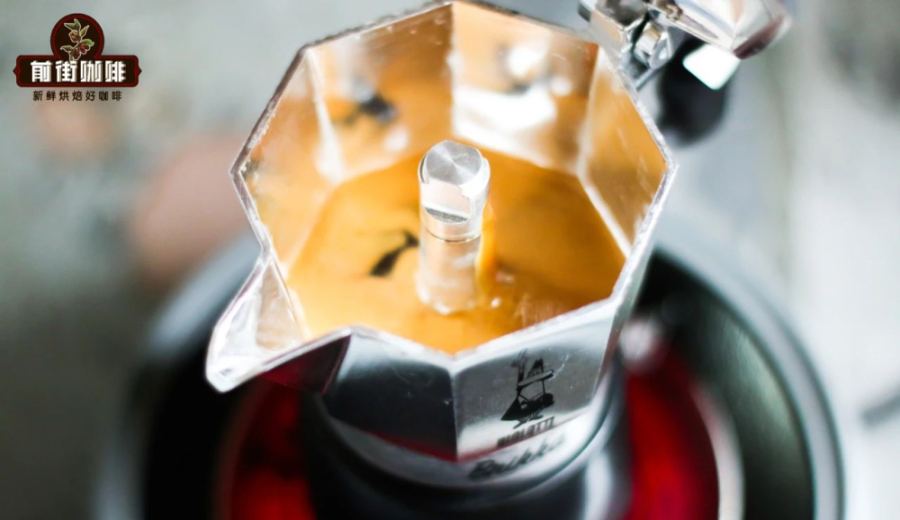
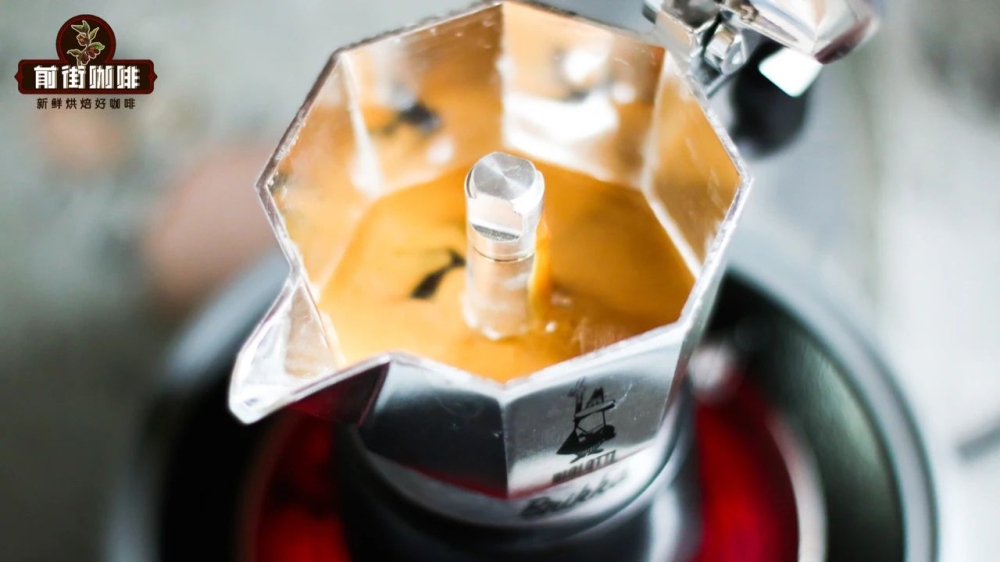
Place the assembled Moka pot on the heat source, and it’s recommended to leave the lid open to observe the extraction process. When the coffee liquid begins to flow from the central spout of the upper chamber, extraction has started. As time passes, the coffee level gradually rises. When you notice the appearance of crema on the liquid surface, it signifies the extraction is nearing its end. Once the color of the crema turns from dark to light, you should immediately turn off the heat to prevent over-extraction, which can lead to bitterness or off-flavors. Be especially mindful not to wait until you hear a “whistling” sound before turning off the heat—by then, the coffee may already have a burnt or rubbery taste.
To further avoid over-extraction, you can quickly place the Moka pot on a towel soaked in cold water after extraction to help cool it down rapidly and reduce the risk of residual heat continuing the extraction process.
Finally, some maintenance details should also be noted when using the Moka pot. The rubber gasket under the upper chamber is recommended to be replaced once a year to ensure a good seal and avoid air leakage or insufficient pressure. If you find the safety valve leaking air or water, it may be due to wear of the thin metal sheet inside, and it should be replaced promptly to maintain normal pressure and extraction performance.
The above content is compiled by CoffeeHunters, a coffee news website.


