







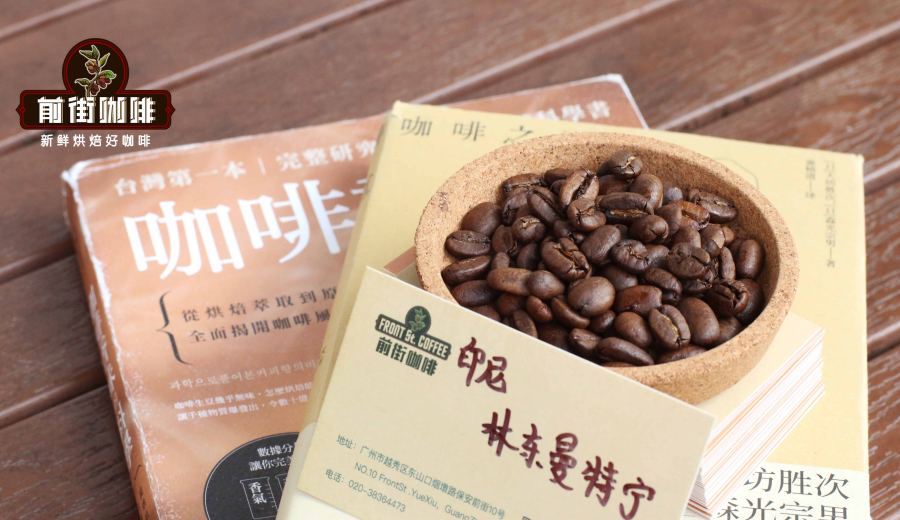
Introduction:Sumatra Mandheling coffee is renowned for its full-bodied richness and low-acidity, steady profile, making it a classic choice for coffee enthusiasts worldwide exploring dark roast flavors. This article delves into the flavor profile of Mandheling, details of the wet-hulled processing method, and compares the roasting differences between two well-known regional beans. It also provides practical pour over parameters and techniques tailored to medium-dark roast characteristics, guiding you from green bean processing to cup flavor to fully grasp the charm of this classic bean.
Sumatra Mandheling is one of Indonesia’s most representative specialty coffee varieties, known for its intense, rich mouthfeel and deep, low-acidity aroma layers. This coffee from the equatorial, rainy island not only showcases unique spicy and herbal notes but also, thanks to the wet-hulling processing method, delivers a calm and layered drinking experience. This article will comprehensively analyze the key transformation process of Mandheling from green bean to cup, covering flavor characteristics, processing techniques, roasting profiles, and pour over extraction parameters.
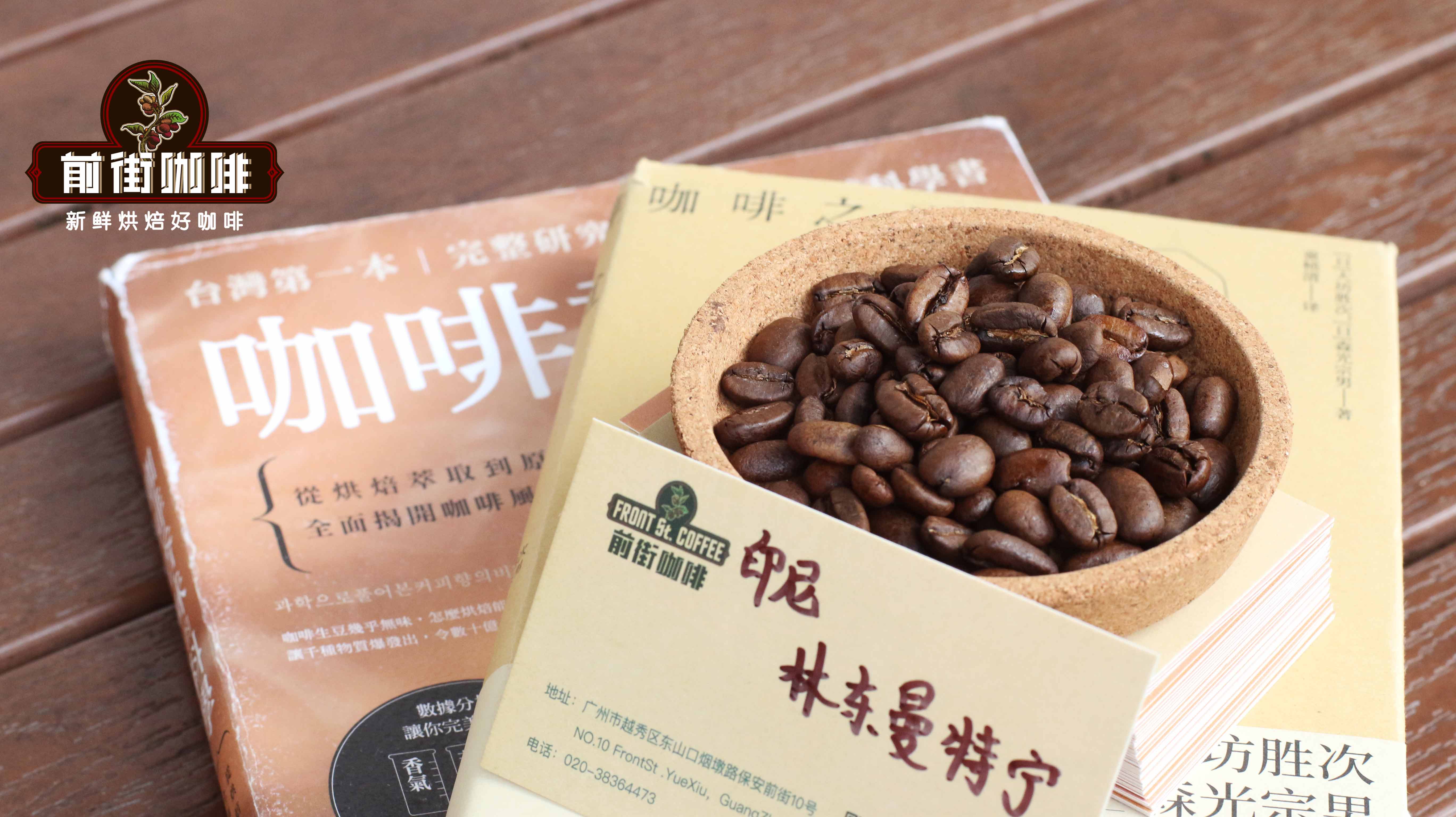
A high-quality cup of Mandheling often presents a solid body and rich sweetness upon entry, with gentle acidity that doesn’t overpower, and a long aftertaste carrying subtle caramel and woody tones. These flavor characteristics make Mandheling particularly suitable for medium-dark to dark roasts. Through high-temperature, long-duration roasting, sufficient caramelization reactions can be triggered, not only enhancing the coffee’s body but also effectively suppressing some rough off-flavors and excessive bitterness, further elevating the complexity of aftertaste and aroma.
Roasting Mandheling to achieve a rich and balanced expression is not something that can be accomplished simply by applying high temperature and long roast time. Roasters need to precisely control the beans’ moisture content, density, and drying rate, while adjusting firepower and air vent settings according to the bean variety’s traits. This ensures sweet flavors are fully released while preserving the variety’s unique spicy and earthy notes—all without over-roasting. This requires careful selection of each batch of green beans and continuous observation of bean color changes and development time during roasting.
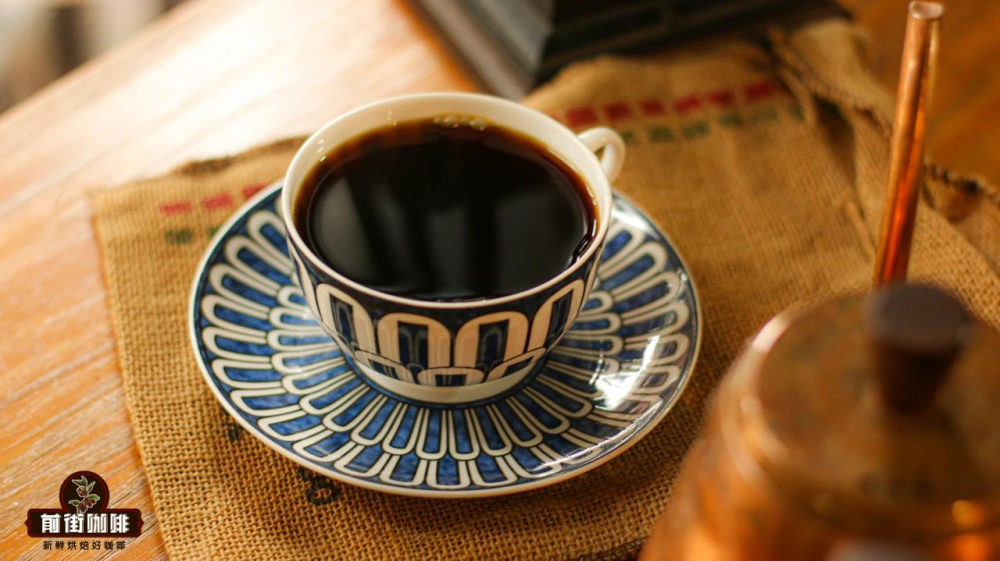
The two commonly seen Sumatra Mandheling beans on the market come from the Lintong region and the PWN company in the Aceh area. The former is high-quality Lintong Mandheling of Indonesian G1 grade, while the latter is the golden Mandheling selected by PWN—featuring uniform bean size (mostly above 18 mesh), and an extremely low defect rate. Although both beans are from Sumatra, slight differences in their final flavor profiles can be discerned due to variations in microclimate and processing details between the regions.
Both coffees are processed using Indonesia’s unique wet-hulled method. The general process is as follows: harvested coffee cherries are first preliminarily sorted, then placed in water tanks or buckets for dry fermentation for approximately 12 to 36 hours. This stage primarily aims to transform the natural sugars in the mucilage, further enhancing flavor complexity. After fermentation, the beans undergo 1 to 2 days of sun drying until their moisture content drops to 35% to 40%. At this point, a specialized hulling machine is used to remove the parchment layer, followed by continued sun drying until the moisture content stabilizes at 12% to 15% before being stored.
Since wet-hulled green beans generally have a higher moisture content compared to typically sun-dried beans, special attention must be paid to temperature control and ventilation during the initial drying phase of roasting. It is recommended to close the air vent for the first 30 seconds after dropping the beans to allow for a pre-bloom phase; once the bean surface turns light green or grayish-white, gradually increase the air vent to level 3. When the bean color visibly lightens and approaches first crack, the air vent can be increased to level 4, and once first crack begins, it is advised to fully open it to level 5 to ensure even heat penetration to the bean core, making the overall roast more “open” or “transparent.”
Taking actual roasting data as an example, Lintong Mandheling has a charge temperature of 200°C, with the yellowing stage appearing around 5 minutes and 18 seconds. First crack starts at approximately the 9-minute mark, when the bean temperature is 186°C. It then enters the first crack development phase for about 4 minutes before dropping, with a final temperature of 202°C. In contrast, PWN Golden Mandheling slightly later enters the yellowing stage (around 5 minutes and 40 seconds), with first crack starting at 9 minutes and 54 seconds, a bean temperature of 191.2°C, a first crack development time of 3 minutes and 30 seconds, and a drop temperature of 204.5°C. These subtle differences directly affect the clarity of the final flavors and the expression of sweetness.
Cupping results show that Lintong Mandheling exhibits the typical Sumatra flavor profile, including herbal, spicy, and nutty notes, accompanied by distinct caramel sweetness. In comparison, PWN Golden Mandheling, due to its uniform bean size and more even heat distribution during roasting, not only presents a cleaner and clearer flavor line but also shows more prominent sweetness and overall body.
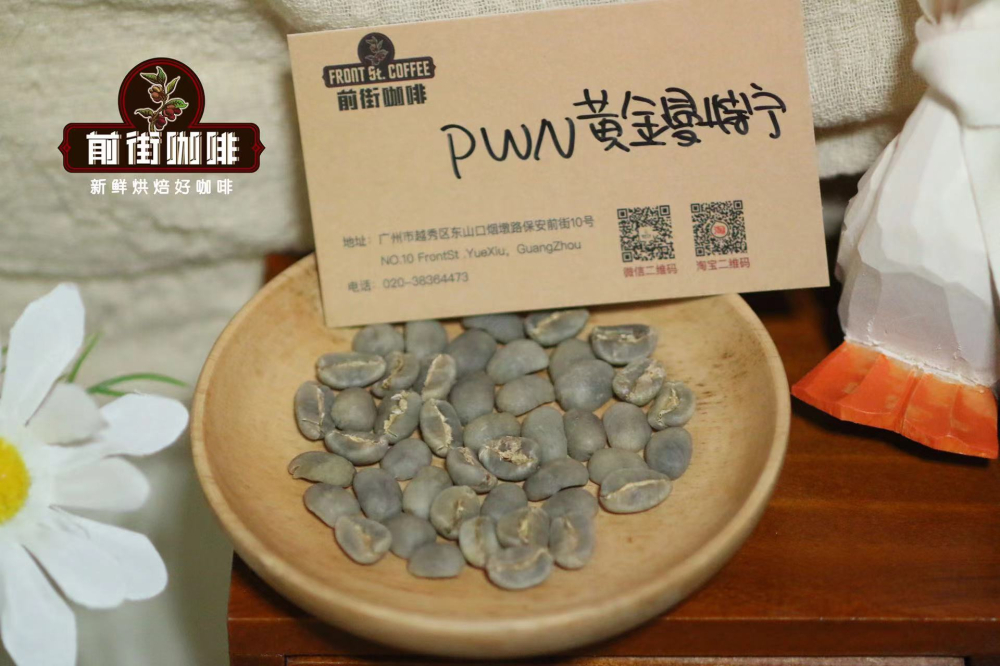
Medium-dark roasted Mandheling, due to its internal structure becoming looser after high-temperature roasting, absorbs water faster after grinding. Using excessively high water temperature or too fine a grind can easily lead to over-extraction, causing excessive release of bitterness and woody impurities. Therefore, it is recommended to use a medium-coarse grind size and moderately lower the water temperature to balance extraction.
Practical pour over recommendations are as follows: Use a KONO filter, 15 grams of coffee, a 1:15 coffee-to-water ratio, and a grind size passing about 70% through a Chinese standard 20-mesh sieve. Water temperature should be controlled around 88°C. Specifically, start with a 30-second bloom using 30 grams of water, then pour in small amounts in circular motions up to 125 grams. Once the water level drops halfway, continue pouring up to 225 grams. Total extraction time should be controlled around 2 minutes and 10 seconds. This method helps balance flavor layers, reduce over-extraction risk, and bring out the characteristic richness and spicy finish of Mandheling.
The above content is compiled by CoffeeHunters, a coffee news website.


