







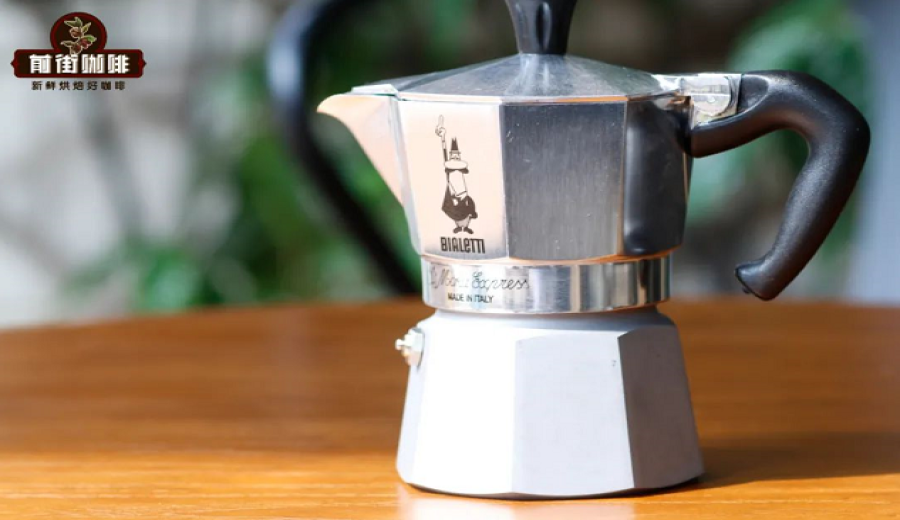
Introduction:Many coffee enthusiasts often encounter the issue of insufficient crema when using a moka pot. This article delves into the fundamental structure and working principles of the moka pot, thoroughly analyzes how the timing of turning off the heat affects crema formation, and explores how different roast levels and coffee bean selections influence crema production. It also includes practical recommendations for several coffee bean blends—both single-origin and mixed—that are well-suited for moka pot use, helping readers adjust their brewing to achieve rich flavor and delicate crema.
The moka pot is a classic Italian espresso-style brewing device that remains highly popular in Italian households to this day, with reportedly eight out of ten homes owning one. However, in Taiwan or other regions, many users still have questions about the correct way to use a moka pot, especially how to brew coffee with rich crema. This article provides a comprehensive analysis—from the mechanics of the device and operational details to the selection of coffee beans—on the key factors that enhance crema production with a moka pot.
First, understanding the structure and operation of the moka pot is crucial. The moka pot mainly consists of three parts: the upper chamber, the funnel (or coffee chamber), and the lower chamber. The lower chamber holds water, the funnel contains the ground coffee, and the upper chamber collects the brewed coffee. When the lower chamber is heated, the water turns into steam, and as pressure builds up, the hot water is forced through the coffee grounds in the funnel, eventually reaching the upper chamber to produce a strong cup of coffee.
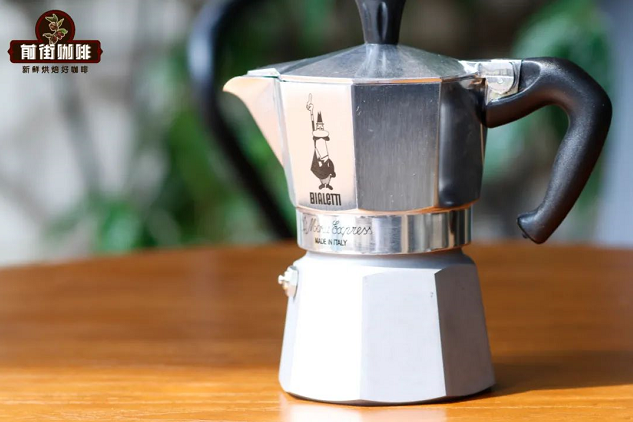
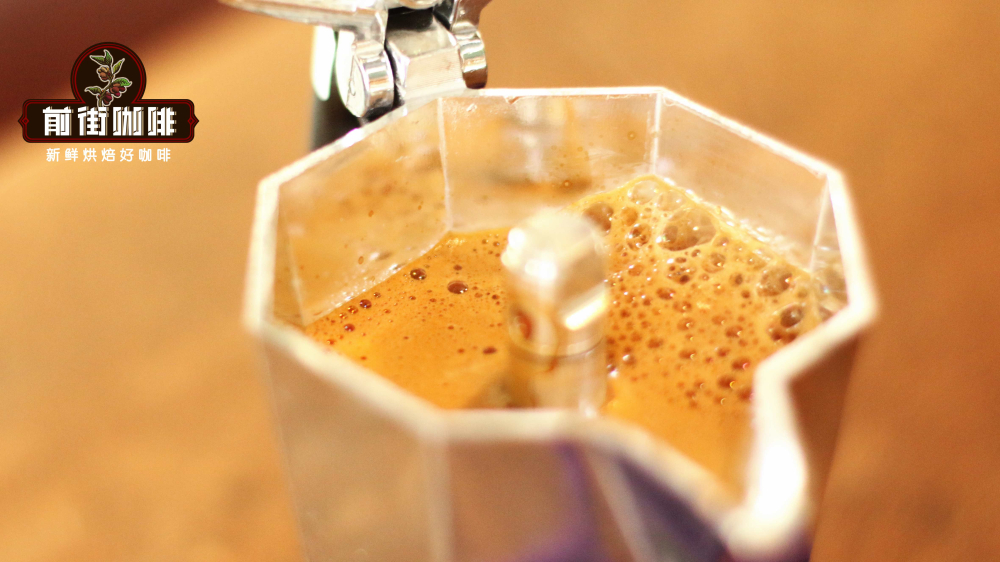
So, when should you turn off the heat on a moka pot? It’s recommended to do so once you observe that about half of the coffee has flowed into the upper chamber, and you feel the pot is approaching its boiling point. At this stage, the residual heat and internal pressure will continue to push the remaining coffee upward, helping avoid over-extraction or the production of excessive undesirable compounds.
When it comes to the lack of crema in moka pot coffee, there are multiple contributing factors, but the choice of coffee beans is the most critical. Crema is primarily formed by the carbon dioxide released during the roasting process of the beans, which rapidly expands upon contact with hot water during extraction, creating a fine layer of golden foam. Therefore, selecting the appropriate roast level and fresh coffee beans is especially important.
Generally speaking, medium-dark roasted coffee beans contain more carbon dioxide, making them more conducive to producing rich crema under the high-pressure extraction of a moka pot. In addition, the freshness of the beans is another essential factor; it’s recommended to use beans roasted within five days and still within their peak flavor window to ensure sufficient gas release and flavor during extraction.
For those looking to explore different flavor profiles, here are several coffee bean options that have been practically tested and are well-suited for moka pot brewing. First is a blend of Brazilian pulped natural and Colombian washed beans, which delivers layers of rich nuts, roasted peanuts, cocoa, cream, and caramel—a great choice for those who enjoy sweet and full-bodied flavors.
If you prefer options with bright and sweet notes, the medium-roasted Brazilian Queen Estate Yellow Bourbon is worth trying. This coffee offers prominent sugarcane sweetness and is suitable for both straight drinking and milk-based drinks, with commendable crema performance as well.
Another classic is the Indonesian PWN Golden Mandheling from Pawani Company, known for the signature boldness and richness of the Mandheling series while maintaining good clarity, making it ideal for consumers who favor strong flavors and spicy profiles.
Additionally, the classic Italian-style blend is based on Indonesian Mandheling and Brazilian Red Bourbon, with a touch of Robusta beans, providing intense aromas of caramel, dark chocolate, malt, and cookies. Its crema is fine and stable, making it especially suitable for milk-based drinks like lattes, with excellent latte art performance.
For beginners or those on a budget, the basic Italian blend uses Yunnan washed and Brazilian pulsed natural beans, offering a milder profile with fruity acidity, caramel, and nutty notes. It provides excellent value for money and is a great option for home practice and everyday drinking.
The above content is compiled by CoffeeHunters, a coffee news website.


