







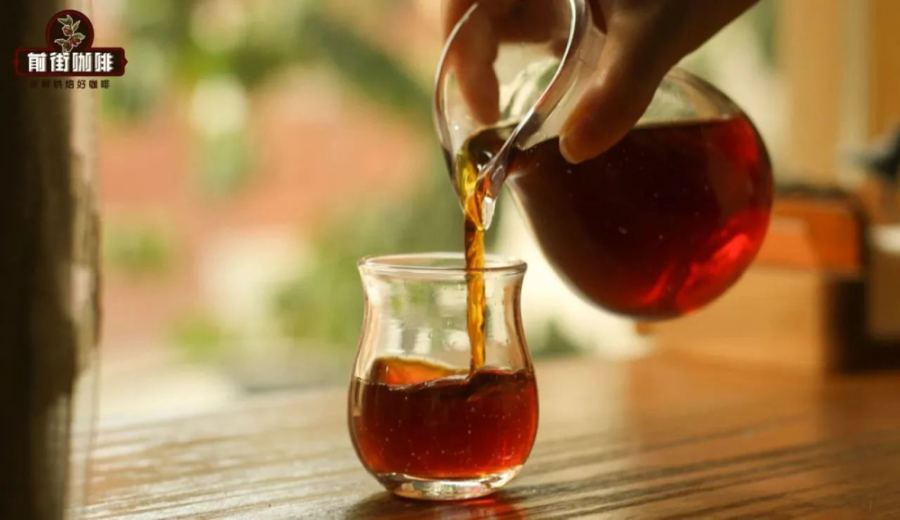
Introduction:Yirgacheffe is one of Ethiopia’s most iconic specialty coffee regions, renowned for its distinctive white floral notes and bright lemon-citrus acidity. This article provides a comprehensive breakdown of the essential knowledge behind this classic coffee bean—from regional geography and coffee variety backgrounds, to the evolution of washed and natural processing methods, and the cooperative operation model. It also offers practical pour over parameters and flavor evaluation guidance. Whether you’re a beginner or an advanced coffee enthusiast, you’ll gain a deeper understanding of the charm of Yirgacheffe.
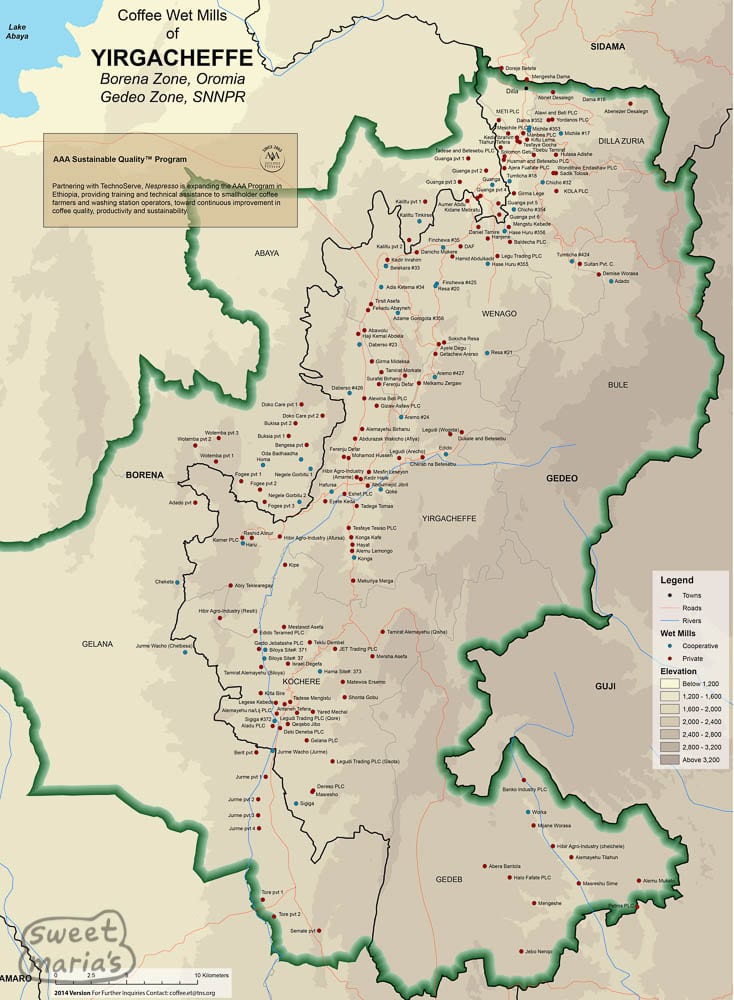
Yirgacheffe (Yirga Cheffe) is a high-altitude town located in Ethiopia’s Southern Nations, Nationalities, and Peoples' Region, within the Sidamo zone. It is also a globally recognized specialty coffee-producing area. With elevations ranging approximately between 1,700 to 2,100 meters—most coffee trees are cultivated above 1,800 meters—this creates a unique flavor profile: bright lemon acidity, delicate white floral notes, and a refreshing tea-like finish. It is the representative image of “Ethiopian coffee” in the minds of many.
As early as 2010, the Ethiopia Commodity Exchange officially separated Yirgacheffe from the former Sidamo region, establishing it as an independent producing area. This move not only made the coffee from this land more distinguishable but also solidified its special status in the global specialty coffee market. The coffee of Yirgacheffe, with its characteristic bright acidity and fruity-floral tones, has become a favorite among many pour over enthusiasts.
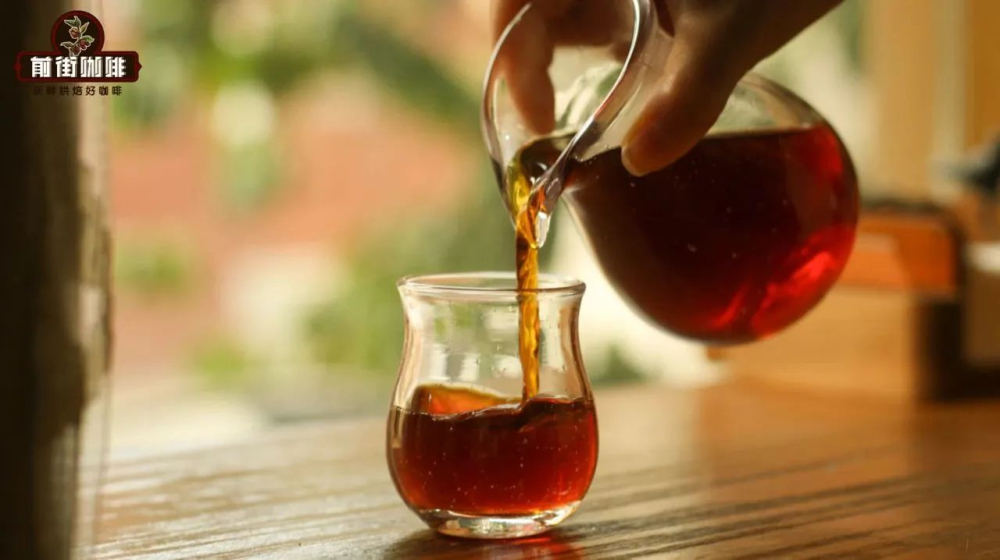
When it comes to Yirgacheffe coffee beans, many people immediately think of that vivid lemon acidity paired with subtle floral aromas. This impression is no accident but stems from the region’s unique microclimate and high-altitude environment. High-altitude cultivation extends the ripening period of coffee cherries, allowing the beans to accumulate richer flavor compounds and acidity. Coupled with careful processing, the result is a clean and pleasant cup profile.
In fact, Yirgacheffe is not just the name of a region—it also symbolizes the premium image of Ethiopian coffee. Even though coffee beans from different micro-regions on the domestic and international markets each have their own distinct characteristics, Yirgacheffe remains a top choice for many coffee lovers entering the world of specialty coffee due to its consistent and recognizable flavor.
It’s worth noting that although Yirgacheffe is now considered an independent region, its coffee production model still largely relies on cooperatives for unified harvesting and processing. Well-known processing factories and cooperatives include Guji Dandi, Aricha, Worka, and Kochere. These entities are responsible for processing the coffee cherries collected by farmers, ensuring consistent quality, and selling them to the global market under names such as “Ethiopia Yirgacheffe XX Cooperative.”
Speaking of Yirgacheffe coffee bean varieties, many consumers often see the label “local heirloom variety (Heirloom)” on product packaging but have only a vague understanding of what it means. In fact, Ethiopia is regarded as the genetic birthplace of coffee, home to over ten thousand coffee varieties, the majority of which have not yet undergone complete genetic identification.
Due to the vast number and complexity of these varieties, to protect these precious genetic resources, the Ethiopian government has not finely classified or named each type of coffee. Instead, it collectively refers to these ancient Arabica varieties as “local heirloom varieties.” Therefore, when you see Yirgacheffe coffee beans labeled as “local heirloom variety” in a specialty coffee shop, they actually represent the most historically and regionally distinctive varieties grown on this land.
As for processing methods, Yirgacheffe originally used the most traditional natural (sun-dried) method. However, after Ethiopia introduced washed processing technology from Central and South America in 1972, the flavor profile of the local coffee underwent a significant transformation—particularly with jasmine floral notes and citrus acidity becoming clearer and brighter. This change propelled Yirgacheffe into the spotlight of the international specialty coffee market. Since then, washed processing has long been the mainstream, but in recent years, natural Yirgacheffe has made a comeback, winning the favor of many consumers with its rich fruitiness and fermentation complexity.
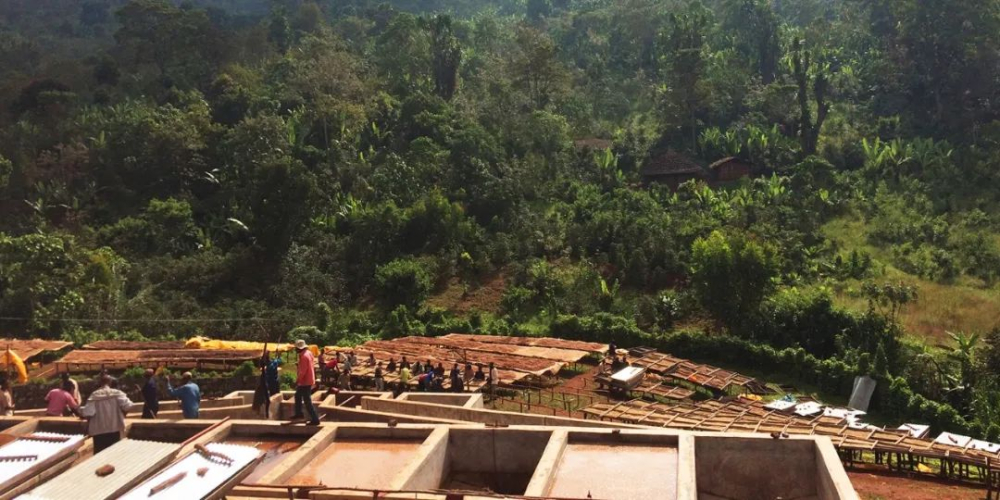
The key to natural processing lies in the strict selection of red cherries. From the picking stage, unripe and defective cherries are removed, and throughout the two-week sun-drying process, poor-quality fruits are continuously culled. As the coffee beans are exposed to the sun, the sugars and flavor compounds in the fruit pulp gradually seep into the seeds, resulting in coffee beans with intense sweetness and complex fermented aromas—commonly including berries, strawberries, and subtle wine-like notes.
Washed processing, on the other hand, emphasizes “cleanliness” and “clear acidity.” During the process, the outer skin and pulp of the coffee cherry are first removed, then the beans are placed in water tanks to ferment, dissolving the sticky mucilage layer, followed by drying. This method significantly reduces interference from impurities and undesirable flavors, making the coffee’s acidity brighter and the mouthfeel cleaner. It is the preferred choice for many consumers who enjoy a balanced sweet-and-acidic cup.
In the Yirgacheffe region, coffee farmers typically send their harvested beans to local cooperatives for unified processing, which are then exported under the name of the processing factory or cooperative. Well-known cooperatives such as Guji Dandi and Aletaland are respectively known for their expertise in washed and natural processing. The former is commonly associated with clean, vibrant acidity in washed Yirgacheffe, while the latter is widely praised for its berry and fermented aroma in sundried red cherry coffee.
If you’d like to brew a captivating cup of Yirgacheffe at home, it’s recommended to choose freshly roasted coffee beans (ideally used within five days post-roast), and allow for an appropriate resting period (about four to seven days) to fully release the flavors. For pour over brewing, it’s suggested to use a V60 filter cone, with water temperature controlled around 90°C, and a coffee-to-water ratio set at 1:15 (for example, 15 grams of coffee grounds with 225 grams of water). The grind size can be referenced to about 80% passing through a Chinese No. 20 sieve, equivalent to a medium-fine grind.
The specific brewing steps are as follows: First, perform a 30-second bloom using twice the amount of coffee grounds in water (approximately 30 grams) to release CO₂ from the coffee grounds and ensure stable extraction afterward. Then, pour water in small circles, and when the total water volume reaches 125 grams, perform the first pour break. Continue pouring until the total reaches 225 grams, then stop. Once the water has completely dripped through the filter cone, remove it. The total brewing time should be around two minutes. Finally, gently swirl the coffee liquid before pouring it into your cup to better experience the layered flavors.
In terms of flavor, washed Yirgacheffe typically exhibits bright lemon acidity and citrus aromas, with a clean and refreshing taste, and a tea-like softness reminiscent of black tea in the aftertaste. Natural-processed Yirgacheffe, on the other hand, often features fruity notes such as berries, strawberries, and lemon, accompanied by fermented wine-like aromas and a more pronounced sweetness. It is well-suited for those who enjoy rich layers and bold flavors.
The above content is compiled by CoffeeHunters, a coffee news website.


