







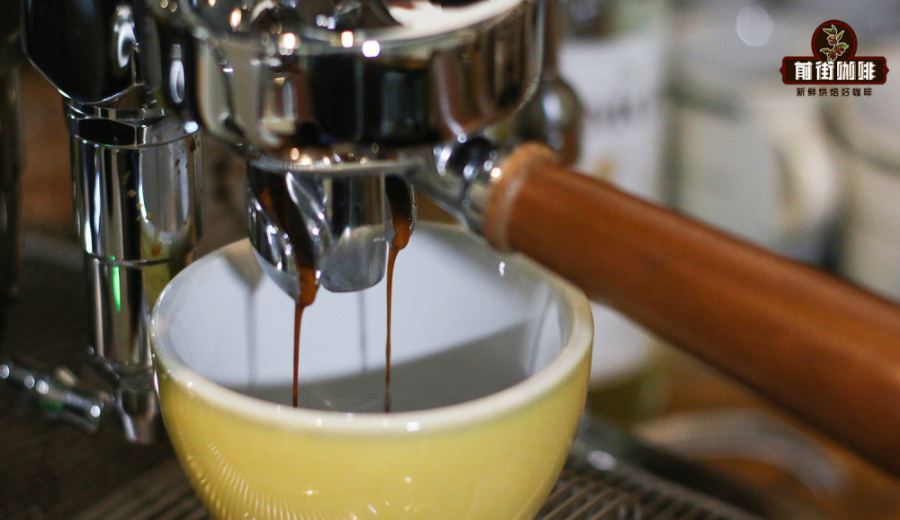
Introduction:Espresso is the soul of Italian-style coffee—high in concentration, intense in flavor, and the base for various specialty drinks like lattes and cappuccinos. This article delves into the standard single shot portion size, extraction parameters, and caffeine content of espresso, guiding you through key tasting points such as aroma, mouthfeel, and aftertaste. It also provides practical drinking tips, including mouth cleansing, proper stirring, sipping in stages, and breath retention, helping you fully appreciate the layered charm of espresso.
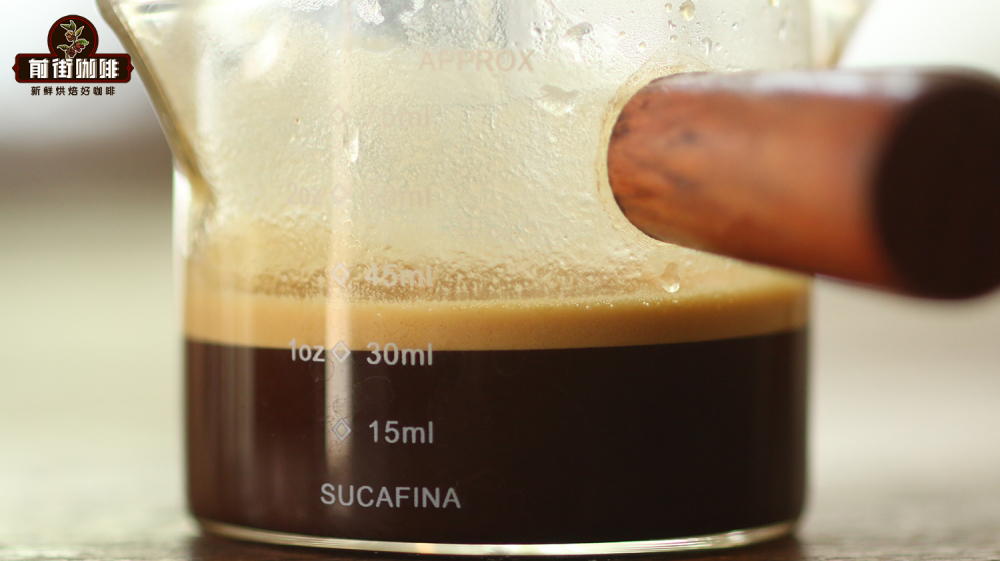
Espresso is the essence of Italian coffee culture, renowned for its intense flavor and highly concentrated taste profile. A standard single shot (single espresso) is about 30 milliliters, with approximately 100 milligrams of caffeine and a concentration that can reach 9% to 11%—far higher than the 1.3% typically found in regular pour over coffee. Though small in size, this compact cup packs a powerful punch and serves as the foundation for many classic specialty coffee drinks. However, many people, when faced with this bold-flavored espresso, often don’t know where to start when it comes to tasting. This article begins with the basic definition of espresso, takes you deeper into its caffeine data, analyzes the aroma, mouthfeel, and aftertaste to pay attention to while drinking, and shares practical steps for consumption to help you more comprehensively experience the essence of espresso.
A traditional single shot (single espresso) typically uses about 7 to 10 grams of finely ground coffee, extracted under 9 bar of pressure in 25 to 30 seconds to produce around 30 milliliters of coffee liquid. If you find a single shot insufficient, you can opt for a double shot (double espresso), using about 14 to 20 grams of coffee grounds to extract around 60 milliliters of coffee. In Italian coffee culture, the term “shot” has become synonymous with a single espresso, making ordering and communication more convenient.
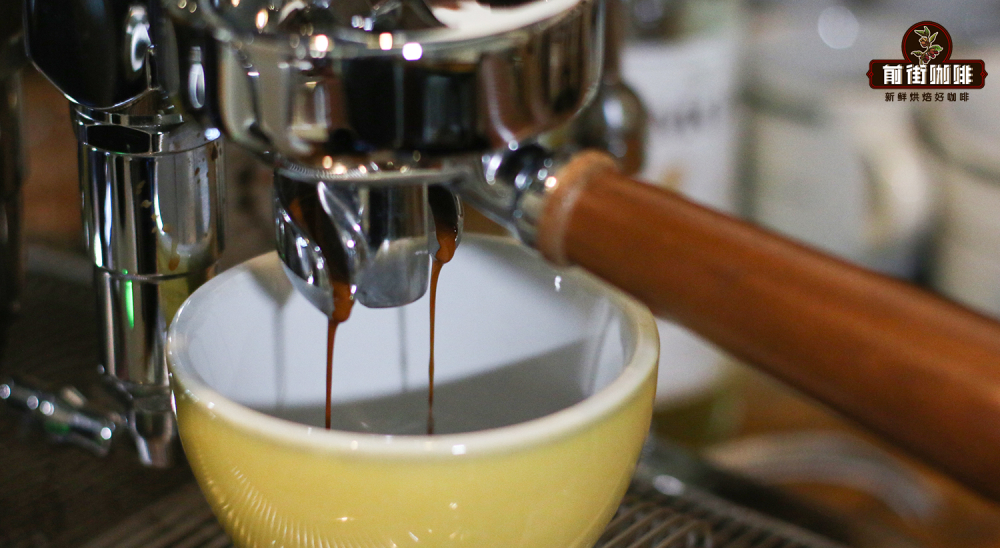
The intense flavor of espresso mainly stems from its high concentration and unique extraction method. Compared to the gentle extraction of pour over coffee, espresso uses extremely fine grinding and high-pressure brewing, which highly concentrates the substances in the coffee, resulting in a bold and stimulating taste. Many people, upon first encounter, may be put off by its strong bitterness, but the appeal of espresso lies not just in its “intensity,” but also in the complexity of its aroma, the layers of its mouthfeel, and the persistence of its aftertaste. This is precisely why, in Italy, many locals prefer to drink espresso straight, savoring its purity and intensity.
Regarding the caffeine content of espresso, a common single shot (using about 7 to 10 grams of coffee grounds, extracting about 30 milliliters of coffee liquid) contains roughly 60 to 100 milligrams of caffeine, while a double shot may approach 150 milligrams or more, with specific values varying based on bean variety, roast level, and extraction time. Taking a typical shop recipe that uses 20 grams of coffee grounds to extract 40 grams of coffee liquid as an example, the total caffeine content is about 100 milligrams. This level of concentration and dosage is enough to deliver a noticeable energy boost.
When tasting espresso, we should focus not just on the “bitterness,” but more on the overall experience of aroma, mouthfeel, and aftertaste. Cleanliness is an important indicator of a good cup of coffee, meaning there are no obvious off-flavors, excessive charred bitterness, or astringency; balance refers to the harmony among various flavors such as acidity, sweetness, bitterness, and body, making the overall drinking experience smooth and comfortable—neither jarring nor monotonous. These qualities are especially critical in espresso, as its concentrated nature makes any flaws more pronounced.
The crema on the surface of espresso is not only a visual highlight but also an important factor affecting mouthfeel. This golden layer of foam is formed by carbon dioxide and oils in the coffee under high-pressure extraction. It not only gives the coffee a silky texture but also plays a role in preserving aroma. When you sip, these volatile aromatic molecules enter the mouth along with the crema, then are released through saliva catalysis and further transmitted through the nasal passage, creating a complete flavor experience.
Aftertaste is an aspect of espresso tasting that cannot be overlooked. After the coffee liquid enters the mouth, its aromatic compounds are gradually released, especially during the act of swallowing and then breath retention with the mouth closed, allowing you to more noticeably perceive the aroma escaping through the nasal cavity, resonating with the taste buds to form a deep and lasting flavor memory. This sensory experience, involving both smell and taste, is what makes espresso so captivating.
To more fully experience the layers of espresso, it’s recommended to rinse your mouth with water or ice water beforehand to clear away any lingering flavors and prepare your taste buds. Next, observe the distribution of the coffee's crema—if you notice uneven density from top to bottom, gently stir to even out the flavors; of course, if you want to experience different layers of mouthfeel, you can also choose not to stir and instead sip to compare the differences between the surface and the bottom.
When drinking, it’s suggested to take the espresso in three to four slow sips, using different parts of the tongue to perceive the shifts in flavor: the tip of the tongue is sensitive to sweetness, the sides to acidity, and the back to bitterness and body. Pause slightly between sips to observe how the coffee changes in your mouth. After swallowing, remember to do breath retention with your mouth closed to let the aroma release through the nose, fully experiencing the depth of the aftertaste. Finally, you can take a sip of water to cleanse your palate and make the coffee’s lingering sweetness more pronounced.

In summary, although espresso is intense, it contains a wealth of nuanced flavors. From proper mouth preparation, appropriate stirring and sipping techniques, to breath retention to perceive the aftertaste, each step allows you to delve deeper into the essence of this coffee. Whether you’re new to espresso or already a fan, mastering these techniques can take your coffee experience to the next level.
The above content is compiled by CoffeeHunters, a coffee news website.


