







Introduction:Civet coffee, also known as kopi luwak, has garnered significant attention due to its unique production process and rich flavor. But is it really considered specialty coffee? This article will delve into the origin of civet coffee, its processing methods, flavor characteristics, and explore its status within the specialty coffee community to help readers fully understand this expensive and unusual coffee variety.
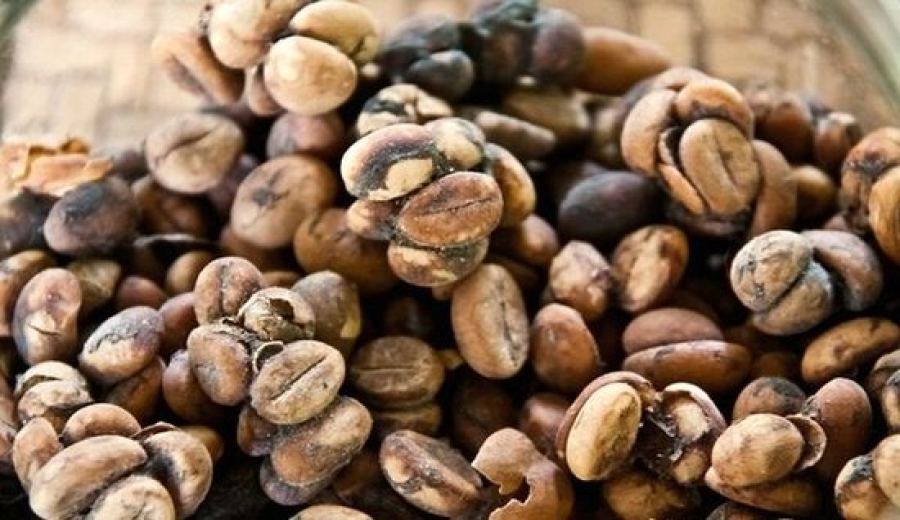
Civet coffee, officially known as kopi luwak, is a type of coffee produced when the Asian palm civet (commonly referred to as the civet) consumes coffee cherries, which then undergo natural fermentation in its digestive system before being excreted. The beans are subsequently cleaned and roasted by hand. This coffee is renowned for its syrupy mouthfeel, rich chocolate notes, and long-lasting aftertaste. Many coffee enthusiasts wonder whether such an unusual coffee can be classified as specialty coffee. In reality, its unique production method and flavor profile have secured it a distinctive place in the world of coffee.
The origins of this coffee can be traced back to the 18th century during the Dutch colonial period in Indonesia. At that time, the Dutch established coffee plantations in places like Sumatra and Java but prohibited local residents from consuming the coffee cherries they grew. However, locals discovered that civets had a particular preference for ripe, sweet coffee cherries. The animals would consume the cherries and then excrete the undigested coffee beans intact, leading to the accidental creation of civet coffee.
After the civet consumes the coffee cherries, the beans pass through its stomach where fermentation occurs. During this process, enzymes in the stomach break down some of the proteins, producing more peptides and free amino acids, which effectively reduces the inherent bitterness of the coffee. More importantly, civets typically only select the ripest and sweetest coffee cherries, essentially performing a natural sorting process that enhances the foundational quality of the final coffee product.
Although the excreted coffee beans have passed through an animal’s digestive tract, they remain undigested and retain their complete bean structure. These beans are carefully washed to remove any residues and then subjected to high-temperature roasting, ultimately becoming what we know as civet coffee. Coffee critic Chris Rubin once described its flavor as: “Rich and intense with wine-like aromas, a syrupy body, distinct layers of chocolate, and a clean, long-lasting finish.”
Currently, civet coffee is primarily produced in Indonesia, especially on the islands of Sumatra and Java. Due to its complex production process, extremely low yield, and the limited habitats of the civet, this coffee has become one of the most expensive in the world, with market prices reaching several hundred US dollars per pound. Its rarity and unique flavor have made civet coffee a long-standing focus of international attention.
It is worth noting that although the processing of civet coffee is natural, it has sparked considerable animal welfare and ethical controversies. Some production methods involve capturing and farming civets, raising many concerns regarding animal welfare. Therefore, consumers should also pay attention to whether the source of the product complies with animal protection standards when making a purchase.
In summary, civet coffee enjoys a high level of recognition among coffee enthusiasts due to its distinctive flavor and rare production method. While it may not necessarily meet the traditional criteria of specialty coffee, its natural selection mechanism, unique fermentation process, and rich, full-bodied taste undoubtedly offer a very different experience in the world of coffee. If you are interested in dark roasts, bold flavors, and unique coffee profiles, civet coffee is certainly a choice worth exploring.
The above content is compiled by CoffeeHunters, a coffee news website.


