







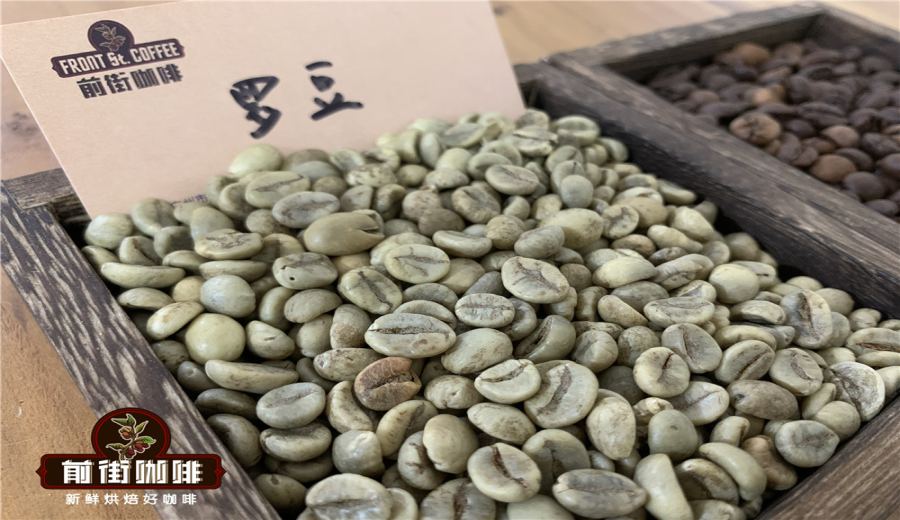
Introduction:Robusta is often seen as a marginal player in specialty coffee, but in reality, this coffee bean holds a historical significance and practical potential that cannot be overlooked. From its origins in the Congo Basin of Africa, to its pivotal role in instant and espresso blends, to the emergence of high-quality cultivation in recent years, this article will delve into Robusta’s botanical background, historical evolution, flavor characteristics, and market applications, helping you gain a more comprehensive understanding of this often underestimated coffee bean.
In discussions about specialty coffee, Robusta is frequently ignored or simply labeled as “cheap” or “harsh in flavor.” But in fact, this coffee bean not only has a deep historical background, but also plays an indispensable role in the modern coffee supply chain. From being a hero in resisting leaf rust, to serving as the flavor foundation in espresso blends, to the recent emergence of high-quality cultivation, the value of Robusta is far more diverse than we imagine.
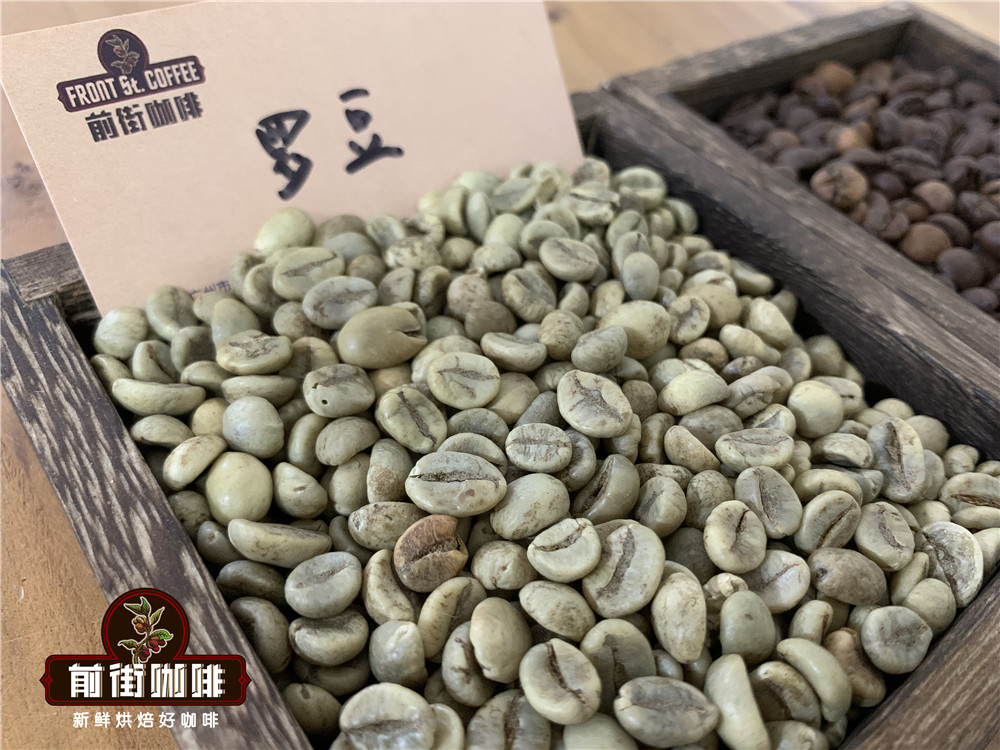
The three main coffee species include Arabica, Robusta, and Liberica, but only the first two have truly reached commercial scale. In the specialty coffee world, Arabica is widely praised for its rich aromas and varied flavor profiles, while Robusta is often regarded as inferior. But is such an evaluation fair? Have we overlooked the potential and uniqueness of Robusta itself?
Robusta originates from the Congo Basin in West Africa, different from the commonly known Arabica which comes from the Ethiopian Highlands. Its formal botanical name is “Coffea canephora,” and “Robusta” is the most widely cultivated variety under this species, much like Typica is a well-known variety under Arabica. Although Robusta is more famous, in reality, most strains within the Canephora species have not been commercially promoted and remain in the wild or undeveloped state.
Interestingly, the rise of Robusta is closely linked to humanity’s efforts to combat plant diseases. In 1898, a Belgian botanist first discovered this variety in the Congo region. At the time, the world was facing a severe coffee leaf rust crisis, and thanks to Robusta’s outstanding disease resistance, it was introduced to various affected regions, successfully saving the livelihoods of many coffee farmers. Since then, Robusta has gradually expanded globally, performing particularly well in tropical low-altitude areas.

Looking back at the mid-to-late 20th century, when Italian coffee culture was rising globally, Robusta was also a star of the market. Due to its high caffeine content (usually about 2.7% higher than Arabica), rich crema, and lower cost, Robusta was often used in espresso blends to provide a bold taste and long-lasting crema. At that time, many consumers drank coffee mainly for its energizing effect, and Robusta perfectly met that need.
However, with the rise of specialty coffee culture, consumers began to focus on coffee’s origin flavors, processing methods, and brewing details, and Robusta’s disadvantages were magnified. Its natural bitterness, nutty and smoky notes, and even the grainy and chaotic acidity sometimes present in light roasts, are often considered inconsistent with modern consumers’ expectations of “good coffee.” In contrast, Arabica, which undergoes refined processing and origin optimization, showcases richer floral and fruity notes and clear acidity, naturally earning more favor.
Robusta’s challenges in the specialty coffee realm are not just about flavor, but also adaptability. Light roasting can highlight the delicate floral notes and bright acidity of Arabica, but for Robusta, it tends to amplify its flaws, resulting in unappealing dryness and rough textures. Deep roasting, while able to bring out Robusta’s rich aroma and full body, can also make the bitterness overly intense. Consumers in countries like Vietnam, although accustomed to drinking Robusta, often add sweetened condensed milk or eggs to neutralize its strong bitterness.
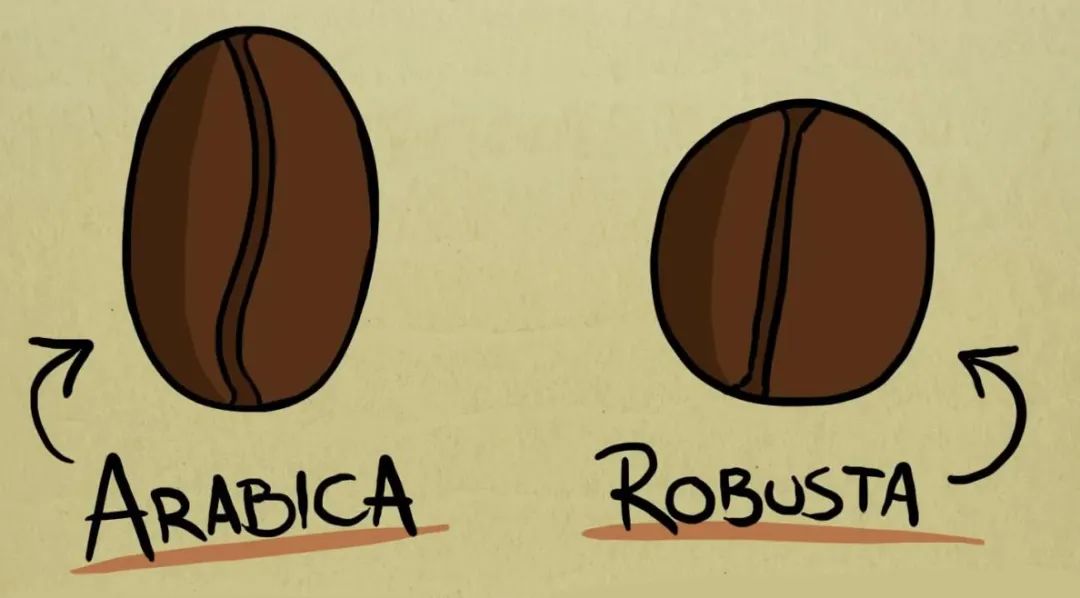
However, in recent years there have also been some surprising exceptions. For example, India’s “Coffee Royale” Robusta has successfully elevated its flavor profile through high-altitude cultivation and specialty coffee management practices. These high-quality Robustas not only have a thicker, more stable taste, but also exhibit complex flavors such as peanut butter, hazelnut, nuttiness, and wheat, almost shedding the traditional negative image of Robusta. However, such cases are still relatively rare and come with higher costs, and have not yet become mainstream.
So, what role does Robusta actually play in today’s coffee market? The answer is practical: its price advantage, high caffeine content, and bold flavor make it an excellent raw material for instant coffee and ready-to-drink beverages. Generally, ordinary Robusta costs only half that of ordinary Arabica, making it undoubtedly the most pragmatic choice for markets requiring large supplies and cost efficiency. In addition, some higher-quality Robustas are also used as part of espresso blends, providing a rich base and abundant crema to the coffee.
In summary, although Robusta has long been seen as the “second-class citizen” in specialty coffee, it actually possesses irreplaceable practical value and potential flavor charm. Whether you are a coffee professional, brewing enthusiast, or a reader interested in the coffee industry, understanding Robusta’s past and present can help you view the entire coffee ecosystem more comprehensively and rethink the definition of what constitutes “good coffee.”
The above content is compiled by CoffeeHunters, a coffee news website.


