








Introduction:Yirgacheffe is an entry-level specialty coffee for many, renowned for its bright acidity and floral notes, completely reshaping the stereotype that "coffee equals bitterness." This article delves into the characteristics of the washed Yirgacheffe processing method, explores how it creates a clean and delicate flavor profile, and provides practical pour-over parameters and techniques to help you easily recreate a classic Ethiopian cup at home filled with citrus and tea-like aromas.
For many who are new to specialty coffee, the first cup that truly impresses them often comes from Yirgacheffe, Ethiopia. This coffee from the Horn of Africa is celebrated for its vibrant acidity, citrus tones, white floral notes, and tea-like mouthfeel, completely overturning the previous notion that coffee is only about dark roasts and bitter richness. What exactly makes Yirgacheffe the "symbol of freshness" in the hearts of coffee lovers worldwide? This article will take you through its flavor origins, washed processing methods, and practical brewing tips to give you a comprehensive understanding of the charm of this classic bean.

In the past, most people’s impression of coffee was limited to something strong, smoky, or even slightly bitter, which was related to common dark roasting and brewing methods, with flavors mainly centered around nuts, chocolate, and smokiness. However, with the rise of the specialty coffee concept, more and more consumers have begun to pursue a more layered and distinctive coffee experience. Among them, Yirgacheffe from Ethiopia can be considered one of the turning points—it showcases the bright acidity, vivid fruitiness, and pleasant aftertaste that coffee can inherently possess, completely breaking the public’s preconceived notions about coffee.
The reason Yirgacheffe can shape such a unique flavor profile is not only due to its exceptional growing environment but also closely related to the washed processing method it employs. Compared to traditional natural (sun-dried) processing, washed processing is more costly, but it allows for more precise control over fermentation and washing, effectively reducing impurities and defects, resulting in a cleaner and more refined coffee flavor. This method is particularly well-suited to highlight the high-altitude characteristics of Yirgacheffe’s origin and the delicate acidity and aroma of its native varieties.

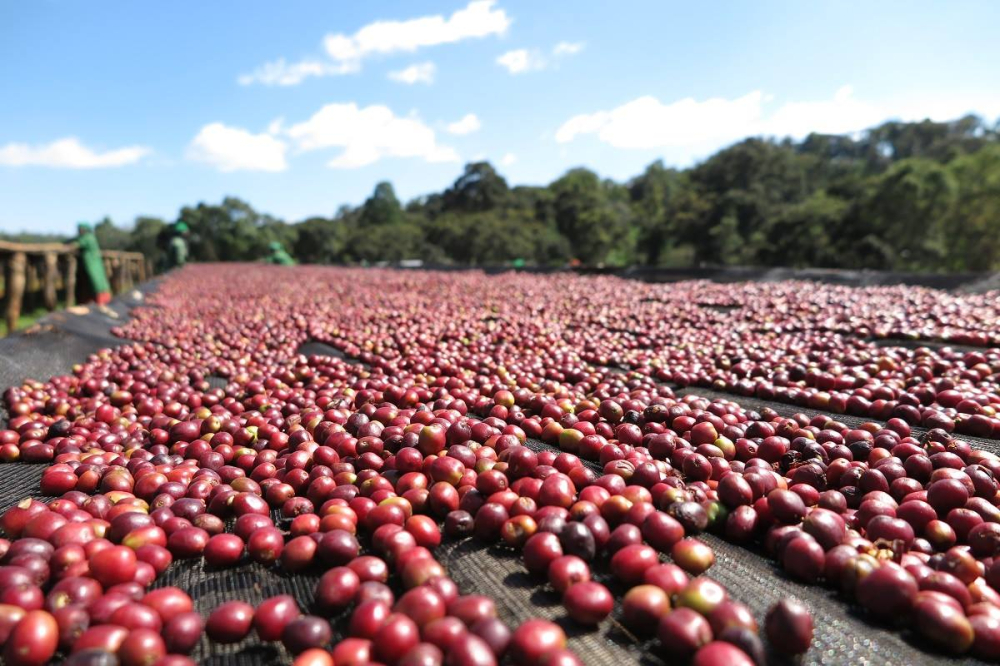
It’s worth noting that Ethiopia, being a highland region with abundant sunlight, is theoretically very suitable for using the natural processing method for coffee cherries. However, natural processing is relatively rough, and many farmers simply dry their cherries in their own yards using simple methods, which not only leads to inconsistent hygiene conditions but also easily results in off-flavors or uneven drying outcomes. In contrast, washed processing requires a stable water source and professional equipment. Through steps such as soaking, fermenting, and washing, it ensures that every coffee bean is uniformly processed, ultimately delivering a more consistent and high-quality flavor profile.
If you’d like to personally experience the refreshing citrus notes and tea-like aftertaste that washed processing brings to Yirgacheffe, you might want to try the washed batch from the Gedeb Guji Cooperative in Yirgacheffe. These beans are grown at high altitudes of approximately 2000 to 2100 meters and belong to local native varieties. After being processed via the washed method, they typically exhibit pronounced orange, citrus, jasmine floral, and honey sweetness notes, with a clean and layered mouthfeel—perfect for brewing methods such as pour over, cold brew, ice drip, or drip bags.
Here are the detailed information and recommended brewing parameters for this washed Yirgacheffe lot: Originating from Yirgacheffe, Ethiopia, produced by the Gedeb Guji Cooperative, grown at an altitude of 2000–2100 meters, variety is local native, processing method is washed, flavor characteristics include orange, citrus, tea-like, jasmine, and honey notes. These combined elements result in a classic coffee with bright yet non-harsh acidity, prominent tea-like qualities, and a clean finish.
It is recommended to use a V60 filter for pour over, with water temperature controlled between 92–93°C, about 15 grams of coffee grounds, a coffee-to-water ratio of 1:15, and a grind size similar to that of fine sugar, or around 78% uniform particle size using a #20 sieve. For brewing, you can use a multi-pour method: start with a 30-second bloom using 30 grams of water, then pour in a circular motion with a slow stream until reaching 125 grams and pause briefly. When the water level gradually drops and is about to expose the coffee bed, continue pouring until the total reaches 225 grams. The entire extraction process should be around 2 minutes. These parameters help fully highlight the bean’s citrus and floral attributes while maintaining a clean and balanced mouthfeel.
In summary, washed Yirgacheffe beans achieve their bright, clean, and well-balanced sweet-and-acidic flavor profile thanks to their unique high-altitude terroir, washed processing technique, and the genetic advantages of native varieties. As long as you master the correct brewing techniques and parameters, whether you’re a beginner or a seasoned coffee enthusiast, you can easily brew an exceptional cup at home that captures the essence of Ethiopian coffee.
The above content is compiled by CoffeeHunters, a coffee news website.


